

Introduction: A Morning That Burns
On a humid morning in Changsha, the capital of central China’s Hunan province, the air smells less like coffee and more like chili oil hitting a hot wok. Street vendors are slicing fresh red peppers into mounds, and a delivery guy zips by on an electric scooter carrying a box labeled “剁辣椒” (chopped chili). For millions of Hunan locals, this isn’t just breakfast prep—it’s the daily ritual of a province that proudly claims to eat more chilies per capita than almost anywhere else in China.
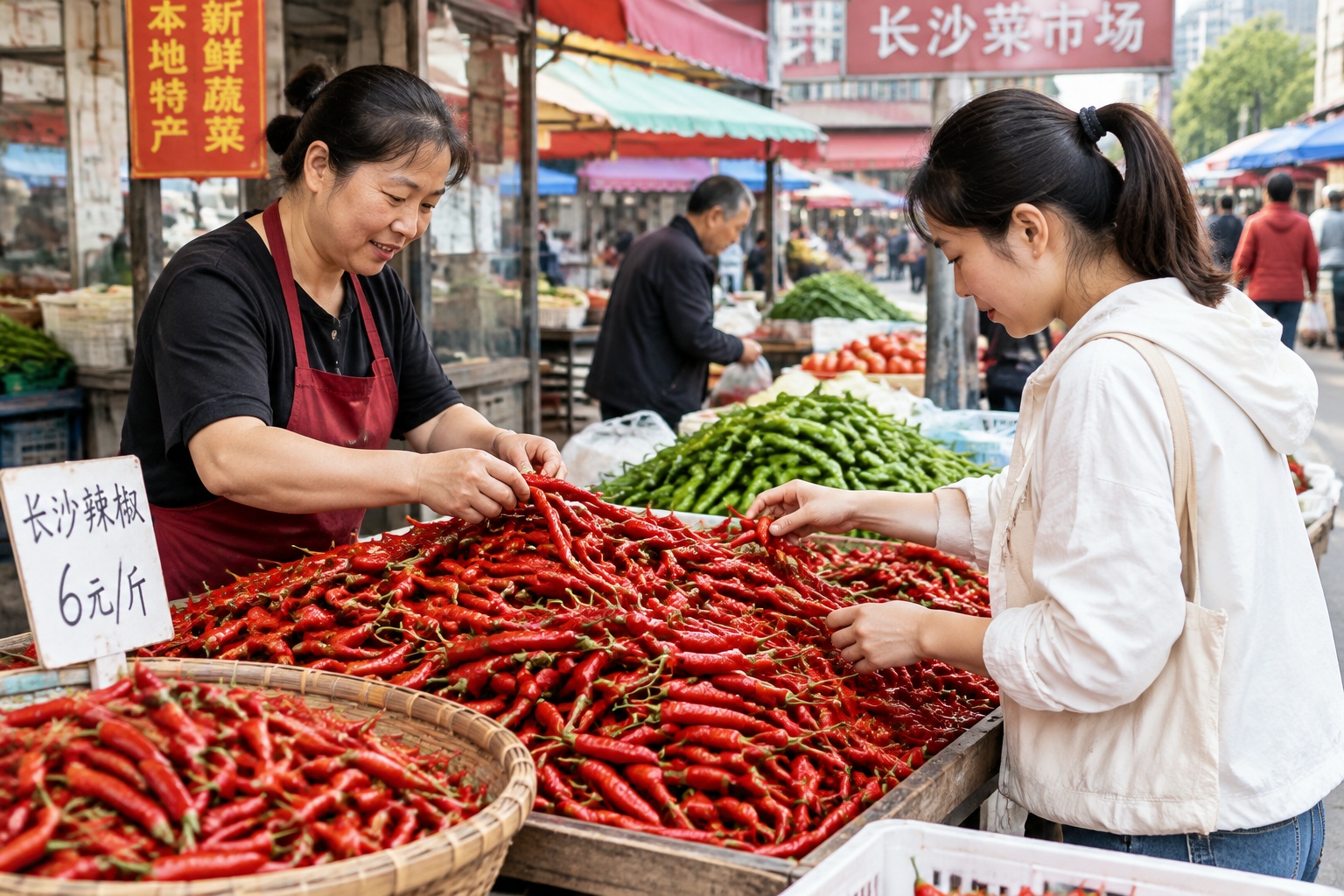
But look closer, and you’ll see something bigger. The chilies piling up on every market stall represent a full-blown economy—one that stretches from small family farms to global e-commerce warehouses. Hunan’s chili obsession has grown into a red-hot industry, and it’s a great way to understand how Chinese food culture, agriculture, and modern business all mix together.
The Fiery Heart of Hunan Cuisine
Chilies aren’t native to China. They arrived from the Americas in the 16th century, and Hunan took to them like a lake takes to rain. The province has a hot, humid climate, and locals say eating spicy food helps you sweat out the dampness—a traditional idea that still shapes menus today. But Hunan cuisine (湘菜) is different from neighboring Sichuan’s mind-numbing mala. Hunan peppers are often simply chopped and stir-fried, delivering a direct, unapologetic heat.
If you sit down at a restaurant in Changsha, the waiter may ask if you want “微辣” (mild). Outsiders soon learn that Hunan “mild” is what most other regions would call “pretty damn hot.” A classic dish like 辣椒炒肉 (chili stir-fried pork) isn’t meant to be a side vegetable—it’s the main event, with green and red peppers outnumbering the meat. The flavor is so definitive that many Hunanese say a meal without chili is like a day without sunshine.
From Farms to Phones: How Chili Moves
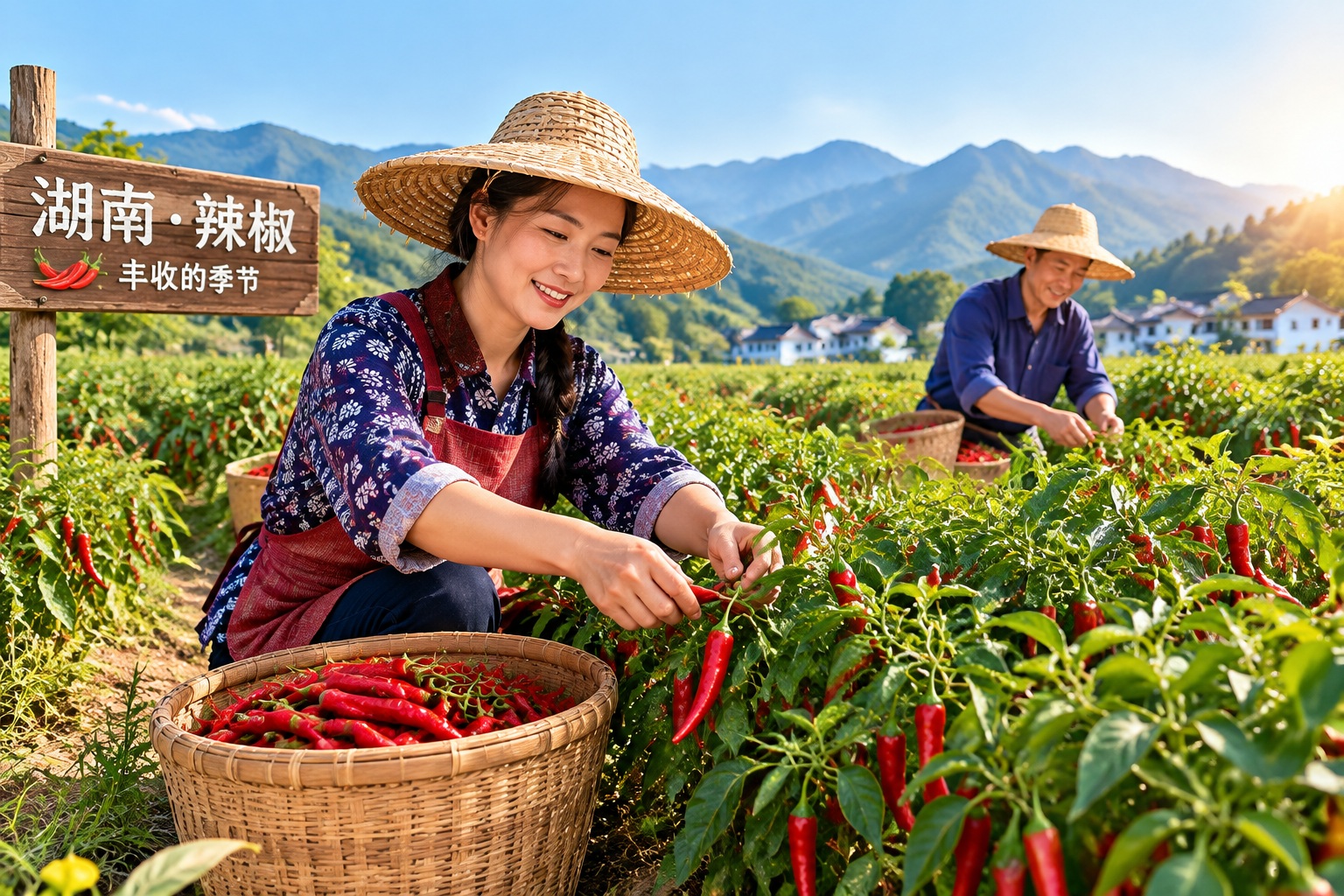
This appetite creates huge demand. Hunan isn’t just a consumer—it’s one of China’s top chili producers. In the province’s rural counties, especially in remoter areas like Longshan and Cili, farmers grow chilies on terraced slopes that turn crimson in autumn. According to provincial agricultural data, Hunan plants more than 1.7 million mu (about 280,000 acres) of chili peppers every year, producing around 3.2 million tons of fresh peppers. That’s a lot of heat.
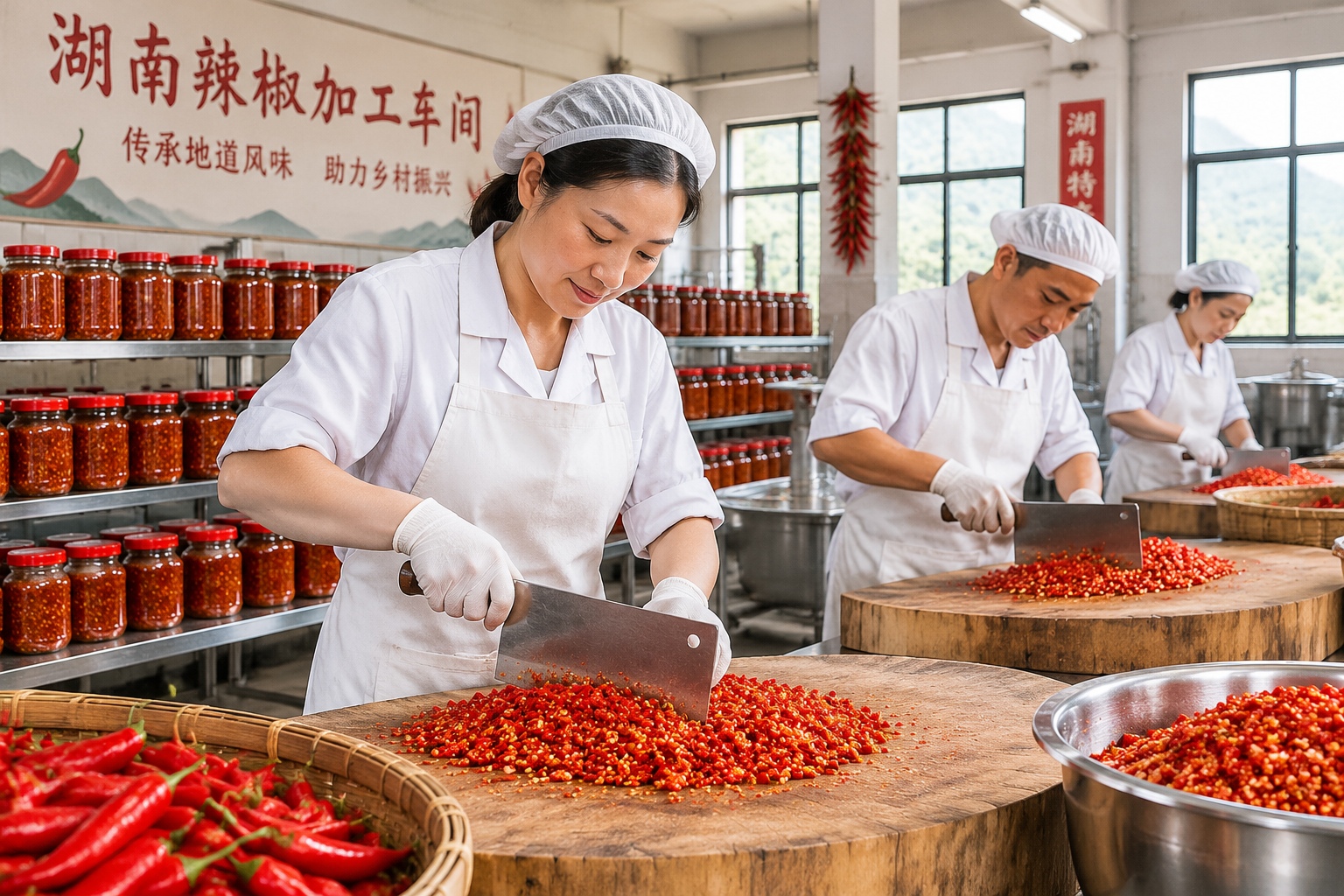
But getting those peppers to a dining table in Shanghai or a Sichuan restaurant in New York is a logistics challenge. Local cooperatives and “order farming” (订单农业) now connect small farmers directly to food processing companies. During harvest season, trucks loaded with red peppers roll into roadside collection points. There, chilies are graded, washed, and sent to factories where they become chopped chili, chili paste, dried chili flakes, or chili oil—all ready for the global market.
Along the way, technology has changed the game. Farmers in Hunan can check nightly price data on smartphones, and some mid-sized farms use drones to monitor crop health. “In my father’s time, you had to walk to the town market and hope for a good price,” a young chili farmer told me. “Now I get a text with the day’s price, and I can decide whether to sell fresh or process it into paste.” This is a story repeating across Chinese agriculture, but in Hunan, it runs on a hot sauce soundtrack.
A Business Grows on Spice
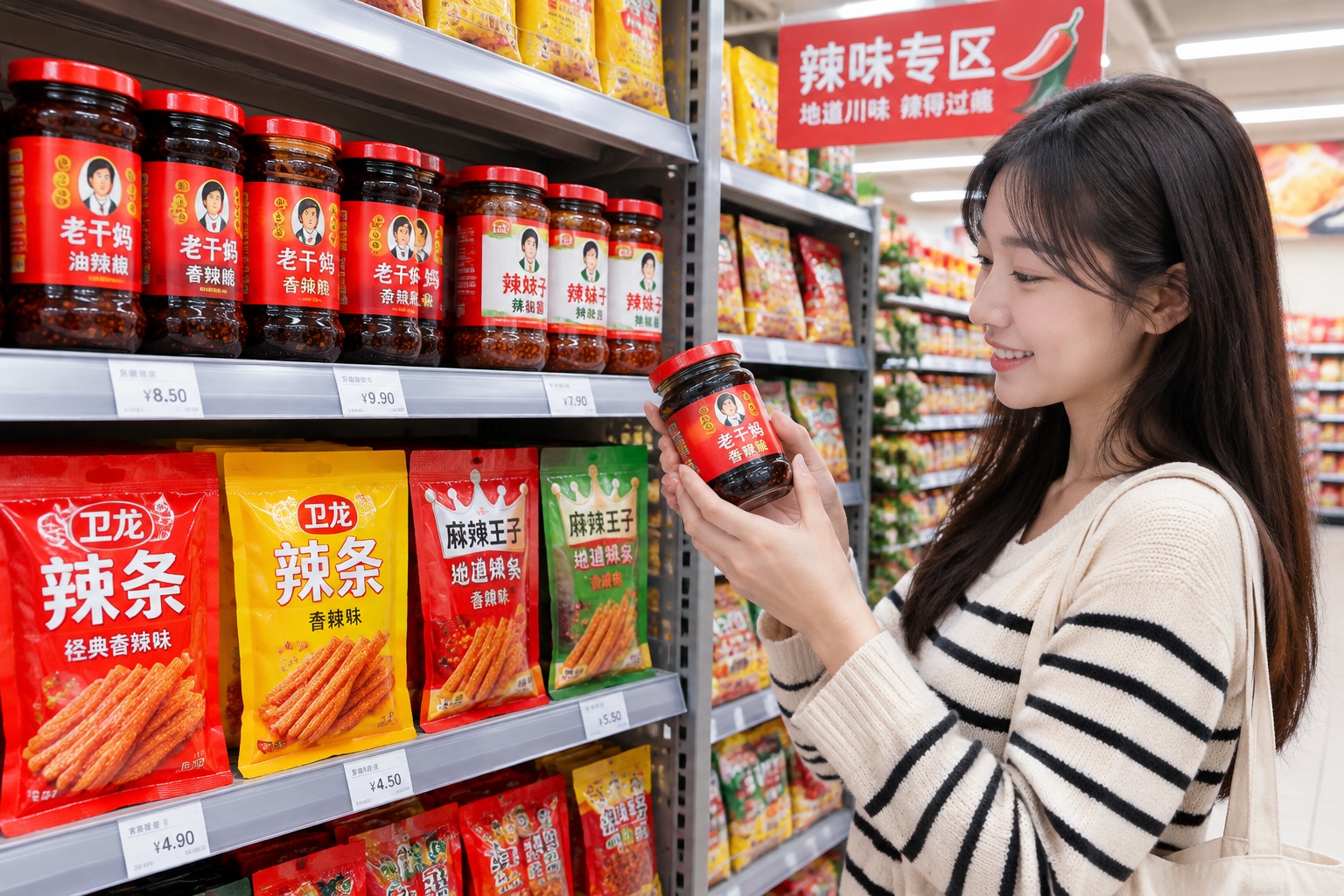
Chilies have turned into a serious business. Walk into any Chinese supermarket, and you’ll see a shelf full of Hunan-produced chili products: 坛坛香 (Tan Tan Xiang) chopped chili, 辣妹子 (La Mei Zi) sauce, and of course, the nation’s favorite condiment, Laoganma, which—while based in Guizhou—sells some of its most popular varieties in Hunan too. These brands don’t just fill domestic store shelves; they’re shipped to Chinese communities and Asian groceries around the world.
But the chili economy isn’t just about sauces. It’s also about the fast-food culture that loves a spicy kick. Take 辣条 (latiao), the spicy wheat sticks that became a childhood favorite across China. Many of the biggest latiao brands, like Wei Long, trace their roots to Pingjiang, a county in Hunan where chili oil and flour are combined into chewy, fiery snacks. Latiao has even gone global; in recent years, international snack companies have launched their own spicy strip versions. Who would have thought that a childhood snack could become a multi-billion yuan industry?
And then there’s the restaurant explosion. Changsha has become a foodie destination, attracting tourists who want to taste the real 湘菜. Stores like 费大厨 (Fei Dacheng) and 一盏灯 (Yi Zhan Deng) serve fiery pepper dishes to queues that wrap around the block. Social media is fueling this: videos of tourists crying over “not that spicy” soup have earned millions of views. The result is that chili has become a tourism magnet, bringing urban visitors to rural pepper fields for “chili picking” experiences. It’s agritourism with a bite.
Chili Culture, Exported
Hunan’s chili fever is spreading overseas too. Chinese restaurants in North America and Europe increasingly advertise authentic Hunan cuisine. Meanwhile, chili-based products from Hunan are showing up in global spice sections. In recent years, China’s chili exports have grown by double digits, and much of that heat came from Hunan’s factories. There’s even a “Hunan chili” brand emerging, positioned as the ingredient for people who want serious heat, not just a mild tingle.
This export is not just about products. Hunan’s chili culture is being shared through food festivals and short videos. On platforms like Douyin and YouTube, “Hunan street food” videos attract viewers who have never visited the province. The viewership isn’t just people craving spicy food; it’s also about a certain toughness. “If you can eat a Hunan chili dish without drinking water, you’re officially a hero,” jokes a local food blogger. That humor is part of the appeal—and it makes Hunan chili a memorable experience, not just a meal.
The Future of Hunan’s Chili Economy
Of course, the chili economy faces real challenges. Chili prices fluctuate with weather and market demand, which can make life hard for small farmers. Climate change is also affecting harvests, leading some farmers to experiment with new chili varieties that can tolerate more heat or drought. On the production side, many factories are pushing to automate chopping and bottling processes to meet rising demand—but the people I talk to say the taste still depends on the skill of picking and salting at the right time. You can’t automate the soul of it.
The next big step might be creating more standardized products that can enter global mainstream markets, not just Asian specialty stores. Hunan is also developing “chili technology”—new strains, better storage, even chili-based health products (yes, a spicy supplement). There’s growing interest in using chili oil as a flavor ingredient for overseas snacks, as global consumers embrace spicier flavors. According to industry groups, the global hot sauce market is expected to keep growing, and Hunan wants a bigger slice.
Wrap-Up: A Red Economy with Staying Power
Back in Changsha, the morning rush is in full swing. A middle-aged woman haggles over a bag of dried chilies, arguing that last week’s have more color. The vendor shoots back, “These are the new season’s, you’ll see how smoky they taste.” They laugh and strike a deal. This small scene shows the heart of Hunan’s chili economy: it’s not just about mass production, it’s about a culture that values chilies so deeply that people will argue over their quality like a wine critic over a vintage.
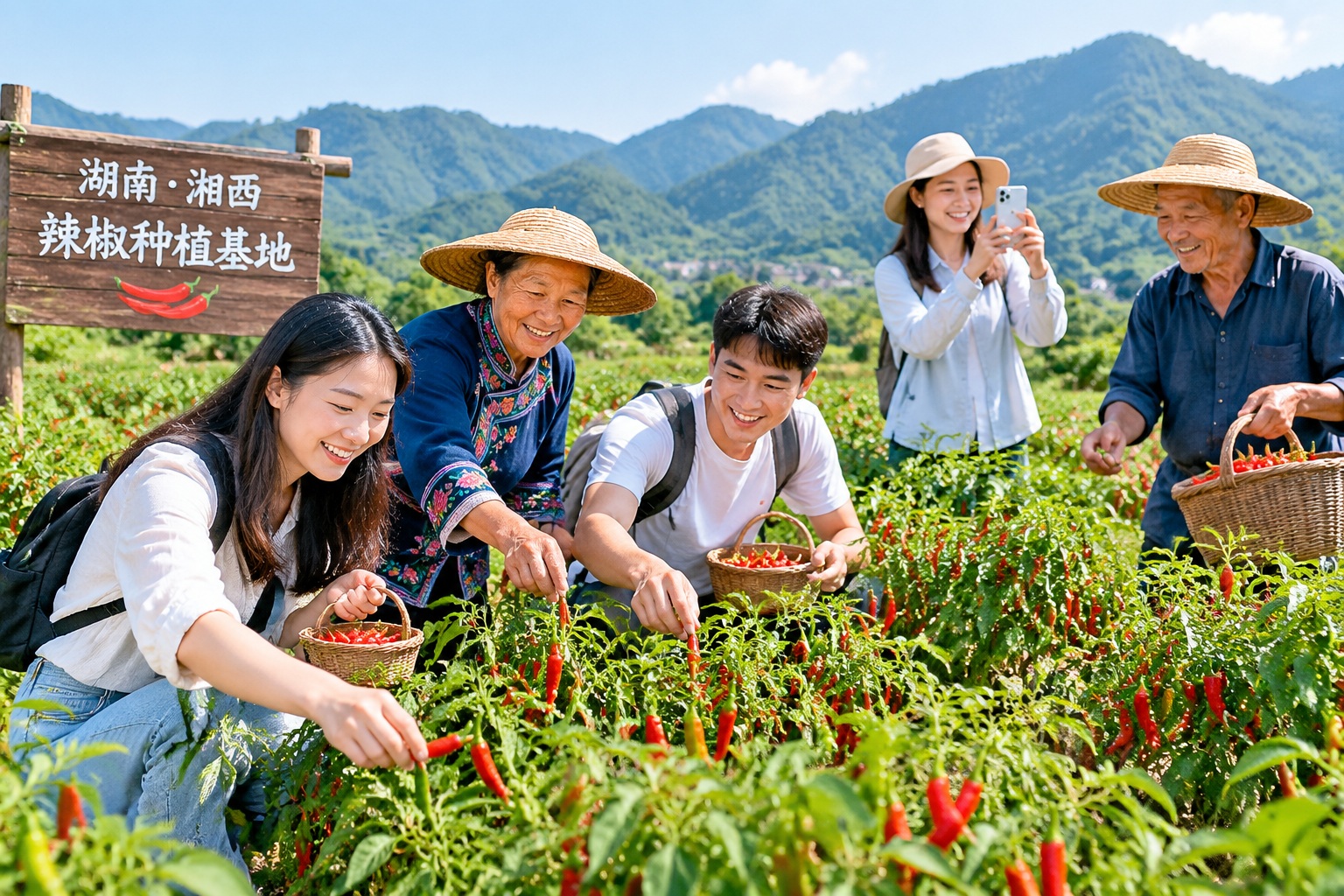
That culture, combined with modern production, logistics, and digital platforms, is what makes the chili economy “红火”—a phrase that literally means “red and hot” and is used in Chinese to describe a thriving business. For Hunan, the chili isn’t just an ingredient; it’s a brand, a driver of rural income, and a cultural messenger to the world. So the next time you reach for a bottle of chili oil, think about the red pods that started the journey—and the province that turned them into an economic flame.