

The machine that is in China but was never imported
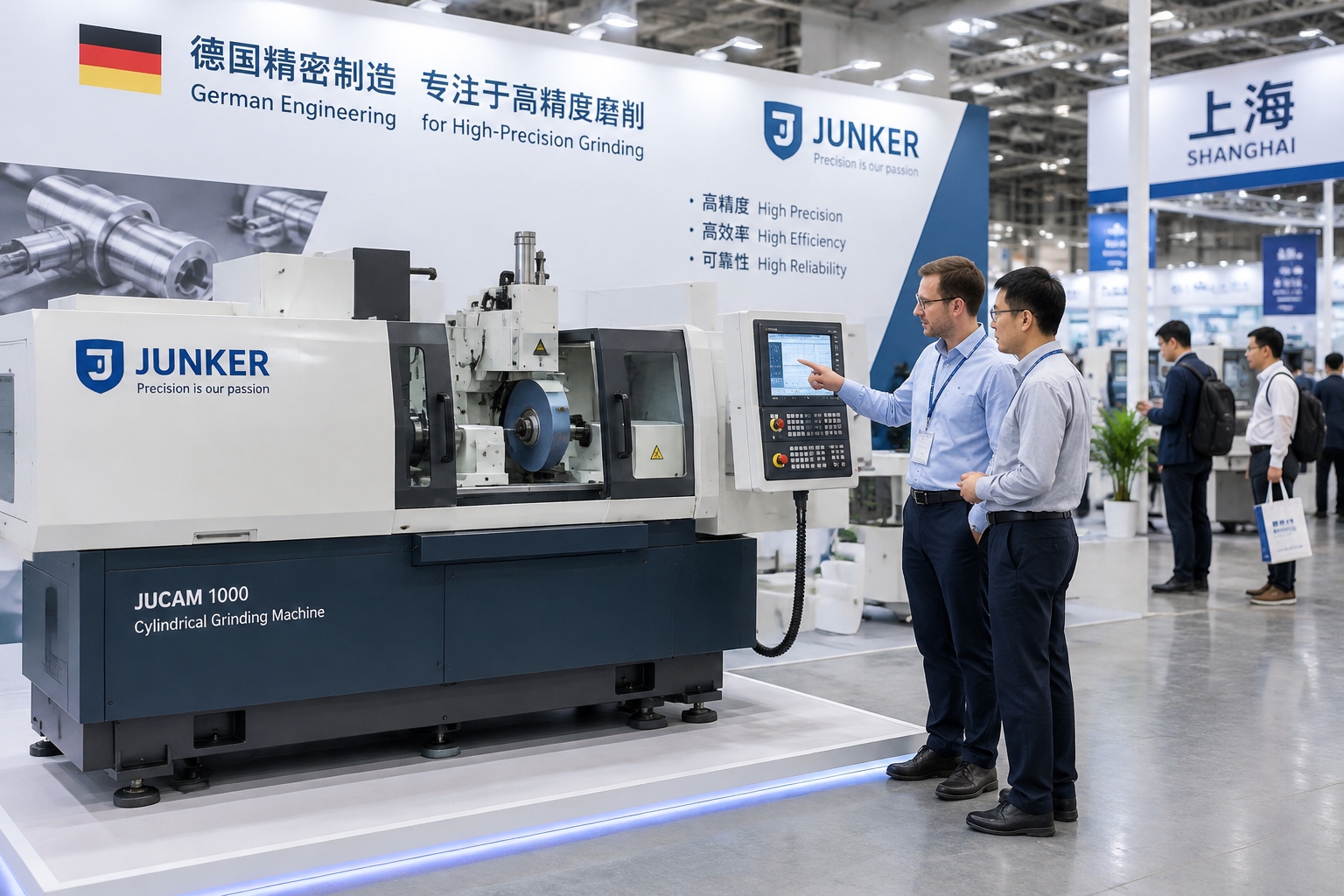
Each November, the halls of the National Exhibition and Convention Center in Shanghai fill with machines that, on paper, are not in China at all. A 12-tonne cylindrical grinding machine built in Baden-Wuerttemberg rolls off a truck, gets bolted to a display platform, and spends five days running test parts for Chinese buyers. Under Chinese customs law it has never been imported. No duty has been paid on it. In December it goes home again, and the whole arrangement is completely legal.
That is what temporary import means in practice, and it is the plumbing under China’s trade fair economy: the Canton Fair in Guangzhou twice a year, the China International Import Expo in Shanghai every November, and hundreds of smaller industry shows in between. The underlying rule is simple. Goods brought in for exhibitions, professional use or as commercial samples can stay for six months without duty, as long as they leave again essentially unchanged.
The legal text is a customs regulation most foreign exporters never read: Decree 157, the Measures for the Administration of Temporarily Imported and Exported Goods. You do not need to memorise it. You need to choose between two routes, a carnet or a deposit, and then watch two dates.
Route one: the ATA carnet, a passport for goods
An ATA carnet (the letters stand for Admission Temporaire) is a booklet issued by a chamber of commerce in your home country that works as a customs declaration, a guarantee and a passport for goods at the same time. China has accepted them since 1993. On the Chinese side, the body that issues and guarantees carnets is the China Chamber of International Commerce, which sits under the China Council for the Promotion of International Trade, known as CCPIT.
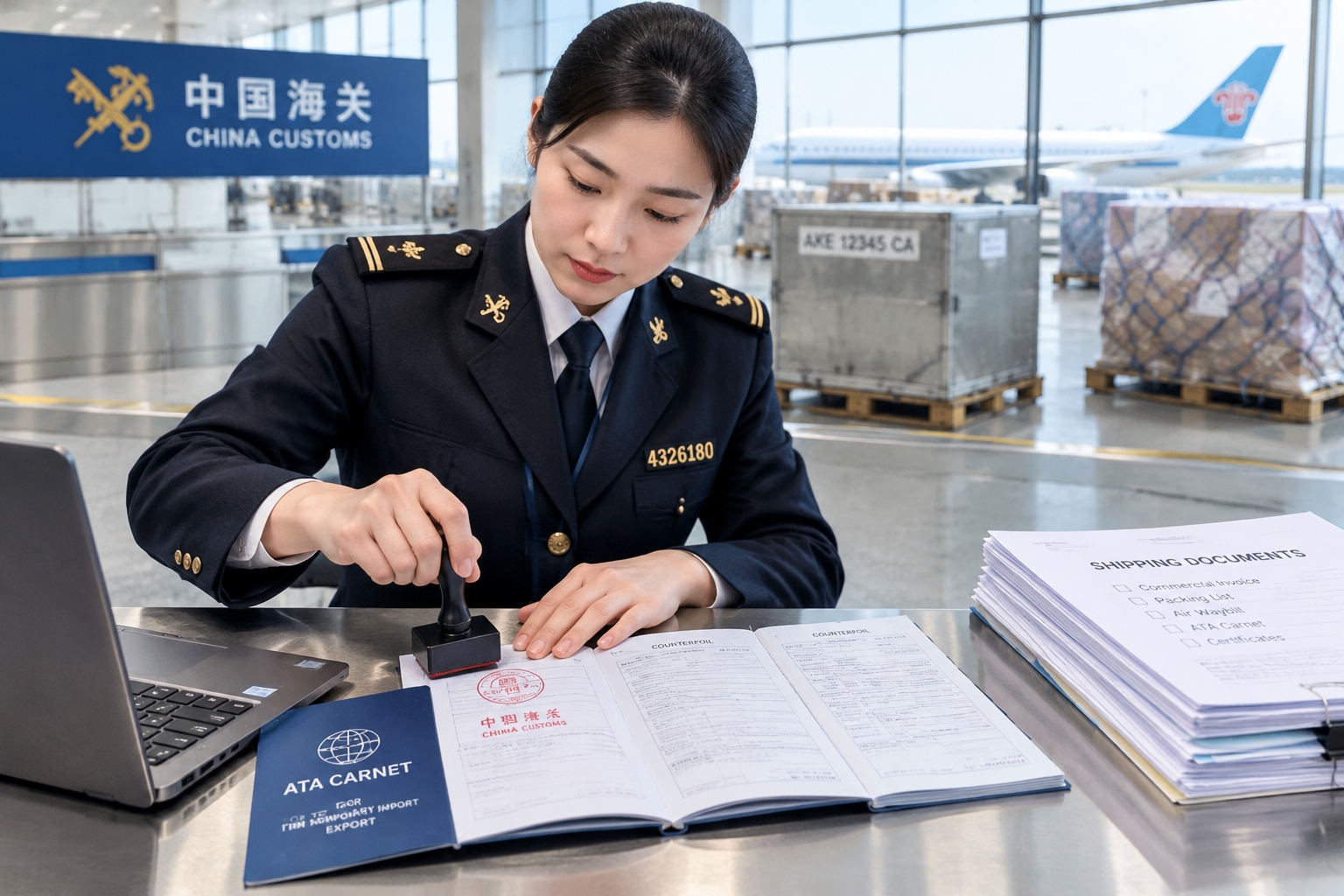
For a European or American exporter the practical consequence is simple: you deal with your own chamber, not with Chinese customs. Your chamber issues the carnet, collects a fee and a security, and plugs you into an international guarantee chain. When the machine lands in Shanghai, an officer stamps the booklet and the goods enter duty-free. No cash deposit at the border, and in most cases no customs broker strictly required.
Three details decide whether it goes smoothly.
The six-month clock starts at entry
Not when the fair opens, and not when the container is unpacked. Chinese customs gives you six months from the date of entry to re-export the goods. Miss that date and a routine procedure becomes a customs violation.
The goods list is the contract
Every item with a serial number should have that serial number on the carnet: tooling, control units, spare parts, cables, the laptop used for demonstrations, even the booth’s display screens. If something leaves China that was never listed, or something listed never leaves, the exit counter is where you find out.
Exhibitions dominate, though the categories are wider
Goods for fairs and exhibitions, professional equipment and commercial samples all fall inside the scheme. In reality the great majority of carnets used in China cover exhibition goods. Major entry points such as Beijing, Shanghai, Guangzhou and Shenzhen handle them routinely. At smaller ports, bring a Chinese translation of your goods list and allow extra time.
Route two: no carnet, and how the deposit is calculated
If your goods do not fit a carnet, you use the standard temporary import procedure: an ordinary customs declaration, plus a security equal to the taxes you would owe if the goods stayed. The arithmetic is the same one used for a permanent import.
- Import duty = CIF value multiplied by the tariff rate. China’s average most-favoured-nation tariff is around 7.4 per cent; machinery typically falls between 0 and 10 per cent.
- Import VAT = (CIF value + duty) multiplied by 13 per cent. The standard rate has been 13 per cent since April 2019; a short list of goods, mostly agricultural produce and printed material, sits at 9 per cent.
- Consumption tax applies to a narrow list: cars, alcohol, tobacco, cosmetics, refined oil, certain batteries and coatings.
A worked example. A German CNC machine with a CIF value of 800,000 euros, roughly 6.2 million yuan at recent rates, faces a 5 per cent duty, about 310,000 yuan. VAT at 13 per cent is charged on the sum of value and duty, so 13 per cent of 6.51 million yuan, or about 846,000 yuan. Total: roughly 1.16 million yuan, close to 150,000 euros. That is the cash deposit if you choose to post cash.
Most companies do not. Three alternatives are widely used. A bank guarantee, where your bank promises the money and charges an annual commission instead of tying up the principal. Tariff guarantee insurance, introduced by China’s customs administration in 2018, which works like an insurance policy for duty. And, most common at large fairs, the organiser’s blanket guarantee: the exhibition company posts one guarantee covering every exhibitor and charges each of them a small fee. At the Canton Fair and at the import expo in Shanghai, that is the default arrangement for smaller exhibitors.
Route three: extensions and the 30-day rule
Six months sounds generous until a machine is sold and the buyer asks for installation in month seven. Under Decree 157, temporary imports can be extended, with a hard ceiling: no more than three extensions, each up to six months. In theory that means 24 months in China. In practice customs wants a reason it can write down, such as a postponed fair, an ongoing installation or a sale still under negotiation.
The mechanics matter more than the theory. File at least 30 days before the deadline expires, with the customs office where the goods were declared. Approval goes up to the regional customs authority, so it is not an instant process. Turn up on day 179 with a form and you will spend the next two weeks learning how Chinese administrative penalties work.
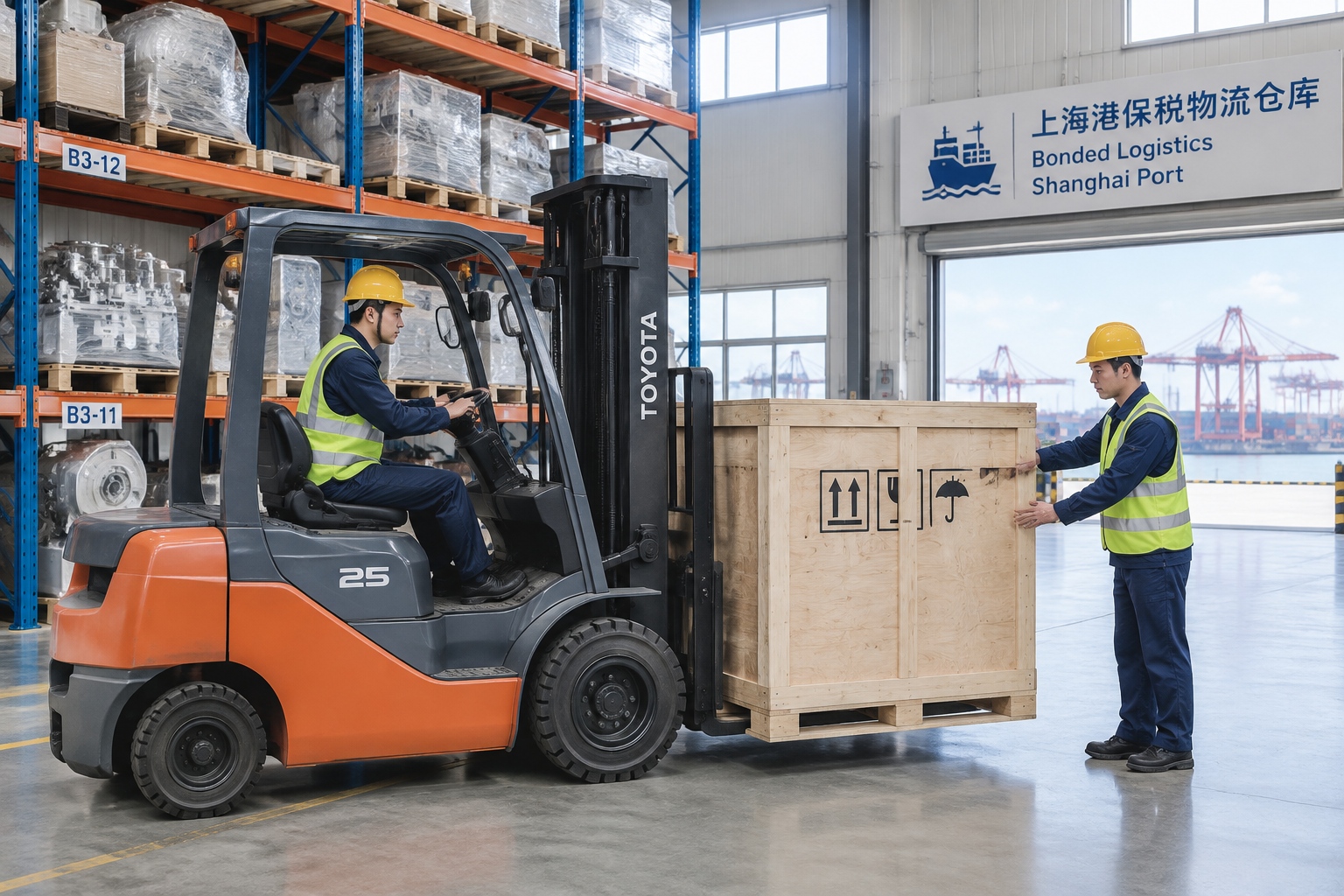
ATA carnet goods carry an extra constraint: the carnet itself is valid for one year from issuance. If the machine needs to stay longer, you cannot simply extend the paper. The options are to re-export and re-import on a new carnet, to move the goods into a bonded logistics zone where they sit outside customs territory while you negotiate, or to convert the shipment into a permanent import.
Route four: turning a temporary import into a real one
Selling the machine at the fair is often the whole point. When that happens, the goods are declared for formal import, duty and VAT are paid, and the deposit or guarantee is released or offset against the bill.
Three things catch people out. The goods must be in essentially the same condition as when they entered; you cannot have run them in production or modified them. Valuation is assessed on the actual condition of the equipment, and customs will generally accept depreciation for used machinery, but only if you can document it. And if the importer is a Chinese company registered as a general VAT taxpayer, the import VAT can normally be credited against its output VAT, which changes the real cost considerably.
For carnet goods, customs validates the carnet at conversion and the guaranteeing association is released once the taxes are cleared. What you must not do is leave the machine in a warehouse past the deadline and hope. That is how a routine customs procedure becomes a smuggling case.
A German grinding machine maker in Shanghai, by the numbers
Consider a mid-sized machine tool company from Baden-Wuerttemberg. It books 120 square metres at a Shanghai industry fair in November and ships a 12-tonne cylindrical grinder worth 800,000 euros CIF, plus 60,000 euros of tooling, spare control units and cables. That is 860,000 euros in total, about 6.6 million yuan.
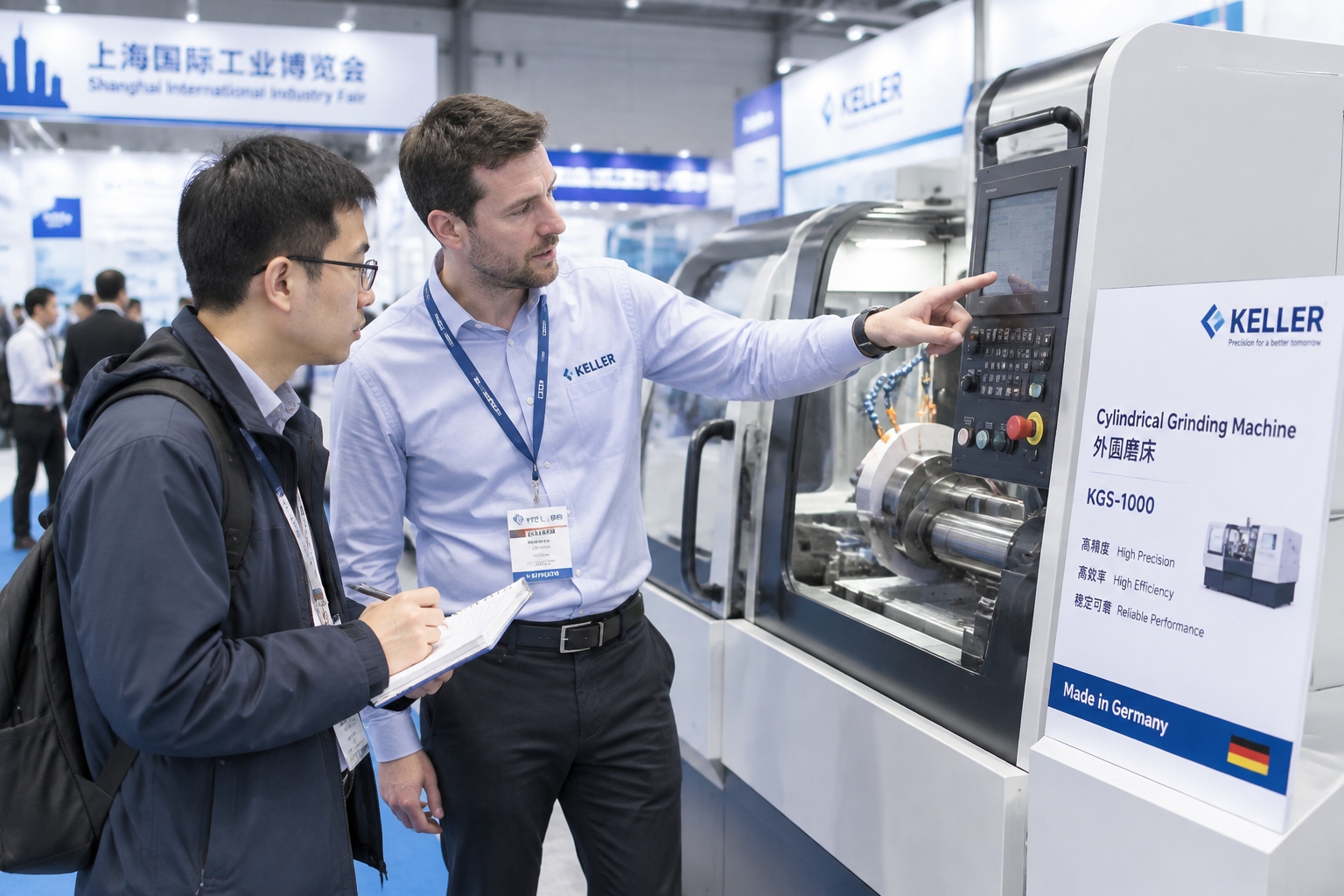
Carnet or deposit? For a twelve-day exhibition, the carnet wins on cash flow. The local chamber of commerce issues it in about ten working days; the company pays a chamber fee and arranges a bank guarantee, on which the bank charges an annual commission rather than requiring the money to sit idle. The alternative, posting roughly 1.24 million yuan in cash for several months, is money that earns nothing.
Spare parts are where discipline is tested. Every serial number goes on the list, and nothing stays behind. Handing a spare control board to a customer after the fair, off the books, is the most common way exhibitors turn a clean entry into an expensive exit interview.
Then the clock. The fair goes well, the machine sells, and the buyer wants it installed in March, beyond the six-month window. The company files for an extension 30 days before the deadline, pushing the re-export date to the following November. When the buyer’s payment is confirmed, the goods are converted to a formal import, duty and VAT are paid, and the guarantee is released.
Before you ship: the checklist that saves the week
- Decide between carnet and deposit before you book freight, not after.
- Match the goods list to serial numbers, and photograph every crate as it is packed.
- Confirm that your port of arrival routinely processes ATA carnets.
- Take nothing off the list, and leave nothing behind.
- Put two dates in the calendar: six months from entry, and 30 days before that.
- Budget the deposit as real cash, even though it is refundable.
Temporary import is one of those systems that works so quietly that hardly anyone writes about it. The rules are published, stable and followable. They simply have no patience for improvisation: a missing serial number, a late extension, a gift left with a customer. Get the paperwork right and a 12-tonne machine can be standing on a booth floor in Shanghai, duty-free, two weeks after it clears the port.
Start the discussion at forum.chinacomes.com