
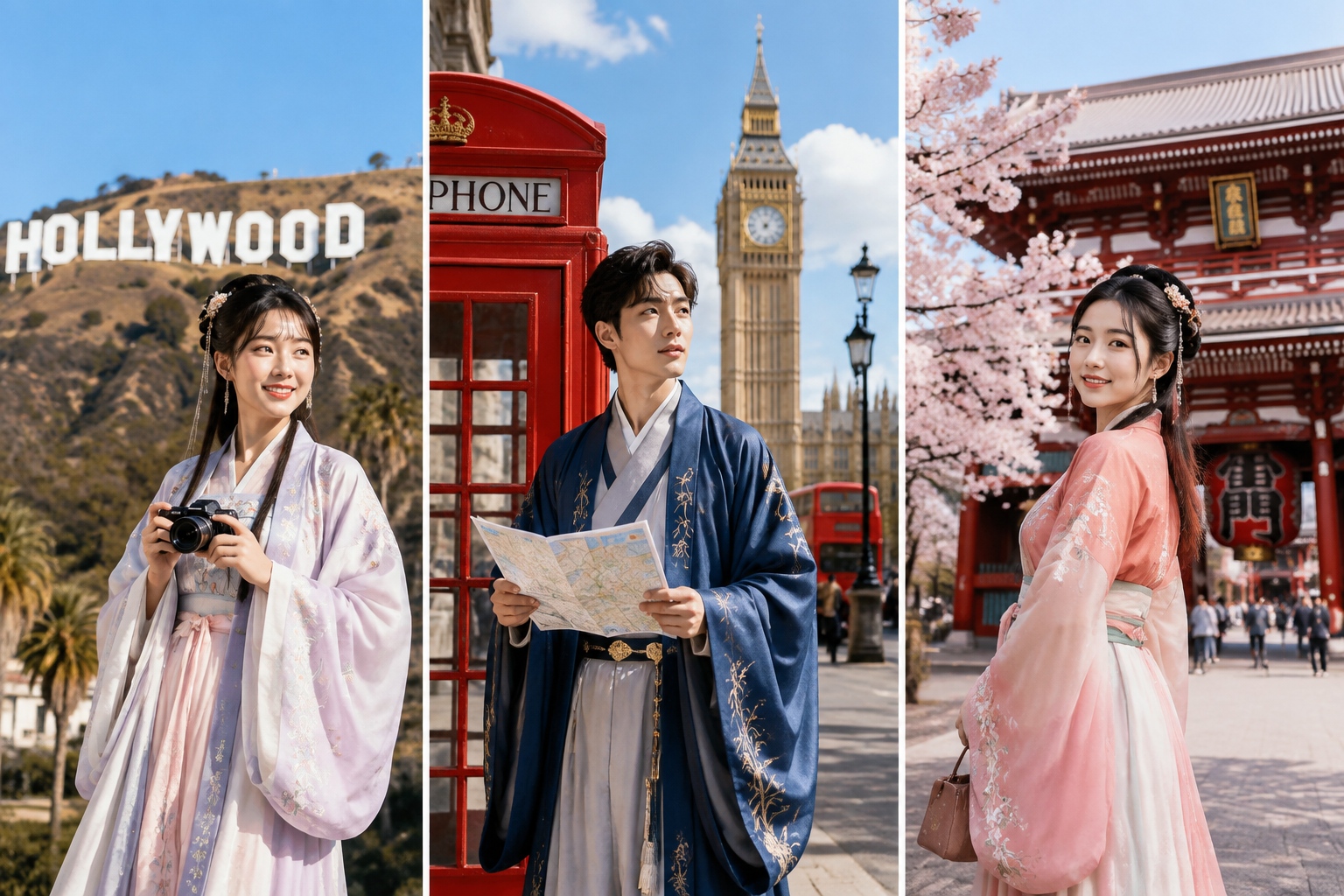

On a rainy Tuesday morning, I spotted a young woman in a flowing pink Hanfu — the traditional clothing of China’s Han ethnic majority — waiting for the Piccadilly Line in London. She was reading a book, her long sleeves brushing against the pages. No one seemed to notice. That moment, in a city famous for its eclectic fashion, made me realize that Hanfu has truly gone global. From Hollywood Boulevard to Tokyo’s Harajuku, people are wearing these ancient robes not as costumes, but as everyday fashion. Hanfu is no longer confined to Chinese parks or festival stages; it has become a global streetwear phenomenon.
The Hanfu Boom: From Niche to Global Trend
Hanfu, which literally means “Han clothing,” refers to the traditional dress worn by the Han Chinese before the Qing dynasty. It features flowing robes, wide sleeves, and intricate layers, often with a sash or belt. For centuries, it was worn only in historical reenactments or by opera performers. But in the last decade, a grassroots revival in China has brought Hanfu out of museums and into the streets. Young Chinese are embracing it as a symbol of cultural pride and aesthetic expression. Now, this revival has crossed borders. Hanfu clubs have appeared in major cities worldwide, and social media platforms like Instagram and TikTok are flooded with photos of non-Chinese and Chinese diaspora wearing Hanfu in Western settings. The global Hanfu map is expanding, and each city has its own unique story.
Los Angeles: Where Hollywood Meets Hanfu
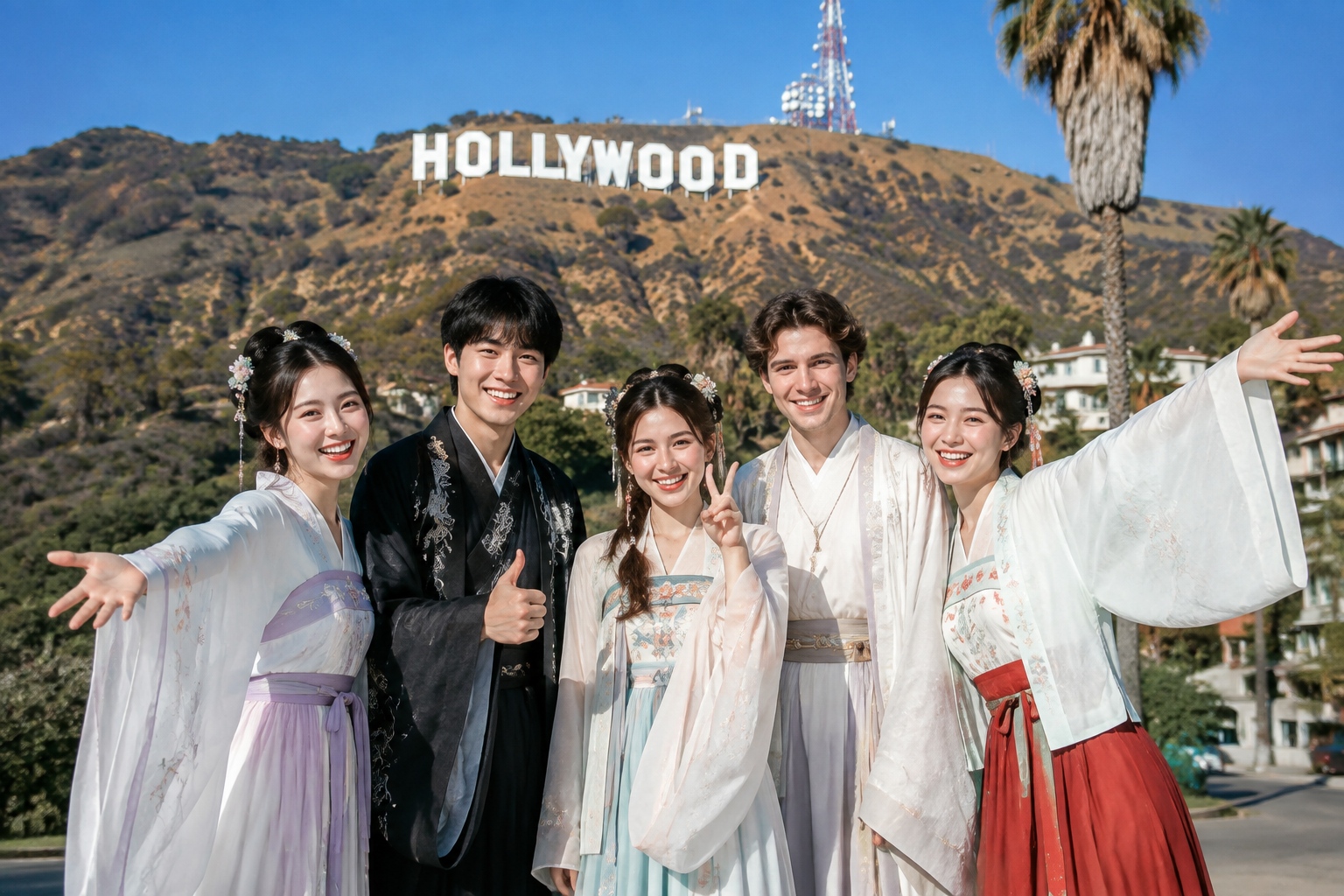
In Los Angeles, Hanfu has found an unlikely stage: the entertainment capital. On any given weekend, you might see a group of friends dressed in elaborate Hanfu posing in front of the Hollywood Sign or strolling along Santa Monica Pier. The city’s diverse fashion scene makes it a natural fit. “In LA, you can wear anything,” says Mei, a 24-year-old graduate student who started a Hanfu meetup group. “People here are used to seeing cosplayers and festival attire, so wearing Hanfu feels like part of the vibrant mix.” LA’s Hanfu community often collaborates with local photographers to create stunning portrait sessions. Some have even appeared in music videos and independent films. The city’s proximity to the Pacific also means a large Chinese-American population, giving Hanfu an authentic touch. For many, it’s a way to reconnect with their heritage while embracing LA’s celebratory vibe.
London: Tradition Meets British Eccentricity
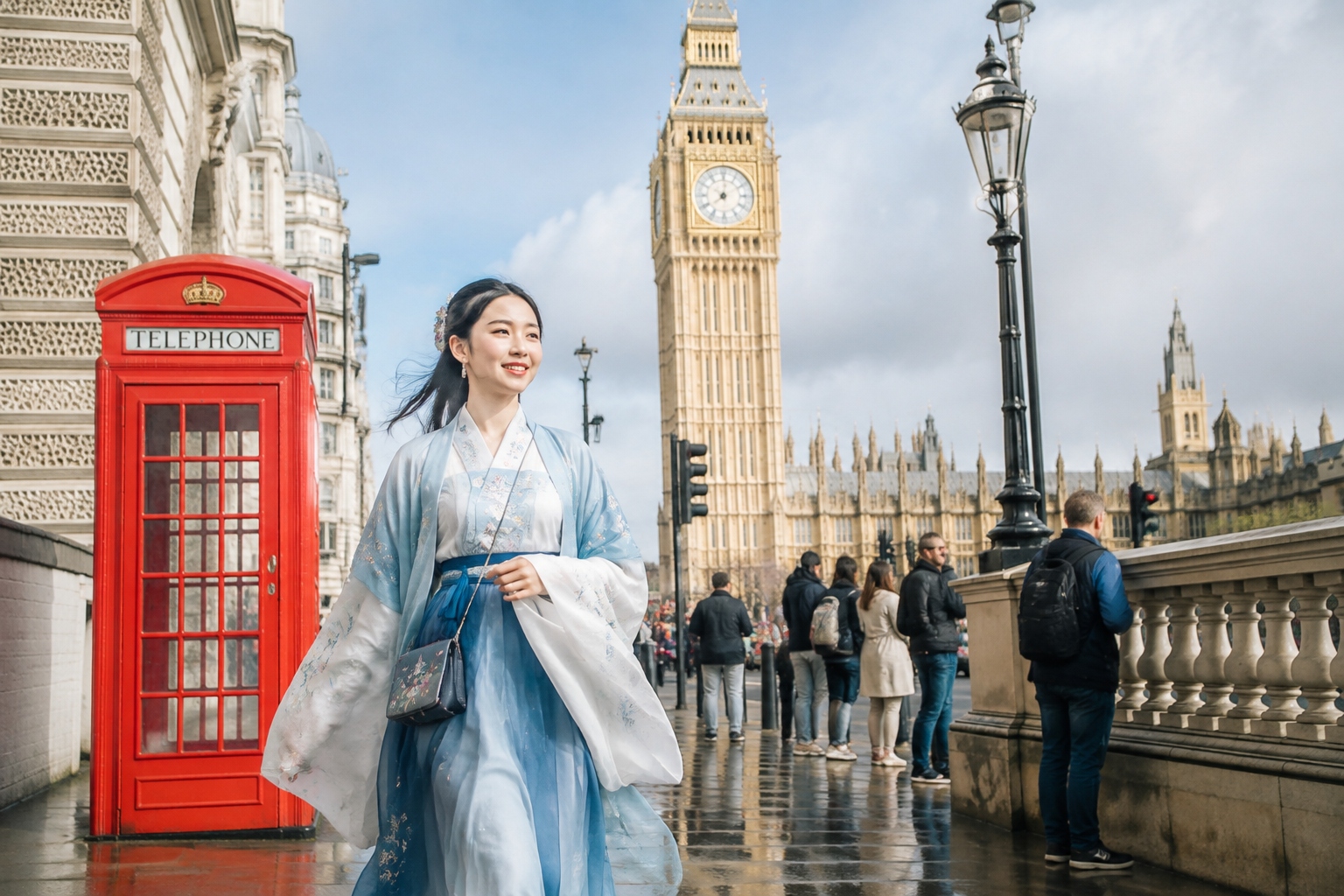
London, with its history of embracing quirky fashion, has also welcomed Hanfu. From the streets of Camden Market to the serene paths of Hyde Park, Hanfu wearers are becoming a familiar sight. Unlike LA, where Hanfu is often worn for special occasions, Londoners tend to treat it more casually. “I wore my Hanfu to the museum, to the grocery store, even to a pub,” says Emma, a British Hanfu enthusiast who discovered the style through a Chinese friend. “The best part is the conversations it starts. People ask me about the history, the fabric, the meaning.” London’s multicultural environment means that Hanfu is often seen alongside traditional English attire, creating a fascinating visual blend. During seasonal festivals like the London Chinese New Year parade, Hanfu takes center stage. But it’s the everyday sightings that show how deeply the trend has integrated into the city’s fabric.
Tokyo: A Symbiotic Cultural Exchange
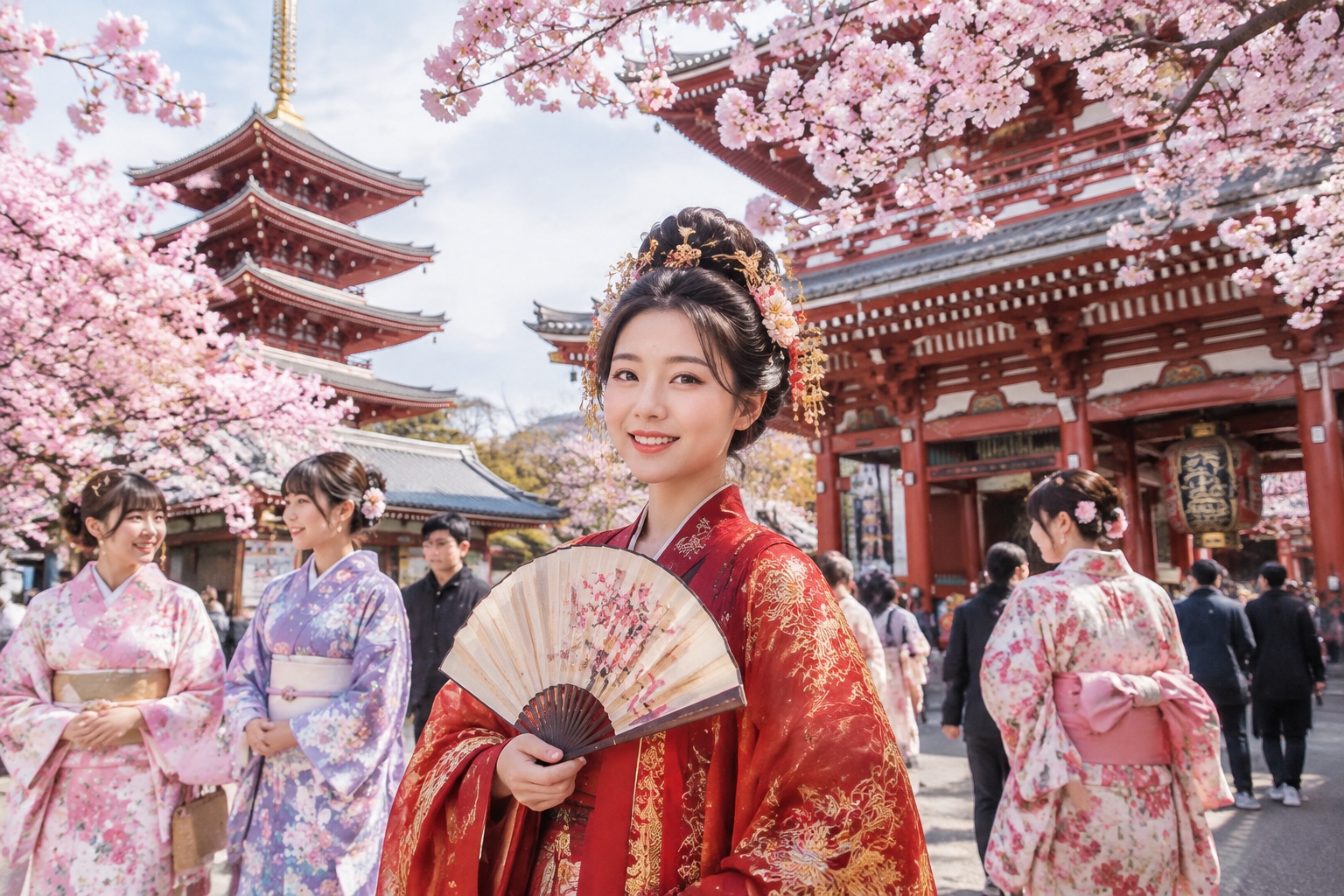
Tokyo offers a unique perspective on Hanfu’s global rise. Japan has its own traditional clothing—kimono and yukata—which are still worn today, especially during festivals. For many Tokyoites, Hanfu feels both familiar and exotic. “When I first saw Hanfu, I thought it was similar to kimono but more flowing and colorful,” says Yuki, a Japanese fashion blogger who has tried both. “Wearing Hanfu in Tokyo feels like wearing a piece of history from our neighbor.” Japan’s strong interest in Chinese history and culture, partly driven by anime and games, has created a ready audience. Hanfu events in Tokyo often attract both Chinese residents and Japanese locals curious to learn more. The two styles sometimes merge—fashion designers have created hybrid garments that combine the Hanfu silhouette with kimono patterns. This cross-cultural pollination highlights how Hanfu is not just surviving abroad, but thriving in dialogue with other traditions.
Why Hanfu? Understanding the Global Appeal
Why are people in LA, London, and Tokyo—all with their own rich fashion histories—choosing to wear Hanfu? The answer lies in several factors. First, Hanfu is visually striking. Its flowing lines and vibrant colors stand out in any crowd, offering a sense of elegance that modern fashion often lacks. Second, it provides a connection to history. In an age of fast fashion and disposable trends, wearing a garment with centuries of heritage feels meaningful. Third, it’s a statement of cultural appreciation and, for many Chinese diaspora, cultural identity. Hanfu allows them to feel proud of their roots in a globalized world. But unlike wearing a costume, Hanfu wearers are often passionate about the details—the correct way to tie the sash, the historical accuracy of the pattern. This authenticity resonates with audiences who are tired of superficial cultural appropriation.
Wearing Hanfu Abroad: Everyday Realities and Challenges
Of course, wearing Hanfu outside China is not always a smooth experience. Practical challenges include the amount of fabric—Hanfu can be heavy and warm, making summer wear uncomfortable. The complexity of putting it on requires practice. And there are occasional misunderstandings. Some might mistake it for a kimono or a Halloween costume. In Tokyo, where kimono culture is strong, some locals might wonder if Hanfu is a new Japanese style. In Western cities, people sometimes ask if it’s from a movie. But most wearers brush off these confusions with humor. They see it as an opportunity to educate. By explaining the differences between Hanfu and kimono, or sharing the story behind the garment, they turn an awkward moment into a cultural exchange. Social media has also helped normalize Hanfu. When photos of Hanfu on the streets of Paris or New York go viral, they inspire others to give it a try.
The Future of the Global Hanfu Movement
The global Hanfu map is ever-expanding. From Sydney to Sao Paulo, Toronto to Berlin, Hanfu communities are growing. What started as a Chinese revival has become a worldwide movement, a testament to the power of fashion as a language that transcends borders. As one LA Hanfu enthusiast put it: “We’re not just wearing clothes; we’re weaving a bridge between cultures.” Whether it’s a quiet afternoon in London or a vibrant festival in LA, Hanfu wearers are making a statement: tradition can be modern, and beauty is timeless.
Start the discussion at forum.chinacomes.com