

The Night the Lights Stayed On
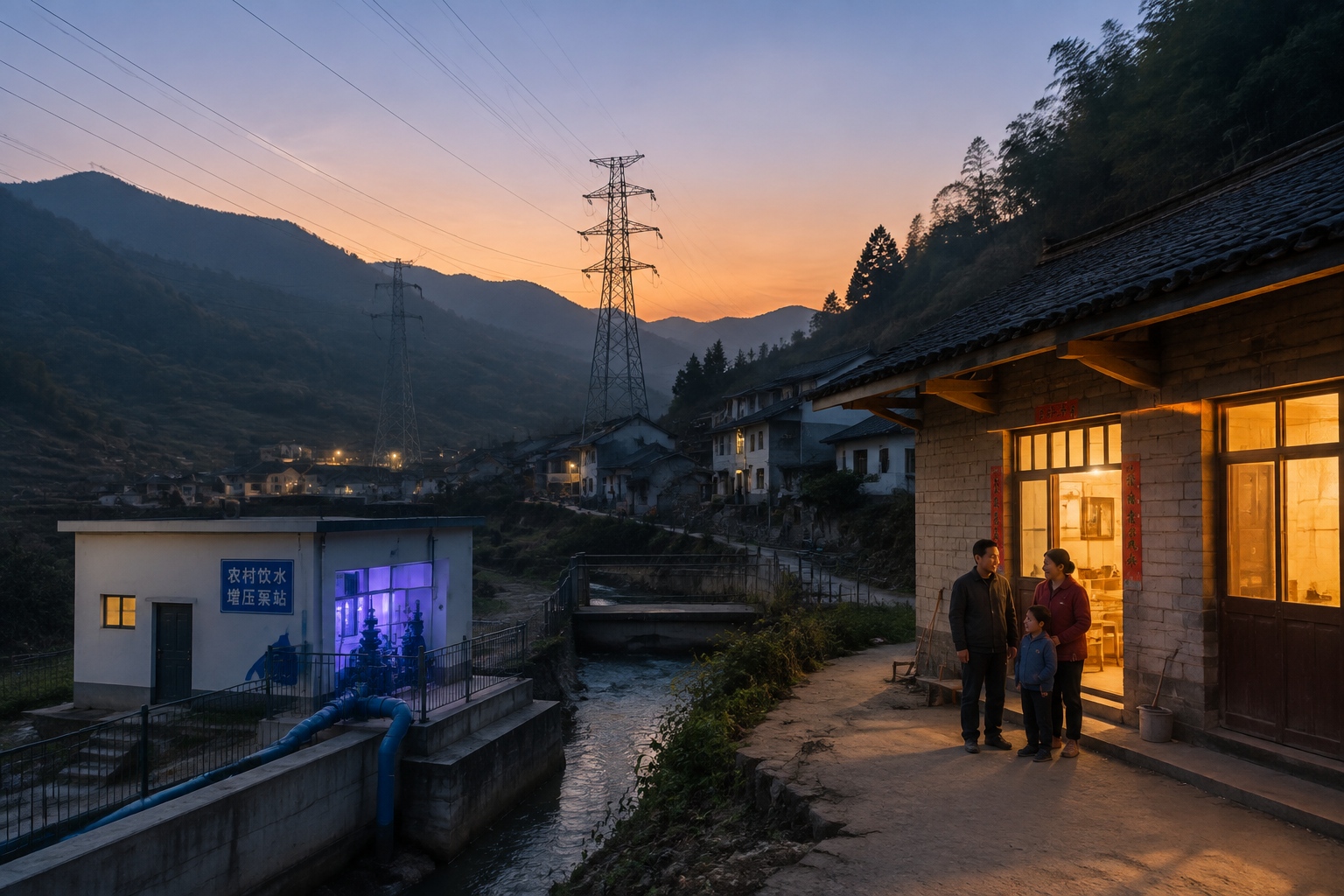
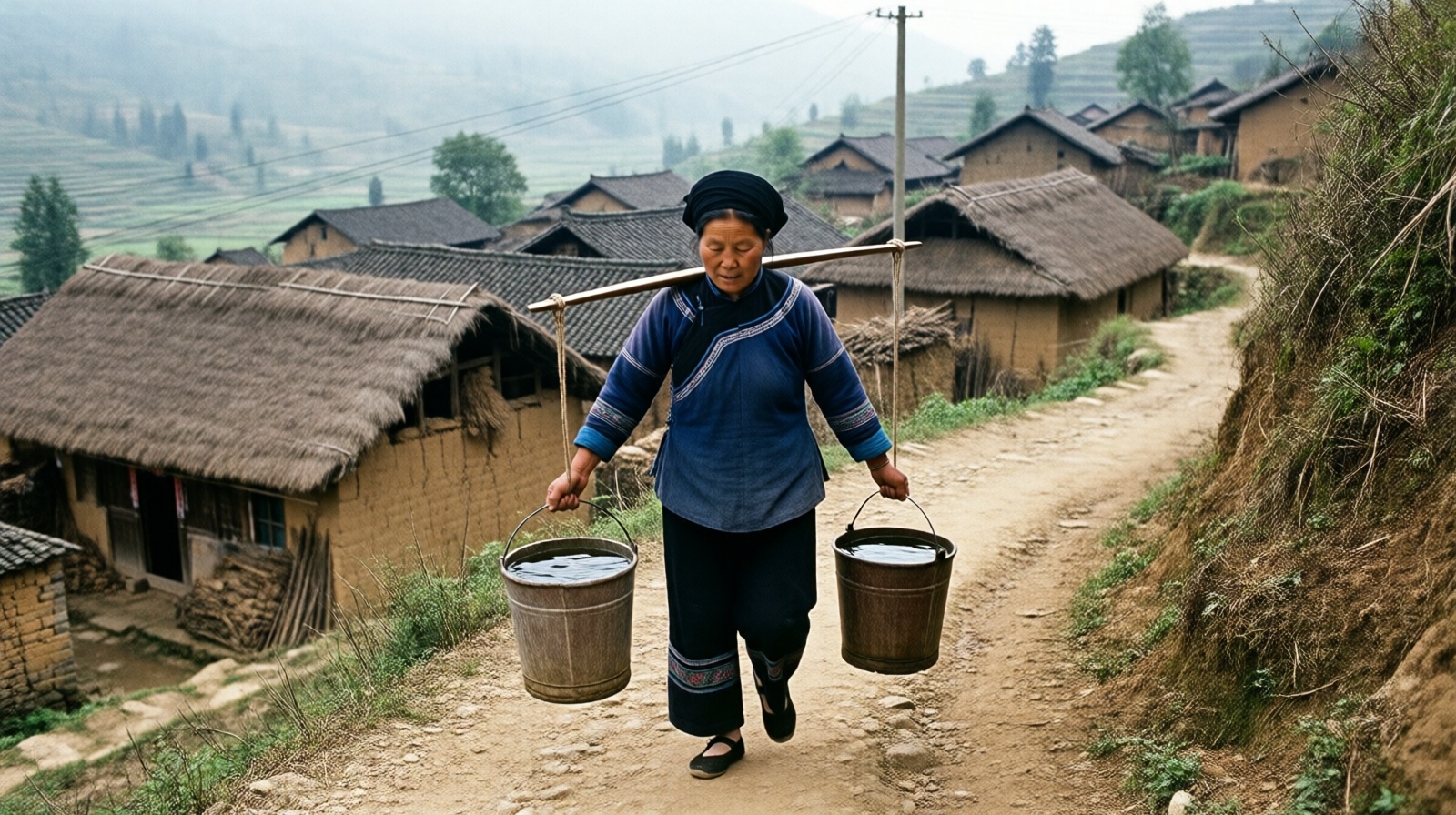
In a small village tucked into the mountains of Yunnan, a retired teacher named Chen Guangming still remembers the year 2015 as the moment his world changed. Before that, every evening after sunset meant lighting a kerosene lamp, its faint glow barely enough to read by. The village water came from a single well at the bottom of a hill, and carrying two buckets up the steep path was a daily chore that left his shoulders aching. Then, in the summer of 2015, workers from the State Grid arrived with trucks full of cables and poles. Within months, every household was connected to the provincial power grid. A new water pump station was built nearby, piping clean water directly into homes. “The first time I turned on the tap and water came out, I just stood there watching it,” Chen says. “It felt like a miracle.”
Before the Grid: Life Without the Basics
Chen’s story is not unique. As recently as the early 2000s, hundreds of millions of people in rural China lived without reliable electricity or piped water. In many villages, the only source of water was a distant river or a shared well, and women often spent three to four hours a day carrying water. Electricity, when available, was erratic: voltage fluctuated wildly, bulbs flickered, and appliances would shut down unpredictably. Refrigerators were useless, and phone charging was a gamble. The lack of basic infrastructure wasn’t just an inconvenience—it locked families into a cycle of poverty, limiting access to education, health care, and economic opportunity. Children studied by candlelight. Medical clinics couldn’t store vaccines. Small businesses couldn’t run machines.
The Quietest Construction Boom in History
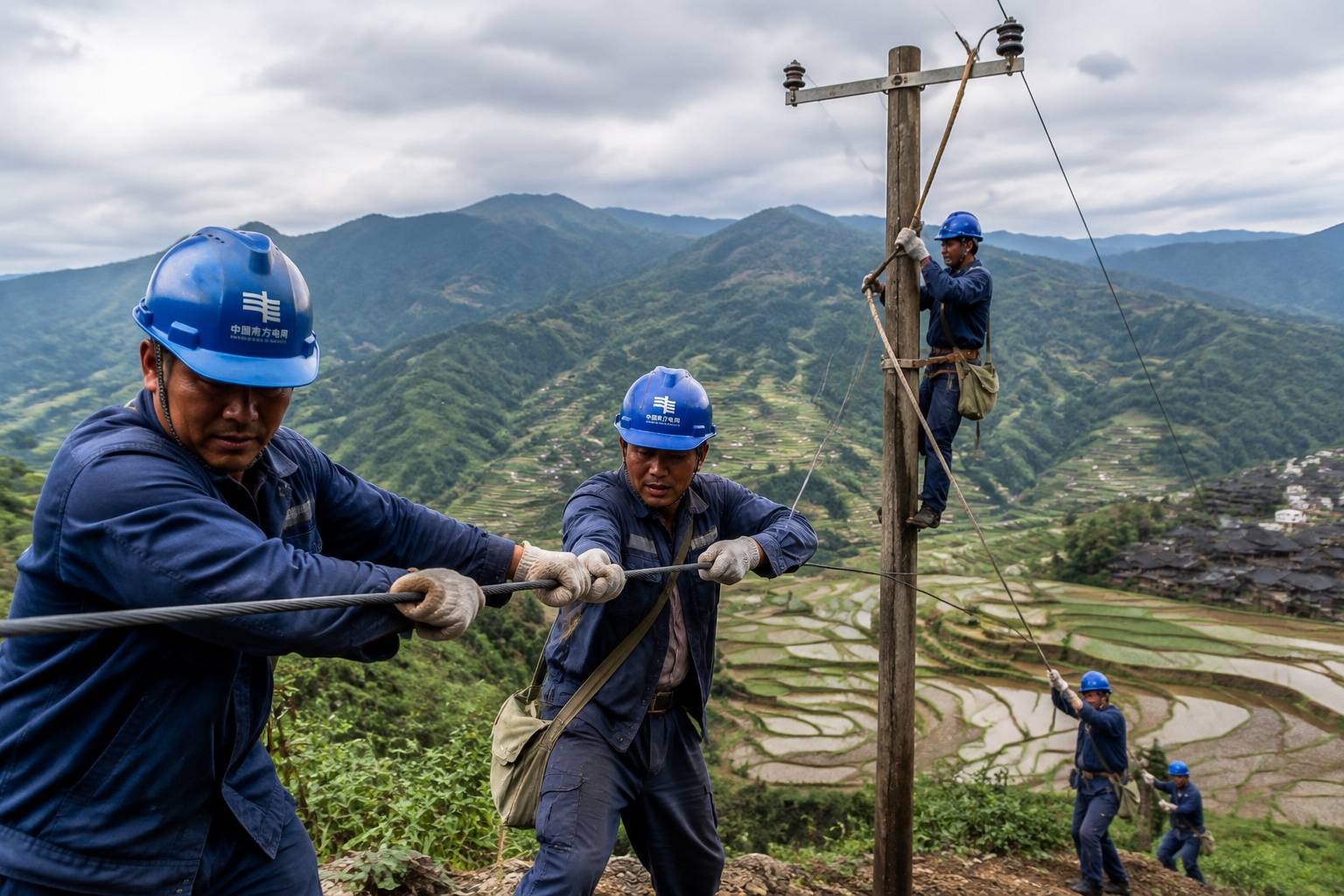
Starting in the mid-2000s, China launched one of the largest infrastructure campaigns the world has ever seen. The State Grid Corporation of China, now the world’s largest utility, extended transmission lines across mountains, deserts, and rivers. By 2020, the national electrification rate had reached 99.9%—a number that includes even the most remote hamlets. The rural drinking water safety program, run by the Ministry of Water Resources, drilled wells, built purification plants, and laid pipes to cover over 600 million rural residents. These projects were not flashy dams or skyscrapers; they were miles of buried pipe, transformers on concrete poles, and small pumping stations that most urban dwellers never notice. But for people like Chen, they were the difference between a life of scarcity and one of possibility.
Local construction teams often worked in harsh conditions. In Guizhou, crews carried steel poles on their shoulders up muddy slopes because roads couldn’t reach the villages. In Tibet, engineers had to drill through permafrost to lay water pipes. The scale of labor and coordination is staggering—over 10 million kilometers of power lines were added in two decades, enough to circle the Earth 250 times. Yet the work was done with little fanfare. “We didn’t feel like heroes,” one retired electrician from Sichuan told me. “We just knew that if a family didn’t have lights, our job wasn’t done.”
What Water and Electricity Unlock
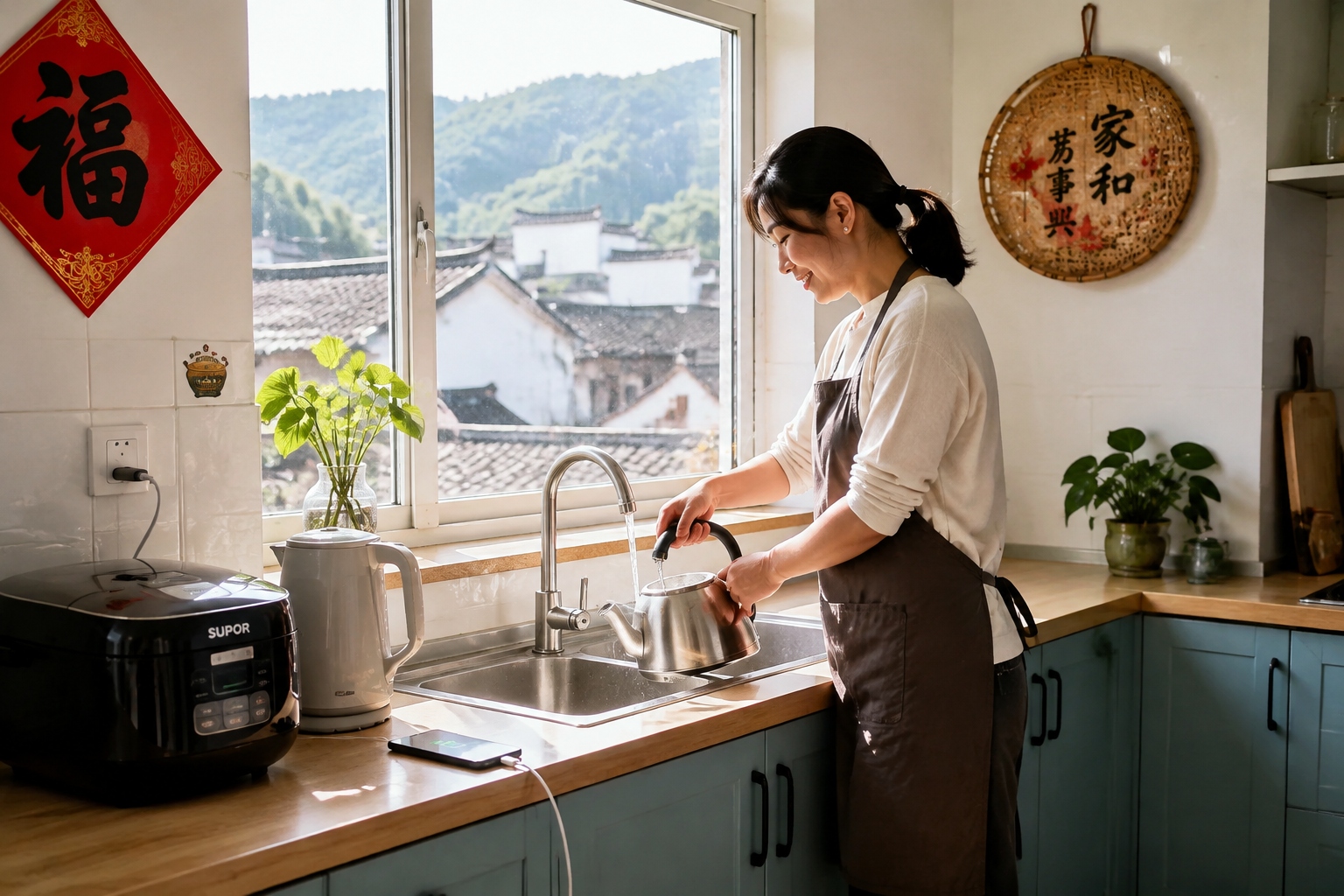
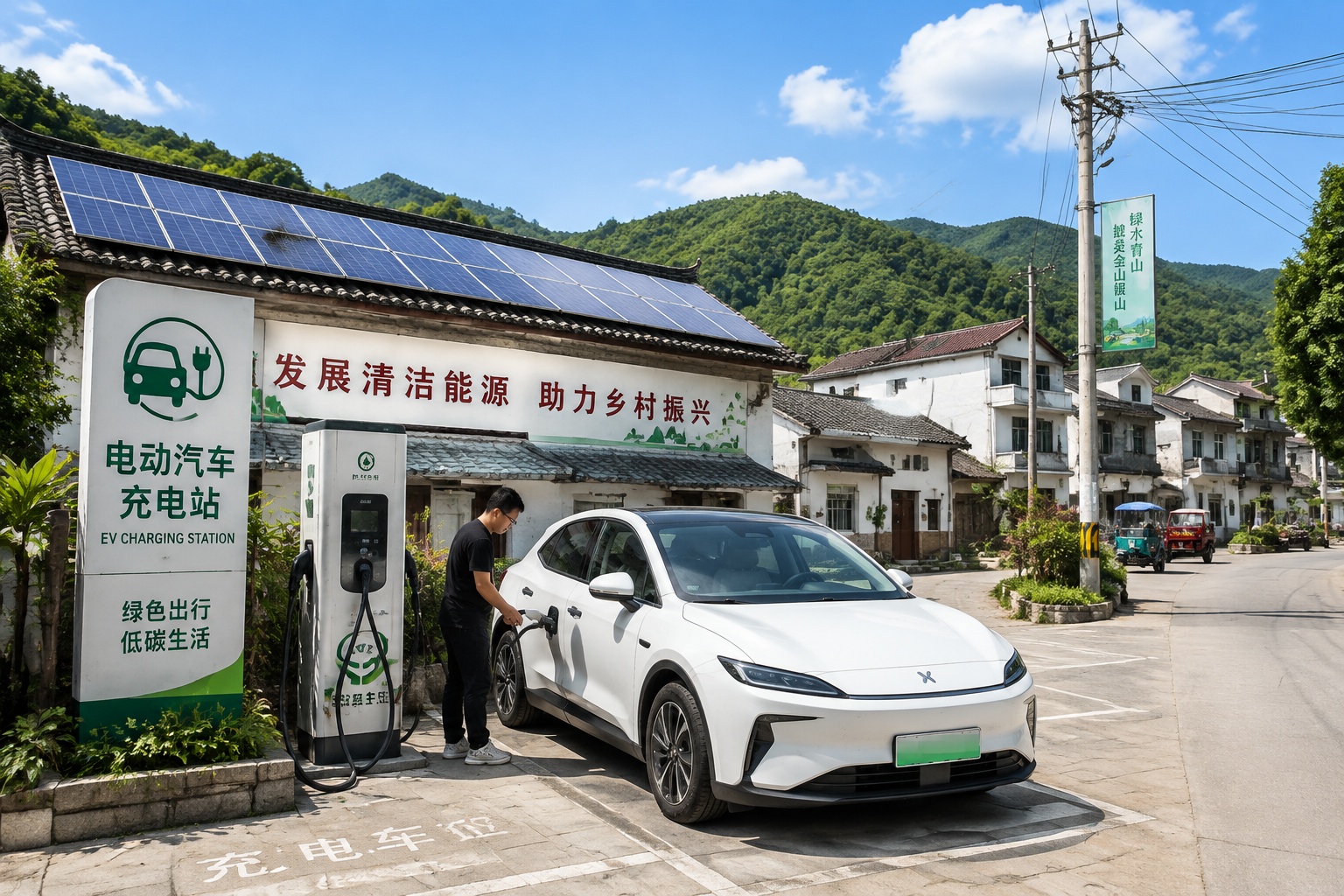
Once the infrastructure arrives, ordinary life transforms in ways that are easy to overlook. In Chen’s village, children now do homework under LED bulbs, and the local clinic can keep vaccines cold. The ability to charge a smartphone means farmers can check weather forecasts, market prices, and even sell produce online. The internet, which requires stable electricity, has opened up e-commerce: a village cooperative in Yunnan now sells dried mushrooms to customers in Shanghai and Beijing. Air conditioning, once a luxury only for the wealthy, has become common even in humble homes, protecting elderly people from heatstroke during summer heat waves. Electric water pumps have replaced the daily burden of carrying buckets, giving women more time to work or study. And as electric vehicles spread, charging stations are appearing in county towns, connecting rural areas to the clean-energy transition.
Beyond the practical, there is a psychological shift. “When you have water and electricity, you feel like you belong to the same country as people in the city,” Chen says. “You are no longer left behind.” A 2019 study by the China Academy of Social Sciences found that access to reliable electricity significantly improved rural residents’ sense of well-being and reduced their willingness to migrate to cities—suggesting that infrastructure can anchor communities.
From ‘Having’ to ‘Having Well’
Despite the impressive progress, the revolution is not complete. In some remote areas, power outages still occur during storms, and water quality can be inconsistent. A 2022 audit by the National Audit Office found that about 2% of rural drinking water projects had failed to meet safety standards, often due to poor maintenance or seasonal shortages. The next challenge is moving from “coverage” to “quality”: ensuring that water is not only available but clean enough to drink, and that electricity is stable enough to support modern appliances and home businesses. The government has acknowledged this, launching a new phase of rural infrastructure upgrade in 2023, focusing on smart meters, digital monitoring, and grid resilience. In places like Chen’s village, the local water station now uses IoT sensors to detect leaks and automatically adjust pressure. “It’s still a work in progress,” Chen says. “But when I look back at how far we’ve come, I’m amazed.”
More Than Pipes and Wires
The hidden revolution of water and power is not just about engineering. It is about dignity, opportunity, and the slow rebuilding of trust between a government and its people. For decades, many rural communities felt ignored by the rapid modernization of cities. The extension of basic services has been one of the most tangible ways the state has shown its commitment to “common prosperity.” It has also reshaped daily life in ways that are hard to quantify: the taste of boiled water that no longer carries sediment, the quiet hum of a refrigerator at night, the ability to call a doctor without walking to the nearest town. These are the small, invisible victories that define a new kind of Chinese home.
As Chen Guangming puts it, “We don’t think about electricity or water anymore. They are just there. That’s the real miracle.”
Start the discussion at forum.chinacomes.com