
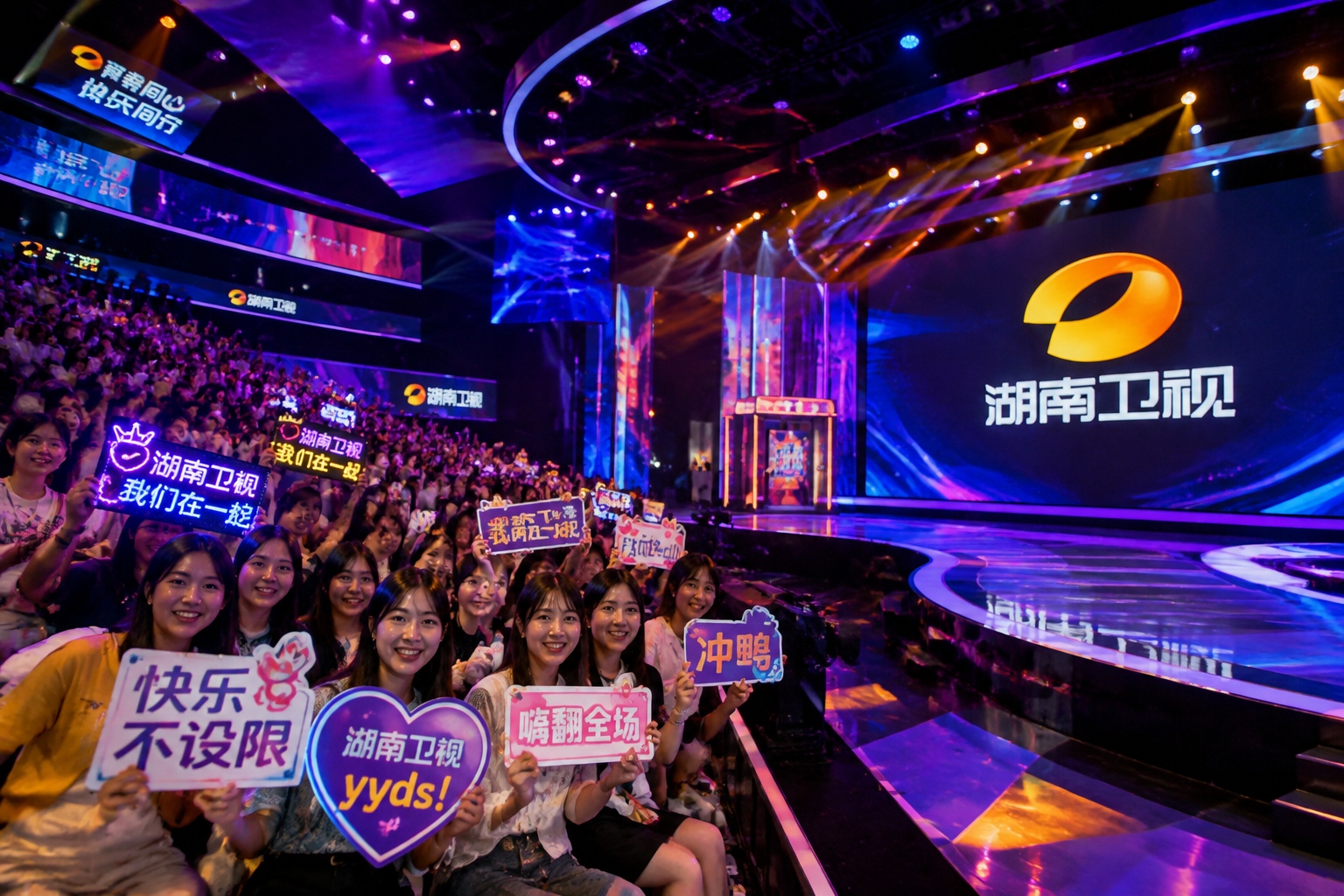

An Ordinary Night in a Chinese Living Room
It’s a Tuesday evening in Changsha, the capital of central China’s Hunan province. A family is having dinner, and the TV is on—no one is actively watching. Then a familiar theme song plays, and the youngest sibling quickly grabs the remote. It’s the new episode of a variety show on Hunan Satellite TV, affectionately known as “Mango TV” because its logo looks like a stylized mango.
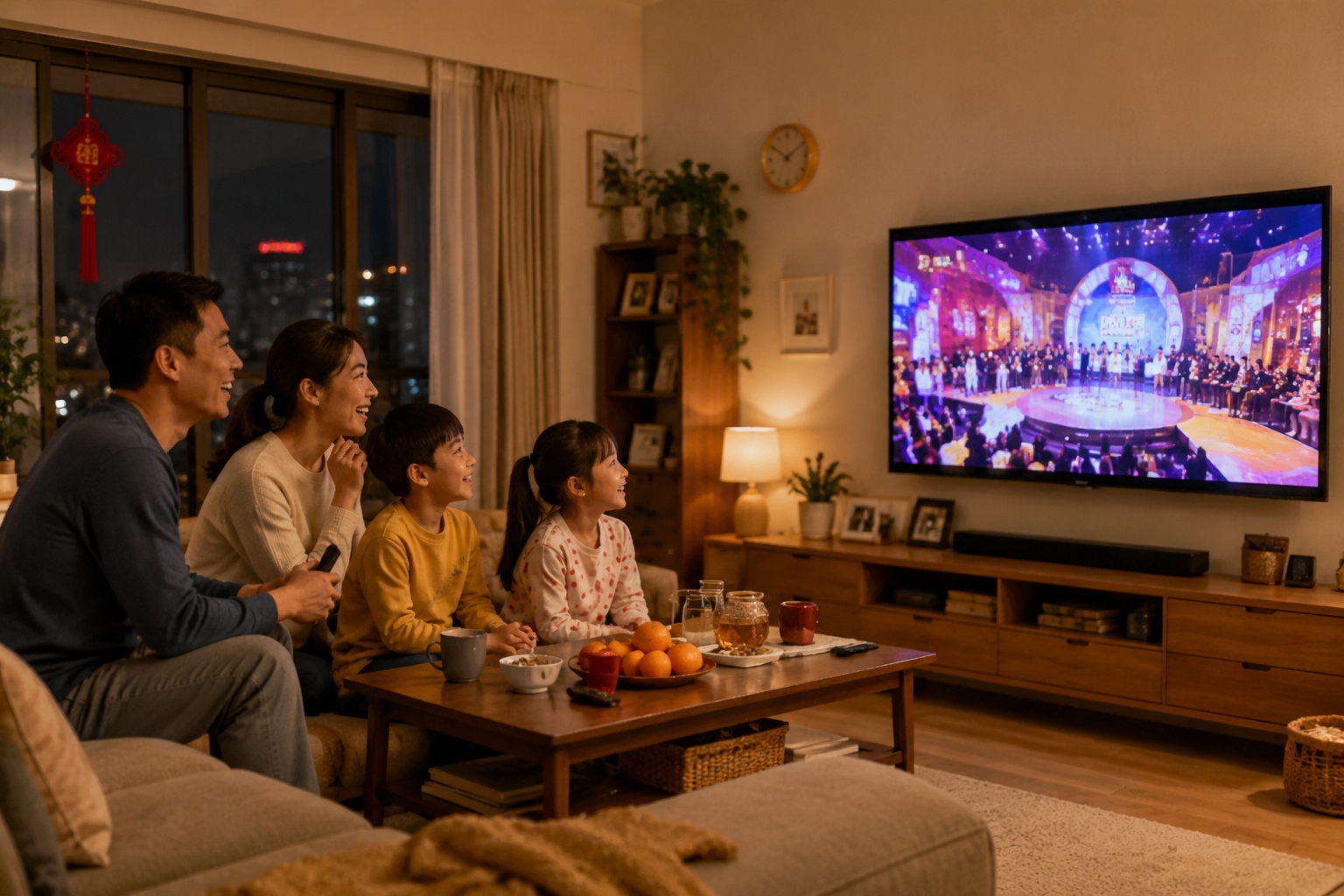
This scene plays out in millions of homes across China. Hunan TV isn’t a state mouthpiece, nor is it a niche cable channel. It’s the entertainment partner of Chinese youth—the channel that taught them to vote by text message, that made them laugh and cry with celebrity survival shows, and that still manages to lure them away from short-video apps every weekend.
Not the Official Voice, but the Fun Uncle
To understand Hunan TV’s appeal, you have to remember what Chinese television was like in the 1990s. Most channels were stern, educational, or simply boring. Hunan TV took a different path: it copied the playful formats of Hong Kong and Japanese variety shows, hired energetic young hosts, and made it clear that entertainment was its only mission.
This positioning is crucial. While CCTV speaks the language of policy and national pride, Hunan TV speaks the language of feelings, jokes, and idols. It’s like the fun uncle at a family gathering: not the one who gives lectures, but the one who brings snacks and tells good stories.
From Super Girl to Slow TV: A Content Strategy That Evolves
Hunan TV’s big bang came in 2004 with “Super Girl”, a reality singing competition for women. It wasn’t just a show; it was a cultural event. For the first time, Chinese audiences could vote for contestants by sending text messages from their phones. Millions did. The show’s finale in 2005 attracted more than 400 million viewers—an audience bigger than the entire population of the United States.
But Hunan TV knows that youth culture changes fast. After the era of loud selections and tearful eliminations, they introduced a very different genre in 2017: “Back to Field” (向住的生活), a slow TV show where celebrities cook, chat, and live in a countryside house. No competition, no drama. Just warmth. It hit the mood of a generation tired of 996 work culture and eager for a simpler life.
Today, the channel mixes both formulas. It has “Singer” for music lovers, “Go Fighting!” for laughter, and a long string of reality shows that pair idols with everyday tasks. The key is emotional resonance: whether it’s the joy of watching a nobody become a star or the comfort of watching celebrities become normal people, Hunan TV designs its content to make you feel something.
Making You Part of the Show
Hunan TV was the first Chinese channel to treat the audience as participants, not just viewers. The text-message voting of Super Girl was revolutionary in 2004. Later, they embraced social media. Hashtags from their shows frequently trend on Weibo, and clips are cut short for Douyin. The show doesn’t end at 10 PM; it lives on in memes, reaction videos, and fan edits.
Their digital team is fast. When a funny moment happens, a clip appears on Weibo within minutes. When a new episode airs, fans discuss it on the show’s official forum or in WeChat groups. This “second-screen” experience makes the channel feel like a friend you can talk about, not just watch.
Building Idols and Fan Culture
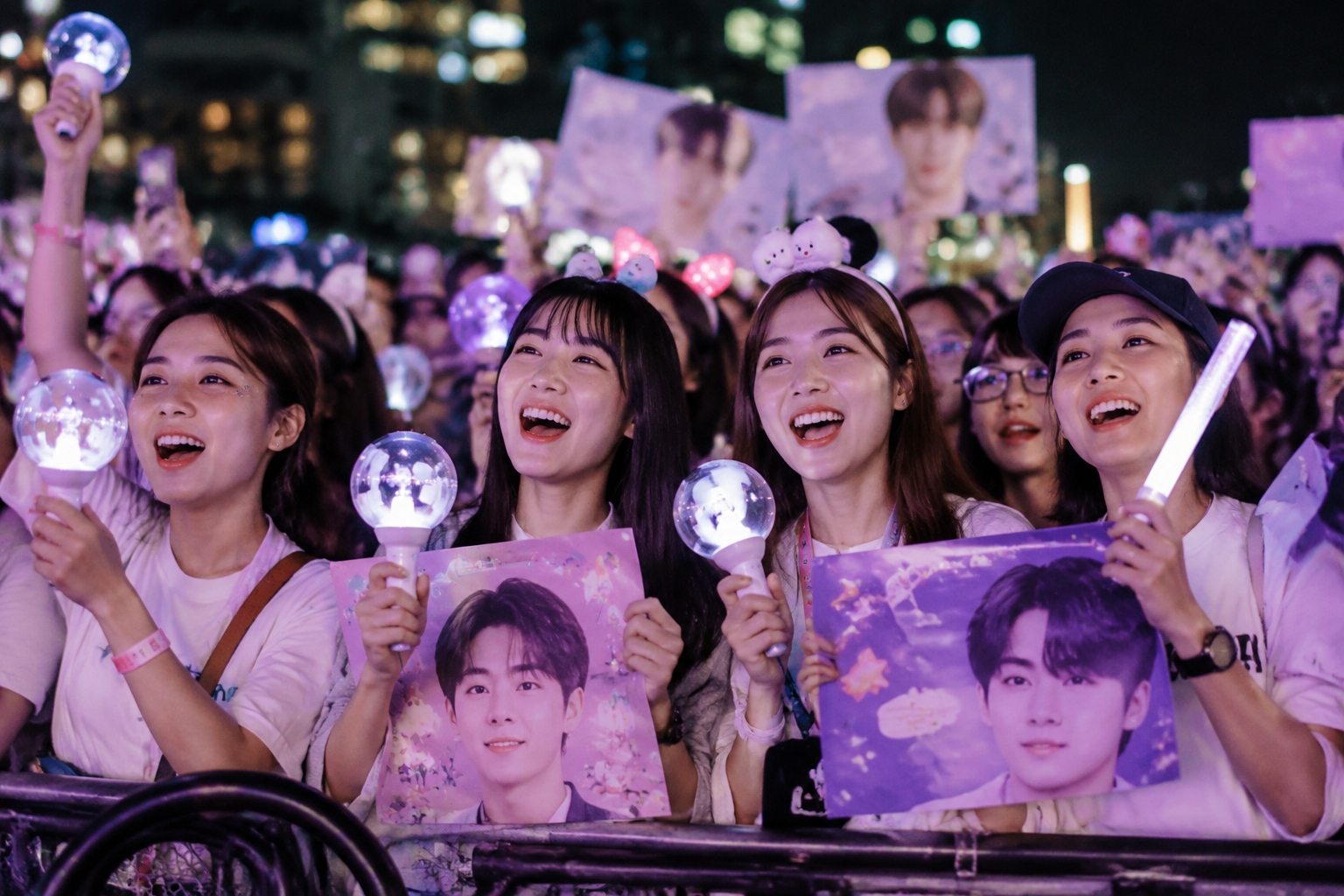
Hunan TV is also a factory for Chinese pop culture. It launched or boosted the careers of many of China’s biggest stars: from Li Yuchun, the androgynous winner of Super Girl, to the comedic actor Shen Teng, who made his name on Hunan TV’s Spring Festival Gala. More recently, the channel’s variety shows have become a stage for emerging idols from boy bands and girl groups—many of whom owe their fame to appearing on Mango shows.
This creates a self-feeding cycle. Fans who love an idol will watch the shows to see more of them. They’ll buy products advertised during those shows. They’ll stream the videos online and increase the show’s numbers. Hunan TV is not just a broadcaster; it’s an ecosystem.
The Business of Dreams
So how does all this make money? In a word: advertising and integrated marketing. Because young viewers trust Hunan TV to pick exciting content, brands want to be associated with it. A common scene in Chinese cities is to see a popular milk tea brand or a snack company partnering with a Hunan TV show. The show’s hosts will casually drink that branded milk tea during the episode—a style of placement that feels natural, not forced.
The channel also runs its own streaming platform, Mango TV, which sells memberships and airs exclusive content. In 2023, Mango TV had over 60 million paying subscribers, making it one of the few profitable video platforms in China. They integrated e-commerce too: when a celebrity wears a jacket on a show, a “same style” link appears on the shopping app Taobao within hours.
It’s a smart loop: content creates desire, desire triggers purchase, and the revenue funds more content.
Mango vs. the World
Western readers might compare Hunan TV to American channels like MTV or E! Entertainment, but the differences are important. In the US, many reality shows focus on conflict and drama. On Chinese TV—especially Hunan TV—there is an unwritten rule: don’t be too mean to the contestants. The culture values harmony, so even the most competitive shows end with hugs and tears, not angry arguments. That doesn’t mean it’s boring; it just has a different flavor.
Compared to South Korea’s variety shows, which are often highly scripted and edited with silly subtitles, Hunan TV’s formats are more sentimental. They cater to a Chinese audience that wants both laughs and emotional warmth.
And unlike Japanese TV, which can be absurdly chaotic, Hunan TV’s shows usually have a positive, wholesome message—often about friendship, hard work, or family.
Facing the Short-Video Tsunami
But let’s be honest: no TV channel has it easy these days. Douyin (the Chinese TikTok) and Bilibili are stealing young viewers. The average Chinese young person spends more than two hours a day on short videos. Why watch a one-hour show when you can get a three-minute highlight on your phone?
Hunan TV’s answer is to become a producer of short content too. A show like “Sisters Who Make Waves” (乘风破浪的姐姐), which features adult female celebrities competing for a girl group debut, was not only a TV show but also a meme factory. Thousands of clips, quote cards, and reaction videos were created by fans and shared on every platform. The channel’s official accounts on Douyin have millions of followers, and their content is designed specifically for the six-second attention span.
They’re also experimenting with virtual idols and AI hosts. On their streaming platform, you might meet a digital anchor who reads comments and reacts to live shows. It’s a bet on the future of interactive entertainment.
So, What’s the Magic?
The magic of Mango TV is simple: it understands that young Chinese people don’t want to be lectured; they want to be entertained, but also occasionally moved. They are growing up in a highly competitive and stressful environment—high-stakes exams, intense work pressure, rising rents. Hunan TV offers a mental break. It’s a place where life is funny, feelings are loud, and every ordinary person can become a hero.
When you read stories about Chinese youth being obsessed with online gaming or “lying flat” (a protest against overwork), remember that they also grew up with Hunan TV shows that told them it’s okay to laugh, cry, and chase a different kind of dream. That’s not just television; that’s an emotional lifeline.
Next time you hear about Chinese pop culture, ask a young Chinese person what they watch for fun. Chances are, the answer is still “Mango TV.”
Start the discussion at forum.chinacomes.com