

Introduction: The Cold That Bites
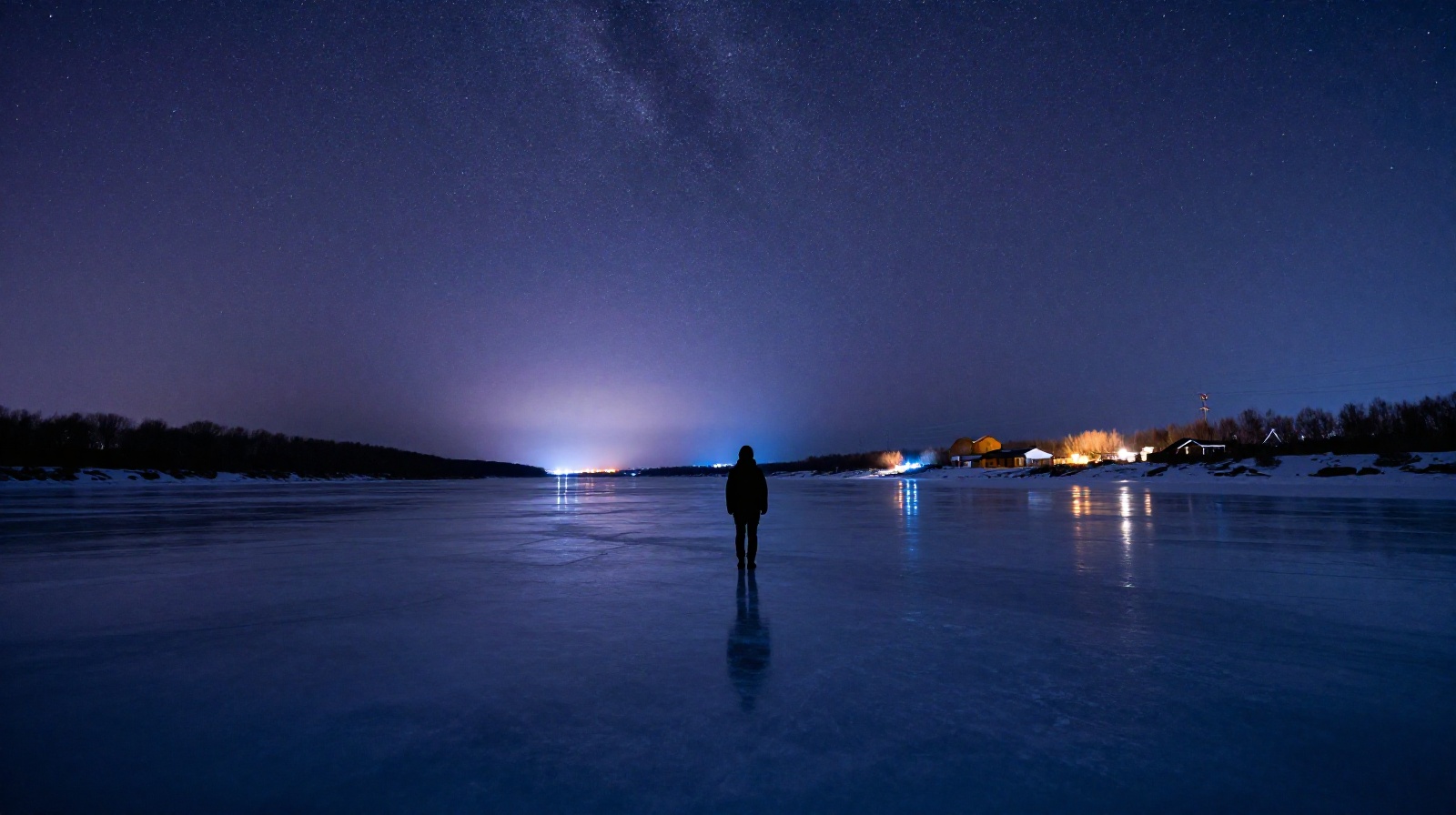
The thermometer outside the Mohe Polar Village guesthouse reads -42°C at 10 p.m. My eyelashes freeze instantly when I step out. The only sound is the crunch of snow under my boots. I’m here for one reason: to see the aurora borealis from Chinese soil.
The Hard Road North
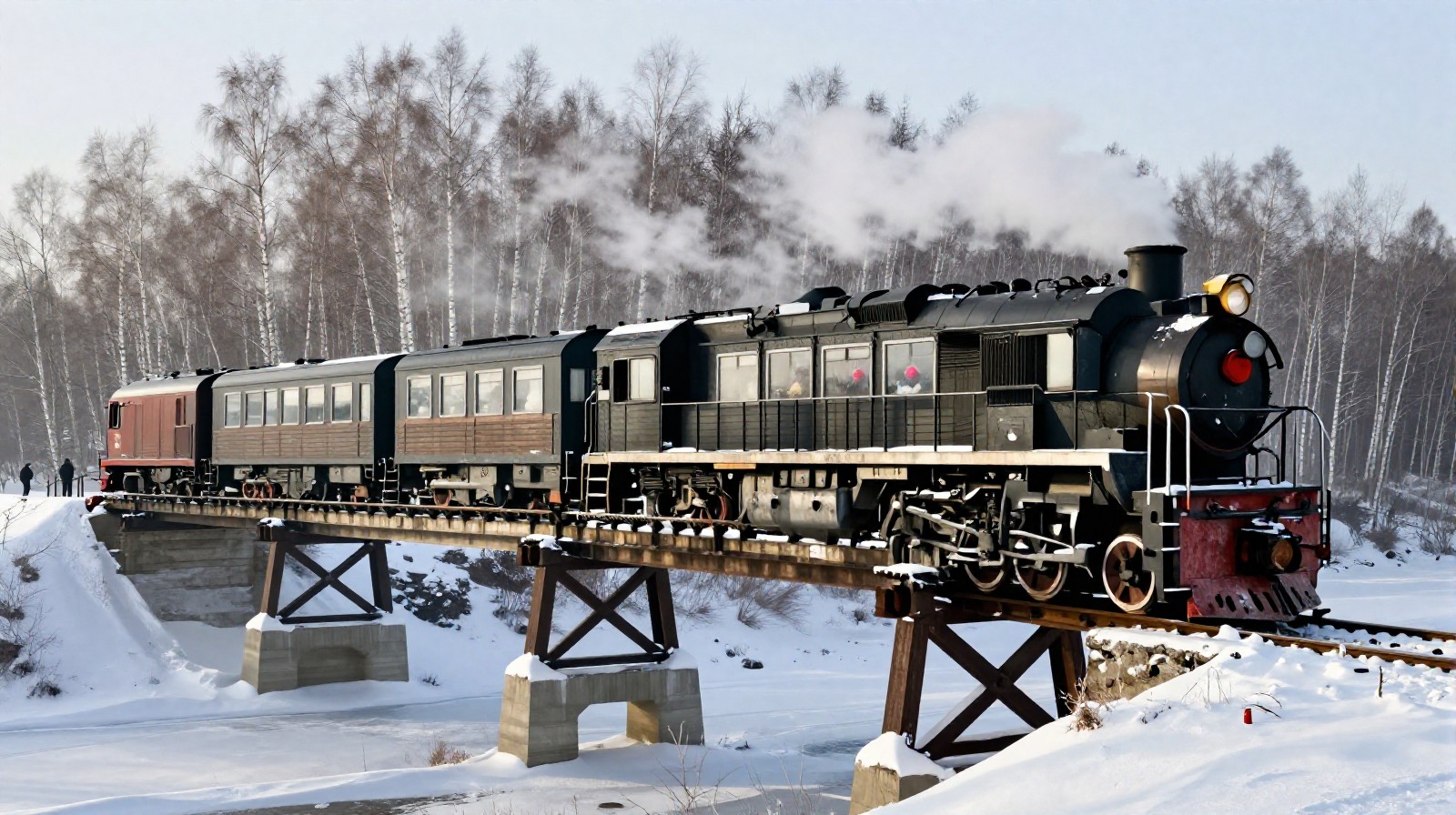
To reach Mohe, I took a 17-hour train from Harbin, then a bus that crawled along icy roads for two more hours. The village of Beiji (北极村), or “North Pole Village,” sits at latitude 53°33′ N—the northernmost settlement in China. Only a few hundred permanent residents live here, most of them descendants of fur traders and gold prospectors who came during the Qing dynasty.
What Makes the Aurora Visible in China?
The aurora occurs when charged particles from the sun collide with Earth’s magnetic field, creating colored lights in the sky. Normally, this happens near the Arctic Circle. But during periods of strong solar activity—like the current solar cycle 25—the auroral oval expands southward. Mohe, thanks to its high latitude and low light pollution, occasionally catches the edge. Yet it’s rare: maybe a few times per year, and never guaranteed.
“Last March, we had three clear nights with green curtains,” says Liu, a local guide who started aurora-chasing tours in 2019. “This winter? Almost nothing. People come, wait, and leave empty-handed.”
How the Aurora Boom Changed a Town
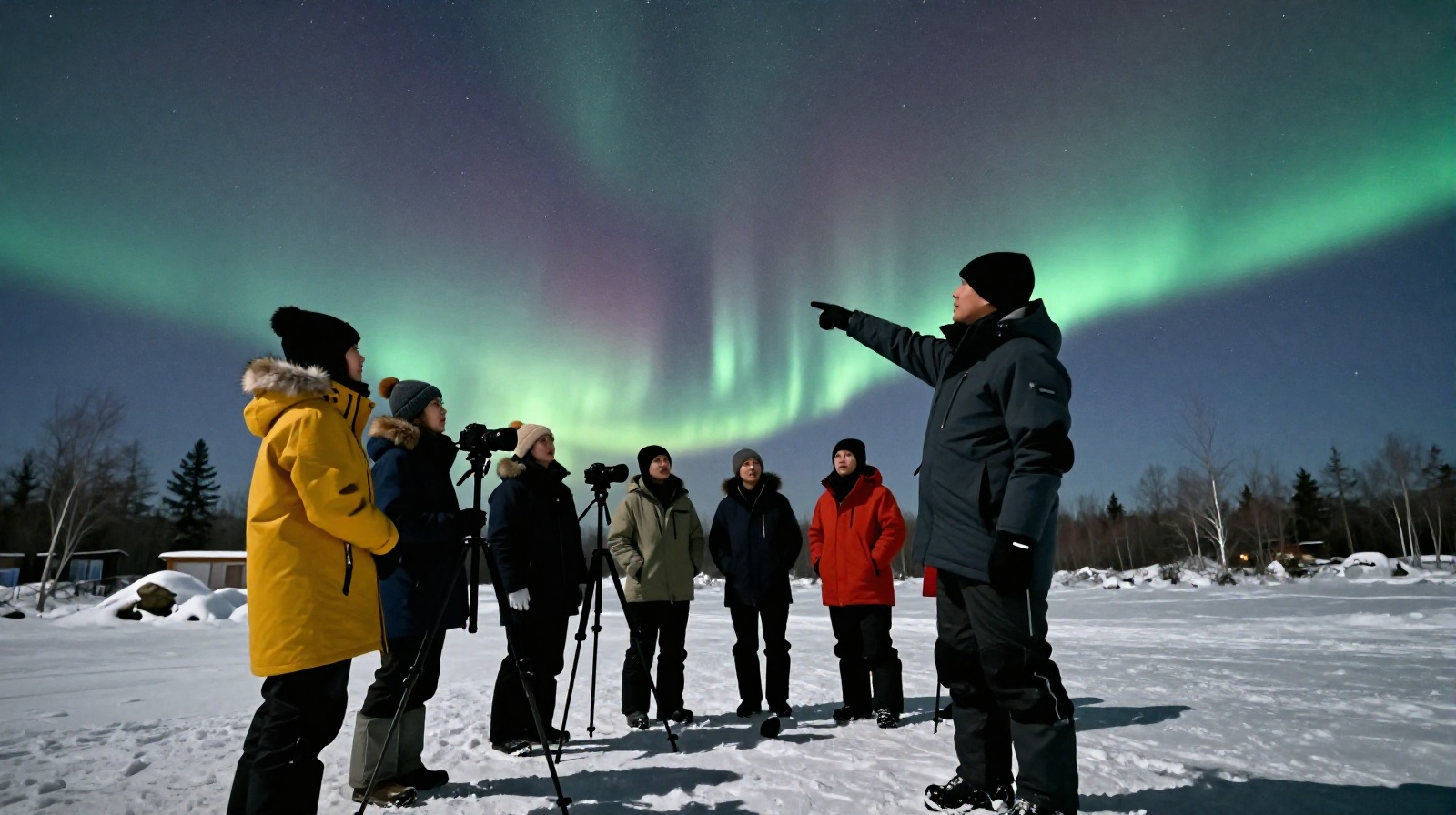
Before 2015, Mohe was a quiet logging town. Then China’s “aurora fever” began—fueled by social media posts of faint green glows. New guesthouses sprang up, their roofs painted with glow-in-the-dark stars. There are now over 200 homestays in Beiji Village. In winter, prices for a basic room can hit 800 yuan ($110) a night. But the boom is fragile: one cloudy week can empty the streets.
“I invested 300,000 yuan to build a glass-roof cabin for aurora viewing,” says Wang, a 34-year-old innkeeper. “Now I pray every night for clear skies.”
Waiting: A Story of Silence and Hope
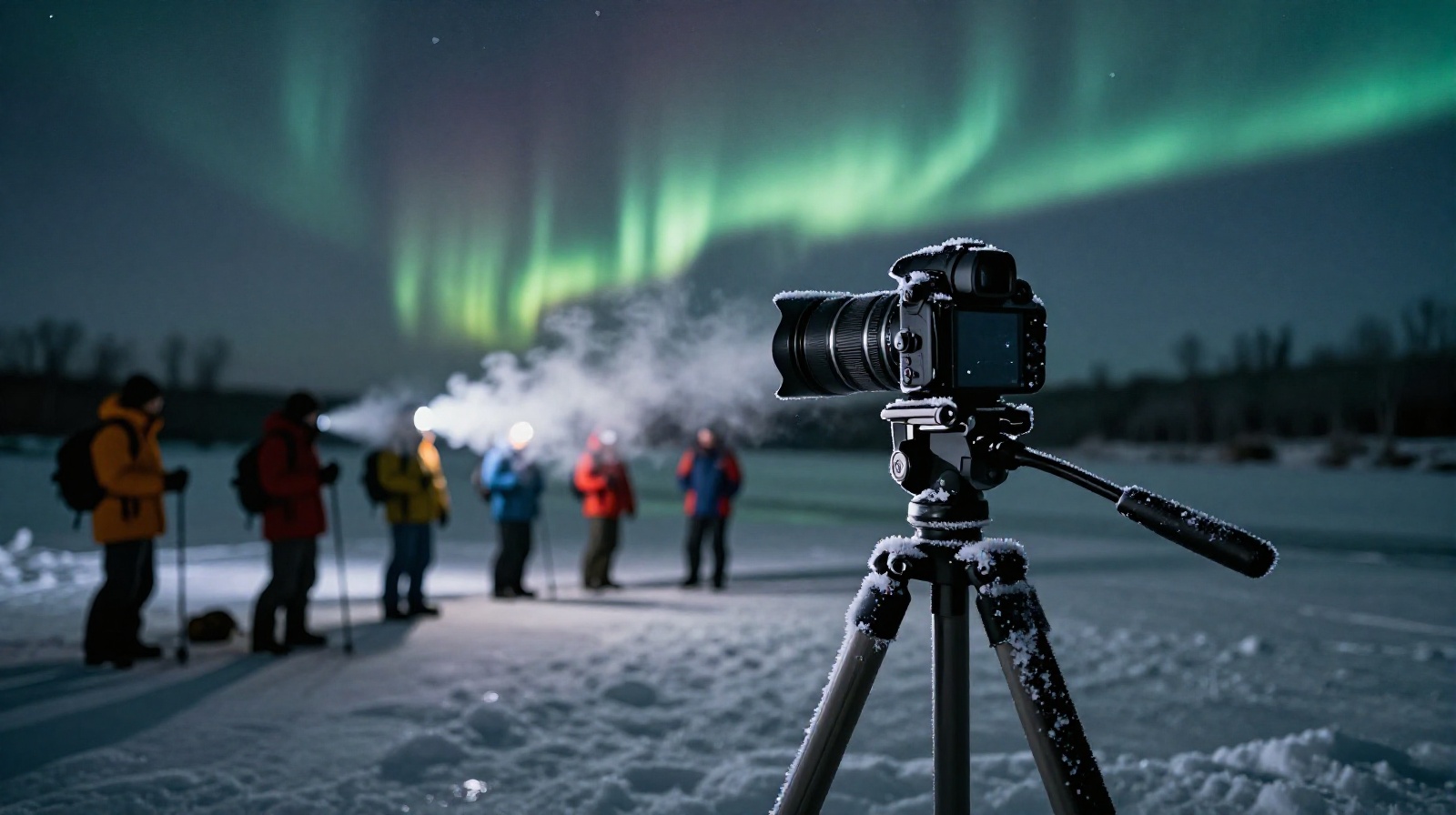
At 11:30 p.m., I join a dozen bundled-up strangers on the frozen river. They set up tripods, whisper about Kp-index forecasts. The sky is black, scattered with stars. No green. No red. Yet nobody leaves. We stamp our feet, sip hot tea from thermoses, and watch. After two hours, a faint silver glow appears near the horizon—not the aurora, just moonlight. But we stay until 3 a.m., until the cold is too much. The next day, someone posts a photo from a plane: that night, a weak aurora was visible from 30,000 feet. We were too low.
Conclusion: The Unpredictable Gift
Chasing the aurora in Mohe is an exercise in patience. The town has embraced its role as China’s aurora frontier, but nature remains stubborn. For travelers, the real reward might not be the light show but the shared vigil under the Arctic-like sky—a reminder that some wonders refuse to be scheduled.
Start the discussion at forum.chinacomes.com