

Introduction: A Splash of Color in the Concrete Jungle
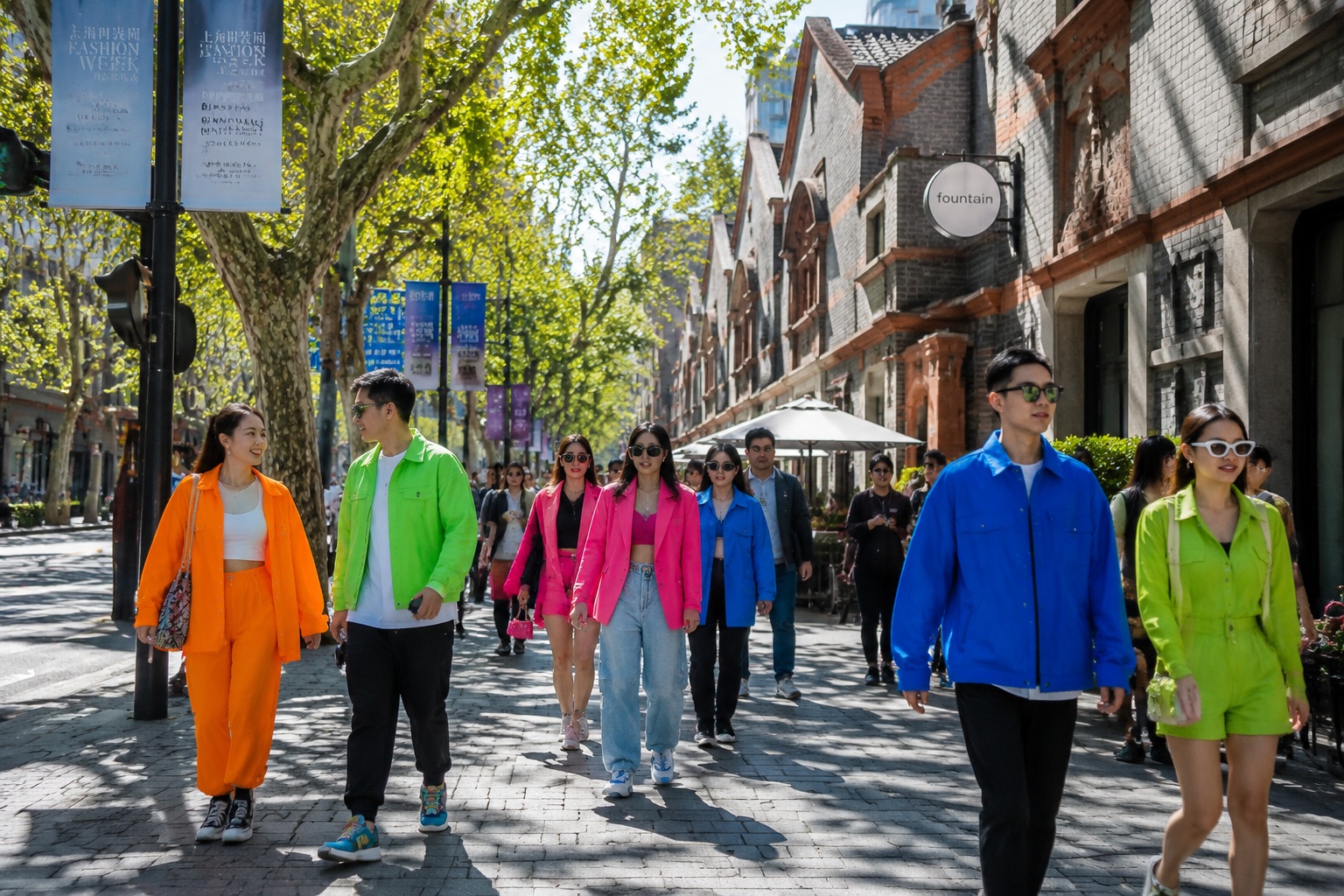
On a typical Saturday afternoon on Shanghai’s Huaihai Road, you might spot a young woman in a fluorescent orange top paired with lime-green wide-leg pants, striding past a row of plane trees. Her friend wears a baby-blue dress with a bubblegum-pink handbag. Three boys in neon yellow and electric blue sneakers skateboard by. This isn’t a costume party—it’s just another day in Shanghai, where a new fashion wave called “dopamine dressing” has taken over the streets.
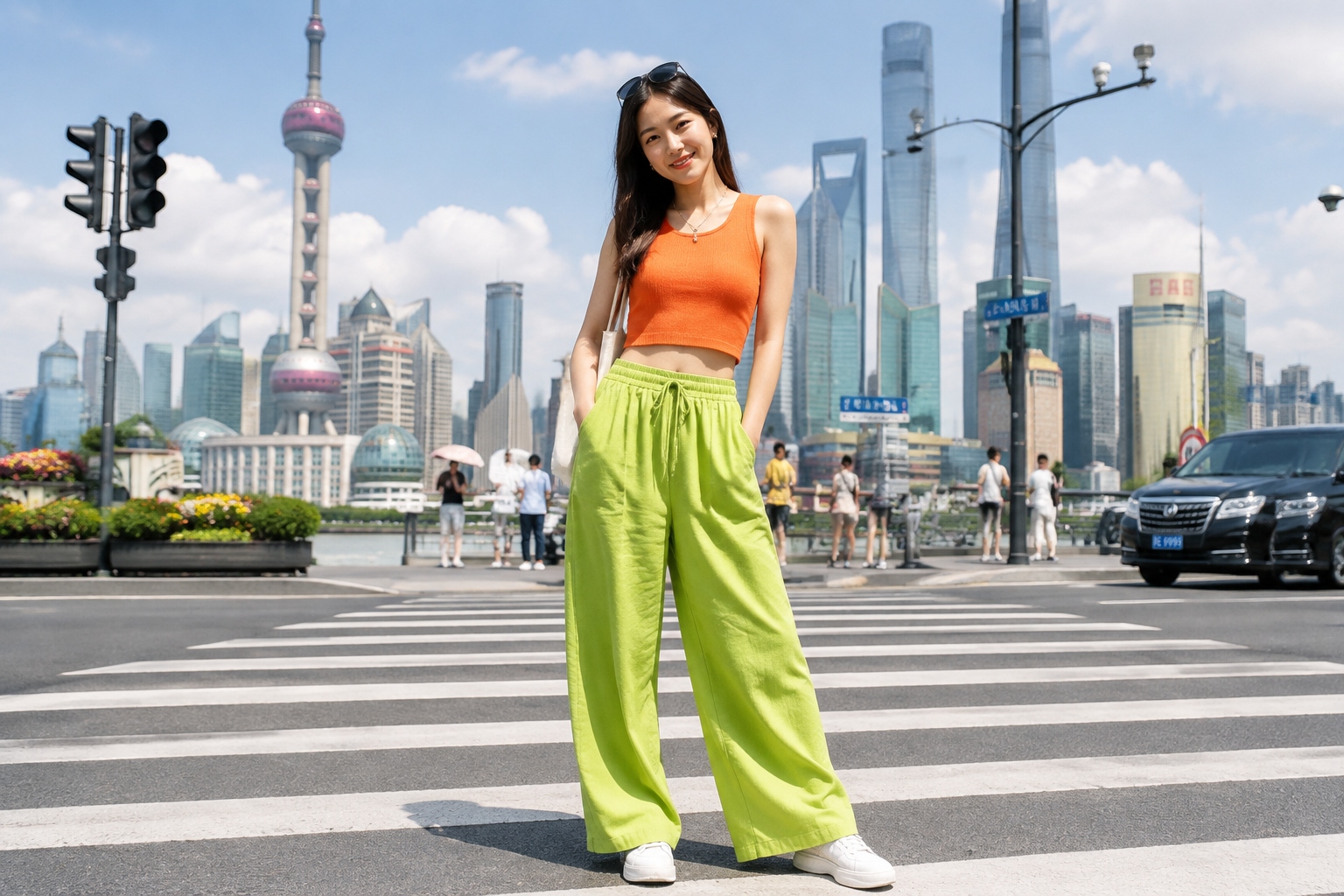
But what exactly is dopamine dressing, and why has it suddenly become the uniform of China’s trendiest city? The answer lies at the intersection of psychology, economics, and a generation’s desire to reclaim joy.
What Is Dopamine Dressing? More Than Just Loud Colors
First coined by fashion psychologist Dawnn Karen in her 2020 book Dress Your Best Life, dopamine dressing refers to using clothing to stimulate the release of the neurotransmitter dopamine, which is associated with pleasure and reward. The core idea is simple: bright colors, playful patterns, and bold silhouettes can lift your mood and boost confidence. It’s not just about looking garish—it’s about wearing what makes you feel good, intentionally.
In Shanghai, this means a departure from the city’s former love affair with muted tones and minimalist chic. Walk into a café in the French Concession today, and you’ll see rainbow-hued accessories, clashing prints, and accessories that scream joy. The trend has been amplified by social media platforms like Xiaohongshu (Little Red Book), where posts tagged #dopamine dressing have garnered over 1.5 billion views.
What distinguishes it from mere “loud” fashion is the emotional motivation. Dopamine dressing is a self-care tool, a way to inject positivity into daily life. For many young Chinese, it’s a conscious choice to counterbalance the stress of work, study, and a fast-paced urban existence.
From Runway to Sidewalk: Everyday Dopamine in Shanghai
To see dopamine dressing in action, you don’t need to visit a fashion show—just spend an hour at the Jing’an Temple metro exit. Office workers swap their conventional black suits for blazers in coral pink or mint green. Students layer oversized tie-dye T-shirts with denim shorts. Even middle-aged women join in, sporting a vivid red scarf or a handbag in canary yellow.
I spoke with Li Wei, a 28-year-old marketing executive who was wearing a cobalt blue dress with bright orange earrings. “When I put on something colorful, I feel more energetic,” she said. “It’s like I’m telling the world, ‘I’m here, and I’m happy.'” Li Wei admits that during the pandemic lockdowns, she often felt gloomy. Now, dressing brightly feels like reclaiming her spirit.
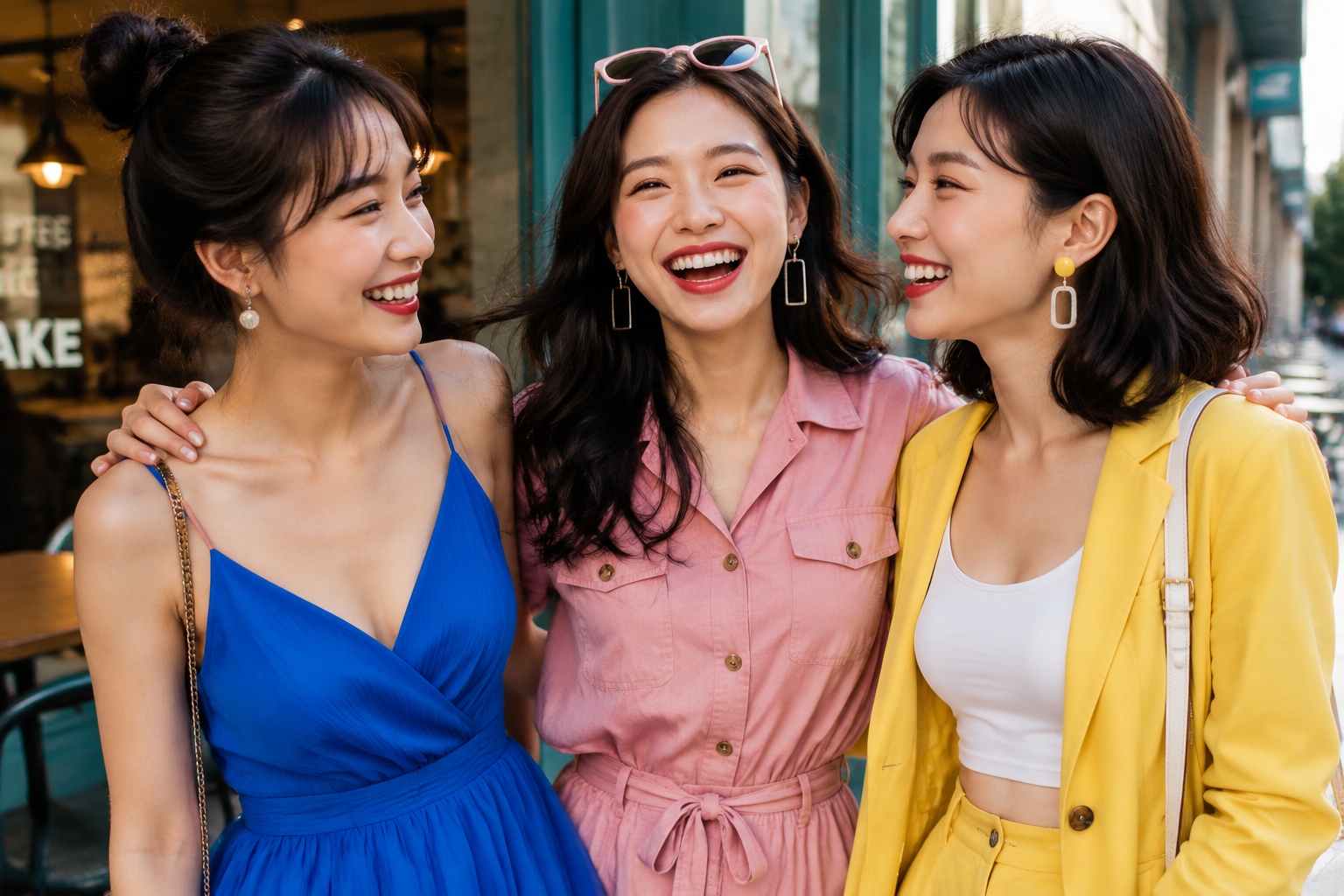
This sentiment echoes across many interviews. For Zhang Hao, a 32-year-old graphic designer, dopamine dressing is a way to express individuality in a society that often prizes conformity. “In the past, wearing something too flashy might make you stand out in a bad way. But now, people admire your confidence,” he explained.
Why Now? The Post-Pandemic Mood Boost
The rise of dopamine dressing in Shanghai is closely tied to China’s post-pandemic economic recovery. After months of lockdowns and uncertainty, people are eager to embrace joy and optimism. Fashion, being one of the most accessible forms of self-expression, becomes a vehicle for this release. Retail data backs this up: sales of bright-colored apparel in Shanghai rose by 35% in the first half of 2023 compared to the previous year, according to a report by the China Fashion Association.
Psychologist Dr. Chen Mei from Fudan University explains: “After collective trauma, people often seek ways to restore a sense of control and pleasure. Dopamine dressing provides a simple, immediate dopamine hit. It’s a form of emotional regulation through aesthetics.”
This psychological need is amplified by social media. On Douyin (TikTok’s Chinese version), videos of “dopamine outfit checks” routinely go viral, showing young people twirling in vivid colors. The algorithm rewards novelty and high contrast, making the trend self-perpetuating.
Behind the Trend: A Designer’s Perspective
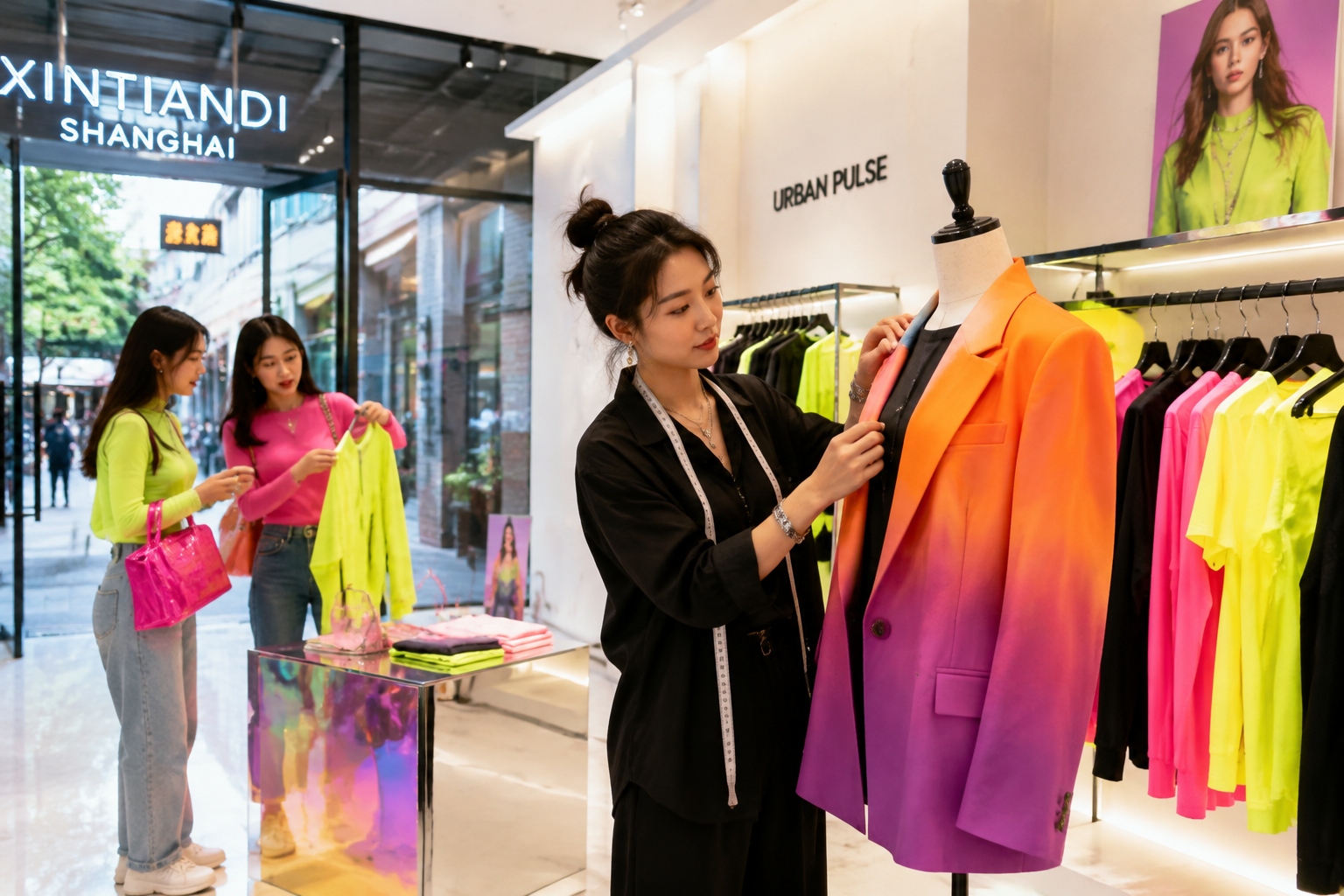
To understand how dopamine dressing moves from the virtual world to physical stores, I visited a fast-fashion boutique in the Xintiandi shopping district. The store manager, Wang Fang, told me that her team monitors trending colors on social media weekly. “When we saw the dopamine dress tag explode, we quickly ordered stock in neon green, hot pink, and electric blue,” she said. “Within two weeks, those items sold out.”
Independent designer Zhao Lin, known for her vibrant collections, sees the trend as a rebellion against the “minimalist fatigue” of the past decade. “Chinese consumers were taught to appreciate understated elegance. But Gen Z and Millennials are rewriting the rules. They want clothes that tell a story of happiness, not just status.” Zhao’s latest line, titled “Joy Bomb,” features oversized blazers in gradient shades of orange and purple, priced at around $80—affordable for most young professionals.
However, she cautions that mass production of dopamine dressing can dilute its emotional value. “If every shop sells the same neon piece, it becomes noise. The real essence is personal curation—choosing colors that resonate with you.”
Clash with Tradition: From Inky Wash to Color Explosion
China’s traditional aesthetic has long celebrated subtlety and restraint. Classical ink wash paintings, porcelain with celadon glazes, and the iconic black-and-white costumes of ancient dynasties all emphasize harmony through muted tones. Even in modern Shanghai, the “old money” look favored by the older generation—soft beige, navy, black—represents sophistication.
Dopamine dressing directly challenges this. For some older Shanghainese residents, the sudden burst of color feels jarring. Auntie Liu, 67, who practiced tai chi in a park wearing a modest grey tracksuit, commented: “Young people today wear clothes that shout. They’ve forgotten the beauty of quietness.”
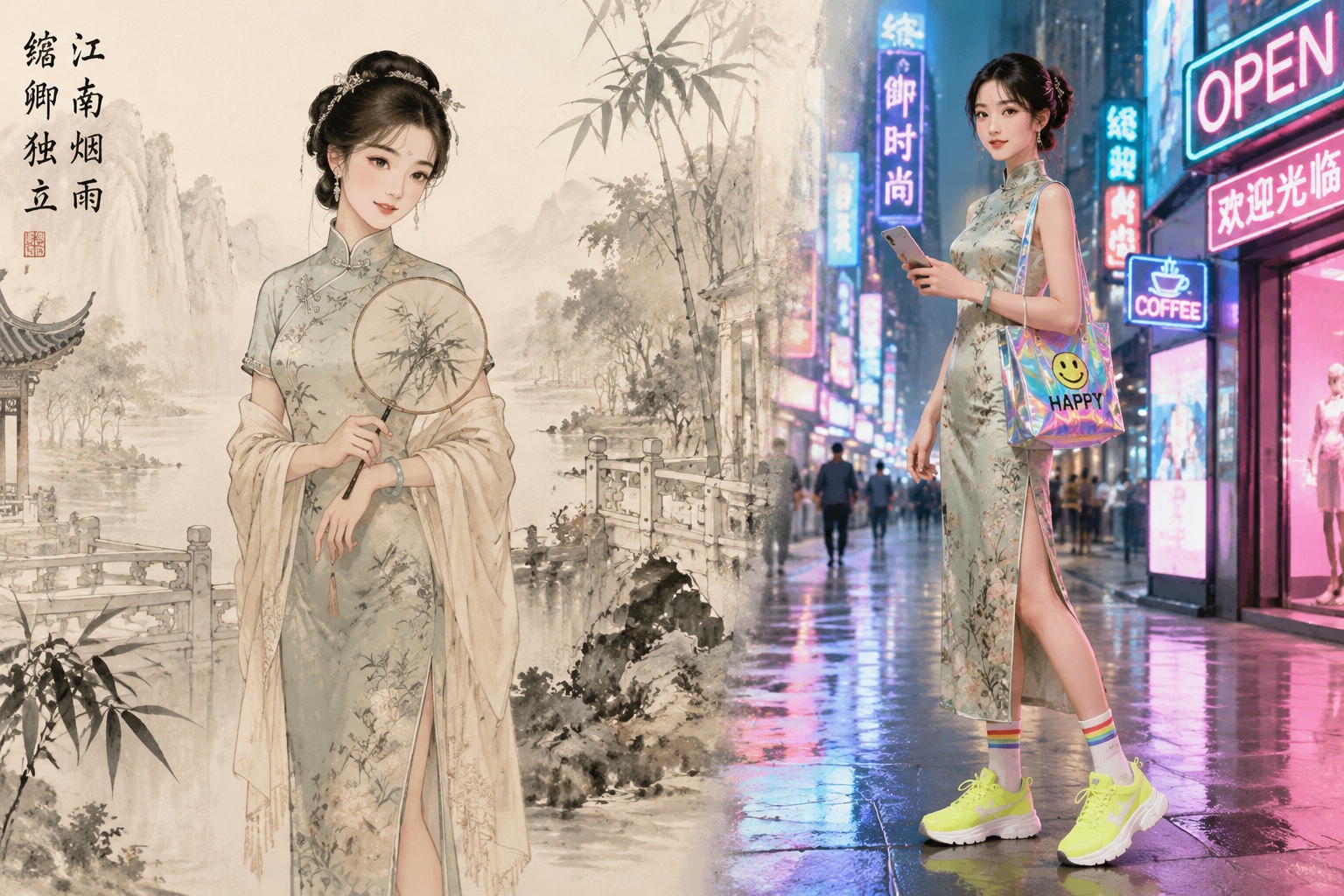
Yet the two aesthetics are not mutually exclusive. Many young influencers mix traditional elements with dopamine dressing, like pairing a silk qipao with neon sneakers or carrying a bamboo fan while wearing a rainbow-striped jumpsuit. This fusion creates a fresh visual dialogue between generations, proving that China’s fashion future is not about replacing tradition, but expanding the palette.
Conclusion: Joy as the Ultimate Fashion Statement
Dopamine dressing is far more than a fleeting trend. It reflects a profound shift in how Chinese youth approach fashion, mental health, and self-expression. As the global style capital of the East, Shanghai has become the perfect laboratory for this experiment in emotional aesthetics. Whether you choose to embrace the rainbow or stick with neutrals, one thing is clear: dressing to feel good is a universal language, and right now, Shanghai is speaking it in every color of the spectrum.
Start the discussion at forum.chinacomes.com