

The 12 O’Clock Bell: A Lunch That Shows Up Like Clockwork
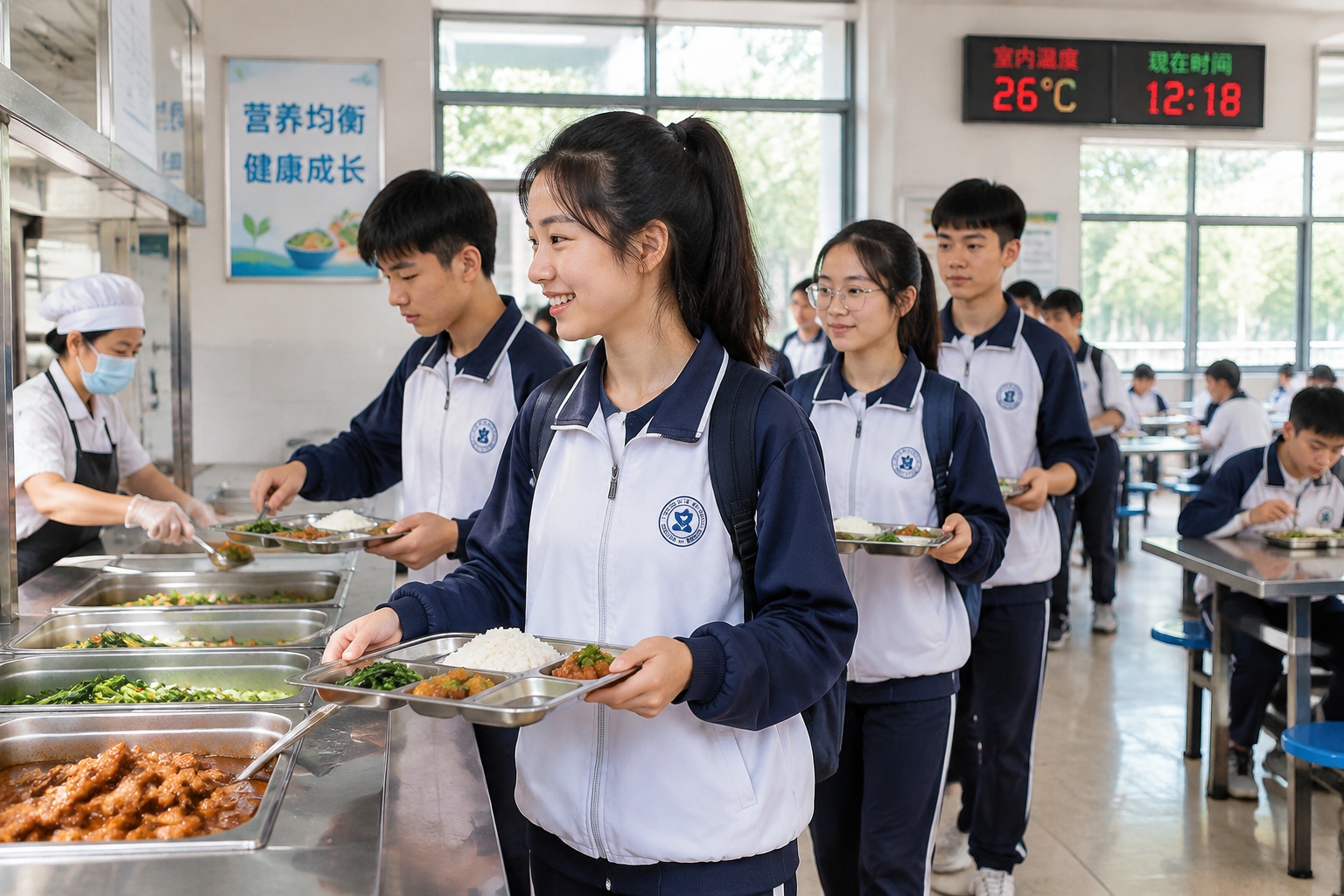
At 12:00 sharp, the bell rings at a middle school in Chengdu, Sichuan Province. Within minutes, hundreds of students stream into the canteen. They pick up stainless steel trays and join short lines. On the counter: steamed rice, stir-fried pork with peppers, garlic broccoli, and a bowl of seaweed soup. A digital display on the wall reads “Center temperature: 68°C” and “Time: 12:03.” The food is hot, the portions are generous, and no one seems surprised.
For a visitor from abroad, this might look like a well-run cafeteria. But the reliability of that meal—same time, same quality, every school day—is not a small thing. It is the visible end of a long, complex supply chain that begins on farms, passes through wholesale markets and cold-chain trucks, and ends in a school kitchen. To understand why this works, we need to go back to 1988.
Rewind to 1988: The ‘Vegetable Basket’ That Changed Dinner Tables
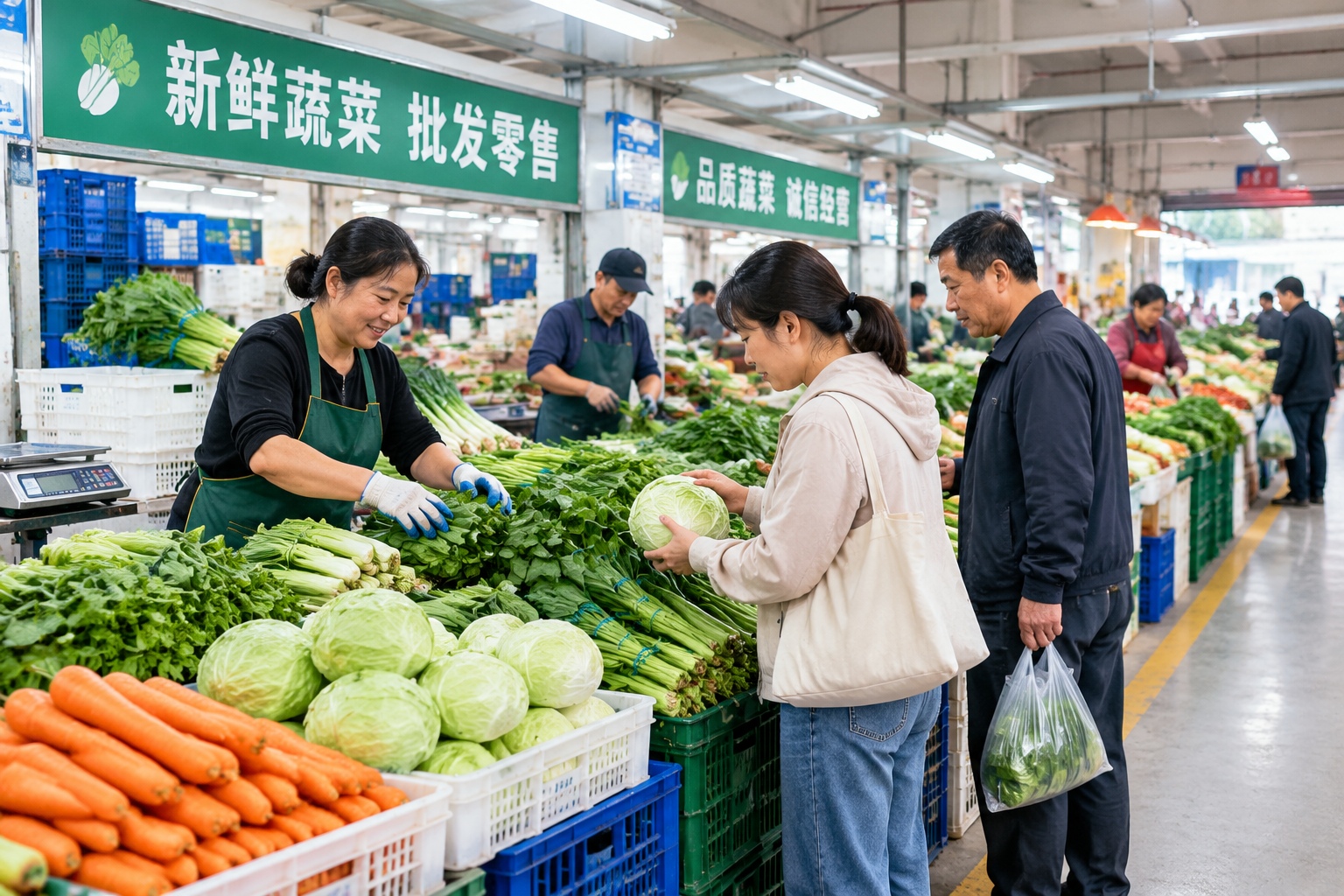
In the late 1980s, feeding China’s cities was a daily struggle. Most urban families bought vegetables from state-run markets, often queuing for hours. Winter menus were dominated by cabbage, potatoes, and radishes—fresh greens were a summer memory. In 1988, the Chinese government launched the “Vegetable Basket Project” (菜篮子工程). The idea was simple but ambitious: make mayors responsible for ensuring their cities had enough meat, vegetables, eggs, and dairy.
The project built production bases around cities, established wholesale markets, and encouraged private traders. By the mid-1990s, the average urban household could buy fresh pork, chicken, and leafy greens year-round. The days of winter cabbage rations faded. That same supply network—now much larger, faster, and more sophisticated—is what delivers food to schools today.
From Farm to School Gate: A Supply Chain Measured in Hours
Take a single cabbage. It might be harvested at 3:00 a.m. on a farm in Pengzhou, a county near Chengdu. By 4:30 a.m., it is loaded onto a truck with other vegetables and driven to a wholesale market on the city’s edge. There, buyers from school catering companies inspect the produce, check for pesticides, and load it into refrigerated vans. By 6:30 a.m., the cabbage arrives at a central kitchen or a school’s own kitchen. By 11:00 a.m., it has been washed, chopped, stir-fried, and placed in a warming tray.
This speed is possible because of China’s massive investment in cold-chain logistics. In 2022, the country’s cold-chain logistics market was worth over 400 billion yuan (about $55 billion), with more than 200,000 refrigerated vehicles on the road. For school meals, the chain is even tighter: many districts require ingredients to be delivered within 24 hours of harvest or slaughter.
The Cold Chain and the Central Kitchen
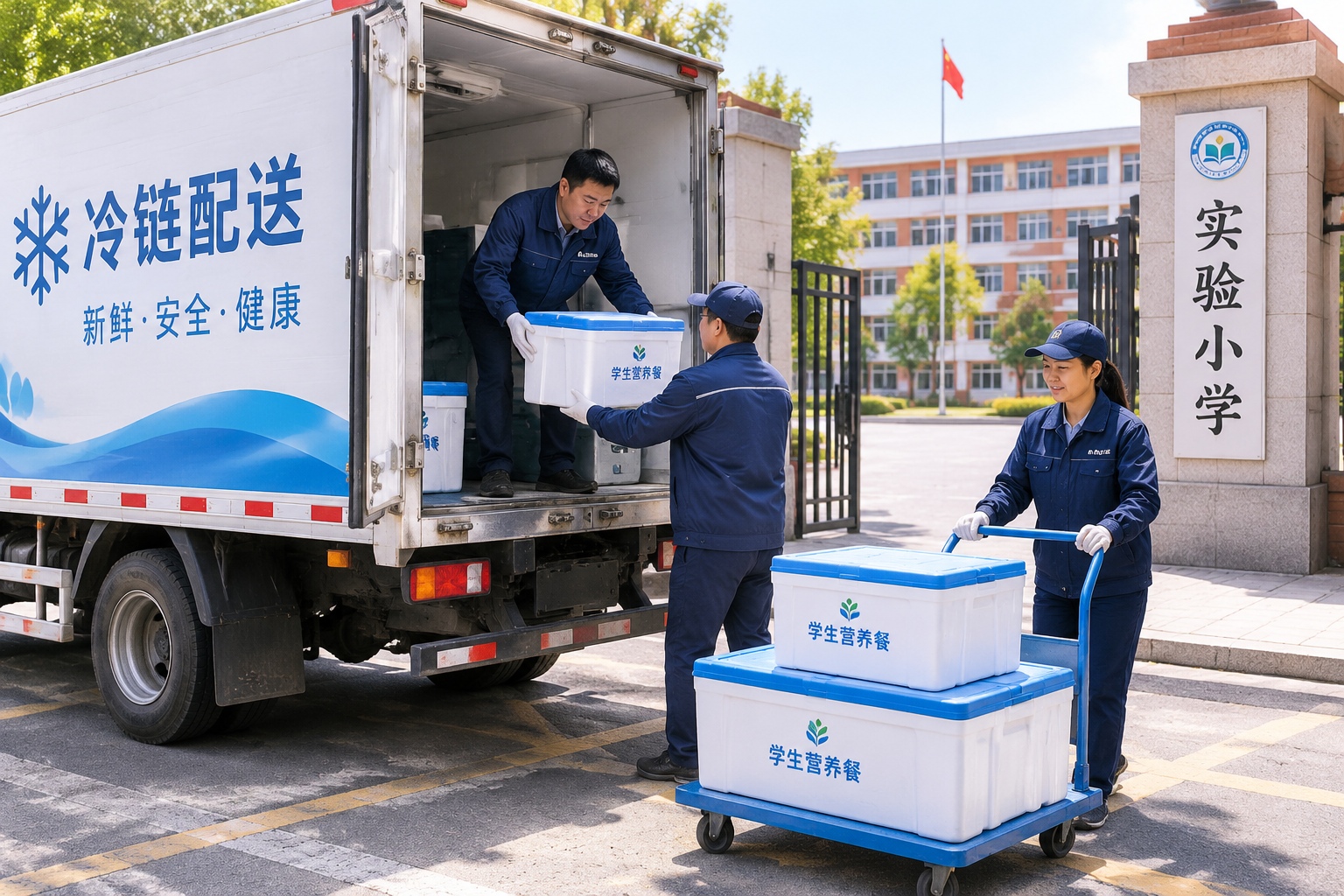
In big cities like Shanghai or Shenzhen, central kitchens prepare meals for dozens of schools at once. Vegetables are washed and cut by machine, meat is diced, and sauces are mixed in huge vats. The partially cooked food is then blast-chilled, packed in insulated containers, and delivered to schools, where it is reheated. In other cities, schools cook from scratch. Either way, every batch of ingredients is logged. A QR code on a bag of rice can be scanned to see the farm, the harvest date, and the truck that brought it.
Inside the School Kitchen: How Hot Food Stays Hot
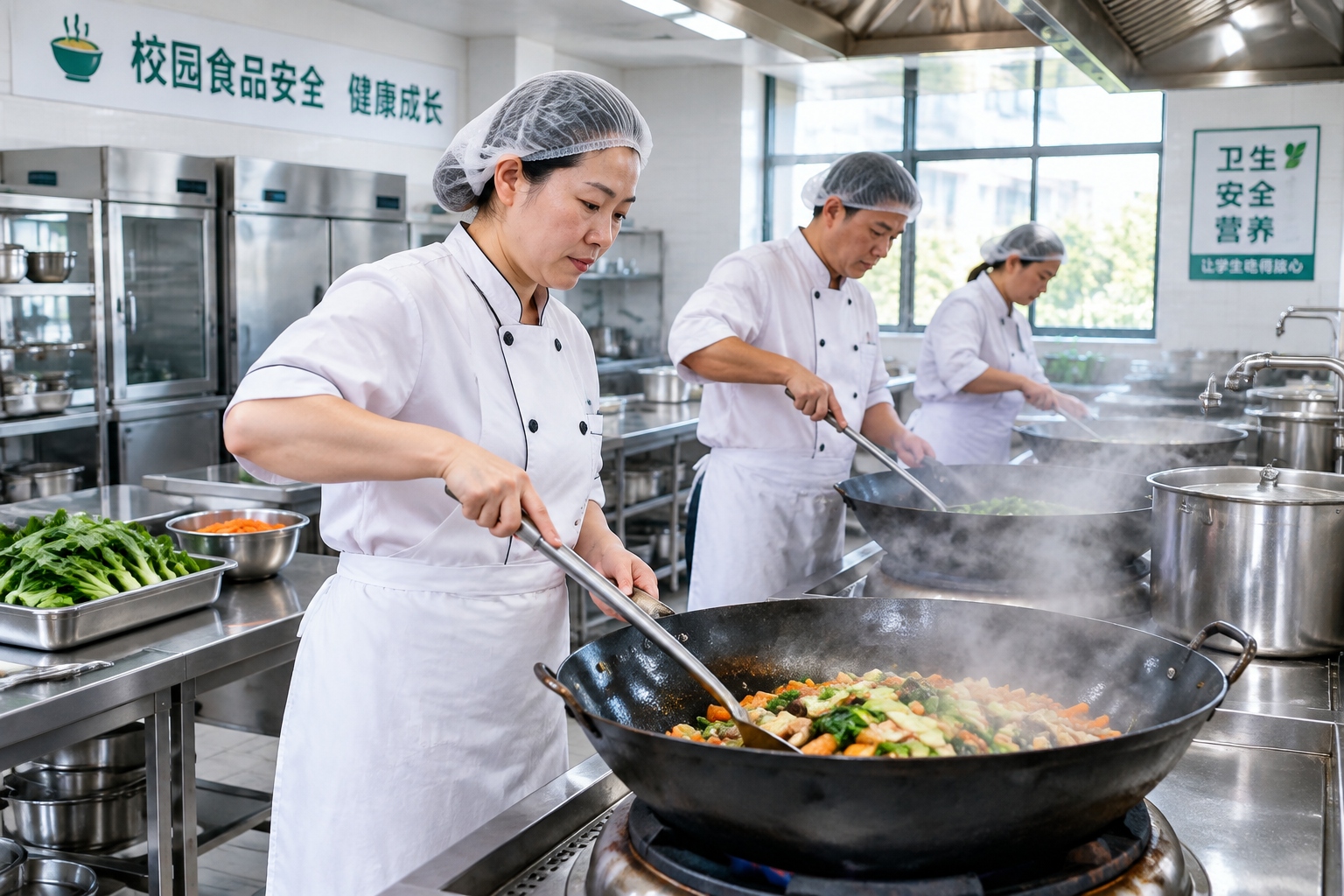
At a typical public school in Hangzhou, the kitchen staff start at 5:00 a.m. The first task is inspection: a trained worker checks the color, smell, and temperature of every delivery. A sample of each dish is sealed and kept in a refrigerator for 48 hours—this is called “留样” (sample retention), a legal requirement in case of food poisoning investigations. Then come washing, cutting, and cooking. The head cook, Ms. Li, has worked here for 12 years. “The children eat at 12:00,” she says. “We start frying the greens at 11:20 so they don’t get soggy.”
By 11:30, the dishes are placed in warming cabinets set to 65°C. At 12:00, serving begins. Teachers on duty eat the same food at the same time—a policy called “陪餐” (accompanying meals), introduced nationwide in 2019. Parents can also visit on open days, and live video feeds from the kitchen are streamed to a screen in the school lobby, part of the “明厨亮灶” (open kitchen) program. By 2022, over 98% of China’s school canteens had installed such cameras.
One Country, Many Lunches: Cities, Counties, and Villages
Not every school lunch looks the same. In a wealthy coastal city, students might choose from six dishes, including fish and fruit. In a county town in Henan, the menu is simpler: one meat dish, one vegetable, rice, and soup. In a remote village in Guizhou, the school might serve a hot meal funded largely by the central government’s Nutrition Improvement Plan. Launched in 2011, this program now reaches about 37 million students in poor rural areas, providing a daily subsidy of 5 yuan (about $0.70) per child. Families usually pay nothing for this meal.
In cities, parents typically pay 10–20 yuan per lunch, with schools and local governments covering the rest. The mix of subsidies, family payments, and school management varies widely. There is no single “Chinese school lunch”—there are thousands of local solutions.
The People Behind the Tray: A Driver, a Cook, a Teacher
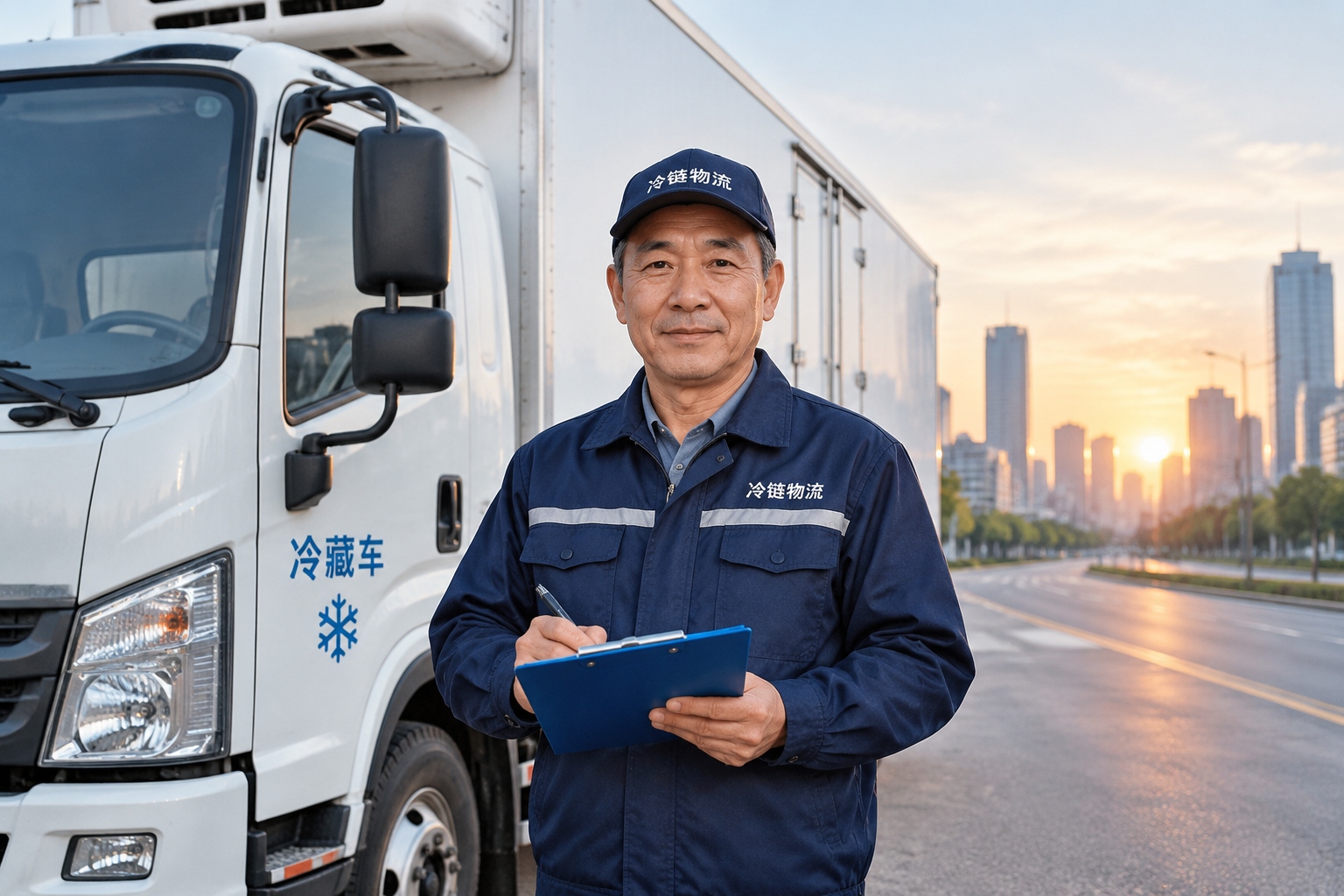
Mr. Liu drives a refrigerated truck for a catering company in Zhengzhou. His day starts at 4:00 a.m. He picks up vegetables from a wholesale market and delivers to 12 schools before 7:00 a.m. “If I’m late, 3,000 kids eat late,” he says. “So I don’t take chances with traffic.”
Ms. Wang is a cook at a primary school in Chengdu. She arrives at 6:00 a.m., puts on a hairnet and apron, and begins chopping carrots. By 10:30, she has helped cook 800 meals. “My own granddaughter eats here,” she says. “I cook like she’s eating.”
Mr. Chen is a vice principal at the same school. He eats lunch with students every day, sitting at a different table each time. “The kids tell me if the food is too salty,” he says. “It’s not just about safety. It’s about listening.”
The Hard Parts: Cost, Taste, Waste, and Safety
The system is not flawless. Food safety scandals still happen—in 2023, a school in Jiangxi was found using expired meat, sparking public outrage. Regional inequality means a child in Shanghai eats better than a child in a poor mountain village, even with government subsidies. And picky eating is universal: school kitchens often struggle to please everyone. “We waste about 10% of the food,” admits one kitchen manager. “Some kids don’t like greens.”
To reduce waste, many schools now offer smaller portions and encourage students to take only what they can eat. Some use apps to let students pre-order, which helps kitchens plan. Cost is another pressure: food inflation in 2023 pushed some schools to raise lunch fees by 1–2 yuan.
Conclusion: The Hot Meal at Noon Is Not an Accident
Back in Chengdu, the 12:00 bell has just rung. Students sit at long tables, talking and eating. The cabbage they are eating was in a field 12 hours ago. The pork was inspected, logged, and cooked by people who started their day before dawn. The system that makes this possible—the Vegetable Basket Project, the cold chain, the open kitchens, the subsidies—was built over four decades. It is not perfect, but it is remarkably steady.
So the next time you see a child lift a hot spoon to their mouth at noon, ask: how did that meal get there? In China, the answer involves mayors, truck drivers, farmers, cooks, and a lot of quiet coordination. And that is worth noticing.
Start the discussion at forum.chinacomes.com