

The Unexpected Upgrade on the Subway
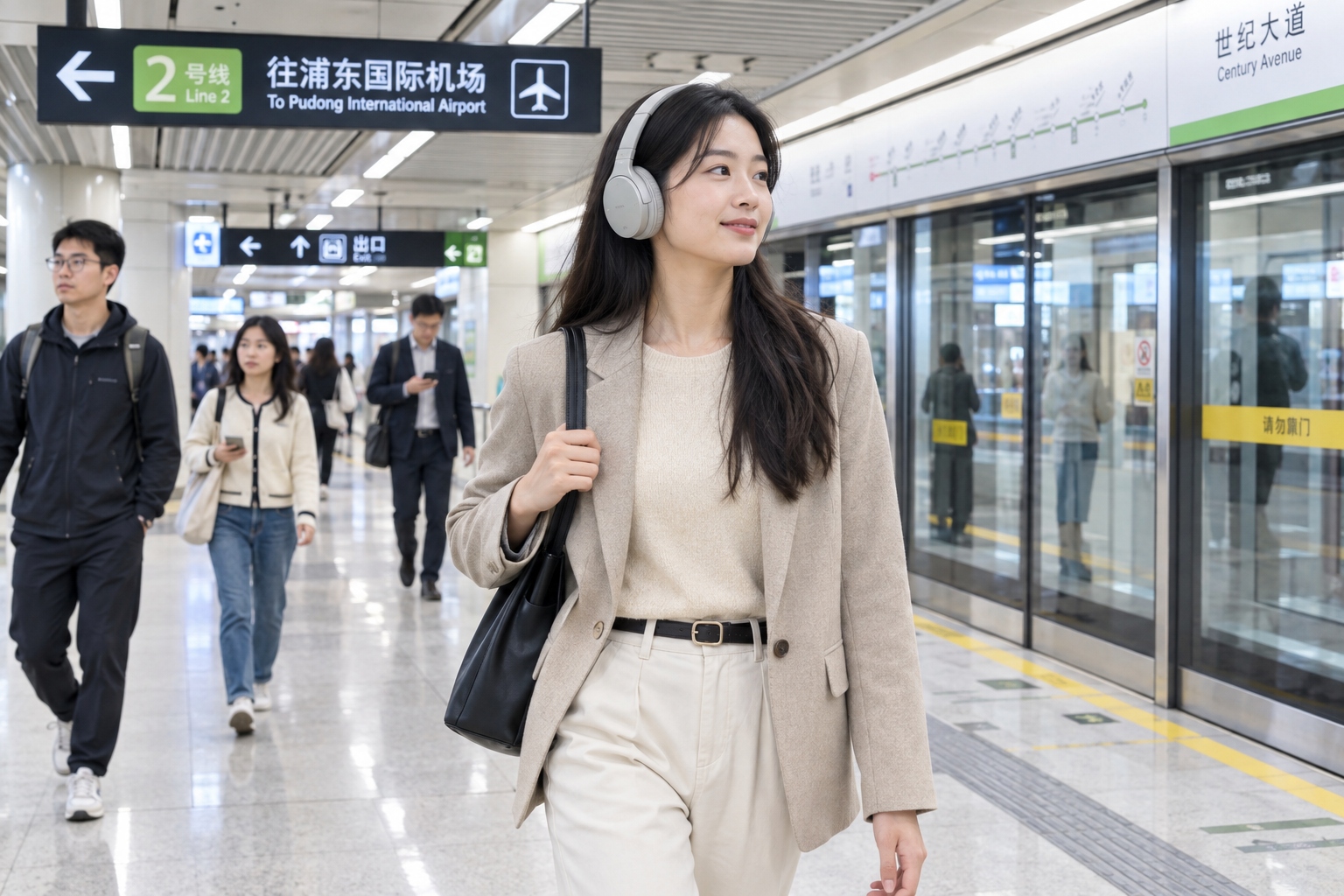
On the Shenzhen Metro, a commuter with giant silver headphones caught my eye. They looked like the sort of premium pair you’d expect from a familiar international brand. When he took them off, he grinned and pointed at the logo. Edifier, made in China, he said. Five years ago, I would have bought Sony, but these sound 80 percent as good at 40 percent of the price. It got harder and harder to say no.
That conversation stuck with me. For a long time, Chinese audio brands meant something you bought only because you couldn’t afford the real thing. Today, brands like Edifier and 1More are turning that idea upside down. They are the reason why a growing number of commuters, students and audiophiles no longer feel they need to spend $250 on earbuds. It’s a quiet infrastructure shift, happening not in a boardroom but in the ears of millions of people every day.
From Anonymous Factories to Named Brands
To understand this change, you need to know where China’s audio industry started. The Pearl River Delta, an area around Shenzhen, Guangzhou and Dongguan, became the world’s biggest earphone assembly hub in the 1990s and 2000s. Factories here made products for Sony, Bose, Sennheiser and many others. They did the complex work of turning copper wire and thin plastic films into small speakers that fit inside your ear. But the brand on the box belonged to someone else.
What changed in the mid-2010s was not the ability to make earphones. Chinese factories had that for decades. What changed was the decision to invest in sound science, industrial design and software. Instead of chasing only low cost, a handful of Chinese companies started competing on comfort, noise cancellation and audio accuracy. Edifier and 1More chose the same road, but they came from very different places.
Edifier: The Desktop Speaker Veteran That Pivoted to Hi-Fi
Edifier is not a startup. The brand was founded in 1996 and became a household name in China for desktop computer speakers. If you had a PC in Beijing or Chengdu in the early 2000s, there was a good chance it was connected to a pair of Edifier speakers. That business was solid until smartphones changed the way people listened.
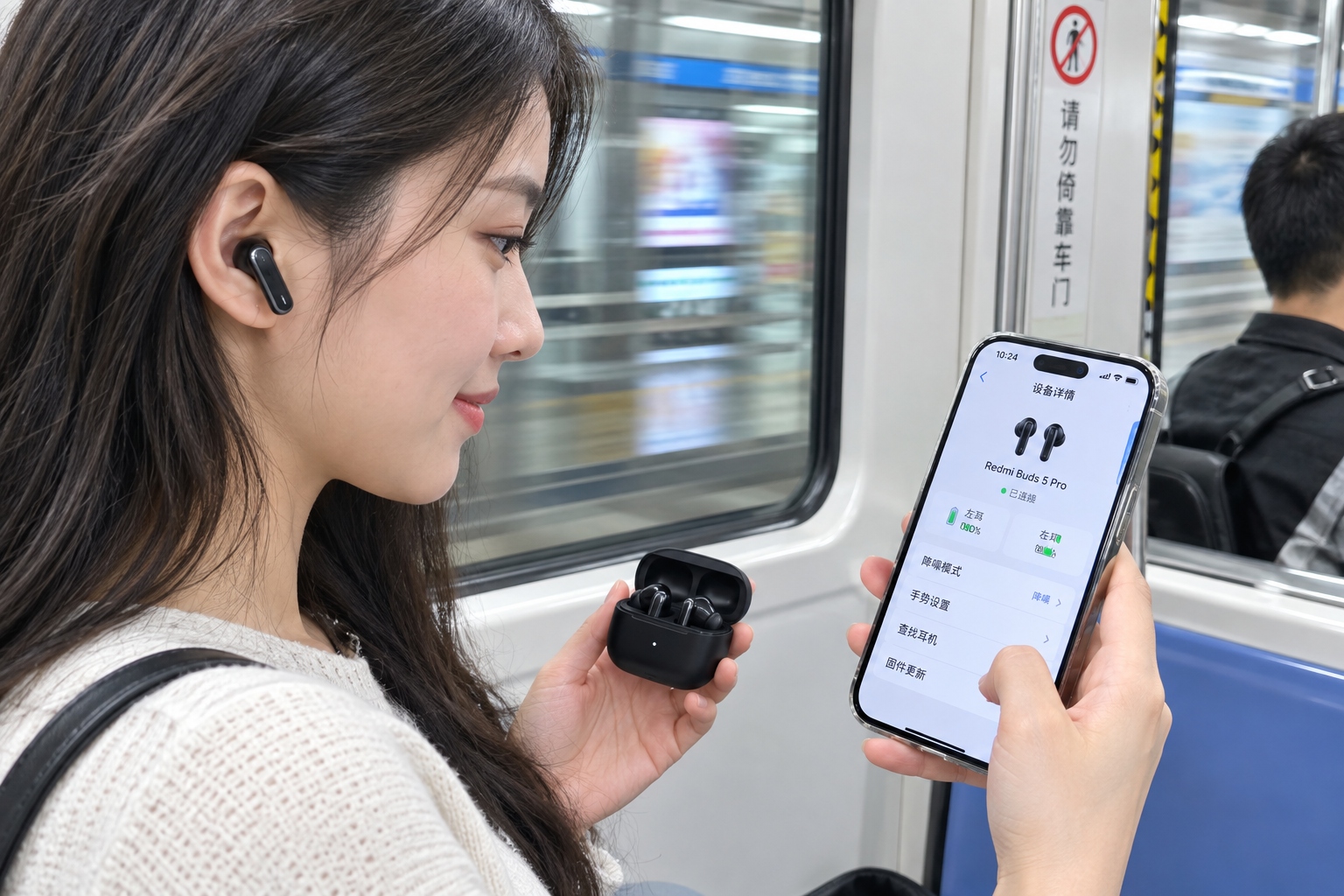
Edifier made a strategic turn. It acquired STAX, the famous Japanese electrostatic headphone manufacturer, giving its engineers access to some of the most refined audio technology ever produced. That might sound like a corporate press release, but it had a real effect: today’s Edifier earphones, such as the NeoBuds Pro, are tuned with a sense of balance you rarely saw in Chinese audio a decade ago. They cost less than half of the Apple AirPods Pro, yet they offer hybrid noise cancellation, wireless charging and a companion app with detailed equalizer controls. On a noisy street in Shanghai, they hold their own.
1More: A Young Dragon With Grammy-Certified Taste
If Edifier is the veteran, 1More is the young challenger. Founded in 2013 in Shenzhen by former mobile and supply chain executives, 1More quickly gained a reputation for making thoughtful earphones with celebrity-level audio engineers. The Italian sound engineer Luca Bignardi, known for his work with Andrea Bocelli, helped train the company’s acoustic team. That kind of international collaboration brought something rare to Chinese consumer audio: a sense of listening culture, not just technical specification.
1More’s Triple Driver in-ear headphones became a best-seller on Amazon and earned praise from hobbyists for using three separate drivers inside each earbud. Later models like the 1More EVO have pushed further, adding adaptive noise cancellation and spatial audio algorithms that make a movie feel like a cinema in your pocket. What surprises first-time buyers is the maturity of the sound. There is no hard, aggressive treble and no bloated low end. The tuning feels considered, almost European in style.
Plugging Into the Sound Details: Why They Got Good
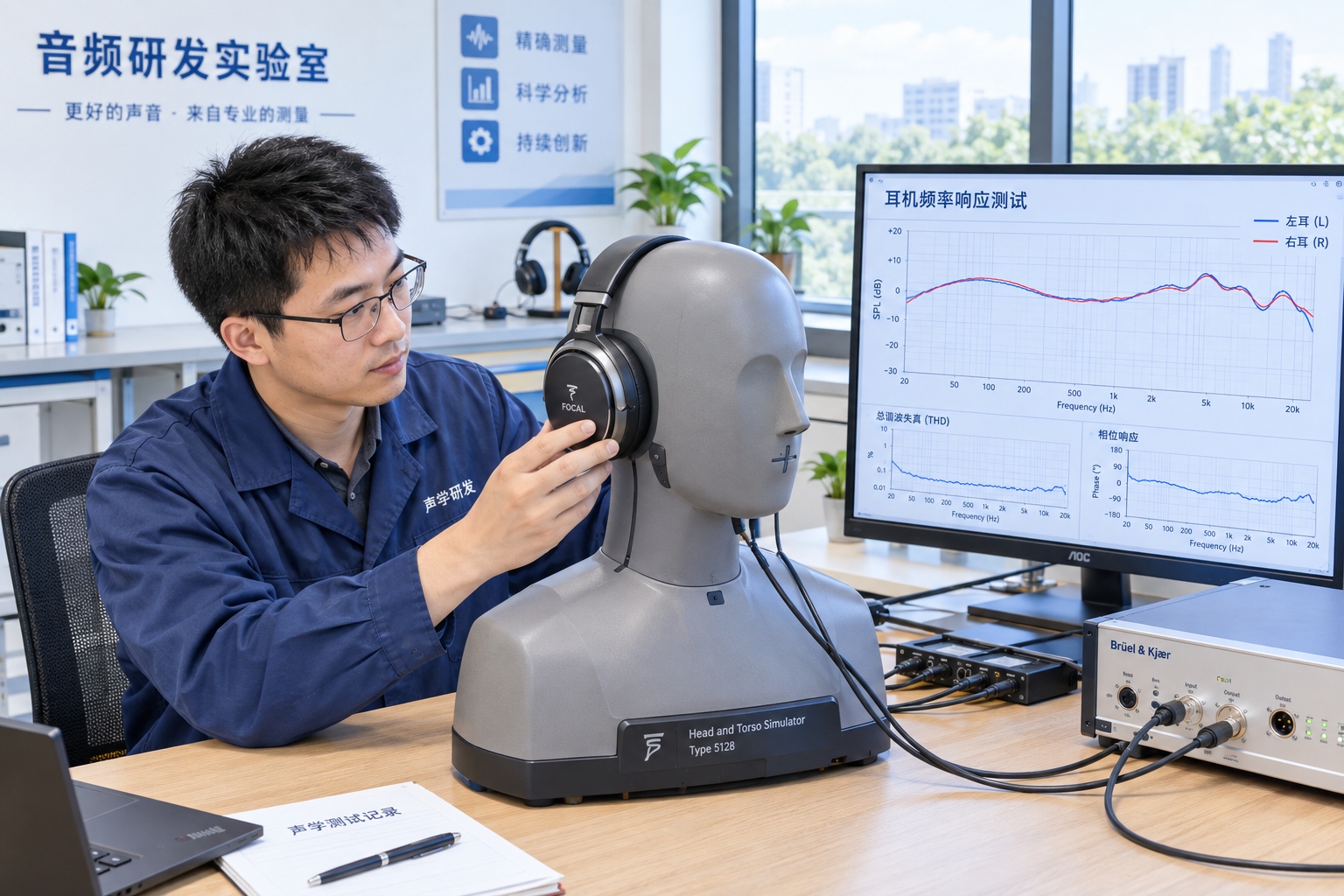
Ask an engineer why Chinese earbuds have improved so dramatically, and they will not give you a simple answer. But part of it is measurement. Chinese audio companies now build acoustic labs with head-and-torso simulators and high-end microphones. They measure frequency response curves with the same precise equipment used by global giants. Since the supply chain for speakers, chips and batteries is already within a short drive of their headquarters, they can test and iterate faster than most competitors.
For the listener, these improvements show up in ordinary moments. When you are on the subway, vocals remain clear even when the train brakes. When you are working in a cafe, a conversation across the room stays in the background. When you listen to music at night, the bass doesn’t leak into the middle of the song. That is a long way from the harsh, one-note sound people used to associate with cheap Chinese earphones.
Global Success One Review at a Time
None of this would matter if buyers outside China didn’t notice. But they did. In the United States and Europe, 1More and Edifier products began appearing on Amazon best-seller lists and in reviews by professional tech sites. The response often follows a pattern: the writer pulls out a pair of expensive reference headphones, then listens to a $99 Chinese pair and writes something like, “I did not expect this to sound so mature.” Price is part of the reason. A $99 pair of buds is now closer in sound quality to a $250 flagship than most people assume.
Perhaps more importantly, these brands stopped hiding that they are Chinese. They use Chinese industrial designers, family-owned production lines and R&D centers. In a time when many consumers want to know where products come from, that transparency becomes a strength. They are not trying to pretend they come from Scandinavia or California. They are saying: we come from Shenzhen, and we take sound seriously.
A Listening Test: Sitting With Two Chinese Flagships
For this article, I spent a week with two devices: the 1More EVO and the Edifier NeoBuds Pro. I tested them on quiet evenings, noisy sidewalks and in front of a laptop screen.
With the 1More EVO, the first thing I noticed was the sense of space. Classical piano pieces did not feel squeezed into a little plastic bubble. Instruments felt separated, with air around them. On jazz recordings, the double bass had enough weight without covering the cymbals. The noise cancellation is slightly softer than the strongest Bose or Sony, but it is also less unnatural. Voices, in particular, sounded more relaxed on the phone than on some more expensive models I have used.
The Edifier NeoBuds Pro has a different personality. It leans a bit more toward bass and warmth, which makes electronic music and hip-hop feel satisfying. The high frequencies are clear but not piercing. The fit is tight, so passive isolation is strong even before you switch on the active noise cancelling. Is the sound completely identical to a $250 pair? Not quite. The most expensive headphones still have a little more detail in the very top frequency range, and their Bluetooth handoff between multiple devices feels smoother. But when you close your eyes, it is very easy to believe these cost twice as much.
The High-End Mountain Still to Climb
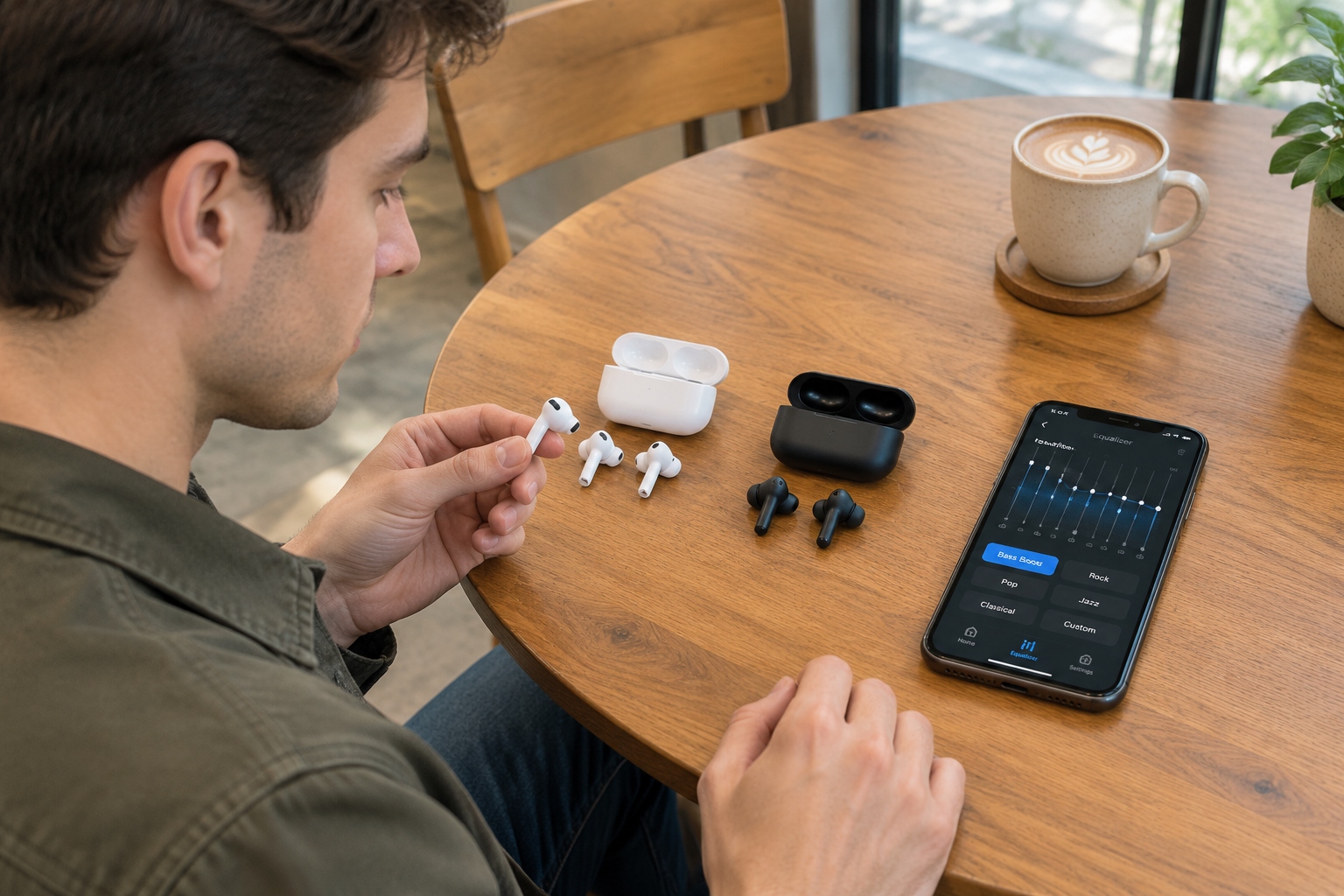
Any honest assessment has to mention the remaining challenge. Above $200, the market is still dominated by long-standing premium brands. People who buy a $300 set of noise-cancelling wireless headphones are not only paying for acoustic accuracy. They are paying for the feel of the materials, the polish of the app, the seamless pairing with their iPhone, and often the social signal of the logo on the side.
Chinese audio brands still face the hard work of convincing skeptics that their high-end models are not just expensive versions of a cheap product. Edifier’s acquisition of STAX helps, and 1More’s Grammy-approved tuning helps. But the final ear test will happen over years, one listener at a time.
Still, the momentum is undeniable. The old story of China as a low-cost assembler for famous foreign labels has already begun to crack. In 2025, a music fan in Shanghai or São Paulo can spend under $100 and get sound that would have cost $350 just a few years ago. The engineers who made that possible do not appear on billboards, but they have found their way onto millions of ears.
The next time you hear a pair of earbuds on a crowded train and assume they are Sony or Apple, take a closer look. You might see a name like 1More or Edifier. And you might realize that Chinese audio brands are no longer the cheap alternative they once were. They are becoming the alternative that makes people listen twice.
Start the discussion at forum.chinacomes.com