
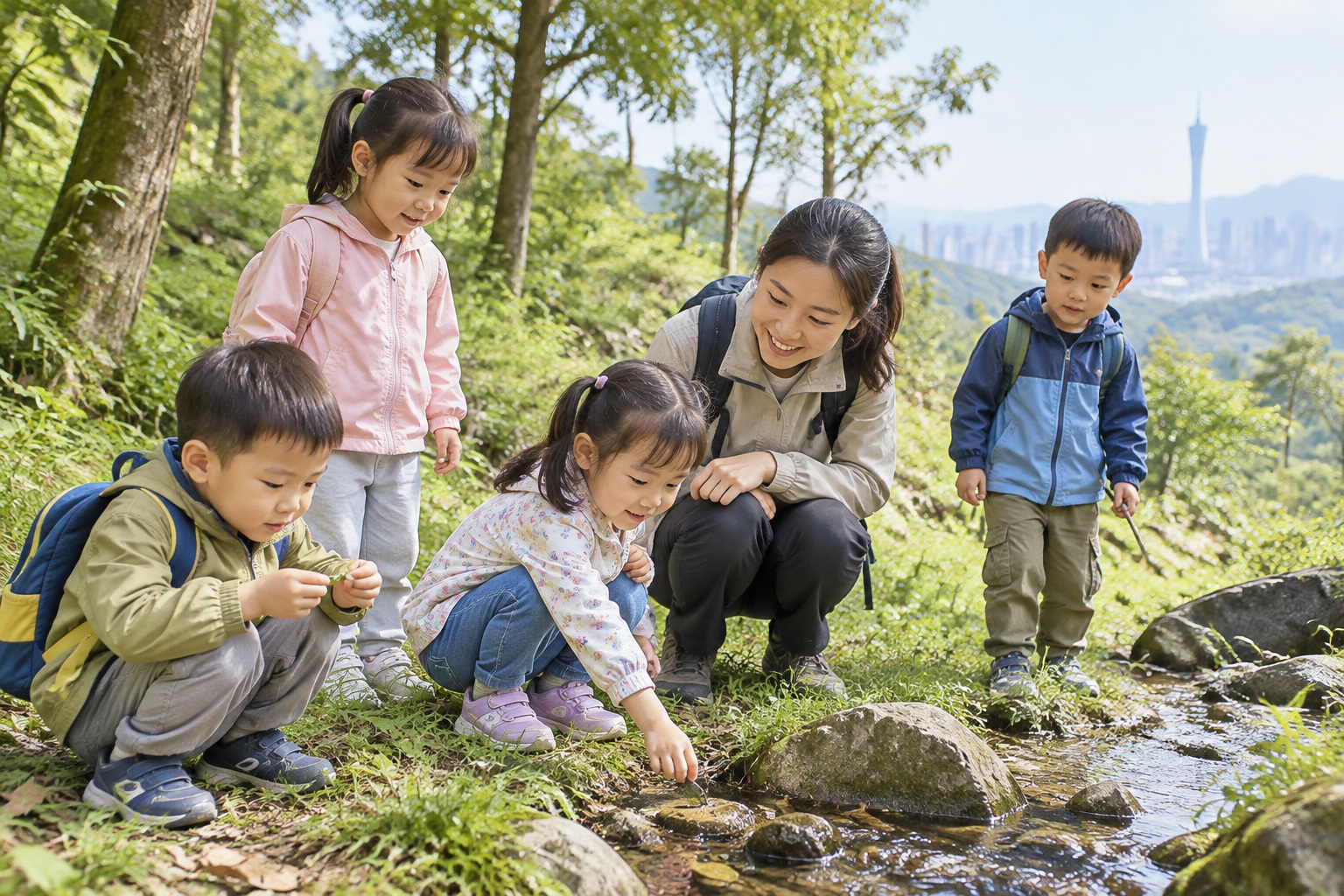

A muddy morning in the hills north of Guangzhou
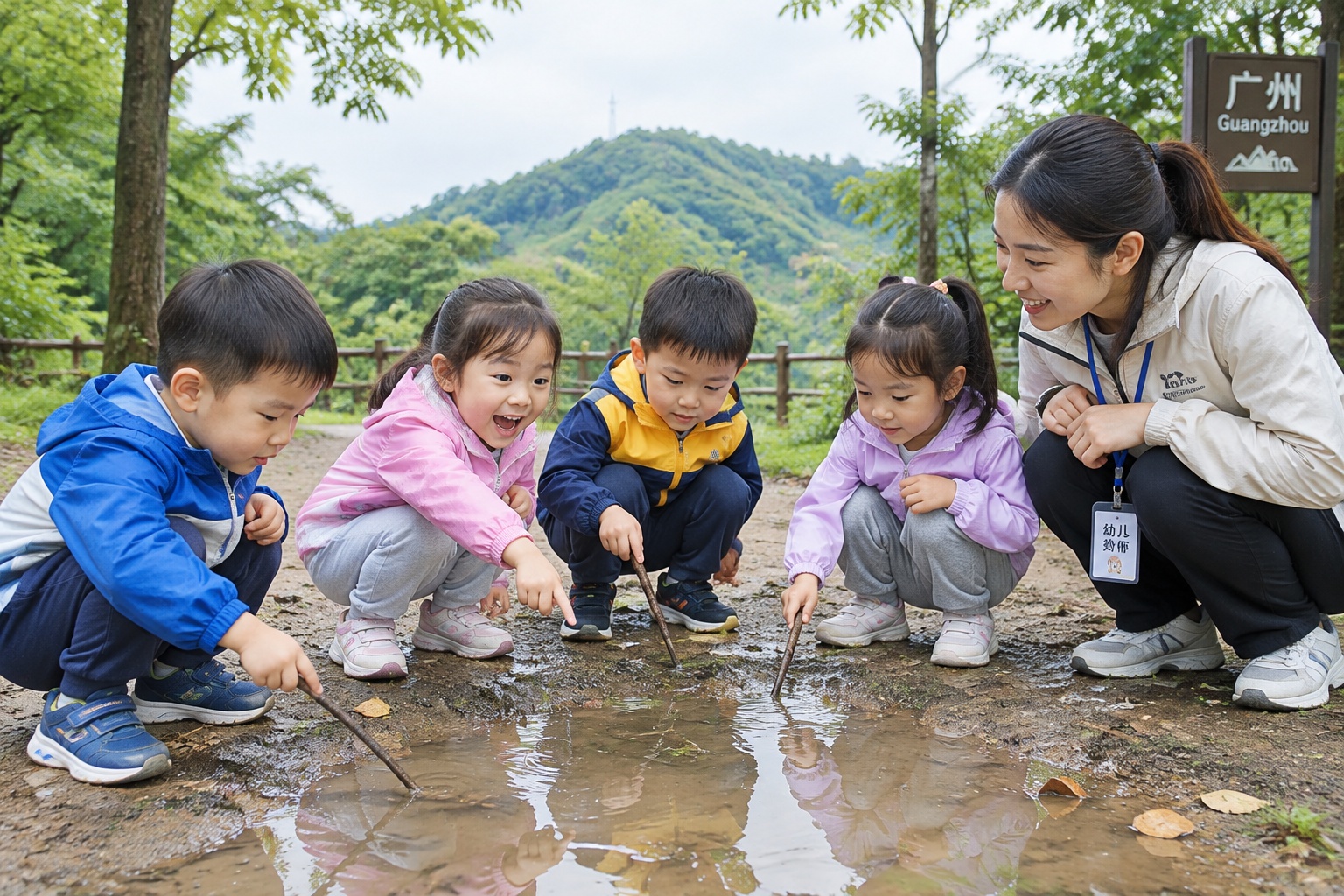
It is 9 a.m. on a Tuesday, and a group of four-year-olds is squatting around a puddle, poking at it with sticks. One boy announces he has found a frog. He hasn’t—it’s a leaf—but his teacher crouches down anyway and asks what color the frog is. Nobody is wearing a uniform. Nobody is holding a worksheet.
This is a “forest kindergarten,” tucked into the green hills on the edge of Guangzhou, a city of around 19 million people in southern China. The idea is simple: young children spend most of their day outdoors, learning through play, weather, dirt, and whatever they happen to find. There are no desks and very little in the way of a fixed curriculum.
For outsiders, the surprising part isn’t the mud. It’s where this is happening. Guangzhou is a fast, commercial city, and China is a country where education is often treated as a high-stakes competition that starts young. So why are some parents here deliberately opting out of the usual path?
What is a forest kindergarten, and why China?
The concept comes from Northern Europe, especially Scandinavia and Germany, where “forest schools” have existed for decades. The thinking is that small children learn best through unstructured outdoor play—balancing on logs, digging, getting cold and then warm again—rather than through early academic drilling.
In China, this collides with a very different default. Chinese early education has traditionally leaned toward structure and preparation. Many kindergartens teach children to recognize hundreds of Chinese characters, do basic arithmetic, and sit still for lessons—partly because parents worry about the long road ahead.
That road has a name most foreign readers may have heard of: the gaokao, China’s national college entrance exam. Taken at 18, it heavily shapes which university a student can attend, and by extension, their career options. The pressure is real, and it has a way of flowing backward through the whole system—into high school, middle school, primary school, and even kindergarten.
So when a parent in Guangzhou chooses a forest kindergarten, they aren’t just picking a school. They are quietly stepping off a track that millions of families treat as the only safe option.
Why these parents are opting out
I spoke with several parents whose children attend forest or nature-based programs around Guangzhou. Their reasons were more personal than ideological.
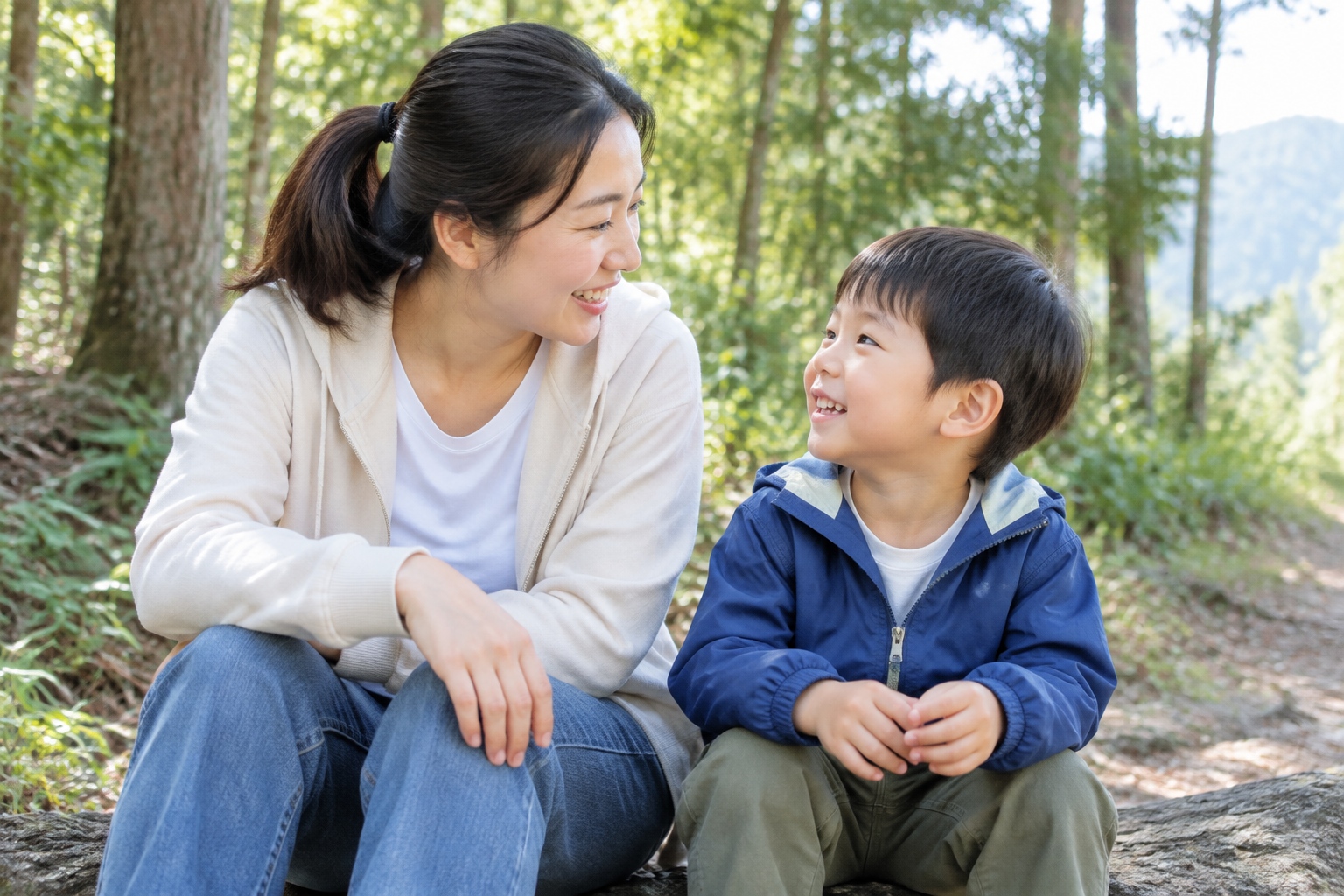
Lin, a mother who works in marketing, said her older child had struggled with anxiety in a conventional, academically intense kindergarten. “He was five and already afraid of making mistakes,” she told me. “I didn’t want that again.”
Another father, a software engineer named Chen, framed it in terms of his own childhood. “I spent my whole youth in classrooms. I was good at exams, but I didn’t know how to talk to people or solve a real problem,” he said. “I want something different for my daughter, at least when she’s small.”
What struck me was that none of them described themselves as rejecting academics entirely. They weren’t anti-exam crusaders. Most expected their children to eventually enter the mainstream system—primary school, homework, tests, all of it. They just wanted the first few years to be about something else: curiosity, confidence, and physical health.
The worries that come with the choice
These parents are not relaxed about their decision. If anything, they carry a specific kind of anxiety.
The most common worry is the transition. Chinese primary schools move fast. By first grade, children are often expected to already recognize characters and sit through formal lessons. Parents of forest-kindergarten kids ask themselves the same question again and again: will my child fall behind the moment they enter the regular system?
Cost is another issue. Many of these programs are private and not cheap, which quietly limits who can choose this path. This is not a mass movement. It is a choice made mostly by middle-class, often college-educated urban parents who feel they have a bit of room to experiment.
There is also social pressure. Grandparents, in particular, sometimes don’t understand it. “My mother asks why I pay money for my son to play in the dirt,” Lin said, laughing. “In her generation, education meant books and discipline. Playing was what you did after the real work.”
A day in the woods
Daily life at these kindergartens looks nothing like a typical Chinese classroom.
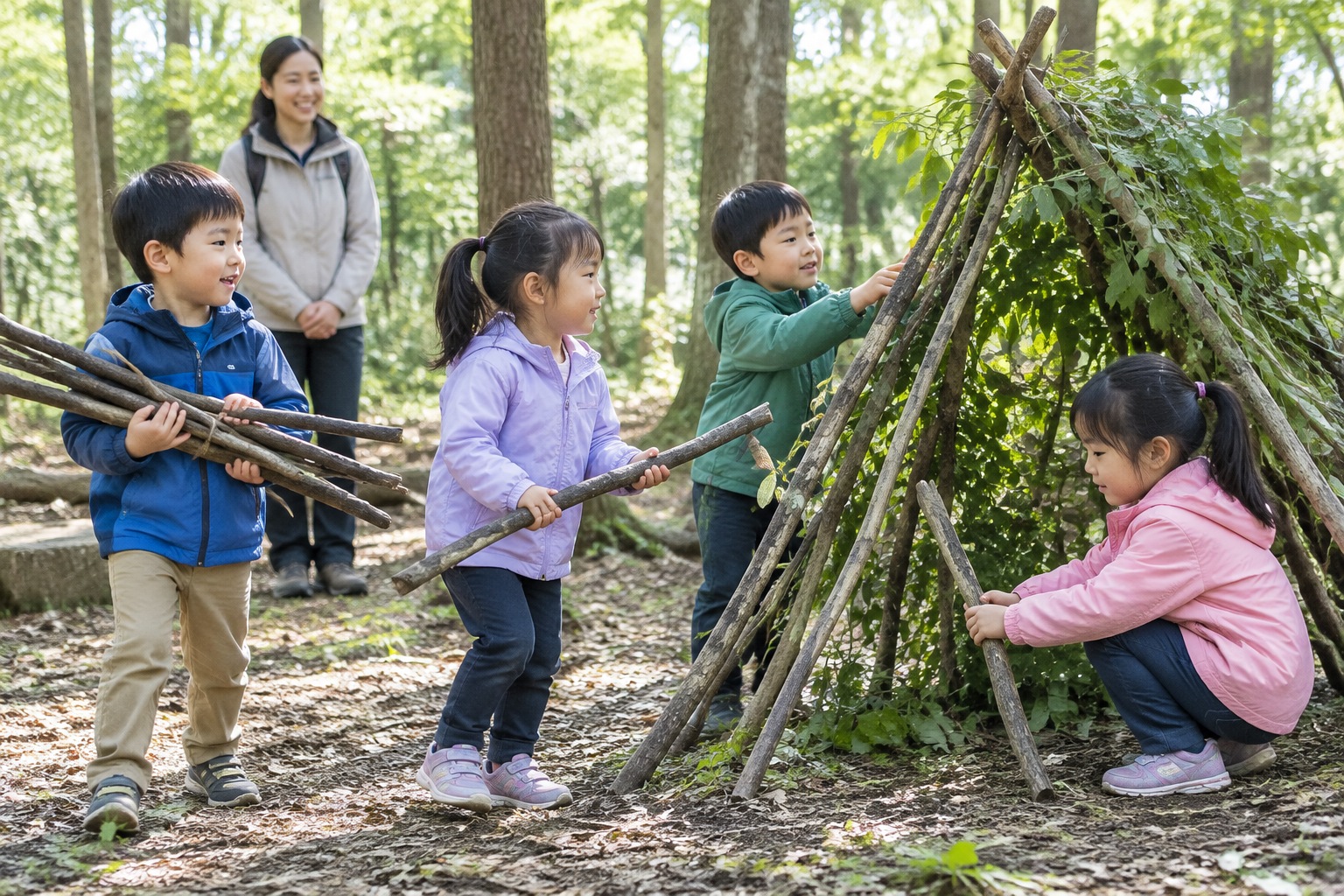
Children arrive and change into clothes that are allowed to get dirty. The morning might involve a walk, a project—building a shelter from branches, say—or simply free play. Teachers act more like guides than instructors. When a child asks why leaves fall, the answer often comes as another question, or an invitation to go look.
Risk is handled differently, too. In many Chinese schools, safety means minimizing physical risk almost entirely. Forest programs instead let children climb, use small tools, and occasionally scrape a knee, on the theory that managing small risks builds judgment.
The changes parents notice are concrete. Lin says her son sleeps better and talks constantly about insects and plants. Chen’s daughter, once shy, now leads other children in games. These are not test scores, and that is exactly the point—the parents are measuring something they feel the standard system doesn’t reward.
Not a simple fight between nature and exams
It would be easy to tell this story as a clean battle: free-spirited nature on one side, rigid exam culture on the other. The reality is messier, and more interesting.
For one, China’s education system is itself changing. In recent years the government has pushed policies to reduce academic burden on young children, including rules discouraging kindergartens from teaching formal primary-school content, and the high-profile 2021 “double reduction” policy that cracked down on the private tutoring industry. The official direction, at least on paper, has moved toward less early pressure—though how this plays out in practice varies enormously.
Forest kindergartens sit in an interesting spot within this shift. They are both a reaction against old pressures and, in a way, aligned with the newer official emphasis on well-rounded development. They are not purely rebellious.
And the parents themselves are not naïve. Most are making a bet: that a strong, happy, curious foundation in early childhood will serve their children well even when the exams eventually arrive. Whether that bet pays off, nobody can say yet. The children are still very young.
What it reveals about Chinese parents today
Step back, and the real story isn’t about frogs or puddles. It’s about a growing group of Chinese parents who are willing to question a system they themselves grew up inside.
They are not revolutionaries. They cook dinner, worry about mortgages, and will probably help their kids with math homework in a few years. But in choosing to send a four-year-old into the woods, they are expressing a view that would have sounded strange a generation ago: that childhood has value in itself, not only as preparation for the next exam.
That quiet shift—happening one muddy morning at a time—may say more about where China is heading than any headline about test scores. And it’s a reminder that behind the big statistics about Chinese education are ordinary families, making careful, often anxious choices about how their children should grow up.
Start the discussion at forum.chinacomes.com