

Meet the Ski Bum in China’s Wild West
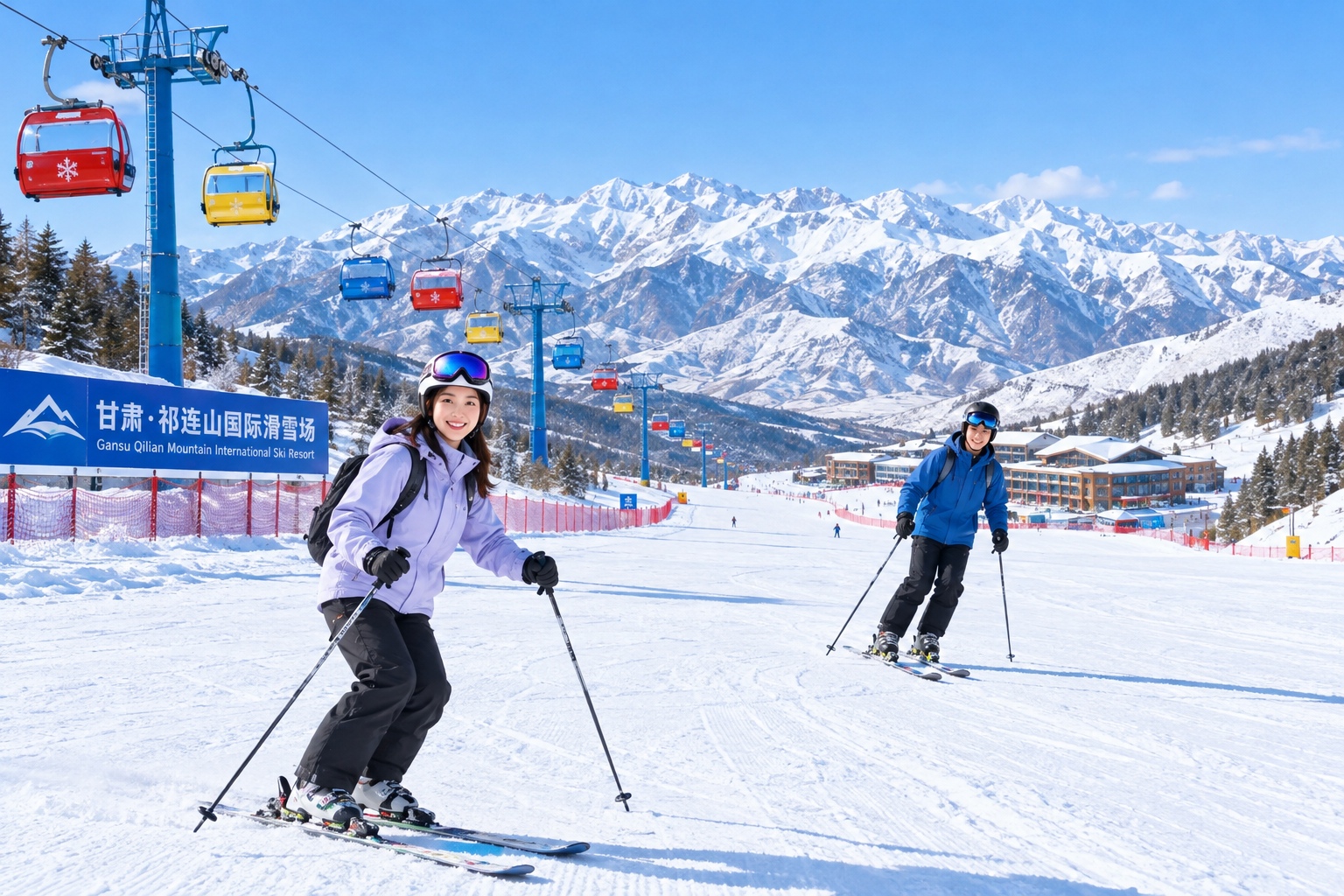
It’s a Saturday morning in late January, and the car park at Songmingyan International Ski Resort, a 90-minute drive from Lanzhou, is already packed. Families are pulling snow boots out of trunks, teenagers in rented ski suits are checking their goggles, and the lift queue is starting to snake across the white bowl of the mountain. The scene could be mistaken for the Alps — except for the yellow Chinese characters on the slope-side banners and the mouth-watering scent of cumin-spiced lamb skewers from a nearby stall.
Why Gansu? A Surprising Ski Destination
Gansu isn’t the first place that comes to mind when you think of Chinese winter sports. The province is famous for the Gobi Desert, the ancient Silk Road, and hand-pulled noodles. But its mountainous terrain and reliable winter snowfall have turned it into an unlikely ski hotspot. Sure, the resorts here aren’t as big as the ones near Beijing that hosted the 2022 Winter Olympics. But for a region looking to diversify its economy away from coal and agriculture, snow is becoming a valuable cash crop.
Take Songmingyan, for example. It opened in 2016 and sits at an altitude of about 2,400 meters. It’s got 12 runs, half a dozen lifts, and a hotel that sells out on weekends. The mountain town that surrounds it — once just a place for summer hikes — now sees a steady flow of visitors from November to March.
How a Ski Resort Makes Money
So how does cold weather turn into cash? The obvious answer is lift tickets. Adult daily passes at most Gansu resorts run between 150 and 300 yuan (roughly $20 to $40), which is a fraction of what you’d pay at major resorts in Switzerland or Colorado. But the real money is in everything else.
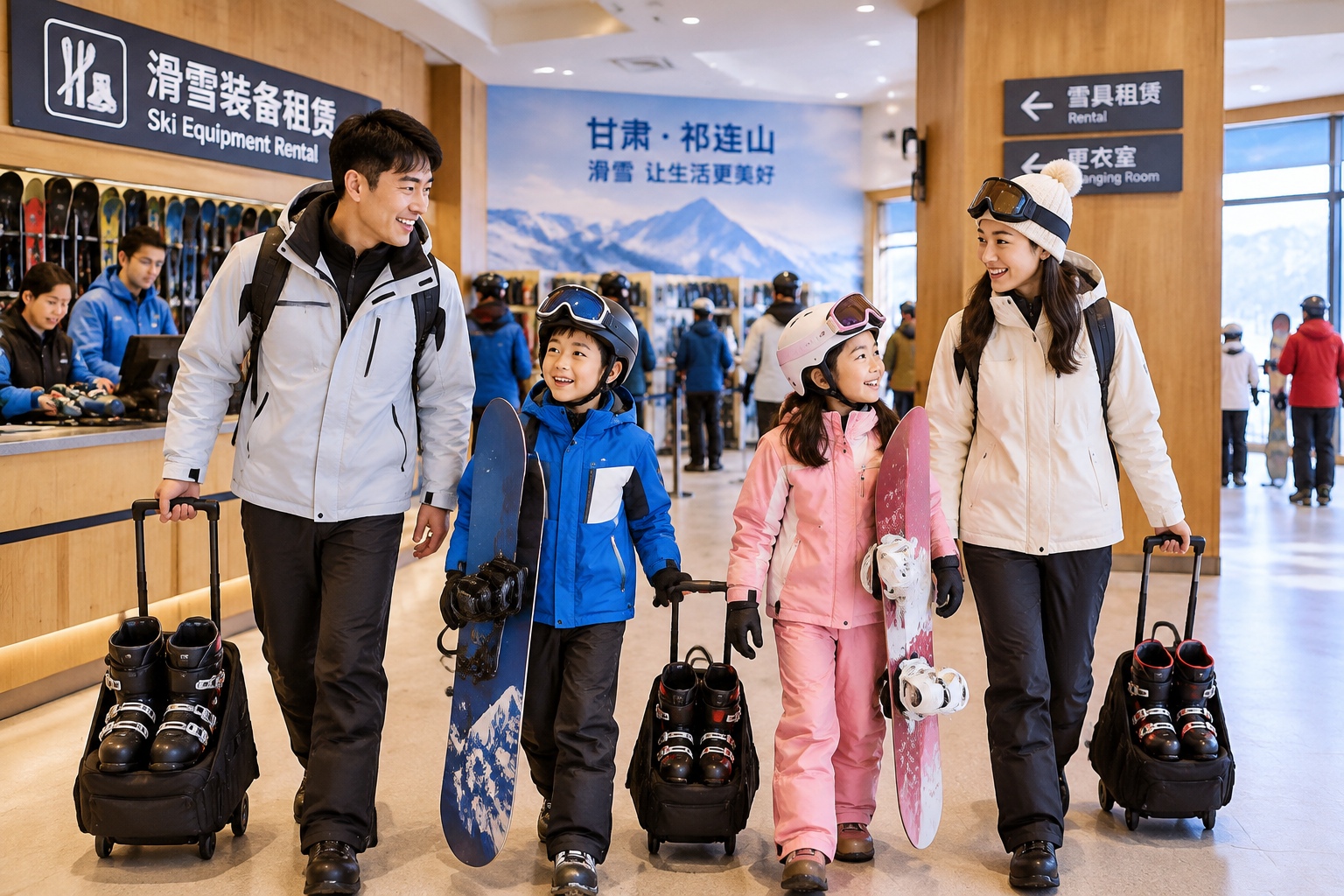
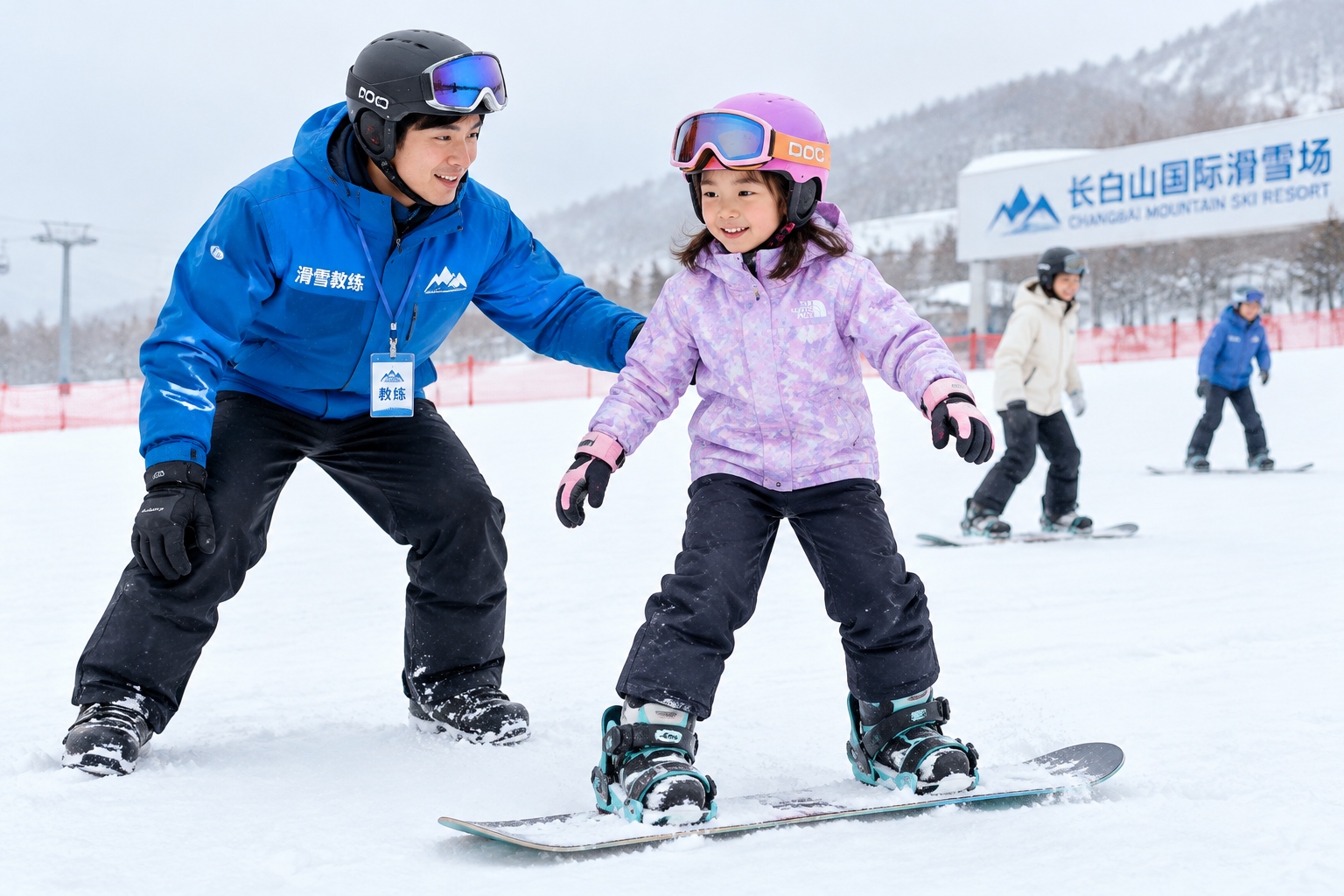
Rentals are a goldmine. Most locals don’t own skis or snowboards, so they pay 50 to 100 yuan a day for gear. Then there are lessons. Private lessons cost about 200 yuan per hour, and group classes are often sold out on weekends. And where there’s skiing, there’s hunger: slope-side restaurants serve hotpot, grilled skewers, and bowls of steaming beef noodles. A family of three can easily spend 500 yuan in a day after factoring in tickets, gear, food, and a hot chocolate.
Beyond Skiing: Hot Springs, Hotels, and Night Slopes
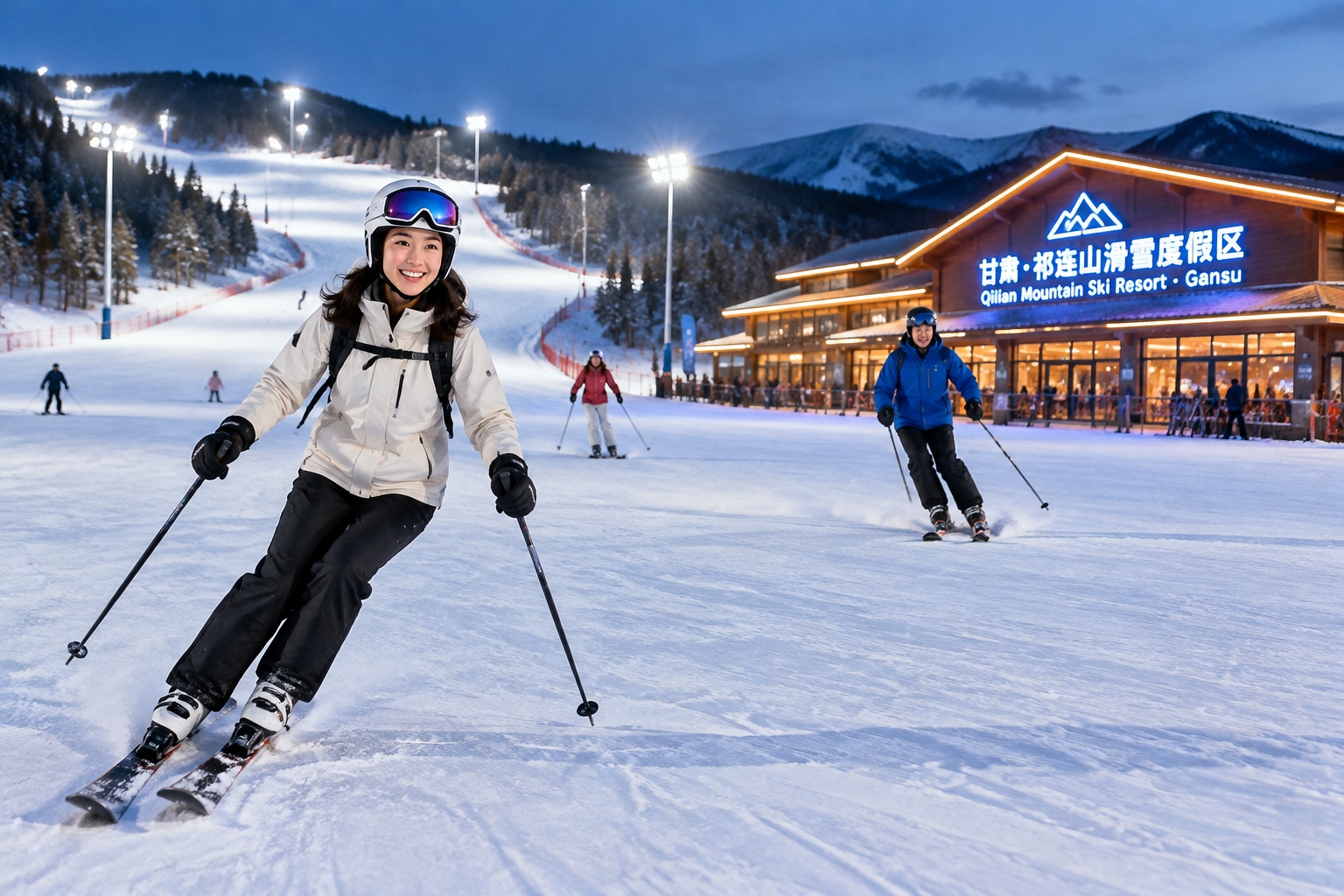
Many resorts are working hard to keep visitors around for more than a day. Some partner with nearby hot springs to offer “ski in the day, soak at night” packages. Others are investing in night skiing sessions under floodlights, which feel magical and extend the money-making hours. Accommodation is another big draw. The hotels at these resorts aren’t five-star, but they’re clean, comfortable, and often come with a mountain view. On busy weekends, they’re booked solid at 400 to 600 yuan a night.
Who’s Skiing in Gansu?
It’s not just wealthy tourists. On a typical day, you’ll see university students on a budget, local couples on first dates, and families with kids who are just learning to snowplow. Many schools in Gansu actually organize winter trips to ski resorts as part of physical education. The provincial government offers discounts for students and children, and some resorts let children under a certain height ski free. That’s a clever investment: today’s snowplow-kids are tomorrow’s season-pass holders.
The Winter Economy Ripple Effect
The ski boom is changing more than just the ski slopes. Small businesses are springing up in nearby villages: shops selling secondhand ski gear, vans that ferry groups from the city, and farmers who rent out their fields as temporary parking spaces during peak season. The job impact is real too. Resorts hire hundreds of seasonal workers — lift operators, instructors, cooks, and cleaners — many of whom come from rural districts where winter work used to be scarce.
Take Zhangye, a city in western Gansu that’s known for its colorful Danxia landforms. It now has its own ski resort, and the local tourism board is pushing a “winter wonderland” itinerary that pairs ski slopes with hot springs and ancient temple visits. Tour operators say winter visitor numbers have doubled in the past three years.
Not All Smooth Sledding
This isn’t a perfect business, though. The ski season in Gansu is short — typically only three months, from early December to the end of February. That means resorts have just 90 days to make their annual revenue. Climate change is another concern: warmer winters are already forcing resorts to rely more heavily on artificial snowmaking, which eats into profits and uses a lot of water. There’s also competition. Skiers from Gansu can now hop on a cheap flight to Xinjiang or Hebei, where the slopes are bigger and the infrastructure is more developed. To survive, Gansu’s resorts are betting on affordability and convenience. They’re within a couple hours’ drive of major cities like Lanzhou, which makes them the easiest option for a weekend getaway.
Cold Winters, Hot Business
For decades, winter in Gansu meant frozen fields, dormant tourism, and a long wait for spring. Now it means full car parks, busy rentals counters, and the smell of roasting chili oil drifting across the slopes. The skiing economy here is still young — and it faces real risks. But it’s also teaching a region once associated with desolation that snow can be more than just weather. It can be a bankable asset.
So if you’re ever in northwest China during winter, don’t be surprised to see a snowboard strapped to the back of a taxicab nosing through dust. Gansu might not be Chamonix, but it’s carving out its own niche in the world of winter sports — one ski lesson, one noodle bowl, and one freshly made snowball at a time.
Start the discussion at forum.chinacomes.com