

Why a Structured Approach Works Best
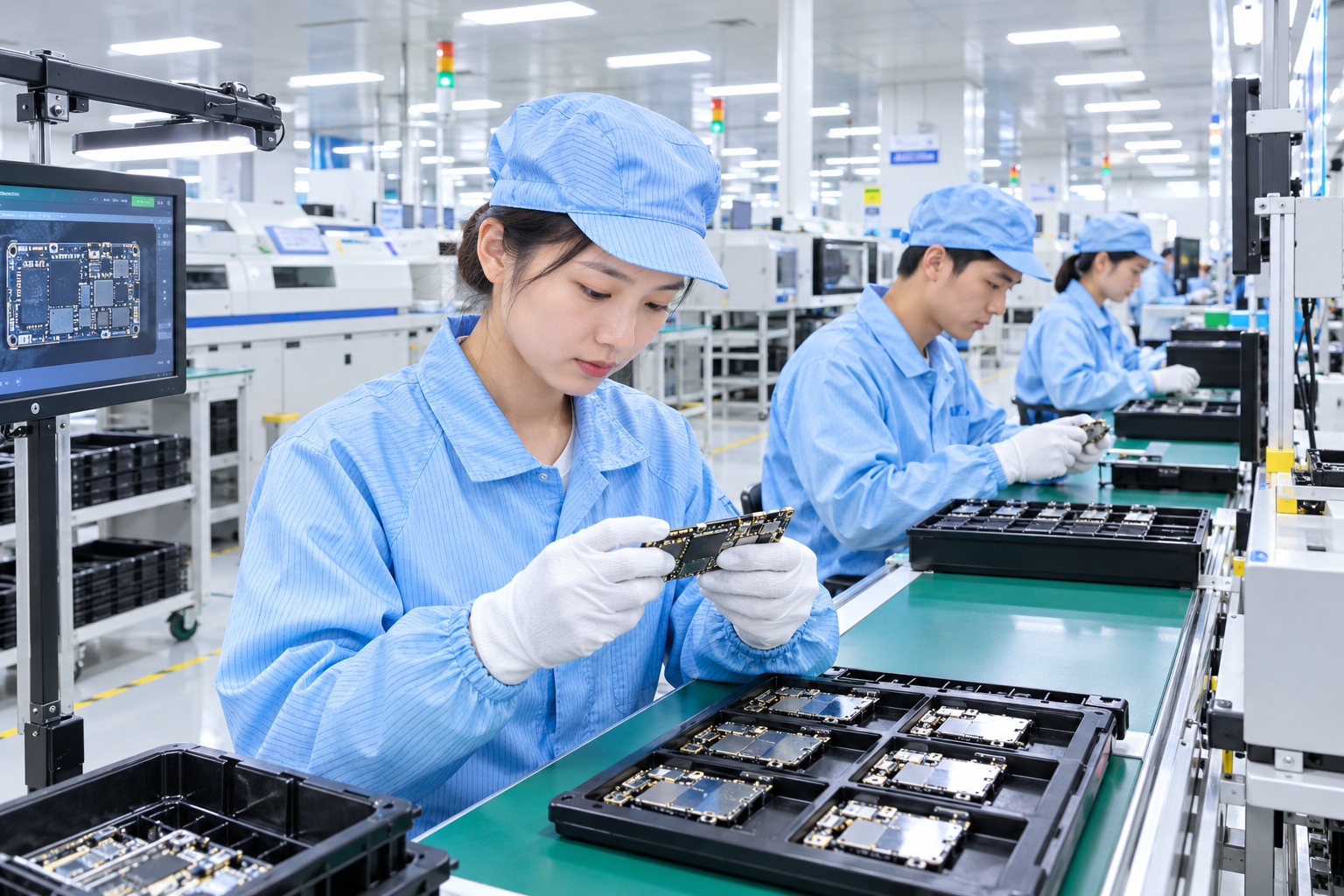
First-time buyers often fall into two traps: they either trust a low-priced supplier discovered on a chat app, or they overpay through too many middlemen. I have spent years helping international buyers source components and finished electronics in Guangdong and Shenzhen. What separates a smooth transaction from a costly mistake is a clear sequence of decisions. Here is the exact process I walk every new client through.
1. Define Your Product Specs and Budget With Surgical Clarity
Before you even message a factory, you need a spec sheet. Do not say ‘smart watch’ — say ‘smart watch with a 1.3-inch AMOLED display, GPS, heart-rate sensor, battery life over 7 days, IP67 waterproof, FCC and CE certification required.’ Write down the minimum order quantity (MOQ), target unit cost, and total budget — including shipping, customs duties, and a buffer for samples and testing. A good practice is to set aside 15% of your total budget for quality control and unexpected changes.
Because sourcing electronics from China is highly competitive, you usually get exactly what you specify. Vague products often lead to inferior components or cut corners. Define tolerances, material specs, and even packaging dimensions in your initial inquiry.
2. Choose the Right Platform: Alibaba, 1688 or Global Sources
For international buyers, Alibaba.com is the easiest starting point because it supports English, has Trade Assurance (an escrow system that holds payment until you accept the goods) and lists many export-ready suppliers. If you are willing to work in Chinese and want lower prices, try 1688.com, where most domestic factories quote without the export premium. Global Sources is another platform that works well for consumer electronics, and Made-in-China.com is useful for mid-sized orders.
For very low volumes, consider buying from a trading company or an online agent that can consolidate products. But remember that each layer adds cost and can weaken quality control. Usually, direct supplier communication is better.
3. Vet Suppliers as You Would Hire an Engineer
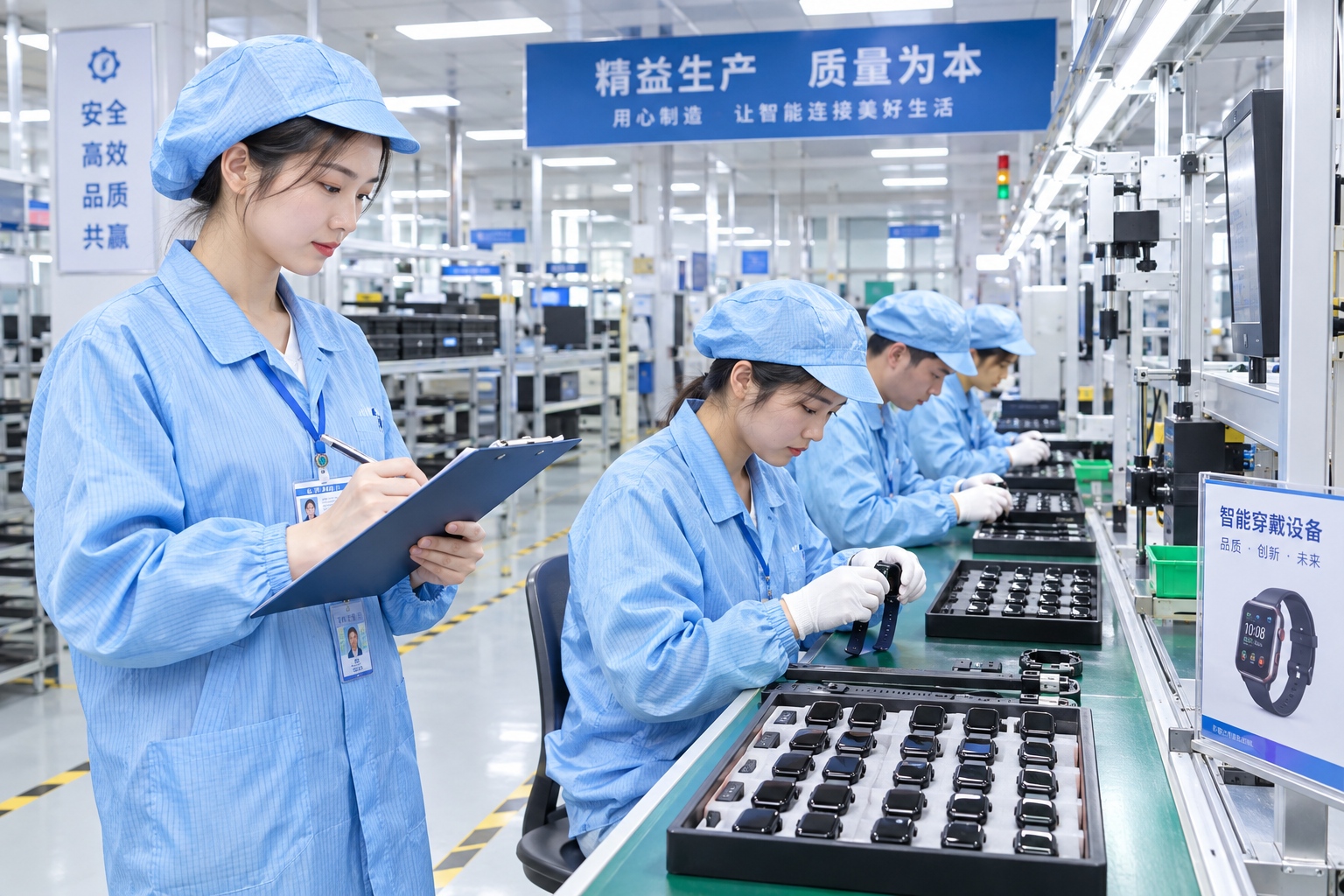
A fast chat response never means a reliable factory. Ask for a business license and confirm the legal entity name. Use Chinese business-registry tools if possible or ask for an English version from the supplier. Then arrange a video call to see assembly lines and handling tests. Prefer suppliers who show you their production equipment rather than just holding the sample.
Check for badges such as Alibaba Verified or SGS factory-audit reports, but do not trust them alone. Ask for three current B2B clients in your product category and contact them directly. If the supplier cannot disclose buyers, that is a warning sign. A real manufacturer will often share an annual audit or order records on request.
4. Test Samples Under Realistic Use Conditions
Request samples before placing a batch order. Do not judge the samples under perfect conditions only. Drop the device, bend it, run the battery flat several times and charge it again. Open the casing and verify the battery chip and circuit board against specifications. That will show you how the factory builds, not just how it presents.
Ask for a pre-production sample if the product requires moulds or customised enclosures. Test the packaging and label design. Verify certificates like CE, FCC, RoHS or UL. Confirm that the sample certification matches the final product. You are paying for this knowledge, so make it count.
5. Set Concrete Quality Control and Use a Third-Party Inspection
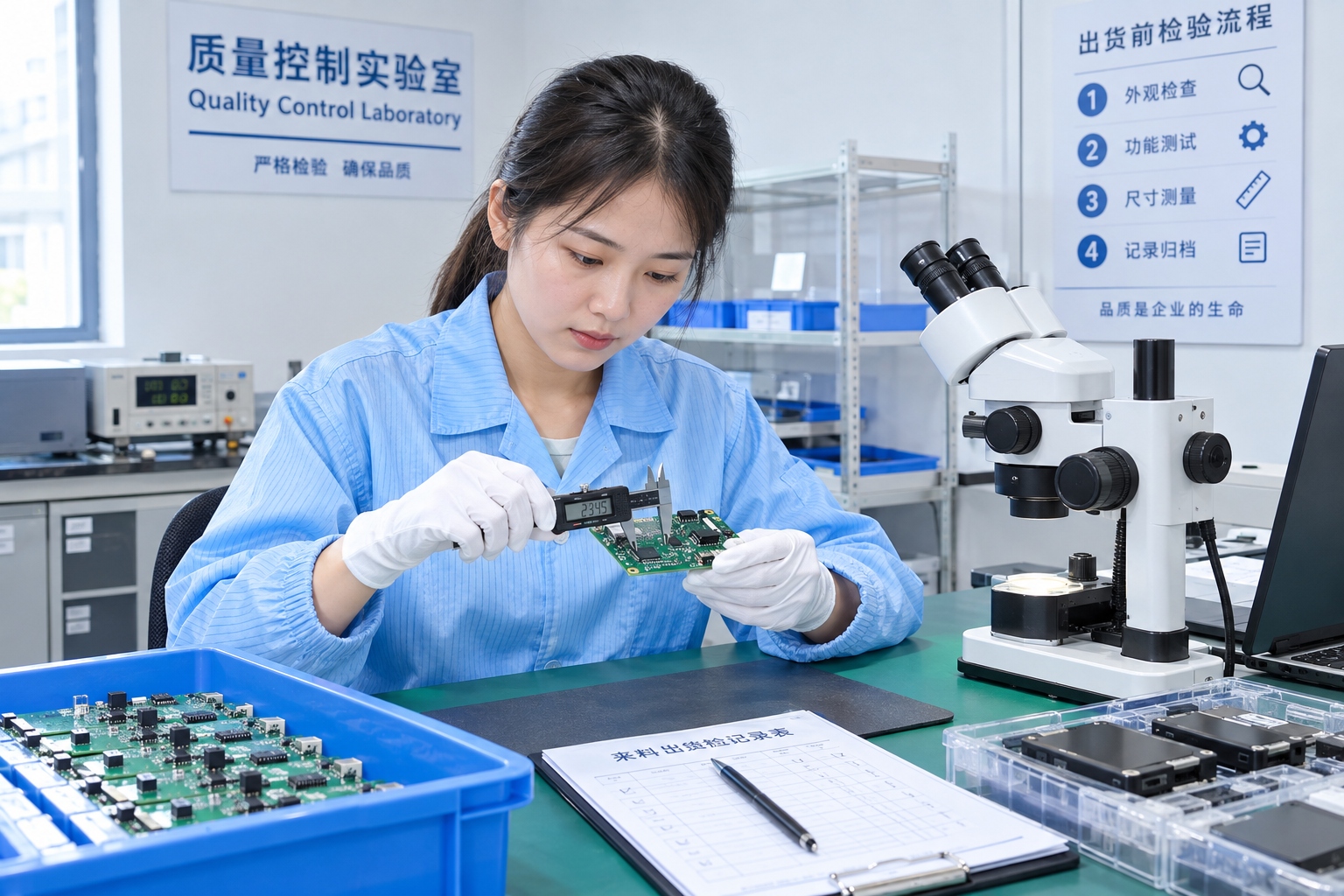
Before mass production, agree on a written quality standard with your supplier. Use international benchmarks like AQL 2.5 for major defects and AQL 4.0 for minor defects. Decide what is acceptable in colour, size, performance and packaging.
Book a third-party inspection company such as SGS, TUV Rheinland or a niche Asian QC firm to check the goods before shipping. They will randomly pick units from the batch, run functionality tests, verify dimensions and check packaging. Their report will tell you if the batch meets your standards. Skipping this step to save a few hundred dollars can cost you your customer’s trust.
6. Arrange International Logistics and Customs Smoothly
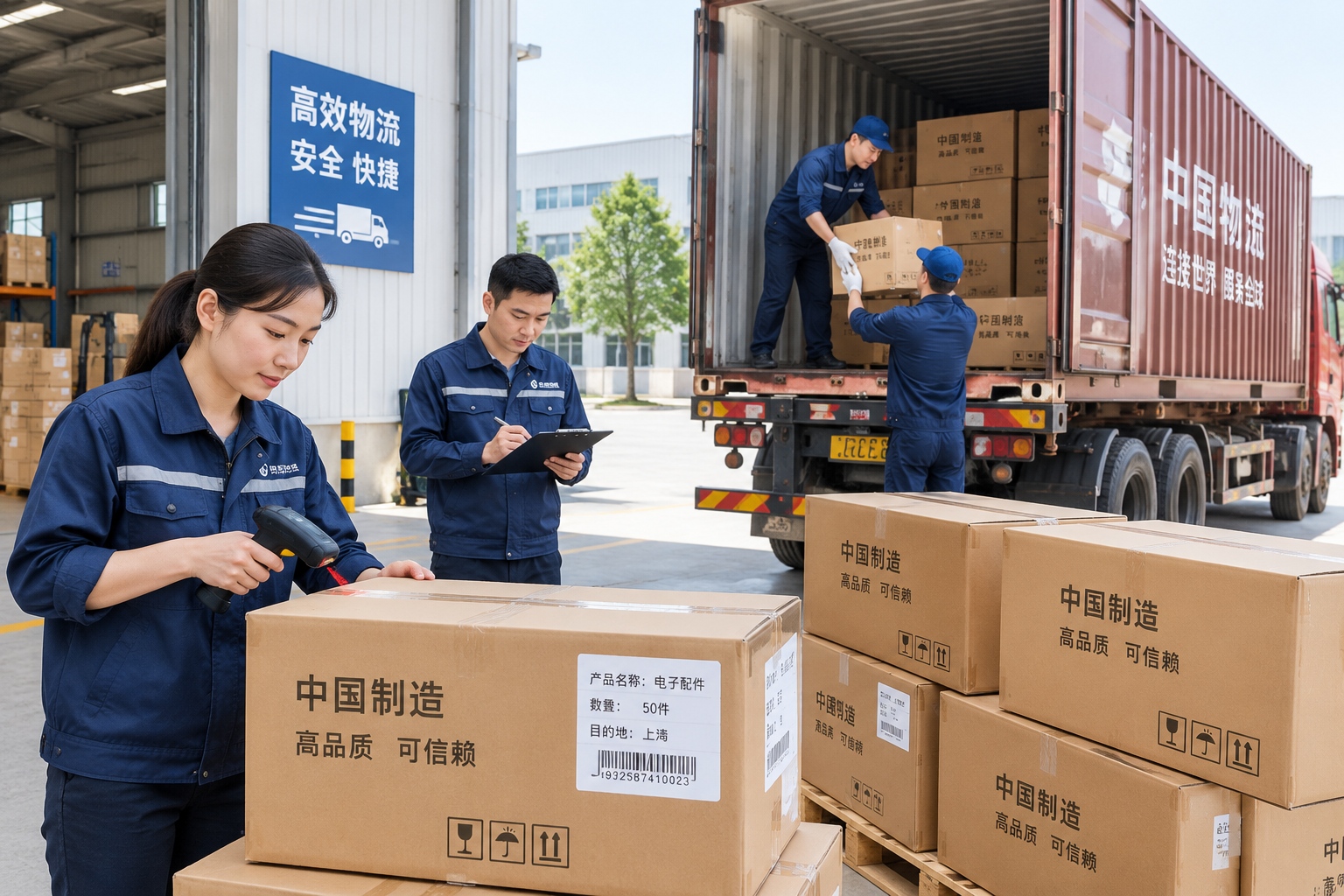
When production is complete, the factory will prepare goods. You need a freight forwarder and the right Incoterm. FOB (Free On Board) is straightforward: the supplier pays for loading and clearing export in China; you pay for sea or air freight. EXW (Ex Works) is cheaper but requires you to handle all export processes.
Air freight is cheaper per piece for small parcels and takes about 5–7 days from Guangzhou to Europe. Sea freight takes 20–30 days but is far cheaper for larger volumes. Your forwarder handles the export declaration and customs clearance in your destination country. Keep the complete document package ready: commercial invoice, packing list, bill of lading/airway bill, certificate of origin and any required test reports. Missing paperwork is the main reason why shipments get stuck.
Bottom Line: Start Small and Learn Fast
Once you have a source you trust, you can scale up. But for the first order, keep your quantity lower than your maximum forecast. With 200–500 units, you can learn the entire process, evaluate real delivery times and check how well the product sells. Reinvest the profit into larger orders and stronger supplier relationships.
Every experienced buyer I know has a story about a bad first shipment. The ones who bounce back all did one thing differently: they followed a systematic sourcing playbook. Now it is your turn to move from hope to plan.
Start the discussion at forum.chinacomes.com