
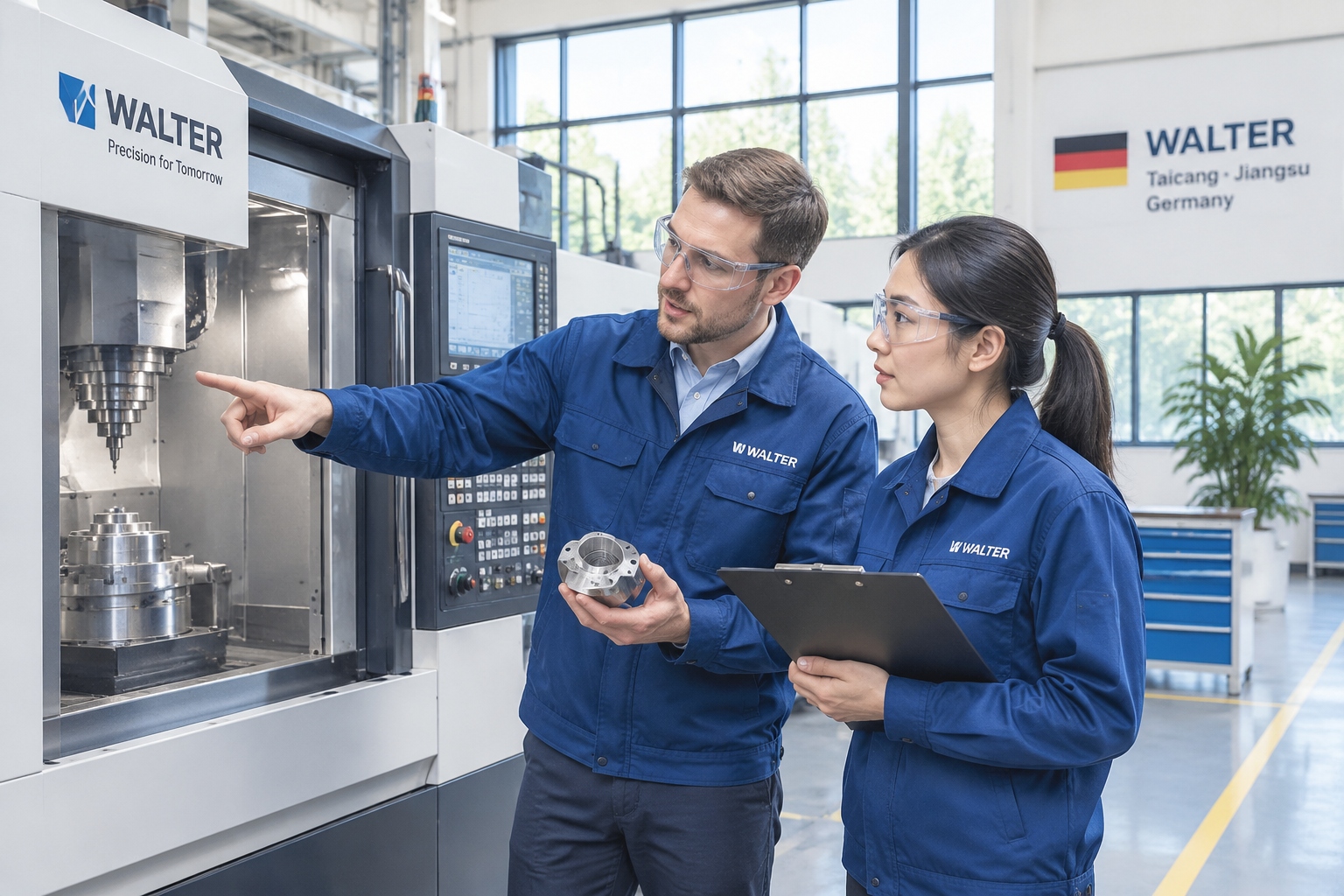

A German factory floor, 50 kilometers from Shanghai
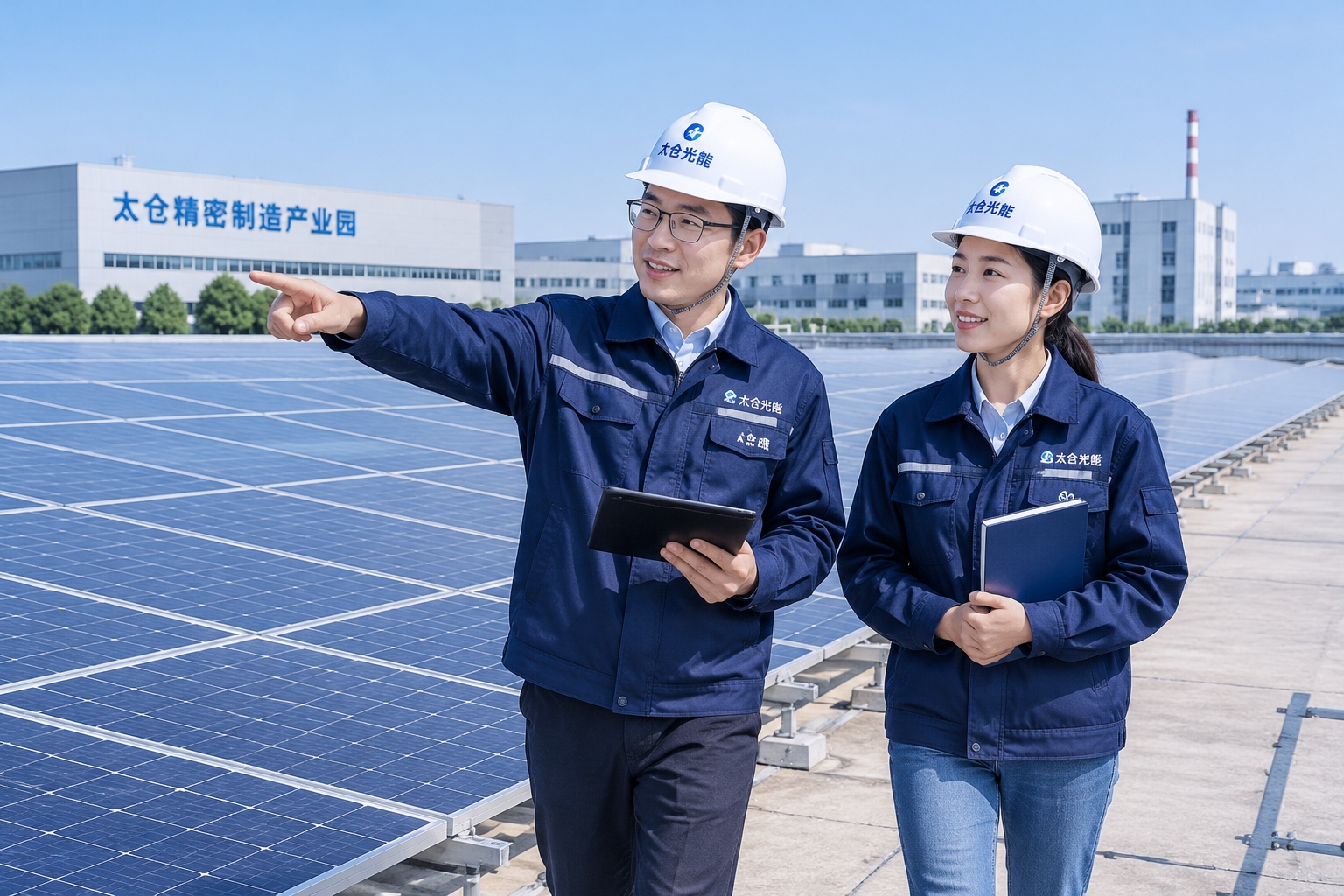
At a Schaeffler plant in Taicang, a small city in Jiangsu Province, the first thing a visitor notices is not a robot arm. It is the roof. Thousands of solar panels cover the factory, and the electricity they produce helps the plant run on 100% green power. A few kilometers away, a German machine-tool supplier can receive a critical part from its Chinese supplier in about ten minutes.
These two scenes explain why Taicang has become one of the most German industrial cities outside Germany. The city has a permanent population of under 850,000. It hosts more than 560 German companies, with total investment of over USD 6 billion and annual industrial output above RMB 67 billion. Six of Germany’s top ten machine-tool makers have a plant here. So do eight of Germany’s top 20 industrial family businesses.
Shi Mingde, a former Chinese ambassador to Germany, once said Taicang is better known in Germany than in China. That sounds like a joke. In the industrial world, it is closer to a description.
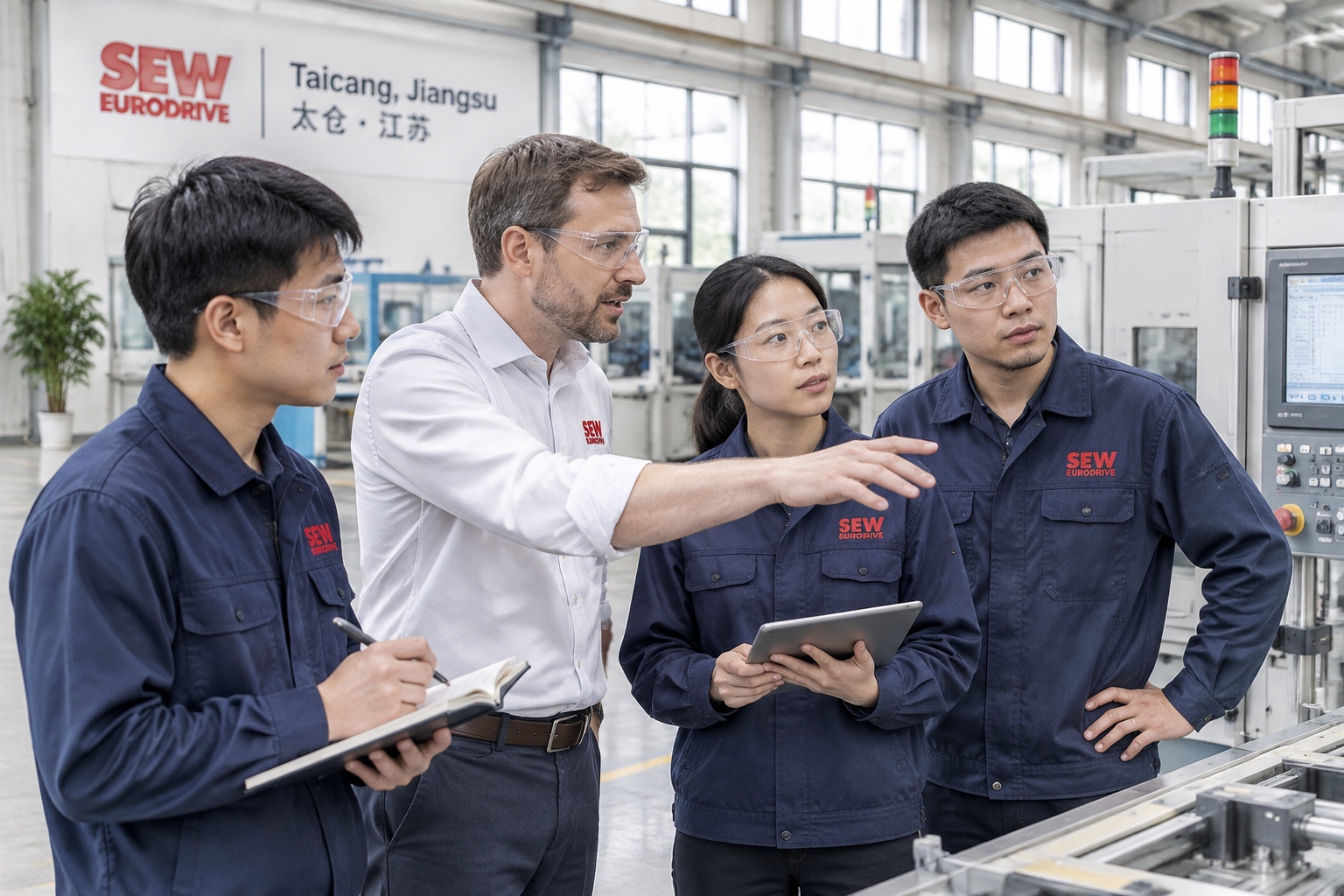
How a small city became a German industrial base
For readers outside China, Taicang needs a one-line introduction: it is a county-level city under Suzhou, in the Yangtze River Delta, about 50 kilometers from Shanghai. It has a port, available land and lower costs than Shanghai. In the early 1990s, that combination was not yet obvious to foreign investors. Then Volkswagen opened a plant in Shanghai in 1993, and German suppliers began to look at the region.
Kern-Liebers, a German spring and metal component maker, was one of the first. Its chairman wanted a site close to Shanghai, with good transport and a labor force that could be trained. Shanghai was too expensive. Suzhou was too far. Kunshan was already crowded. Taicang was just right. Land and operating costs were a fraction of Shanghai’s.
The first factory did not stay alone. Dr. Stamm, a German executive in Taicang, began recommending the city to other German companies. By 2000, more than ten German firms had arrived through his referrals. By 2007, the number was 100. By 2024, it had passed 500.
Hairui’en, a German manufacturer that set up in Taicang in 2004, has referred more than 20 German companies over 22 years. Its chairman, Jürgen Häring, calls Taicang a second home. Word of mouth built the first cluster. It did not build the next stage alone.
Training workers the German way, in a Chinese city
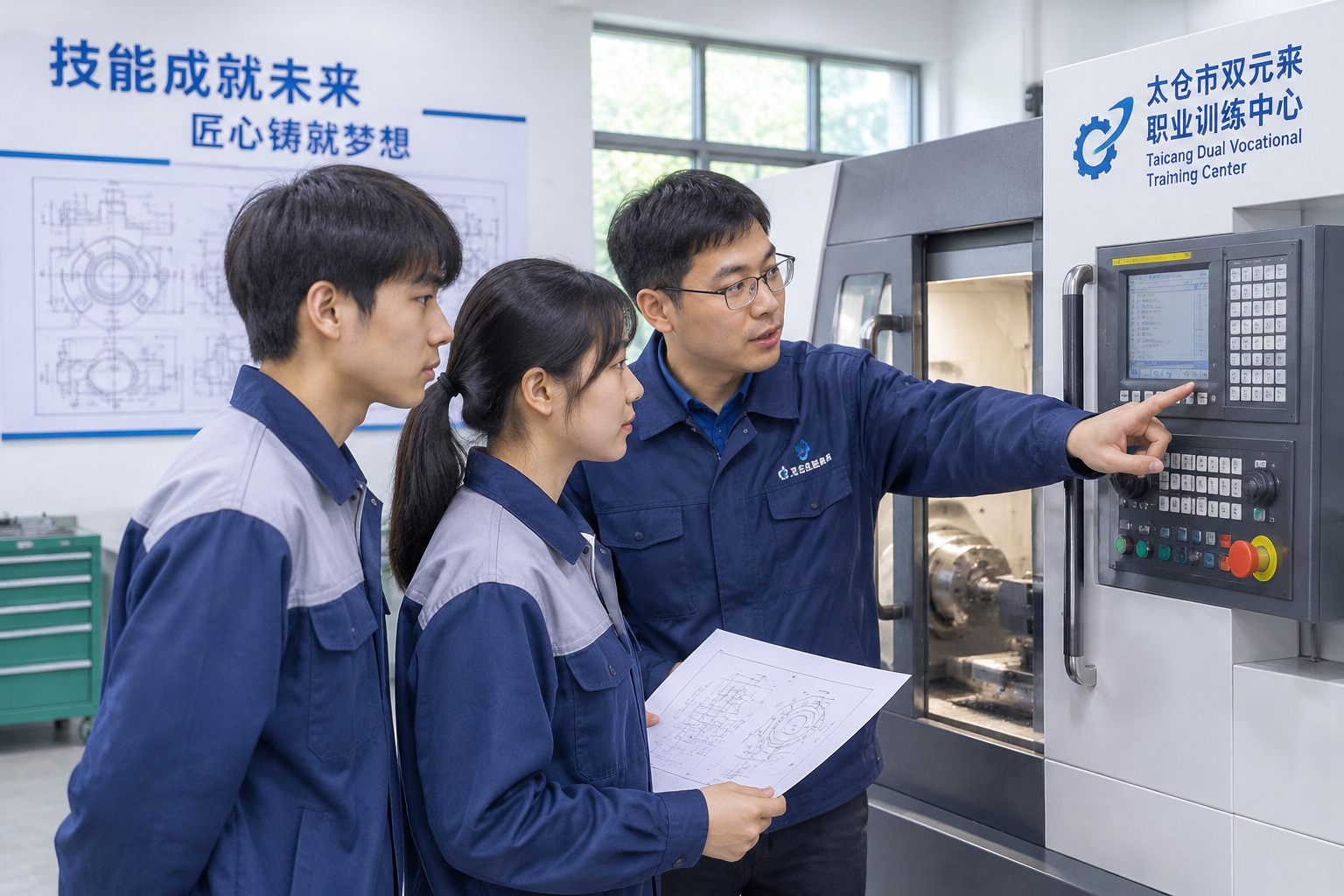
German manufacturers are demanding. They need workers who can read a technical drawing, operate a machine and understand why a tolerance matters. In 2001, Taicang introduced Germany’s dual vocational education model. Students learn theory at school and practice on the factory floor. They graduate ready to work.
Taicang now has 15 dual-training centers and has trained more than 10,000 skilled workers. Among German-invested firms in the city, 28% of technicians and 18% of engineers come from this system. That is a quiet piece of infrastructure. It does not appear in a skyline. It appears in the quality of a welded part and the speed of a production line.
The supply chain becomes the reason to stay
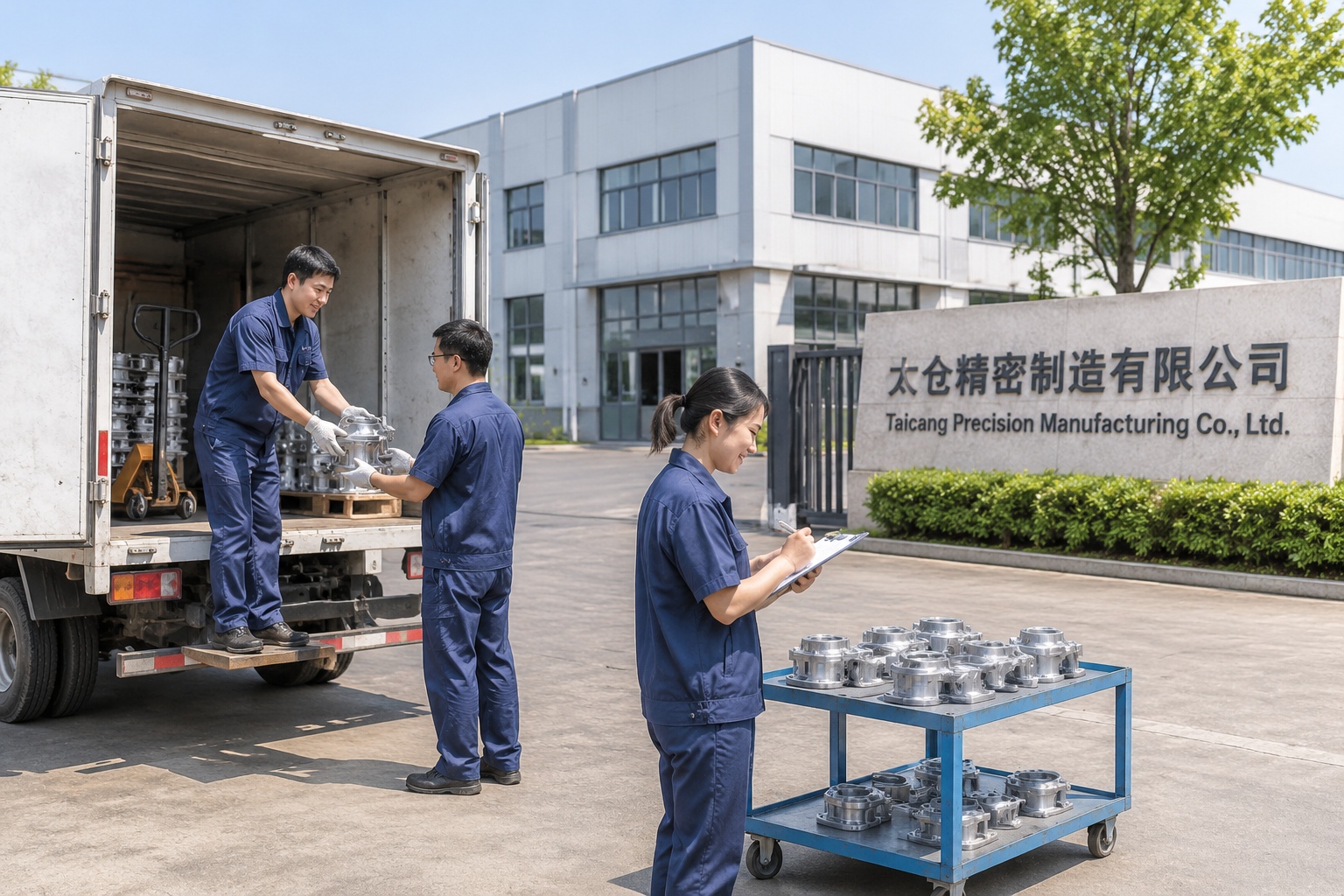
In the early years, German companies came to Taicang for location and cost. Today, many stay because of the supply chain. Boma Technology, a German company, moved its entire Shanghai factory to Taicang. The reason was simple: its suppliers were already there. A critical component could arrive in ten minutes.
That density creates a moat. Moving a factory is not only a matter of rent or tax. It means rebuilding relationships with suppliers, testing new logistics, retraining workers and absorbing the risk of delay. The chain is interlocking. For many German firms, leaving Taicang would cost more than staying.
This is where the phrase “Industry 4.0” stops being a slogan. Industry 4.0 needs more than software and sensors. It needs suppliers within reach, workers who can solve problems, stable electricity and a government that can make decisions quickly. Taicang has assembled those pieces around a specific industrial cluster.
The real advantage: certainty
Ask German managers what Taicang offers, and the answer is not always land or tax breaks. It is a word that has become a luxury in German manufacturing: certainty.
In Taicang, a company can be registered in half a day. Key project approvals can take as little as six days. That speed matters because delay is a hidden cost. A factory that waits two years to build cannot respond to a market that changes in six months.
In Germany, the approval process has become a political and economic issue. A 2025 survey by the Association of German Chambers of Commerce and Industry found that 68% of German companies cited complex approval and licensing procedures as their main bureaucratic obstacle. For a medium-sized manufacturer, building a plant and starting production in Germany can take two to three years.
Energy is the second bottleneck. German companies often pay several times more for electricity than their international competitors. That money could go into research, new equipment or better pay. Instead, it goes into the electricity bill. The same survey found that more than half of large industrial firms have reduced or plan to reduce production in Germany.
Taicang cannot solve every German problem. It can offer a different cost structure. Schaeffler’s Taicang plant has a 4,717-kilowatt rooftop solar station. In 2024, it bought 5 million kWh of green electricity and more than 200,000 green certificates, covering 100% of its production electricity with green power. State Grid’s Taicang branch provided a low-carbon service that handled everything from carbon accounting to green-power procurement.
The effect shows up in the numbers. In Taicang High-Tech Zone, German-invested firms use only one-fourteenth of the energy per unit of output value compared with the local average. In February 2026, construction began on the first China-Germany dual-certified zero-carbon industrial park in Taicang. Products from that park are meant to carry a green passport recognized in both China and Europe. That does not make carbon border rules disappear, but it lowers one barrier.
What reinvested profit says
Speeches can be polished. Investment decisions are harder to fake. In the first quarter of 2026, profit reinvestment by foreign-invested firms in Taicang exceeded USD 100 million, up 84.6% year on year. Local disclosures also cite a 69% year-on-year rise in foreign profit reinvestment in the first half of 2026. More than 90% of the German companies that arrived early have expanded in Taicang.
That is the most honest vote. Companies are not taking all their profits out. They are putting money back into land, equipment, research and people.
Taicang is not a copy of Germany. It is a working Chinese industrial city with German characteristics: a port, a supply chain, a vocational training system, fast approvals and green power. The German flag outside a factory is easy to photograph. The more important story is inside: the supplier ten minutes away, the worker trained in a dual system, the permit that arrives before a global market shifts.
Germany’s Industry 4.0 is often described as a national strategy. In Taicang, it looks more like a local ecosystem. That is why a city most outsiders have never heard of has become a place where German manufacturers test whether their industrial model can still work at speed.
Start the discussion at forum.chinacomes.com