

Morning at the Defunct Factory Gate
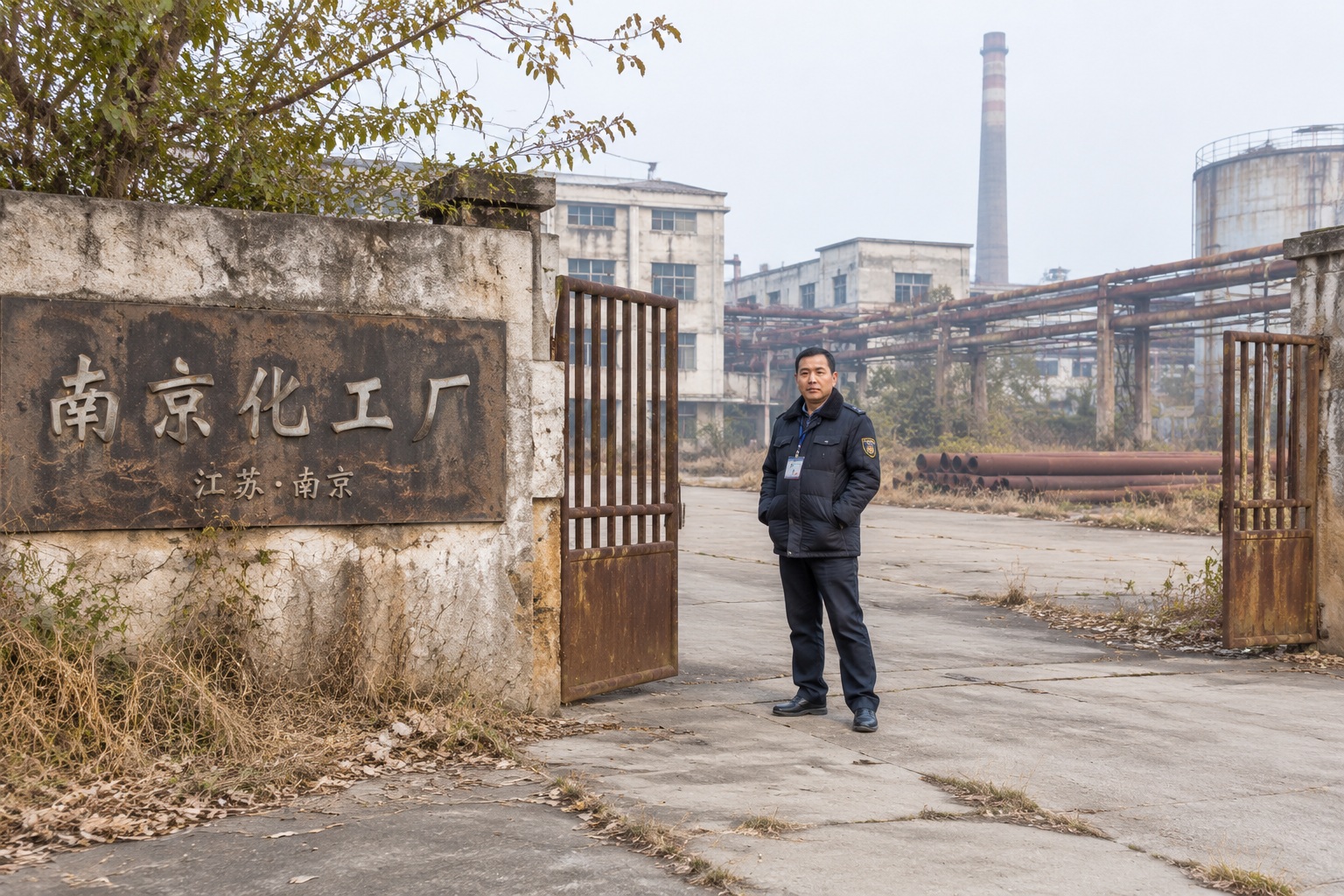
The December air is cold and damp at the gate of the former Jiangsu Chemical Fertilizer Plant in Nanjing. At 7:30 a.m., a security guard in a padded jacket opens the metal door a crack, then closes it again. Inside, weeds push through the cracked concrete of what used to be a parking lot. A few old pipes, rusted and disconnected, lean against a wall like forgotten limbs.
This plant produced synthetic ammonia for more than 30 years, and its smokestacks were once a landmark for commuters crossing the Yangtze River Bridge. Now, the land is slated for a riverside park. The air, once heavy with a sweet-acrid smell of chemicals, carries only the damp odor of wet soil and river water. The transformation of Jiangsu’s chemical sector is happening one site at a time, and each site tells a story of trade-offs.
Why Jiangsu’s Chemical Industry Is So Big
Jiangsu is not just one of China’s richest provinces; it is also the country’s second-largest producer of chemicals, after Guangdong. Along the 400-kilometer stretch of the Yangtze that runs through Jiangsu, there are thousands of chemical enterprises, ranging from small paint workshops to massive state-owned refineries. For decades, these plants powered local economies, provided millions of jobs, and attracted migrant workers from poorer provinces.
But the environmental cost was steep. The Yangtze River, which supplies drinking water to hundreds of millions of people, became increasingly polluted. In 2016, the central government announced a national plan to relocate and upgrade chemical plants along the Yangtze, with a target of moving them away from riverbanks and into designated industrial parks. Jiangsu, as the most heavily affected province, had to act fast. By 2020, the provincial government had shut down more than 4,000 small, low-end chemical plants, and by 2023 that number had grown to over 5,000.
Close Encounters with Pollution
For local residents, the changes are tangible. In the town of Taicang, on the north bank of the Yangtze, a retired teacher named Xu Mei recalls a time when she couldn’t open her windows in summer. “The smell was like burnt rubber mixed with gasoline,” she says. “Sometimes it gave you a headache just walking home from the market.” Her house now overlooks a newly built wetland park, and the chemical plant that once sat next door is a flat plot of grass.
Not everything is so clean. In some places, the cleanup is still incomplete. Near Yangzhou, a villager shows me a muddy ditch behind his house where he says the water turned yellow after rain. “The big factories are gone, but the soil still has memory,” he says. Such stories are common, and they point to a deeper challenge: how to heal land and water after decades of industrial activity.
The Human Side of the Transition
When factories close, workers are the first to feel the impact. In Nanjing’s Dachang district, a former chemical zone, I meet a 52-year-old electrician named Wang Jun. He spent 18 years at a dye plant that was shut down in 2020. Wang says he was lucky: his company found him a job at a new textile factory in the province’s northern city of Yancheng. Many of his former colleagues, especially those over 45, had to retire early or take jobs in logistics or security. “The mentality is changing,” he says, wiping his hands on an oil-stained rag. “Young people don’t want to work in chemicals anymore. They’d rather drive a delivery truck or work in a coffee shop.”
But not everyone wants to leave. In a village near Changzhou, a 45-year-old couple, Zhou and Li, run a small plastic pellets workshop in their backyard. The workshop employs 10 people from the village. Last year, an official notice told them to shut down because their facility was within 500 meters of a small stream that feeds into the Yangtze. “We’ve invested 300,000 yuan in a filter system,” Zhou says, pointing to a small silver tank. “We hope the government gives us a chance to upgrade instead of just forcing us out.”
The provincial government has set up re-employment training centers in several cities. In Nantong, a training center teaches former chemical workers skills like electric vehicle maintenance and hospitality. A manager there, Chen Ling, says about 70% of the trainees find jobs within six months. But she admits that the ones who struggle most are middle-aged women with low literacy, many of whom end up as cleaners or supermarket staff.
New Industries, Old Expectations
Jiangsu is not abandoning its chemical industry altogether. Instead, it is pushing toward “green chemicals” and higher value-added products. In Zhangjiagang, a new “eco-industrial park” has attracted companies that make specialty chemicals for pharmaceuticals or electronics. These factories use cleaner processes and often pay higher wages. But they also require more skills, which means many former low-skilled workers cannot re-enter the industry.
The tension between economic growth and environmental protection remains. A local official, who asked not to be named, tells me: “If we shut down every polluting plant today, we would lose many local budgets. We need to find a balance.” This balance is visible in the ways towns are being redesigned. Former industrial areas are being turned into housing, offices, and green spaces. Real estate developers are eager to put apartments on riverside land, but some residents worry about the legacy of soil contamination.
In a community meeting in Taicang, a group of residents are discussing a plan to build a school on a former chemical plot. Someone raises a hand: “Who will test the soil?” The room goes quiet. The question gets answered, months later, when the city publishes a soil assessment report showing safe levels of heavy metals. Still, some parents choose to send their kids to other districts.
Looking Ahead: A River Restored
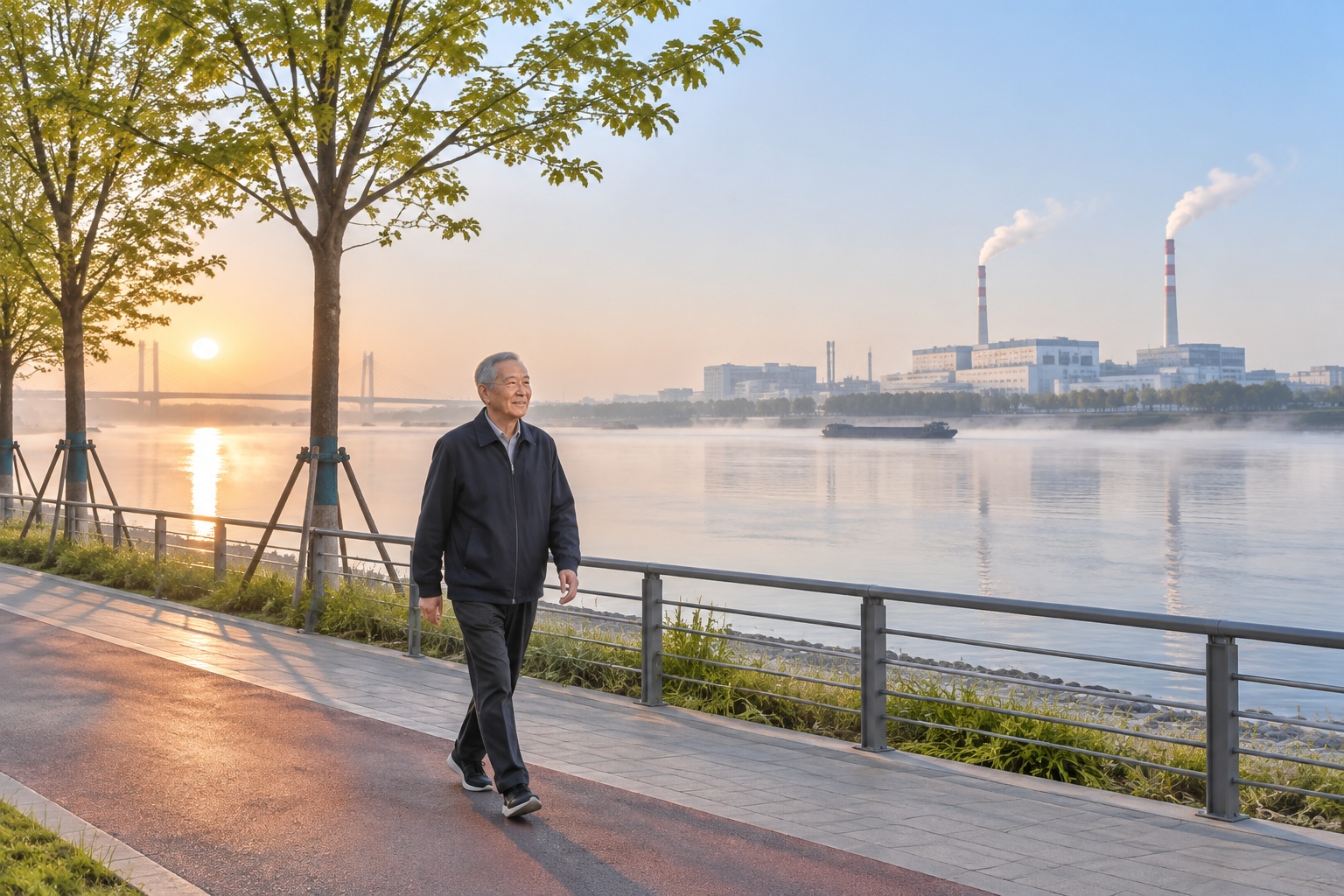
Despite the messiness, there is a quiet sense of optimism. The Yangtze is visibly cleaner. Along the riverbanks, walkways and bike paths are being built, and people return to fish. In Nanjing, a fisherman who once made a living catching fish near the old factory area now runs a small river sightseeing boat. He says he never expected to see the water clear enough for his grandchildren to see fish. “The river is coming back,” he says. “But it’s a slow process.”
The transformation of Jiangsu’s chemical industry is not just about factories. It is about how a province redefines progress. The economy is still growing, but the way it grows has changed. New investments are going to research, automation, and services. The old image of the “chemical giant” is giving way to something more complex: a place that has learned, sometimes painfully, that the river is both a resource and a bond.
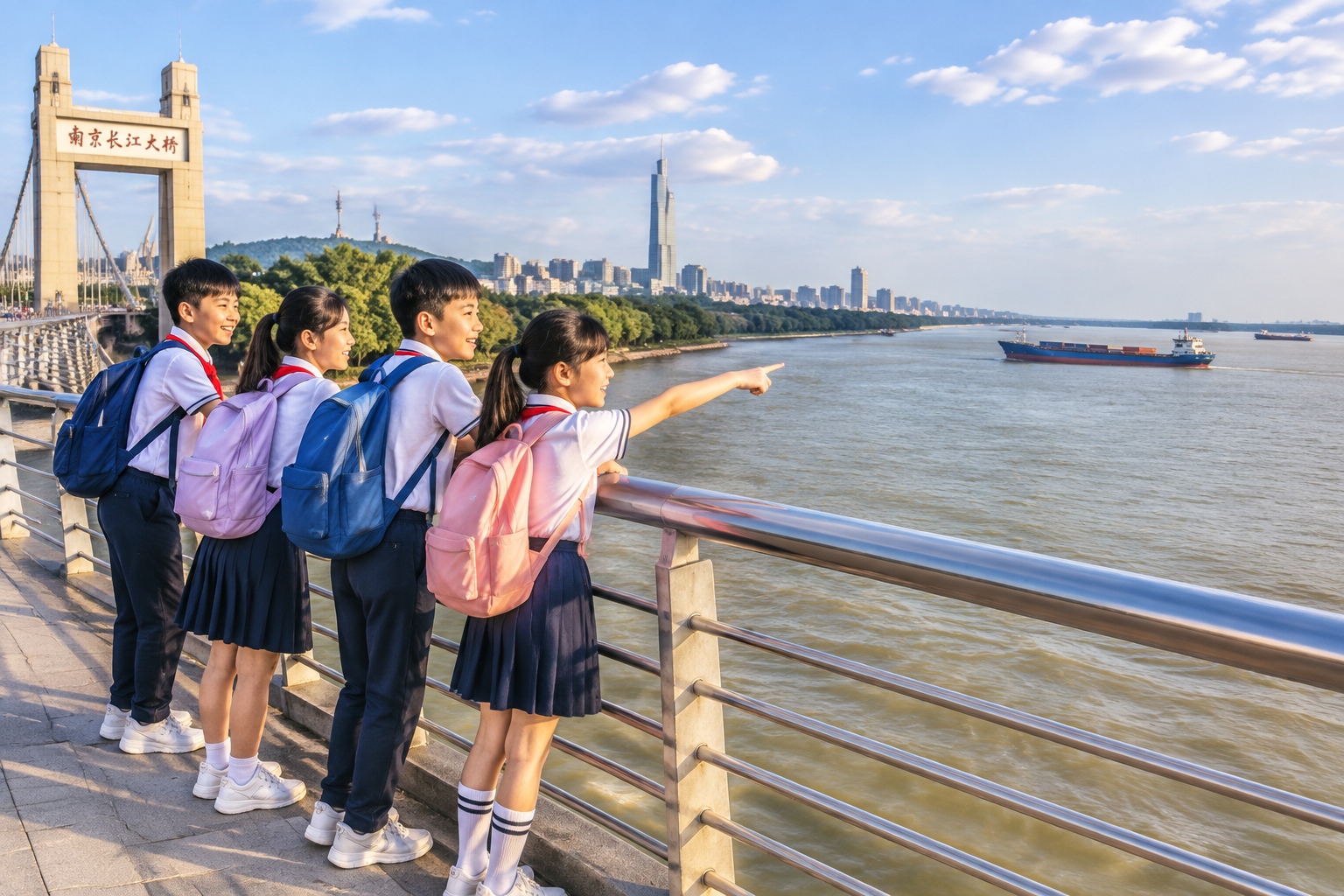
On my last morning in Nanjing, I stand on a new pedestrian bridge where a cable car used to carry workers across the river to a petrochemical plant. The plant is now a museum. A group of schoolchildren walk by, led by their teacher, looking at old photographs of the plant’s early days. “What did they make here?” a boy asks. “Plastics,” the teacher says. “And a lot of pollution, too,” she adds softly. The children say nothing, but they lean over the railing to look at the water, which is brown-green, not perfectly clear, but alive, moving steadily toward the sea.
Conclusion
Jiangsu’s chemical industry has entered a new stage, one defined less by output numbers and more by a careful negotiation between industrial needs and ecological limits. The pain of the transition is real, felt by workers, small business owners, and even children wondering about a past that is not theirs. But the direction is clear: the chemical giants are learning to live with the river, not against it. For the rest of the world, this is a story to watch, because it is one of the biggest experiments in industrial restructuring ever attempted in China.
Start the discussion at forum.chinacomes.com