
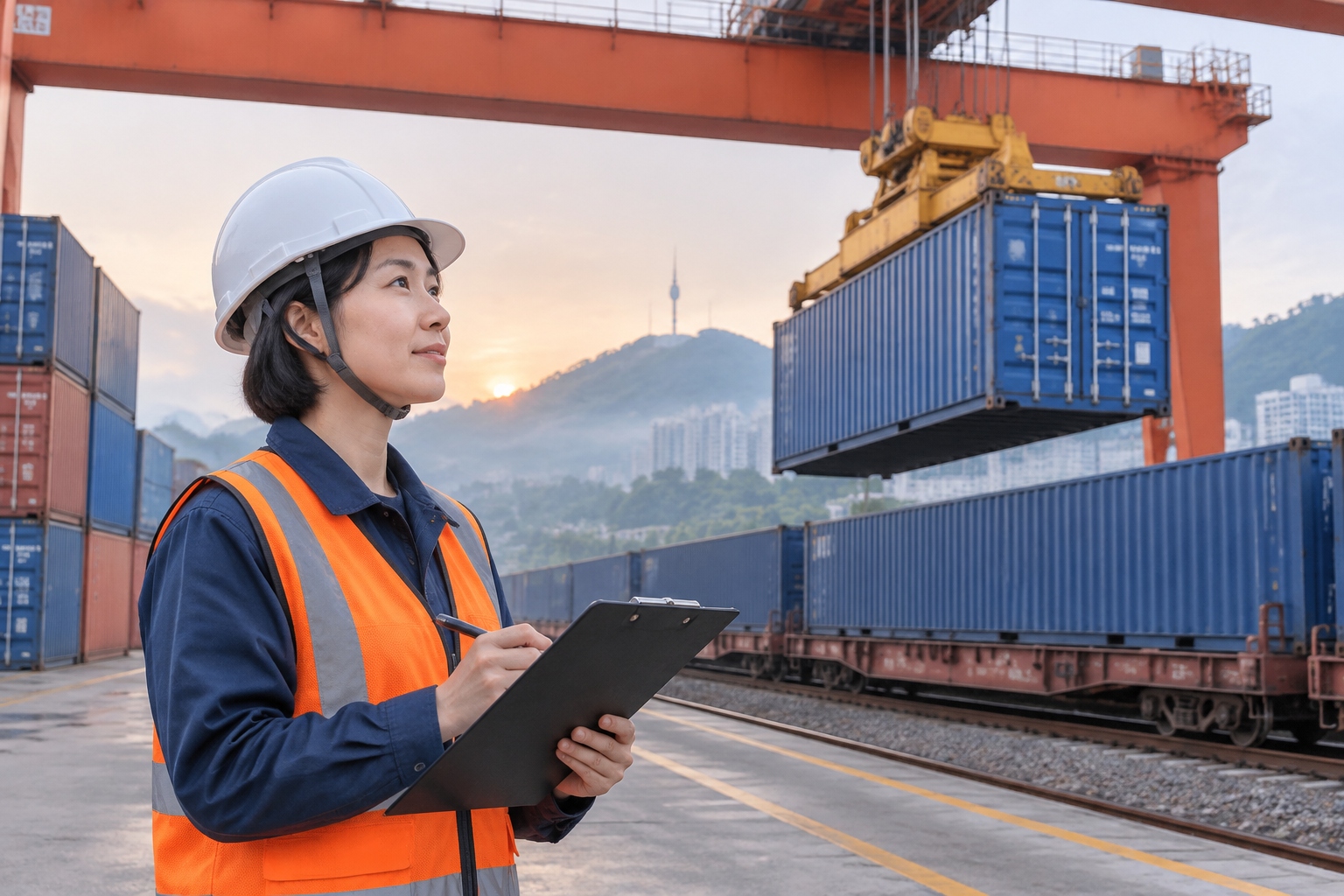

A morning train in Chongqing
At 6:40 a.m., the container yard in Chongqing is already awake. A gantry crane lifts a blue container onto a freight train bound for Europe. A worker in an orange vest checks the seal. Within an hour, the train will head northwest, eventually reaching Duisburg, Germany. For the crew, this is a routine shift. For exporters, it is a bet on a timetable: 12 to 18 days to Europe by rail, instead of 30 to 40 by sea.
The Belt and Road Initiative, or BRI, is usually introduced as two roads: the Silk Road Economic Belt and the 21st Century Maritime Silk Road. In practice it is a network of rail lines, ports, highways, airports, power stations, fiber-optic cables and industrial parks. China sits at one end; more than 150 countries and 30-plus international organizations sit at the other. Of the world’s 197 countries, 156 have signed BRI cooperation documents — about 80%.
From 2013 to 2024, China and BRI partner countries did about $26 trillion in goods trade. Two-way investment exceeded $500 billion, and contracted engineering turnover topped $1.6 trillion. Those numbers describe ships, trains, construction sites and payrolls, not an abstraction.
Why it began in Kazakhstan and Indonesia
In September 2013, in a speech at Nazarbayev University in Kazakhstan, Xi Jinping proposed the Silk Road Economic Belt. A month later, in Indonesia’s parliament, he proposed the Maritime Silk Road. The two later became one initiative.
Kazakhstan is the world’s largest landlocked country. It lacks a sea route that does not depend on a neighbor’s ports and customs. Indonesia sits on the Strait of Malacca, through which a large share of global maritime trade passes. It lacks rail, port hinterland and industrial capacity to capture more value from that traffic. One needed a corridor; the other needed a hinterland. Many of the 156 countries that have signed BRI cooperation documents share one of those problems.
The founding logic was not “China will give you money.” It was “let us build the route together.” The stated principles are extensive consultation, joint contribution and shared benefits: projects are discussed with host governments, financed through several institutions, and run with local partners.
The money reflects that. The Asian Infrastructure Investment Bank opened in 2016 with $100 billion in authorized capital and 57 founding members; it now has 110. The Silk Road Fund was set up in 2014 with an initial $40 billion. Policy banks, commercial banks, host budgets and multilateral institutions all take part. That is also the main difference from the Marshall Plan: BRI is not a single-donor program for a defeated region. It is a multi-sided platform that can expand as partners join.
Railways that changed the map
Jakarta-Bandung high-speed line: 142.3 km. The drive used to take more than three hours in good traffic; the train takes about 40 minutes. It opened in October 2023 and has carried more than 18 million passengers. It was China’s first full-system high-speed rail export: track, trains, signaling and operations.
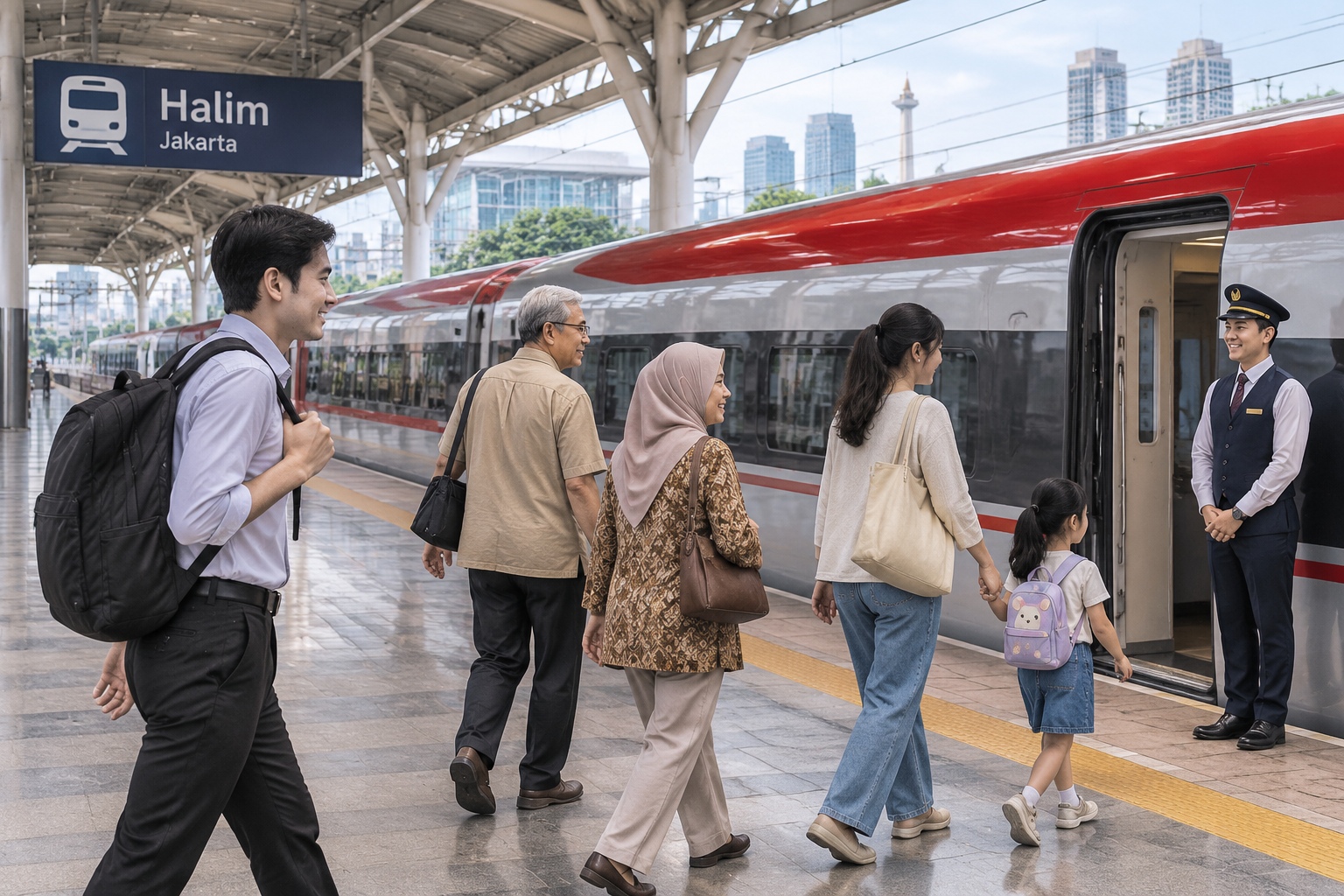
China-Laos Railway: 1,035 km from Kunming to Vientiane, opened in December 2021. It has carried more than 73 million passenger trips and over 84 million tons of freight, including more than 19 million tons of cross-border cargo. Laos was called landlocked; now it is described as land-linked. Thai goods can move north by rail into the Chinese network.
In Africa, the 472-km Mombasa-Nairobi line cut a 10-hour road journey to a little over four hours. The 752-km Addis Ababa-Djibouti Railway turned a three-day truck trip into less than a day, a lifeline for landlocked Ethiopia. In Europe, the Belgrade-Novi Sad section cut 90 minutes to about 30.
These projects differ, but share a function: they reduce the friction of distance. A factory can be farther from a port if trains are reliable. A farmer can reach a bigger market if cold chain and rail schedules connect. A student can come home for the weekend.
Ports are nodes, not endpoints
Piraeus, Greece, is the clearest case. In 2010, container throughput was under 900,000 TEUs and ranked around 90th globally. After COSCO Shipping took a controlling stake in 2016, throughput reached 4.79 million TEUs in 2024 — more than five times the 2010 level. It became the Mediterranean’s largest container port and Europe’s third-largest cruise homeport.

Timing mattered. 2010 was near the worst point of Greece’s debt crisis. European capital was pulling back; Chinese capital was moving in. That does not make every BRI project wise. It does explain why some host governments saw China as willing to take on projects others avoided.
Gwadar in Pakistan, Hambantota in Sri Lanka and Djibouti’s Doraleh terminal look modest one by one. On a map, they form a chain from the Persian Gulf and Red Sea through the Indian Ocean to the Mediterranean. A port is not the end. It is a node. Cargo still moves inland by rail, and industrial parks turn cargo into products. That is why BRI projects often bundle a port with rail, parks and power. A single project can fail; a connected system has a better chance of creating traffic.
The China-Europe Railway Express: demand pulled it
The first train left Chongqing for Duisburg in 2011. In 2013, the service ran 80 trains all year. By 2025, it ran 2,022 in one year — about 250 times the 2013 level. Cumulative runs have passed 130,000, reaching more than 200 cities in 26 European countries.
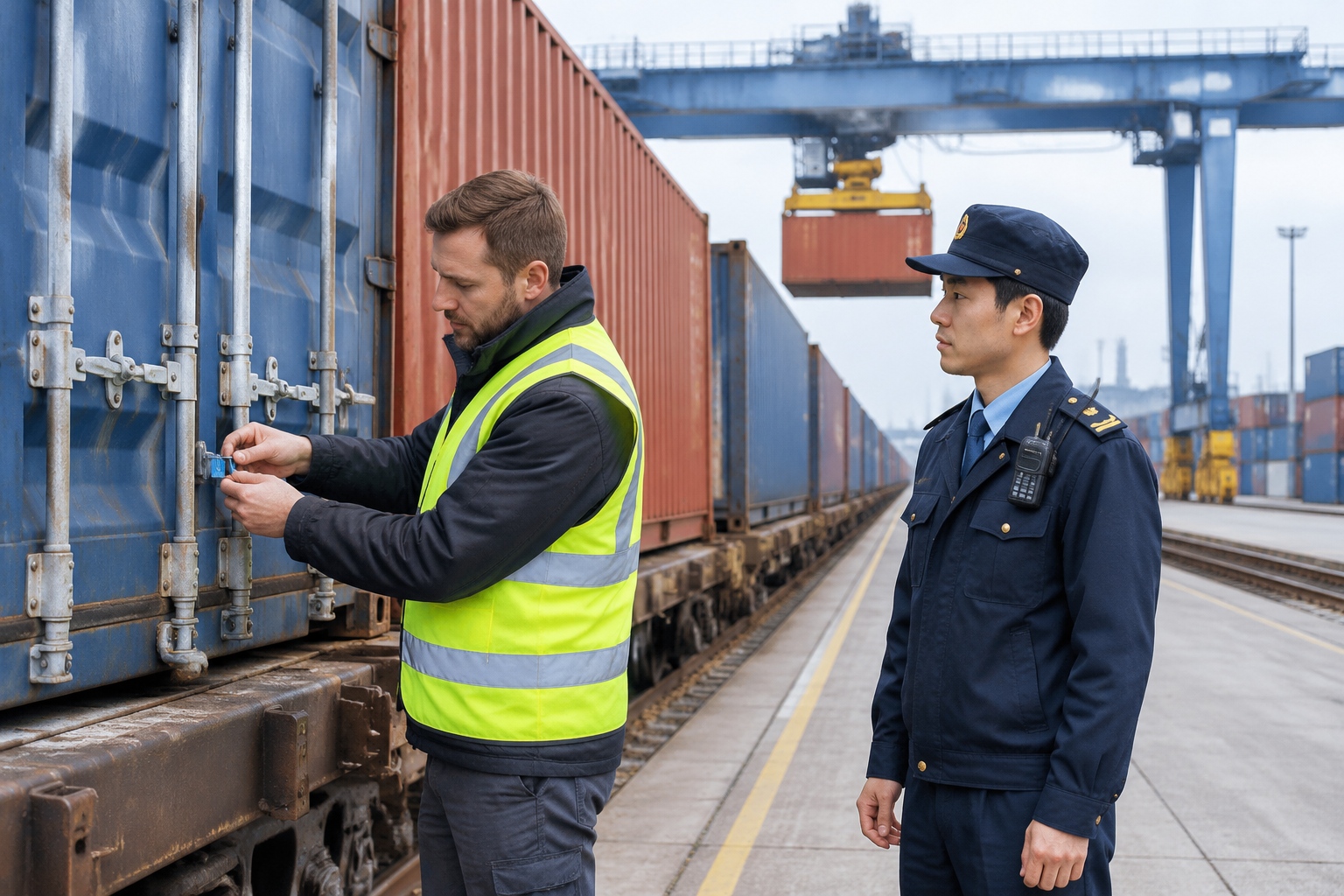
Sea freight from Shanghai to Europe takes 30 to 40 days; rail takes 12 to 18. That 20-day gap matters for electronics with a launch date, clothing tied to a season, and produce that spoils. Today, one month of China-Europe freight trains roughly equals a full year of traffic in 2016. Shippers pushed the route into existence, one booking at a time.
The small projects that do not make headlines
Some of the most useful work is small: a power station, a water plant, a rural road, a school, a clinic, a streetlight, a well. Officials sometimes call these “small and beautiful” projects. They do not make headlines. They do decide whether a village has light, whether a clinic can keep vaccines cold, whether a girl must walk two hours for water.
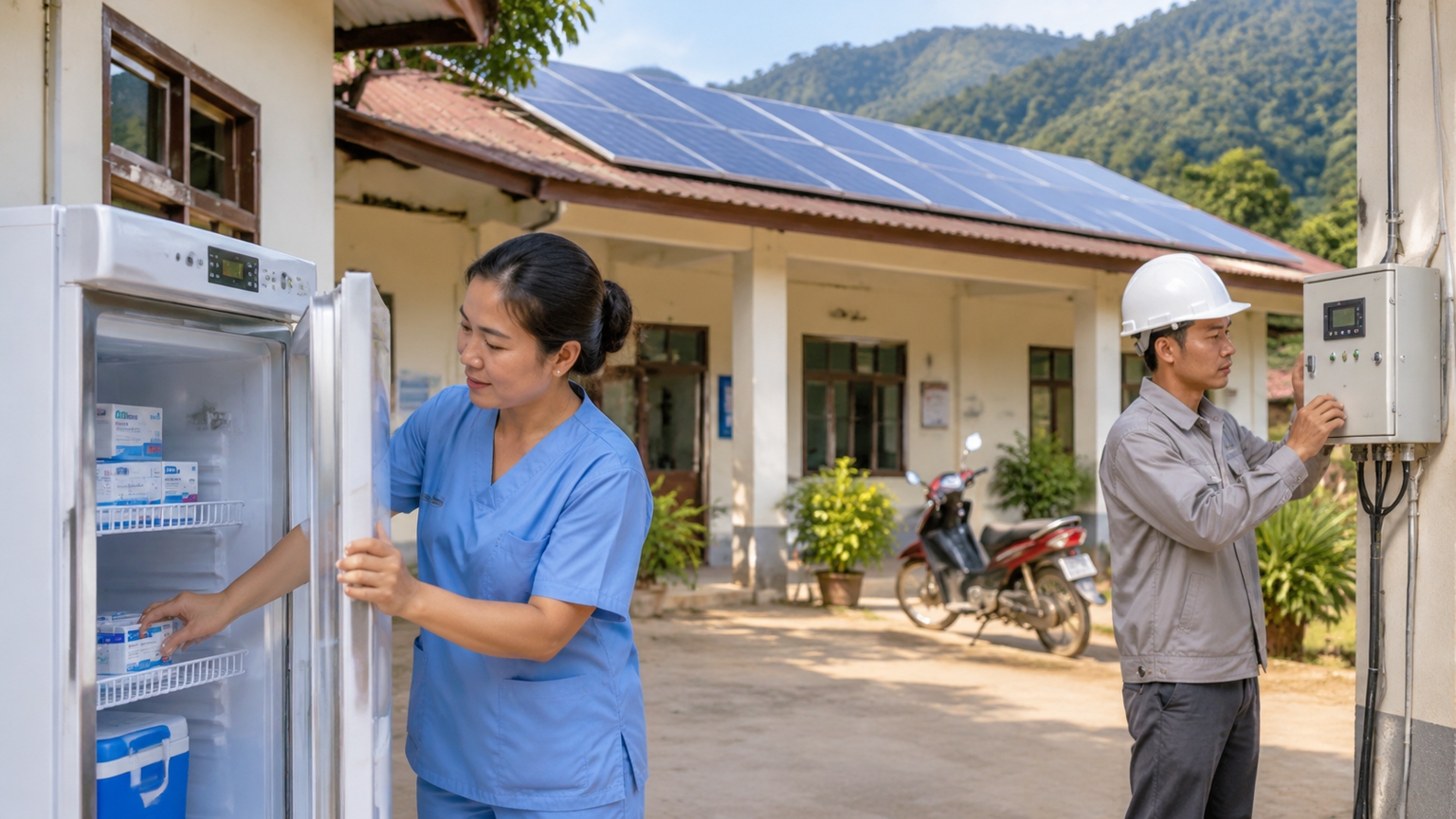
Early BRI was associated with large agreements, ports, railways and power plants. In recent years, the emphasis has shifted toward smaller, more targeted projects. This is partly a response to criticism over debt, environment and local participation. It is also a recognition that a network is only as strong as its last mile.
What the numbers mean on the ground
Over a decade: $26 trillion in goods trade, over $500 billion in two-way investment, $1.6 trillion in contracted engineering turnover. Chinese companies have built more than 120 overseas economic and trade cooperation zones in partner countries. More than 7,000 companies operate there, creating about 550,000 direct jobs. Those figures include Chinese capacity, but also local wages, taxes and supply chains.
That is what BRI looks like on a map. Not one slogan, but routes: a train from Chongqing, a port in Piraeus, a railway in Laos, a clinic in northern Laos with a solar panel on its roof. For an ordinary person, the result is concrete: the road to work, the route for goods, the way a child gets to school. The real test is not how many speeches describe the network. It is whether those routes keep running, pay for themselves, and can be used by the people along them.
Start the discussion at forum.chinacomes.com