

The View from a Freight Yard
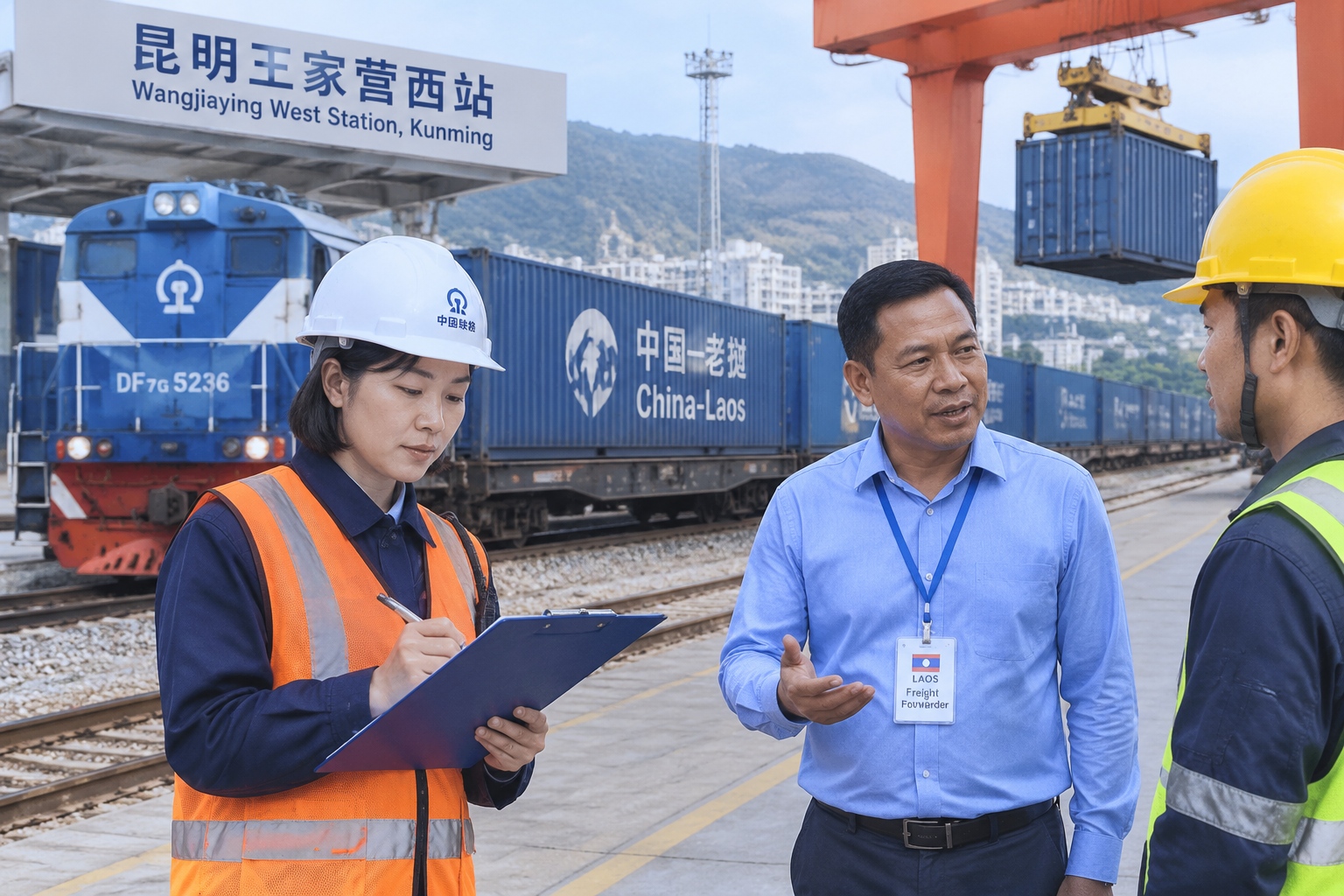
At Wangjiaying West Station in Kunming, southern China, a freight train bound for Vientiane is being loaded with refrigerated containers, electronics, and building materials. The scene is ordinary: workers in safety vests, cranes moving boxes, a dispatcher checking a clipboard. But it captures what the Belt and Road Initiative has become: less a slogan than an operating system for moving goods across borders.
For readers outside China, the debate often begins with geopolitics. For the countries that signed on, it usually begins with a simpler question: what can actually be built, financed, and operated? That gap is real. By some international estimates, the world will need about $15 trillion in infrastructure investment by 2040 just to keep up with growth. Africa lacks power, Southeast Asia lacks ports, Central Asia lacks corridors, Latin America lacks rail. Many of these places do not lack a vision. They lack poles, cement, tunnel-boring machines, and money that can start a project.
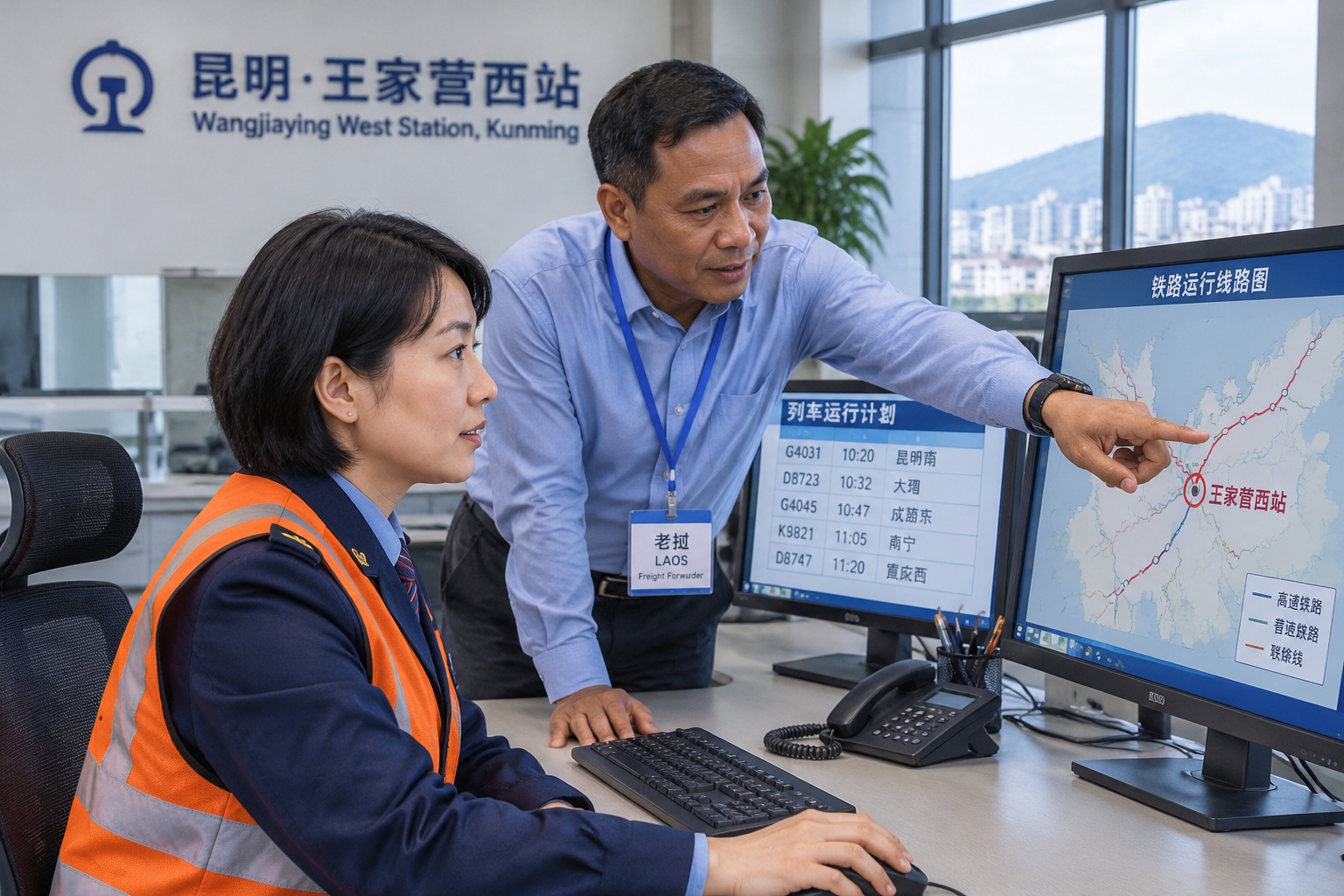
The initiative’s offer, at its most practical, is not a lecture about development. It is: this railway can be built; after it is built, you run it; once it runs, your goods can reach a port or a customer.
Four Practical Things It Offers
1. Lower logistics costs
For a landlocked country, exporting a ton of goods often means loading it onto a truck, driving to a neighbor’s port, and paying freight costs that eat the profit. A working railway can cut both cost and time, on some routes by roughly half. The economic logic is simple: when logistics costs fall by 10%, trade tends to rise. The China-Laos Railway, which opened in December 2021, turned Laos from a landlocked country into a land-linked one. The change is felt by a farmer in Luang Prabang shipping fruit, a factory in Vientiane receiving parts, and a Chinese consumer buying tropical produce. It is not an abstract corridor. It is a timetable.
2. Bring industry in, not just a ribbon of steel
A port alone does not create jobs. A port with an industrial park behind it can. That is why many port projects are followed by negotiations over special economic zones, factories, power supply, and training. China moves some manufacturing links abroad; host countries get employment, tax revenue, and technical know-how. The result is uneven, some parks fill up and others do not, but the model is clear: infrastructure has to be connected to production, or it becomes a monument.
3. Turn resources into revenue
Many countries have minerals, land, and sunlight. Without electricity, roads, and ports, those resources stay in the ground. Build the power line and the road, and resources can become exports; exports become foreign exchange; foreign exchange can pay for debt and equipment. It is a closed loop, and one missing link stops the whole chain. This is why Belt and Road projects often bundle rail, power, and ports rather than treating them as separate gifts.
4. Change a country’s position on the economic map
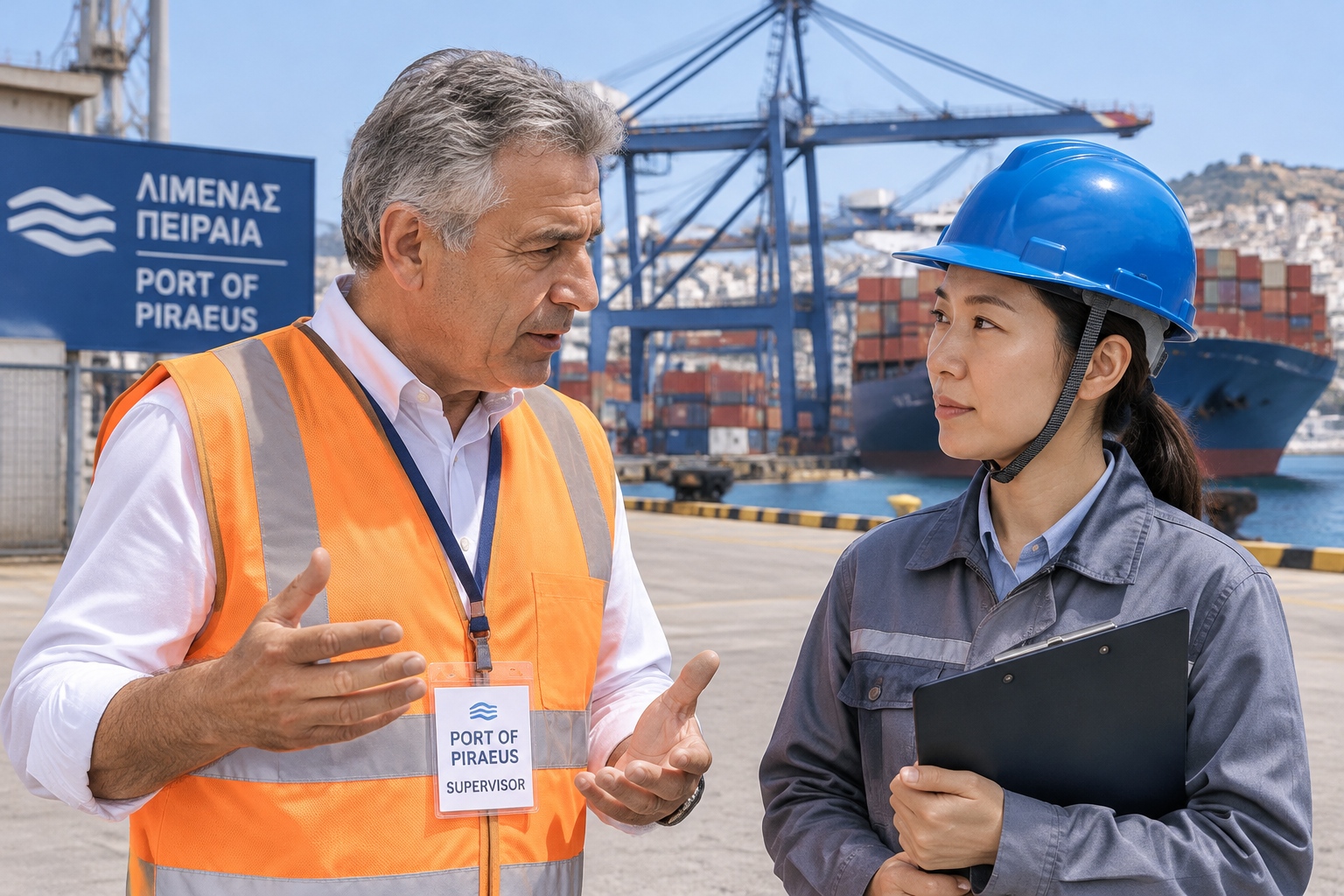
Laos changes from landlocked to land-linked. Kazakhstan changes from an inland backwater to a bridge between Europe and Asia. Greece, through the Piraeus port, changes from Europe’s edge to the Mediterranean’s front door. The country’s location on a political map has not moved. Its location on the economic map has. That is what many partner governments actually want: not aid, but a different role in the flow of trade.
The Initiative Has Changed Since 2013
In 2023, the third Belt and Road Forum for International Cooperation was held in Beijing, with representatives from 151 countries. The meeting put forward eight areas of action: multidimensional connectivity, an open world economy, practical cooperation, green development, science and technology innovation, people-to-people exchanges, an integrity-based road, and institutional building. In plain language, the agenda has moved from building roads to writing rules, standards, green practices, and digital systems.
That is why today’s Belt and Road is not the same as it was a decade ago. Ten years ago, the first task was to lay the track. Today the questions are: who operates it, how does it make money, how does it avoid pollution, and how do local workers and firms actually benefit? Those questions are harder, and they are also more honest.
What It Means for China
This is the question that is often avoided in international commentary, but it is central. China is not running a charity. It is a manufacturing country with capacity to sell, routes to secure, regions to develop, standards to export, and a currency to use more widely. That does not make the initiative automatically good or bad. It makes it a long-term commercial and strategic investment, one that should be judged by results, not slogans.
Excess capacity needs markets
China is the world’s largest manufacturing country. Steel, cement, construction machinery, solar panels, wind turbines, and cars are all produced at a scale that domestic demand alone cannot absorb. The initiative is not mainly a give-away. It is sales, contracting, investment, and sometimes loans. It turns China’s surplus capacity into infrastructure that other countries lack, a commercial exchange rather than a one-way transfer.
Trade routes need redundancy
More than 80% of China’s oil imports pass through the Malacca Strait. The China-Pakistan Economic Corridor, the China-Myanmar oil and gas pipelines, and the China-Europe freight trains are, in essence, extra routes. More routes mean more bargaining power and less concentration of risk. A country that depends on one choke point is vulnerable; a country with several is harder to squeeze.
Western China needs a frontier
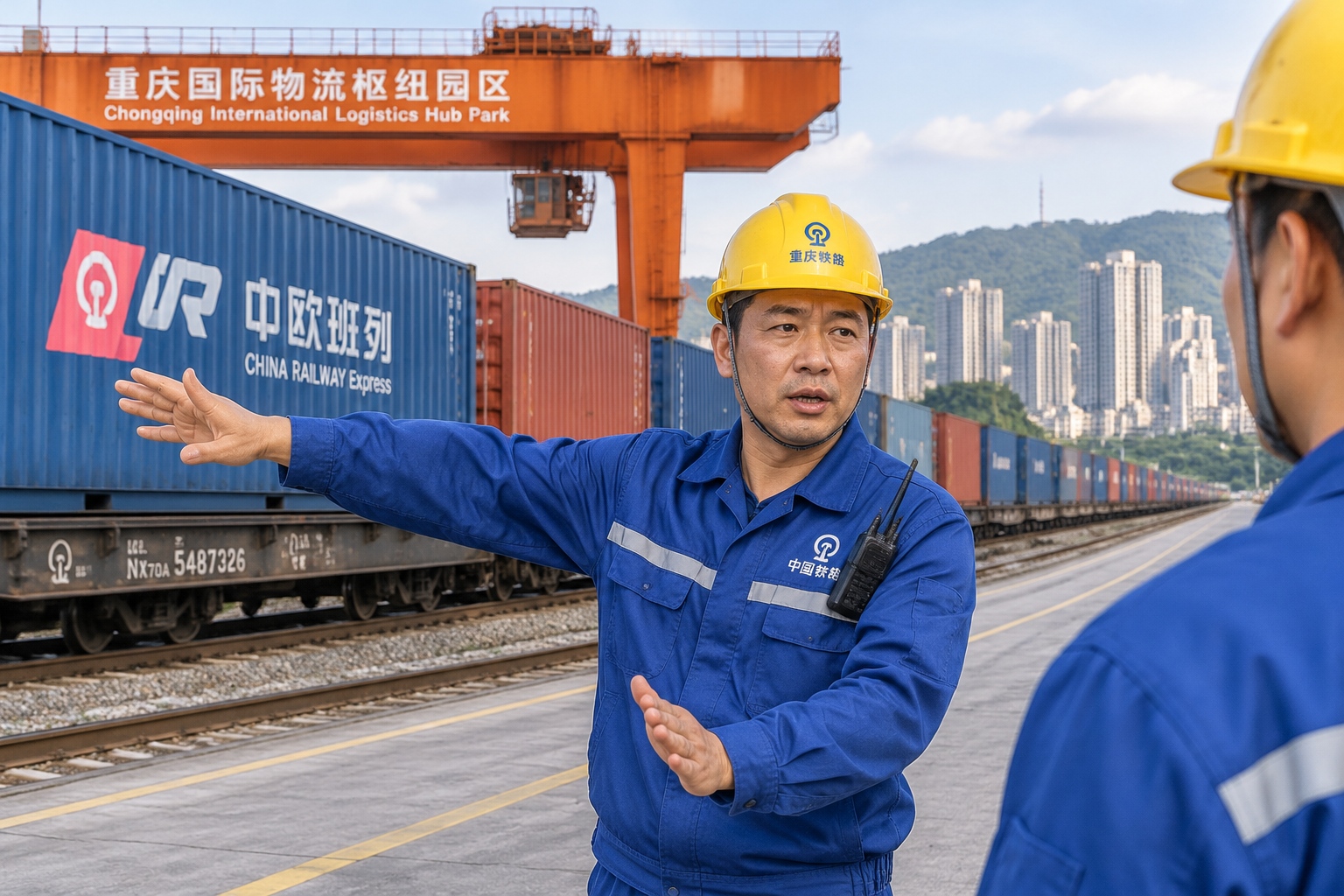
Xinjiang, Yunnan, and Guangxi used to be the end of the line. Now they are gateways. China-Europe freight trains leave from Xinjiang; the China-Laos Railway leaves from Yunnan; the New International Land-Sea Trade Corridor reaches the sea through Guangxi. Inland cities such as Chongqing, Chengdu, Xi’an, and Yiwu have built foreign trade on rail. For the first time, some inland residents feel like they live near a coast, not a physical coast but a logistics one.
Standards need to land
When a railway is built abroad, it is not only steel rails that travel. Signaling systems, dispatching rules, maintenance regimes, and training manuals go with it. Once a standard is adopted, spare parts, upgrades, and operations tend to follow. That is a longer-lasting return than a single construction contract.
The renminbi needs more use cases
Project settlement, equipment procurement, and labor payments can all be done in local currency. The more they are used, the more convenient settlement becomes. This is not a slogan imposed from above; it is a demand that grows naturally out of trade, especially when exchange-rate swings make dollar settlement more expensive.
A Choice, Not a Bloc
So what did more than 150 countries see when they signed cooperation documents with China? They did not simply see Chinese money. Money is available in many places, and it is not always easy to borrow. They saw a project that could break ground, a railway that could carry freight, a port that could receive ships, and a factory where young people could work.
More deeply, they saw a possibility: I do not have to sell only raw materials; I can have industry. I do not have to be a place that great powers pass through; I can be a junction. The line on the map can pass by my front door.
That is what the often-cited number really means. It is not a vote in a bloc. It is a choice. It is not a declaration of allegiance; it is business. It is not one country building roads for others; it is a group of countries connecting routes and then trying to improve their own livelihoods. Over a decade, China says, more than 130,000 China-Europe freight trains have run, trade with Belt and Road partner countries has reached $26 trillion, and 550,000 jobs have been created. These are official figures, and they deserve scrutiny. They also point to scale.
The Belt and Road is not perfect. It is still being revised. It is misunderstood, and it is also needed. But spread the map open and one thing becomes clear: the world has never lacked roads. What it has sometimes lacked is people willing to connect them. That is the Belt and Road in one sentence: not a project on paper, but a set of choices about how goods, people, and opportunities move.
Start the discussion at forum.chinacomes.com