

The 7 a.m. wheelbarrow
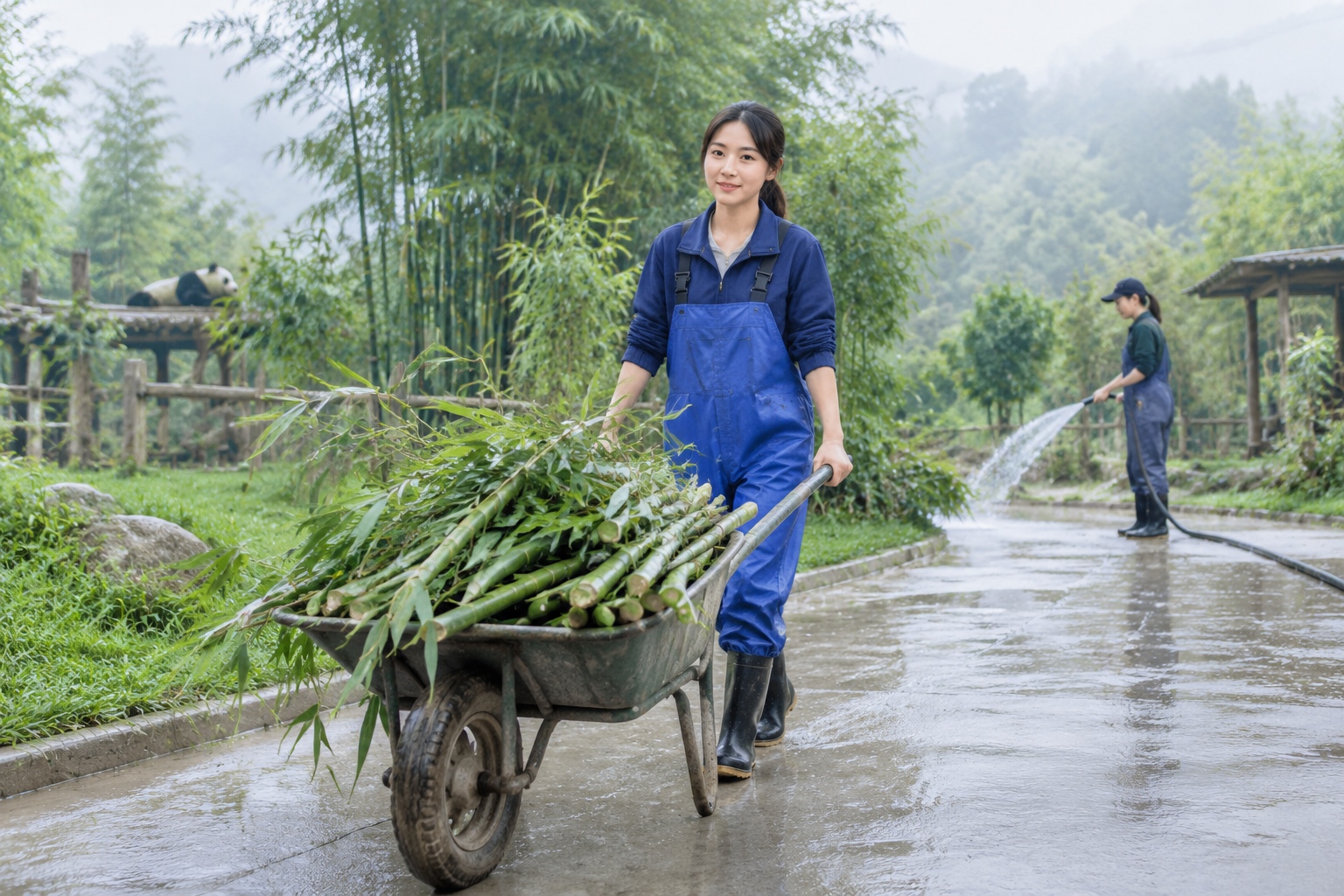
At the Dujiangyan panda base, an hour outside Chengdu, the working day starts with bamboo. Not with cubs, not with cameras. A keeper in rubber boots pushes a wheelbarrow stacked with freshly cut bamboo down a concrete path, and a volunteer in a borrowed blue overall follows with a hose.
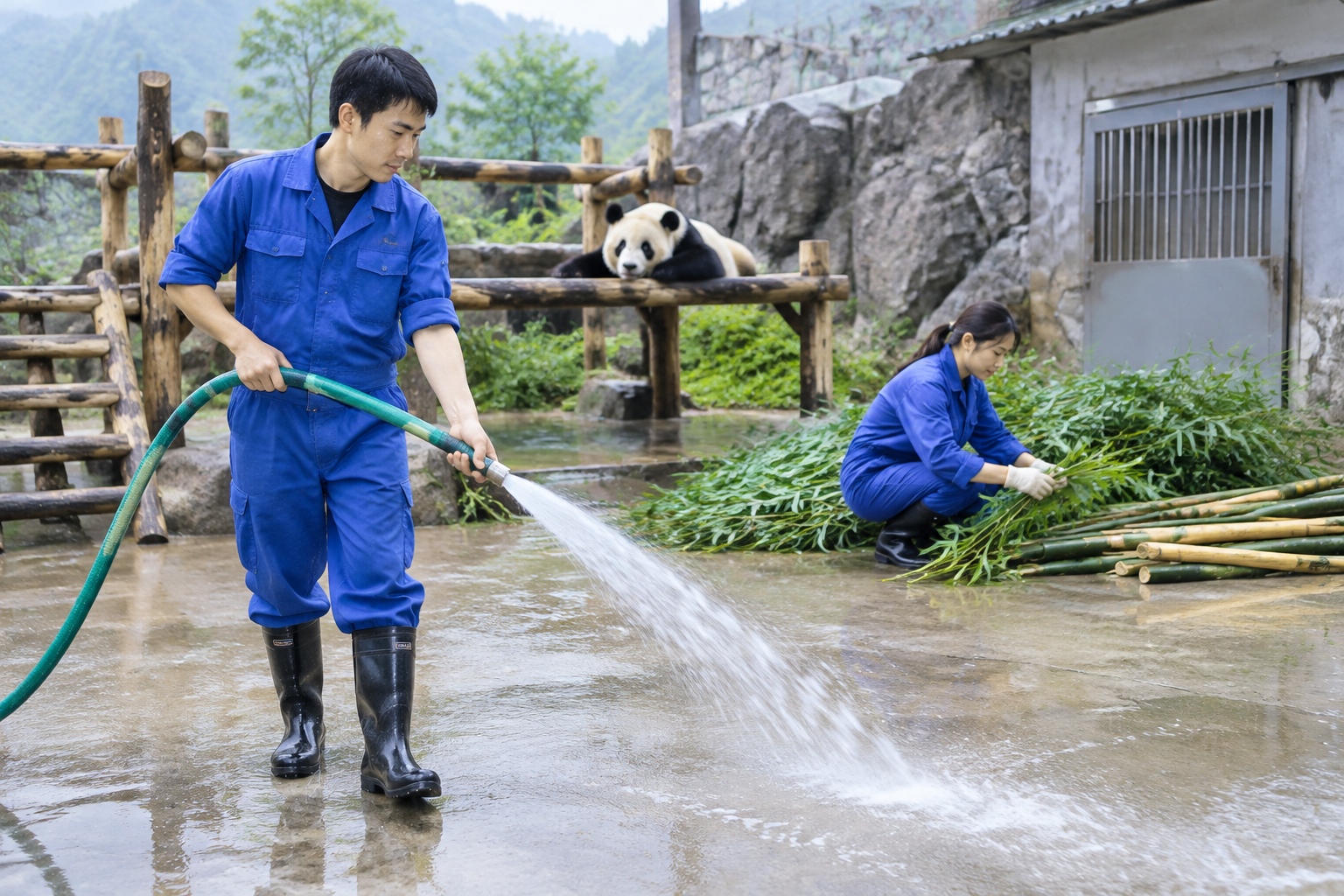
A keeper-for-a-day shift here looks like this: hosing down the enclosure floor, weighing and washing bamboo, chopping stems into manageable lengths, steaming trays of wowo tou — a dense corn-and-soybean bun that supplements the bamboo diet — and then counting what comes out the other end. An adult giant panda eats 12 to 38 kilograms of bamboo a day and produces droppings up to 40 times. Somebody has to record that. Often it is a visitor who paid somewhere between a few hundred and a couple of thousand yuan for the privilege.
That is the honest version of panda volunteering in China: less cuddling, more cleaning. Which is exactly why it is worth understanding what you are signing up for before you book a flight.
Volunteer program, or ticketed experience?
Most one-day panda volunteer programs in Sichuan are ticketed experiences run in partnership with the breeding bases. The fee genuinely supports the base. You do real, if simple, work. But you are not replacing a ranger, and no panda is being saved by your morning of sweeping.
That is fine — as long as you know the difference. A few questions separate a conservation program from a photo opportunity:
- Who employs the people you will work alongside — a reserve, a research institute, or a tour operator?
- Where does the fee go, and can they say so in specific terms: food, veterinary care, patrol equipment, tree planting?
- Will you be touching or holding an animal? The answer should be no. The paid cub-holding photo sessions that were once common at Chinese bases have been phased out.
- Is the work something a local worker would otherwise be paid to do?
- Is there a partnership with a reserve or a university that you can verify independently?
Language matters too. Some programs operate only in Chinese, and if you are on a tourist visa, unpaid work sits in a legal grey zone. The one-day formats work precisely because they are structured as paid experiences rather than employment. For anything longer than a few days, check the rules before you commit.
Path one: fund the unglamorous parts
If you want impact rather than a story, money usually goes further than a week of labour — provided it lands in the right place.
Symbolic adoption programs at the Chengdu Research Base and the China Conservation and Research Centre for the Giant Panda let individuals or companies sponsor a named panda at different tiers. You do not take the animal home. The money covers food, enclosures, veterinary care and research, and you get a certificate and updates. Fees and tiers change year to year, so go through official channels rather than a third-party site.
Overseas, Pandas International, a US nonprofit, funds equipment and medical supplies for Chinese reserves, while WWF’s symbolic panda adoption feeds into broader habitat work. Direct donations from abroad to a Chinese state reserve are usually not possible for individuals, so nonprofits are the practical route.
Path two: citizen science from your kitchen table

Giant Panda National Park and the reserves inside it run thousands of infrared camera traps. Volunteers sort the resulting images on platforms such as Wildlife Insights and Zooniverse, and mostly what you will tag is takin, goral, wild boar and the occasional leopard cat. That is the point. A camera that catches a panda is a bonus; a camera that shows a functioning forest is the actual measurement.
Zoos are another route. Institutions that hold pandas run docent and volunteer programs, and some allow structured behavioural observation — logging when an animal feeds, rests or interacts. It sounds trivial. For researchers it is free help on a task nobody has time for. A few projects also stream 24-hour panda cams and ask remote volunteers to log events.
Then there is the bamboo itself. Some bamboo species flower and die off in long cycles decades apart, which can cut off a panda population’s food supply. Tracking bamboo growth and flowering is genuine research, and some of it happens through university partnerships that take volunteers.
Closer to home, iNaturalist and eBird records from your own region feed the same global databases that Chinese researchers draw on. It is not panda work. It is the same discipline.
Path three: bamboo, snares and village dogs
In the Qinling Mountains, pandas move with the seasons — down to low-elevation Bashania bamboo in winter, up to Fargesia on the ridges in summer. Roads, farms and resort development cut across those routes. The Grain for Green program, launched after the catastrophic Yangtze floods of 1998, paid farmers to convert steep farmland back to forest and restored a great deal of that habitat. Corridor planting and maintenance continue today.
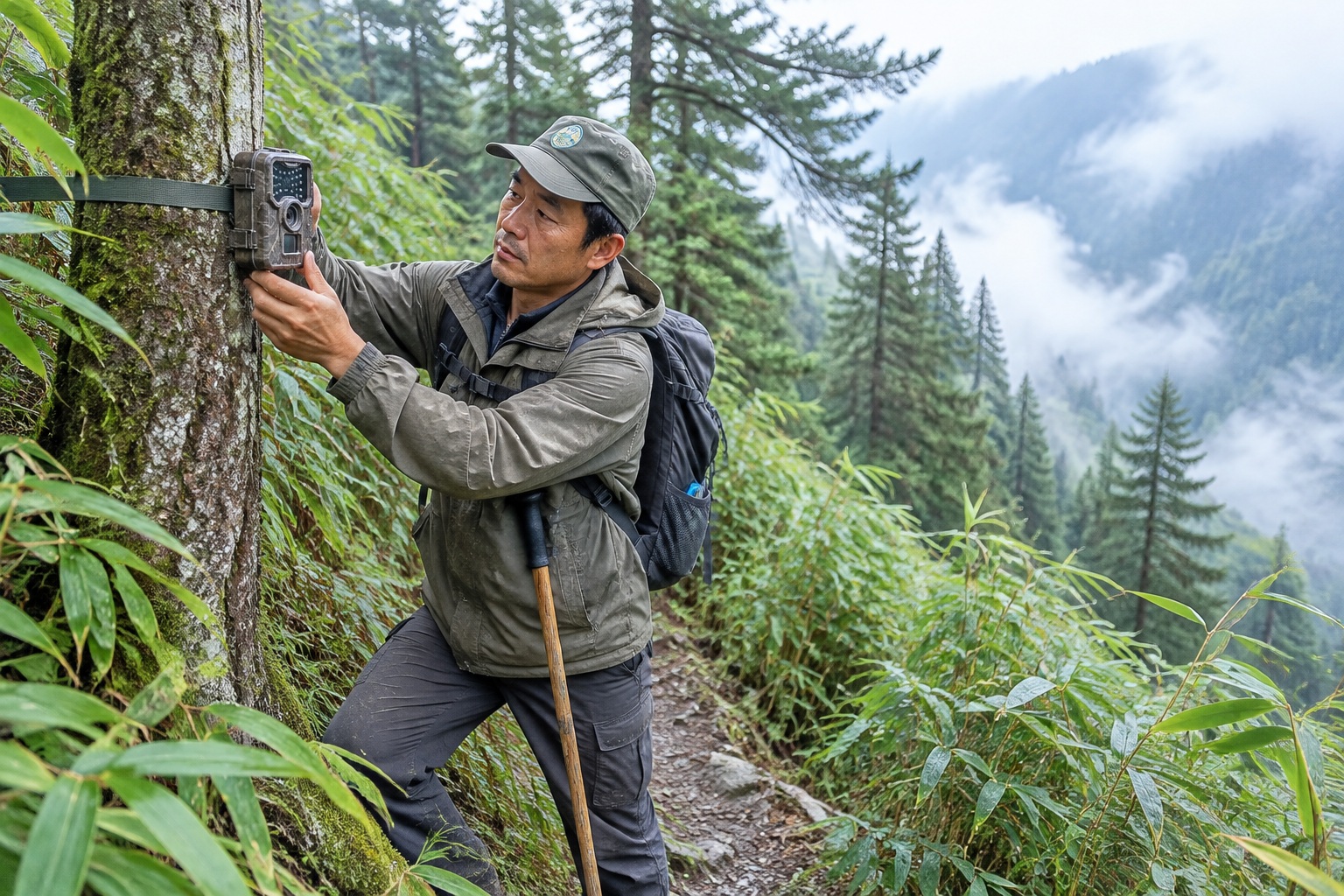
Anti-poaching work is mostly about wire snares set for other animals, which a panda can walk into just as easily. Ranger patrols cover long routes removing them, and camera traps plus AI tools now help decide where to walk. Many of those rangers are local men and women hired by the Giant Panda National Park, established in 2021 and covering roughly 27,000 square kilometres across Sichuan, Shaanxi and Gansu. Paying a local salary is one of the most durable forms of conservation there is.
One threat that never makes the posters: free-roaming village dogs, which can carry canine distemper into wildlife populations. Vaccination campaigns around reserves are cheap, unglamorous and genuinely useful. If you are looking for a small, specific thing to fund, this is a good candidate.
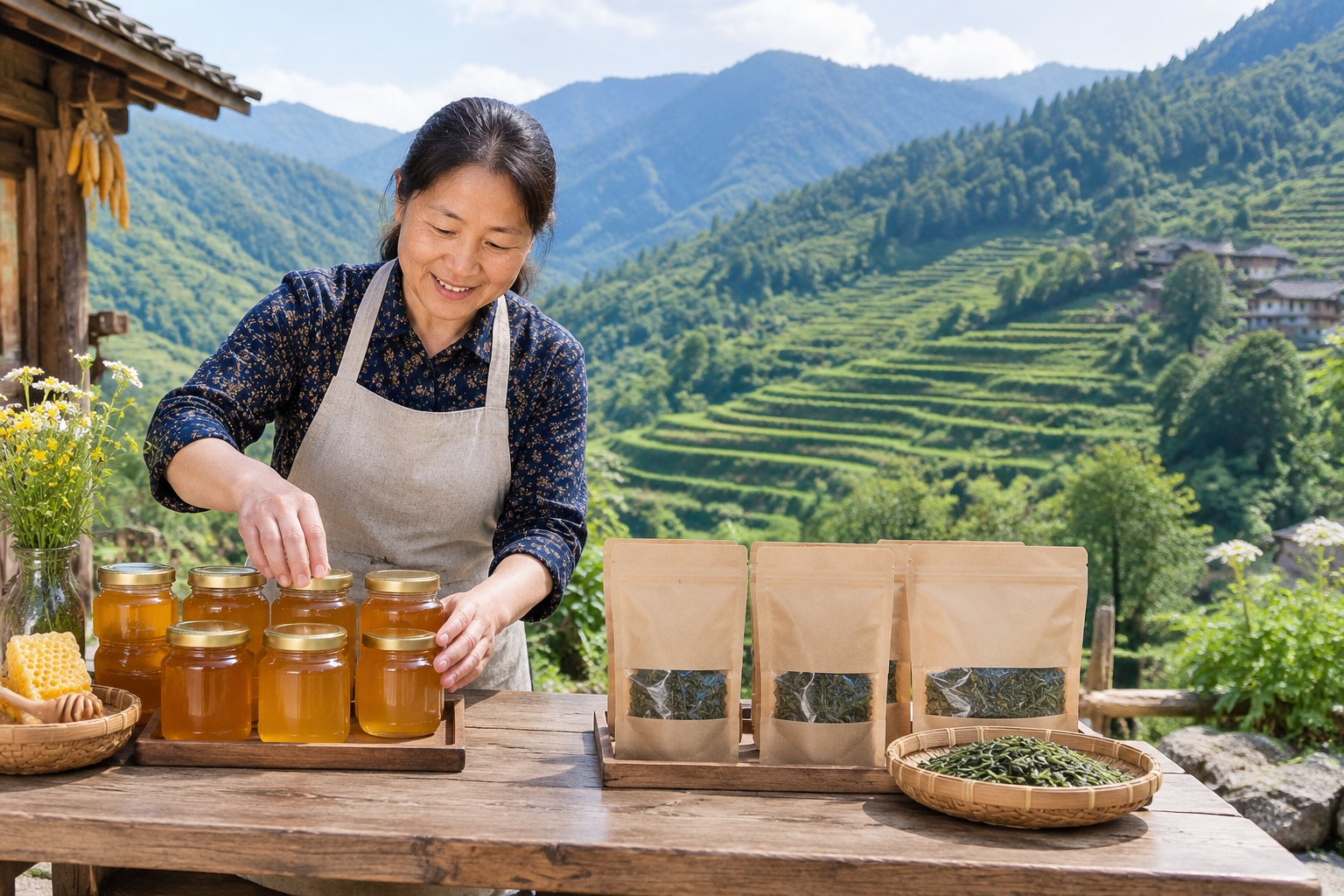
There is also a market route. Panda-friendly certification for honey and tea grown inside panda habitat is designed to make standing forest more profitable than cleared land. Buying those products, if you can find them, is participation of a very ordinary kind.
Path four: go where the crowds are not
Almost every visitor goes to the Chengdu Research Base, and it is worth a morning. But the more interesting landscapes are elsewhere. Tangjiahe National Nature Reserve in Qingchuan runs camera-trap monitoring and hosts small numbers of researchers and visitors. Shenshuping and Gengda in Wolong were rebuilt after the 2008 earthquake. Foping in Shaanxi and Baishuijiang in Gansu sit on the northern edge of panda range. Liziping in Shimian is where captive-bred pandas have been released into the wild since Tao Tao in 2012.
Be realistic about what you will see. Wild pandas are solitary, cryptic and spread across steep forest. Many rangers work for years without a sighting. Go expecting a photograph and you will be disappointed. Go to understand the forest and you will not be.
Path five: where you already live
If you are in San Diego, Washington, Berlin, Madrid, Tokyo or Copenhagen, there is probably a panda within driving distance, and a volunteer or education program attached to it. Zoo loan agreements typically run about ten years and cost roughly a million dollars a year per pair, with most of the money directed to Chinese conservation and research. The animals also travel with politics: several US zoos sent their pandas back in 2023 and 2024, and new pairs arrived in San Diego and Washington.
Zoo volunteering rarely means animal care and almost never means contact. It means explaining to a nine-year-old why the panda is ignoring the bamboo you just watched it chew for four hours. That is public education, and it is one of the stated goals of the entire loan system.
The long game
Wild panda numbers sit at roughly 1,900 according to China’s most recent count, up from about 1,100 in the 1980s. The IUCN moved the species from Endangered to Vulnerable in 2016. Both facts are real, and both come with caveats: habitat is still fragmented, climate change is expected to push bamboo zones uphill, and census methods have shifted over the decades, which makes comparisons imperfect.
What that means for you is simple. A single week of cleaning enclosures is memorable, and it is fine. But the things that accumulate are duller: a monthly donation that lasts five years, a camera-trap dataset you keep labelling, a ranger’s salary, a plot of bamboo that gets planted and then maintained.
So pick the smallest version of this that you can genuinely keep doing. Then keep doing it for longer than feels interesting. That is what guardianship looks like from the inside, and it rarely involves holding anything.