


The Phone Call That Isn’t What It Used to Be
If you visited a flower shop in Shanghai or Beijing last Friday evening, you might have expected a scene from a romantic comedy. Instead, you’d likely find a quiet delivery rider waiting for an order, or a young couple scrolling through WeChat Mini Programs to compare prices for chocolate and stuffed animals.
Qixi Festival, often dubbed “China’s Valentine’s Day,” falls on the seventh day of the seventh lunar month. It is rooted in the legend of the Cowherd and the Weaver Girl, a story of star-crossed lovers allowed to meet only once a year. For older generations, this day traditionally meant grand gestures: long queues for flowers, expensive dinners, and formal proposals.
But for China’s young people today, the script has changed. The romance is still there, but it has become more personal, pragmatic, and heavily influenced by digital culture. It is no longer just about showing off; it is about connecting in a way that fits their fast-paced, high-pressure lives.
From Grand Gestures to ‘Rational Romance’
The biggest shift in modern Chinese youth culture is the rise of what sociologists and marketers are calling “rational romance.” This doesn’t mean love is cold or calculated. Rather, it means young consumers are rejecting the “anxiety-inducing” consumerism that often accompanies Valentine’s Day.
In the past, there was social pressure to buy specific items—usually red roses and luxury chocolates—to prove your devotion. If you bought too little, you were “not serious enough.” Today, many young Chinese are pushing back against this. They prefer gifts that are useful, creative, or emotionally resonant in a personal way.
Instead of generic bouquets, you might see gifts like portable espresso makers, custom-designed mechanical keyboards, or even tickets to a niche indie music festival. The focus has shifted from the price tag to the thoughtfulness. A popular trend is the “handmade gift economy,” where couples spend weeks making scrapbooks, cooking elaborate meals, or crafting small items together. It’s slower, more intimate, and far less wasteful.

The Digital Layer: Gifts in the Cloud
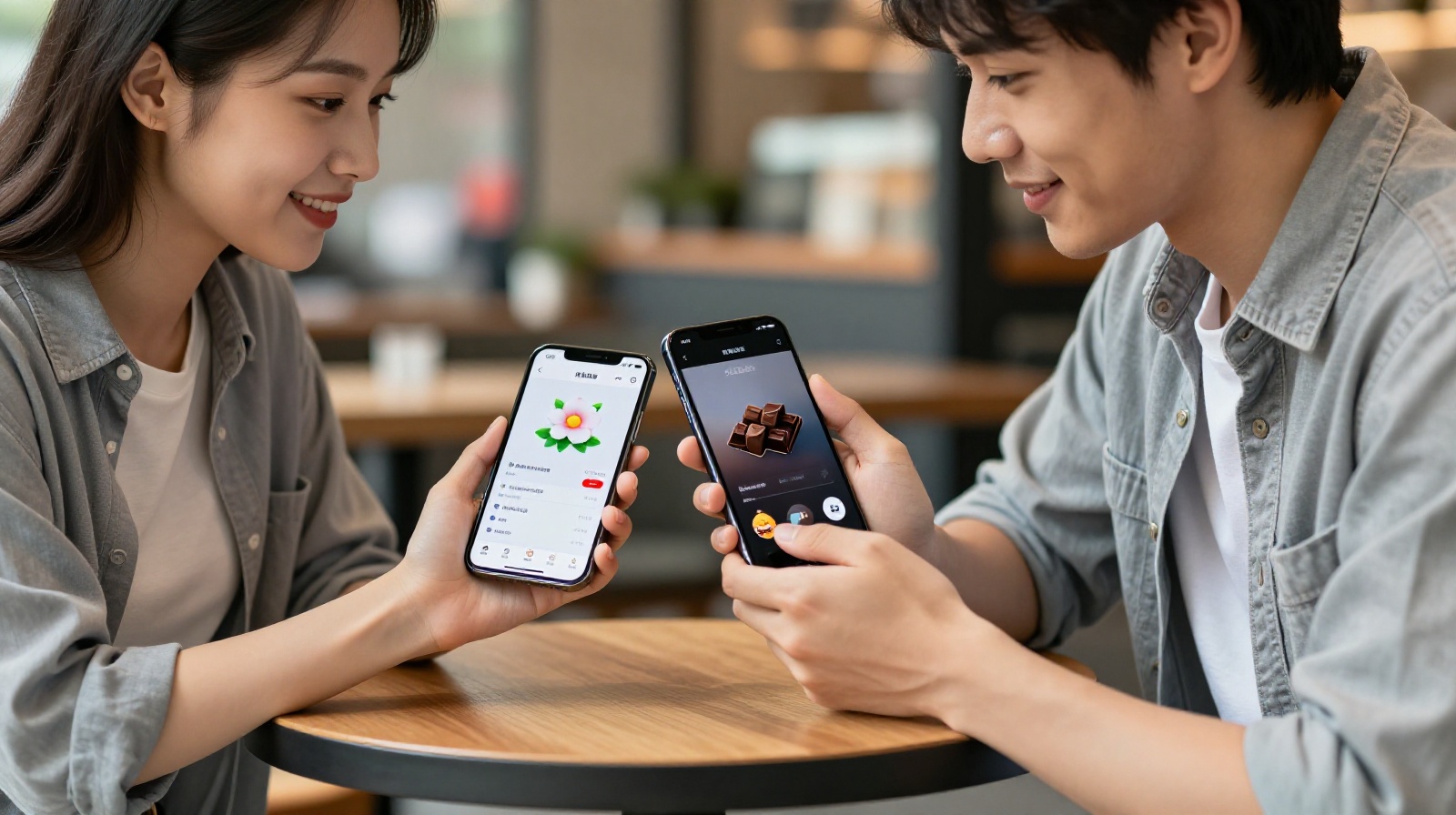
You cannot talk about Qixi in China without talking about technology. For many young couples, especially those in long-distance relationships or busy urban jobs, romance is increasingly mediated through screens.
Blind boxes—a popular fad where you buy a sealed package not knowing which collectible figure is inside—have become a massive hit for Qixi. They are affordable, fun, and highly shareable on social media. Sending a “blind box” of skincare products or toys to a partner is a low-stakes way to show affection without the pressure of perfection.
Furthermore, digital gifts are booming. Virtual items in video games, personalized NFT-style avatars, or even paying for a premium subscription to a streaming service they both love are common exchange methods. On social media platforms like Xiaohongshu (Little Red Book) and Douyin (TikTok), users share “Qixi survival guides” that focus on clever, low-cost DIY ideas rather than expensive purchases. The goal is virality and relatability, not just consumption.
A Micro-Story: A Tuesday Night in Shenzhen
To understand this shift, let’s look at Wei and Lin, a couple both working in tech in Shenzhen. They are busy, stressed, and live in a small apartment.
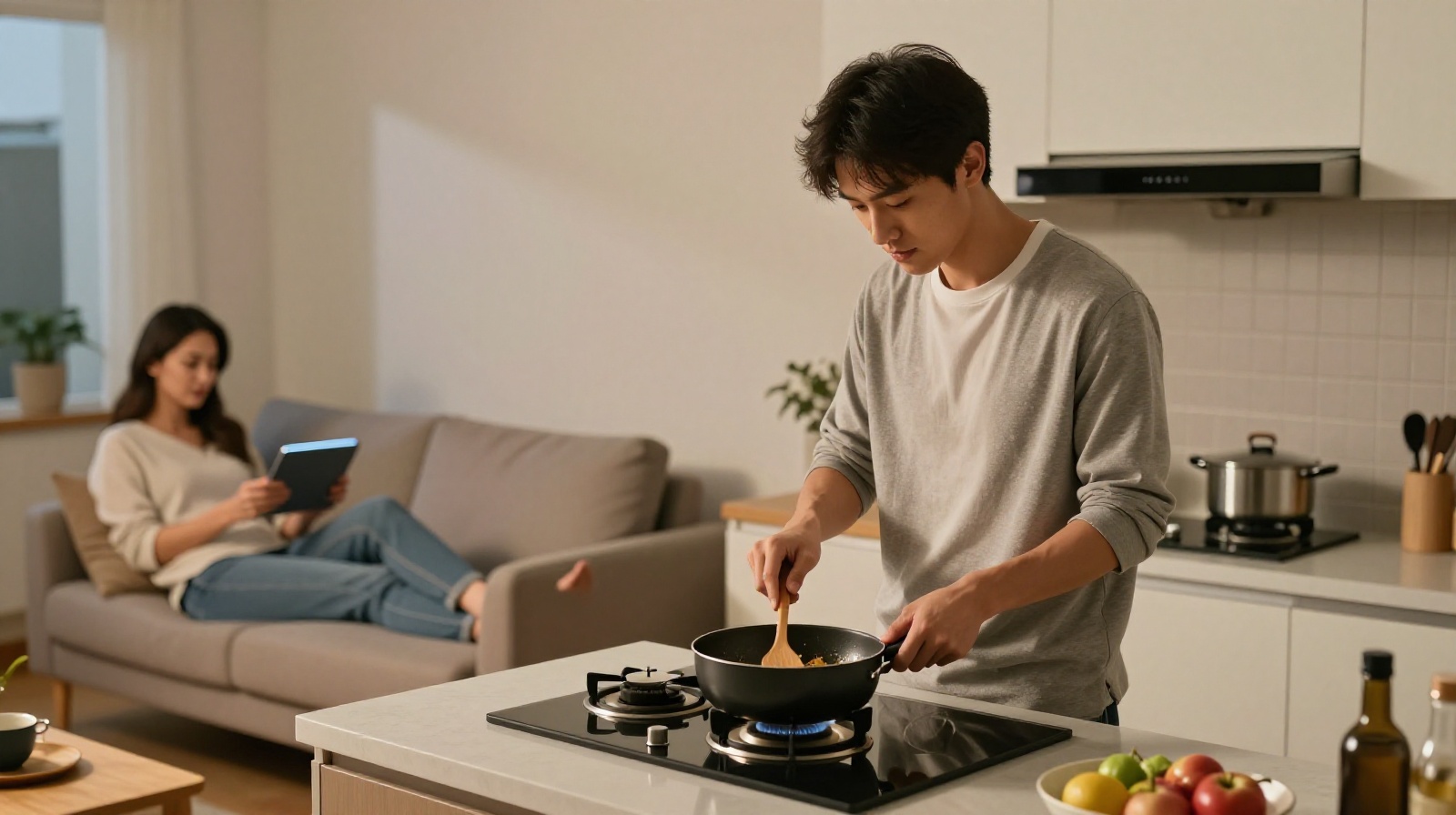
Last Qixi, they didn’t wait in line for three hours at a Michelin-starred restaurant. Instead, Wei ordered high-quality ingredients online using a food delivery app. He cooked a simple pasta dish while Lin watched a comedy special on her tablet. For the gift, Wei didn’t buy jewelry. He bought a high-quality noise-canceling headphone ear pad cover that matched Lin’s favorite color, along with a handwritten note about how he wanted her to have some quiet time after work.
“It wasn’t flashy,” Lin says. “But it showed he listens. In our daily life, silence and comfort are the most romantic things we can give each other.”
The New Definition of Love
The evolution of Qixi Festival reflects broader changes in Chinese society. Young people are facing housing pressures, long working hours, and economic uncertainty. In this context, traditional displays of wealth feel out of touch. Instead, they are redefining romance as something sustainable, personal, and digitally native.
This doesn’t mean they don’t care about tradition. The legend of the Cowherd and Weaver Girl is still taught in schools and celebrated in cultural events. But the *way* it is celebrated has shifted from performative display to private connection. It is less about what the neighbors see, and more about what makes the couple feel seen.
For global observers, this is a key insight into modern China. It’s not just about economic growth; it’s about how people are adapting their values to live better, more balanced lives in a hyper-connected world. Qixi, once a festival of distant longing, has become a day for grounded, practical, and deeply personal love.