
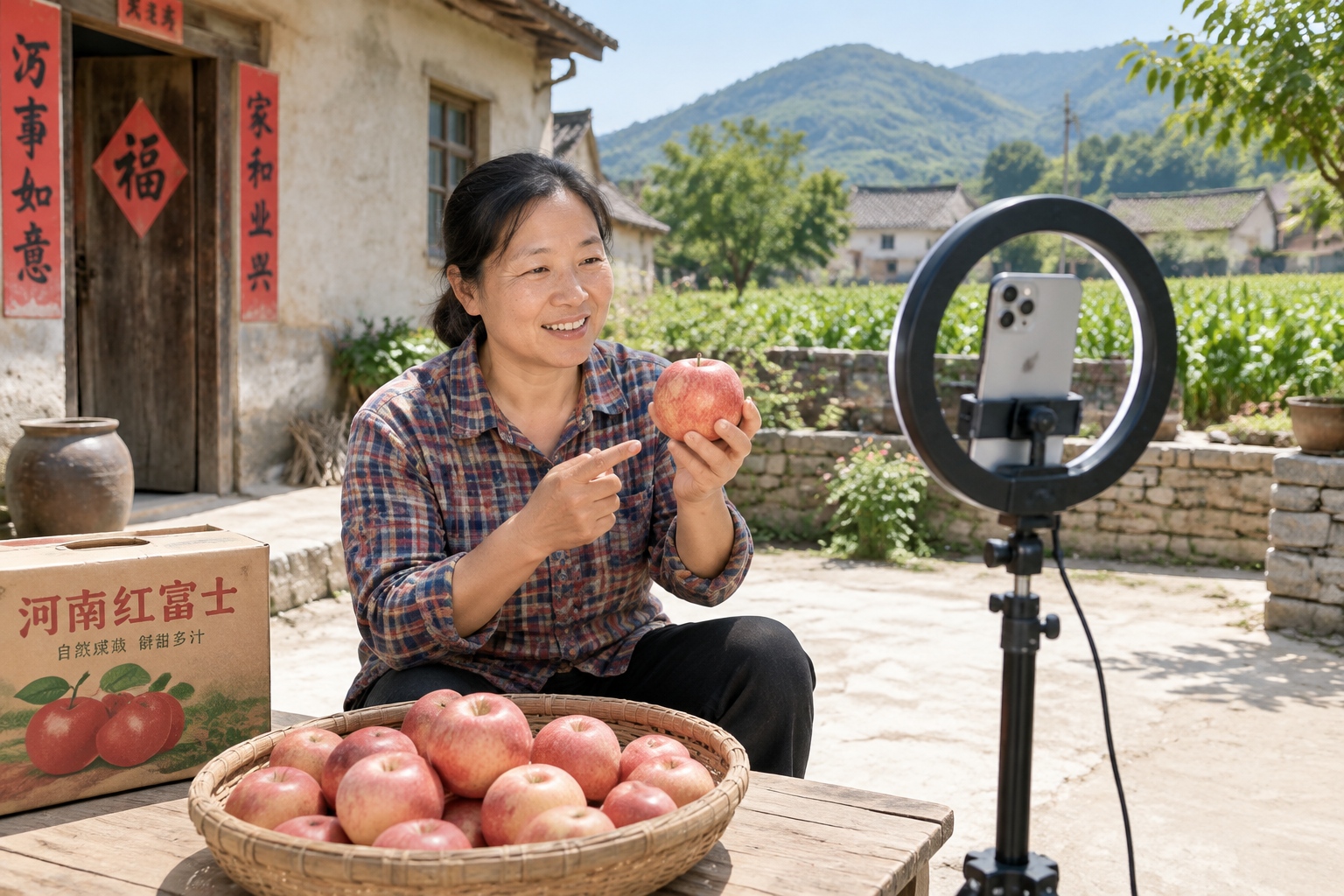

A Digital Morning in the Heartland
At 6:00 AM, the mist is still clinging to the wheat fields in Henan Province. For most of history, this time meant one thing for rural residents: heading out to the fields with hoes and baskets. But for Li, a 45-year-old farmer, the morning routine looks different.
Instead of walking into the soil, she sits on a plastic stool in her courtyard, holding a smartphone. She is adjusting the ring light, checking her audio levels, and waiting for the first viewers to join her live stream. By 7:00 AM, she has 500 people watching from Beijing, Guangzhou, and even overseas. She picks up a red apple, bites into it to show its crispness, and shouts, “Freshly picked from my orchard! Click the link below!”
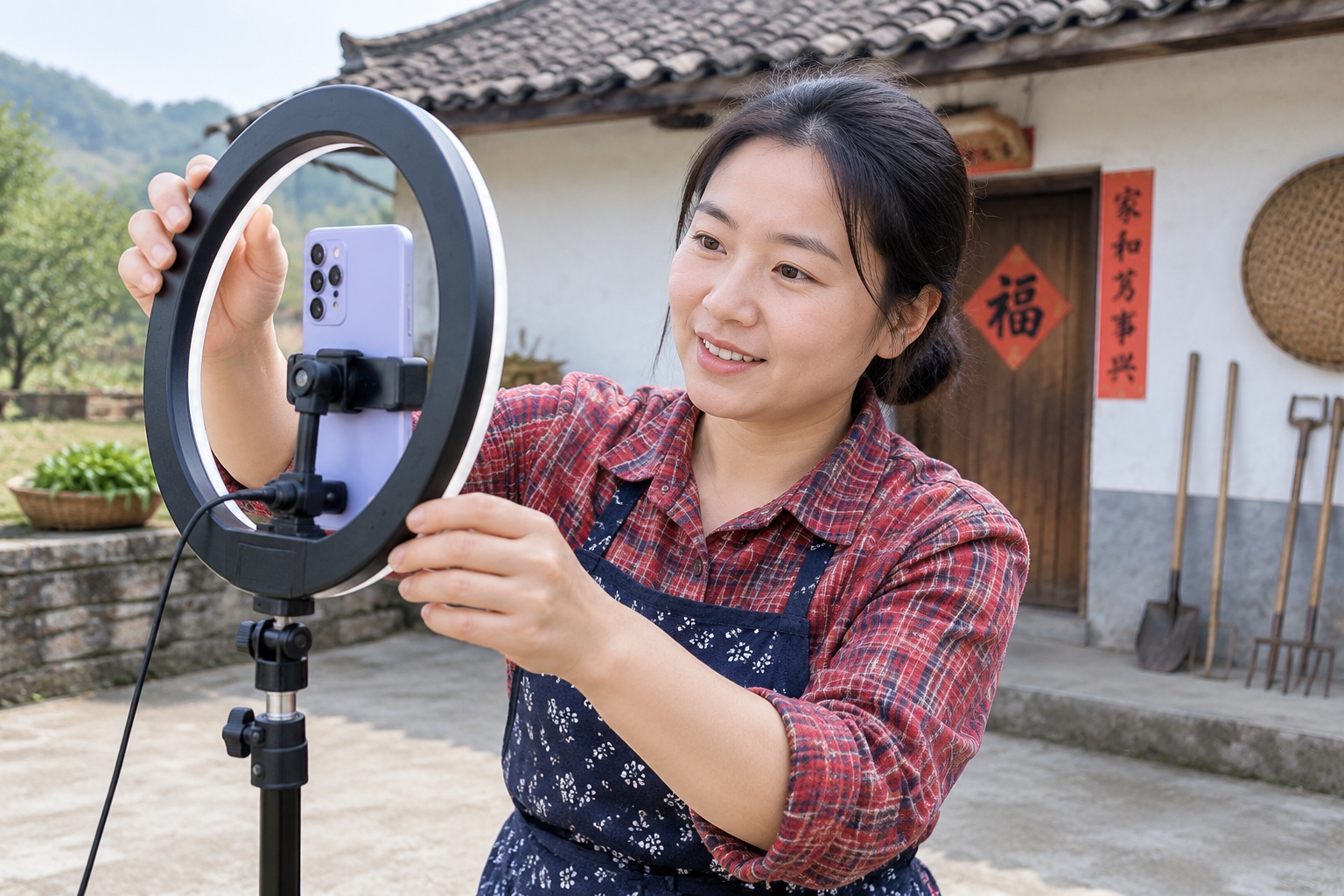
This is not a scene from a futuristic movie set in Shenzhen. It is happening in a typical village in central China. Li represents a growing demographic: rural residents who are no longer isolated by geography. Through the screen, the physical distance between her small orchard and the dining tables of urban consumers has vanished. This shift is not just about technology; it is about a fundamental restructuring of how value flows in China.
The Invisible Roads: Infrastructure as a Public Good
To understand Li’s success, you have to look beyond her smartphone. You need to look at the “invisible roads” laid beneath the soil and across the sky.
In the West, we often associate economic development with physical infrastructure like highways or railways. In China’s rural areas, the equivalent is digital infrastructure. Over the past decade, the government has treated high-speed internet and mobile connectivity as public utilities, similar to electricity in the 1930s. Today, 4G and even 5G signals reach remote villages where paved roads once ended.
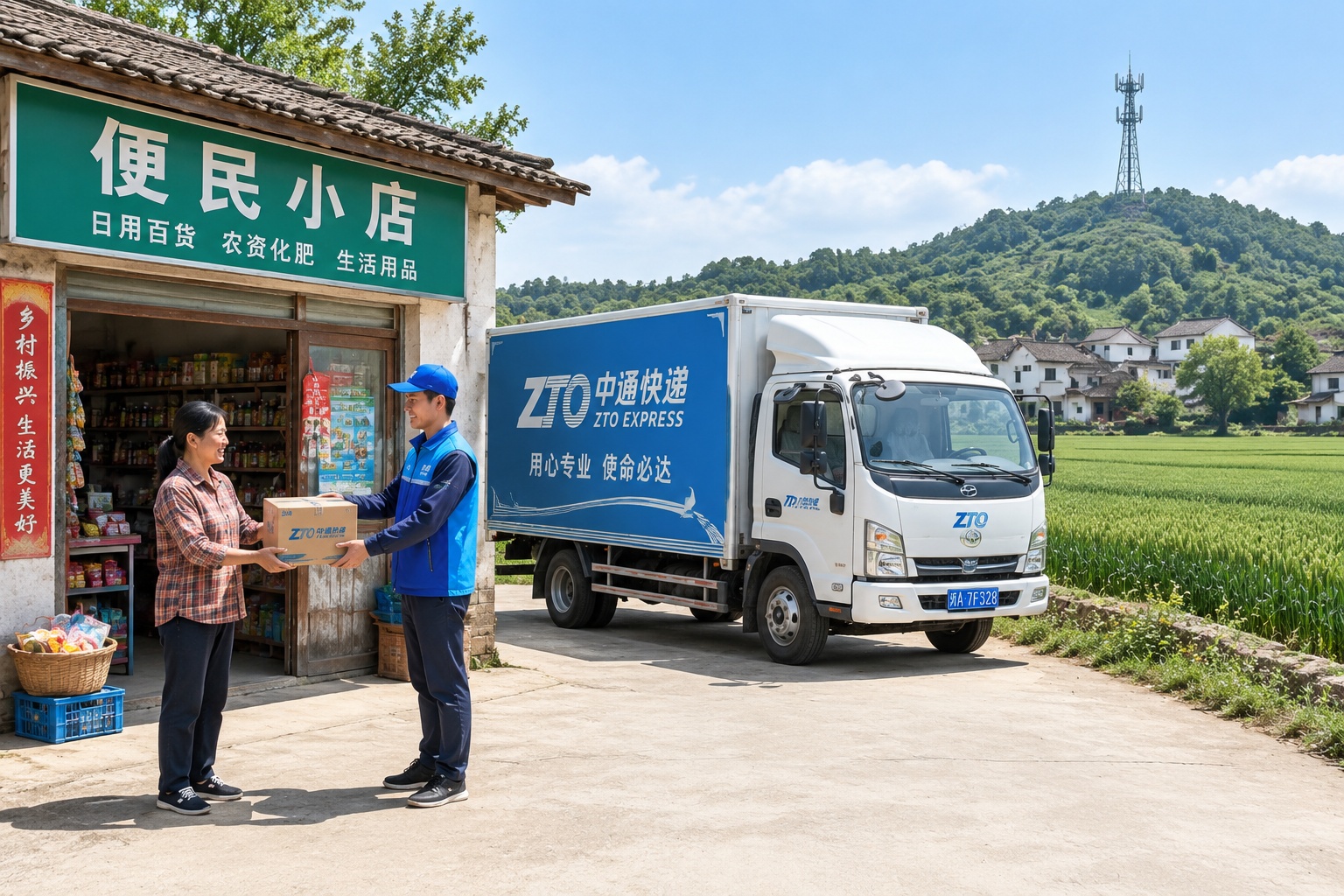
But connectivity is only half the battle. The other half is logistics. China has built a dense network of county-level logistics hubs. For Li, this means a courier can pick up her package at the village entrance and have it sorted at a central hub by noon. Within 48 hours, that same apple can be in a supermarket shelf in Shanghai or packed for export via cross-border e-commerce platforms.
This system relies on a unified digital market. Mobile payment apps like Alipay and WeChat Pay are not just for buying coffee in cities; they are used by local vendors to buy seeds, by farmers to receive payments, and by logistics companies to track parcels. This digital ecosystem reduces transaction costs, making it profitable for small-scale farmers to participate in the national economy.
From Soil to Screen: Bypassing the Middlemen
Traditionally, Chinese agricultural supply chains were long and fragmented. Farmers sold to local collectors, who sold to wholesalers, who sold to regional distributors. By the time produce reached the consumer, the farmer had received only a small fraction of the final price.
Li’s e-commerce model disrupts this chain. She sells directly to consumers (D2C) or through short-video platforms like Douyin (the Chinese version of TikTok). The margins that used to go to middlemen now stay with her family.
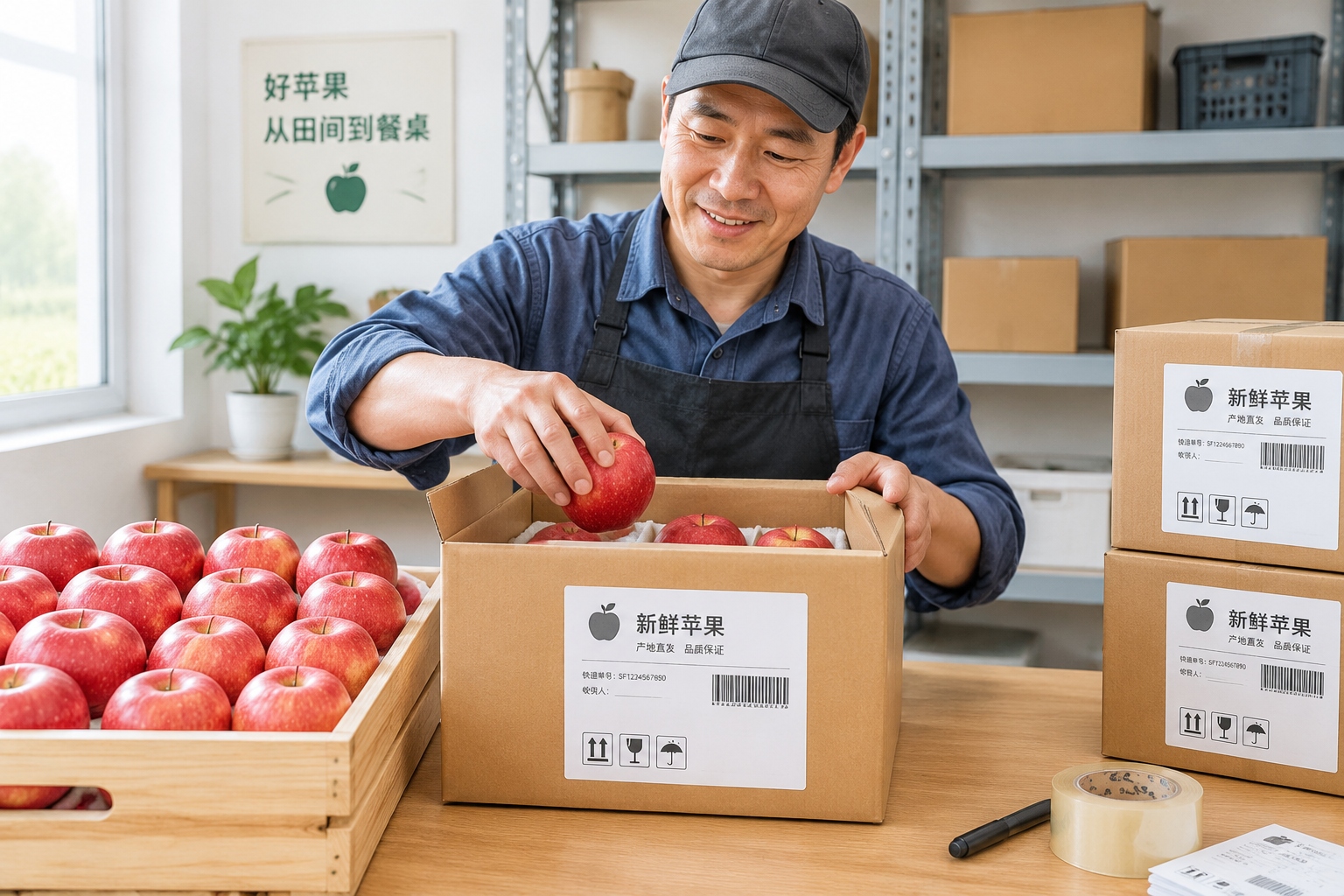
This transition is supported by government initiatives. “New Farmer” training programs teach rural residents how to use digital tools, manage online stores, and understand consumer preferences. In Henan, local governments often provide subsidies for internet access and cold-storage facilities, which are critical for keeping fresh produce crisp during transit.
For Western readers, think of this as the democratization of retail. It allows a producer in a remote area to compete on quality and price with large agribusinesses, not by building a massive factory, but by leveraging digital connectivity.
The Human Impact: Changing Lifestyles and Mindsets
The economic shift has rippled into social changes. For years, rural China suffered from “brain drain,” as young people left for cities like Zhengzhou or Beijing, leaving behind an aging population. But e-commerce has created a new narrative.
Now, young people are returning home. They are not coming back out of necessity, but opportunity. They bring digital literacy and fresh ideas, helping their parents optimize supply chains and marketing strategies. Li’s son, for example, manages her online store while she handles the farming and live-streaming content.
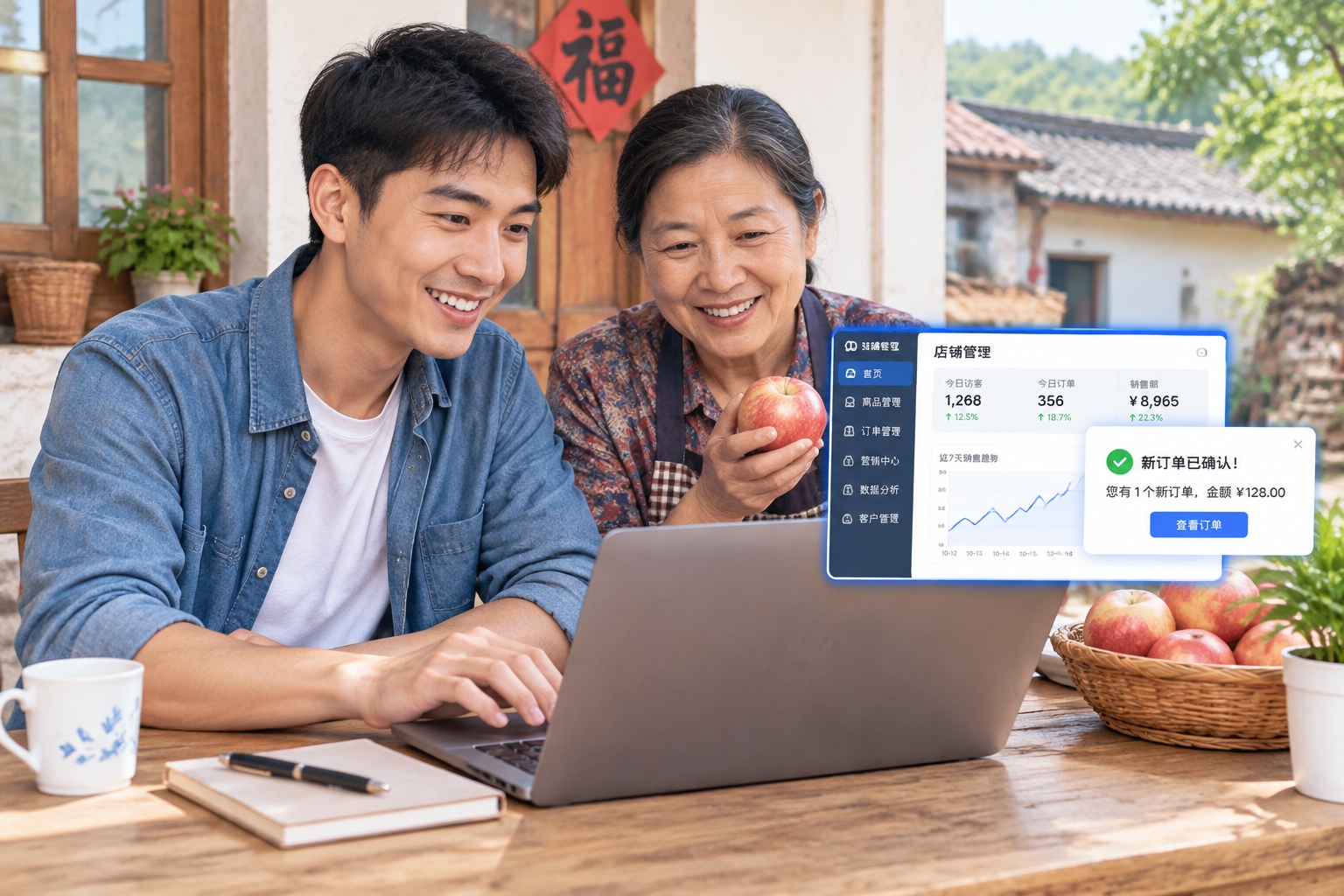
There is also a cultural exchange happening. Through customer comments and reviews, Li learns about trends in urban lifestyle. She sees that customers care about organic farming, sustainability, and story-driven products. This feedback loop encourages her to improve her farming practices, not just for volume, but for quality and brand reputation.
A Microcosm of Modern China
Li’s story is a microcosm of modern China. While global media often focuses on Shanghai’s skyline or Beijing’s tech giants, the real transformation is happening in the quiet villages of Henan, Sichuan, and Guangdong.
This digital infrastructure acts as a great equalizer. It does not erase the challenges of rural life, but it offers a pathway to prosperity that is accessible to those willing to adapt. It shows that China’s future is not just about building taller buildings, but about connecting more people.
For Li, the dream is no longer just about surviving the harvest season. It is about building a brand, educating her children in better schools, and staying connected to the wider world. In her courtyard, with a smartphone in one hand and an apple in the other, she is not just a farmer. She is a node in a vast, digital network that is reshaping China from the ground up.
Start the discussion at forum.chinacomes.com