
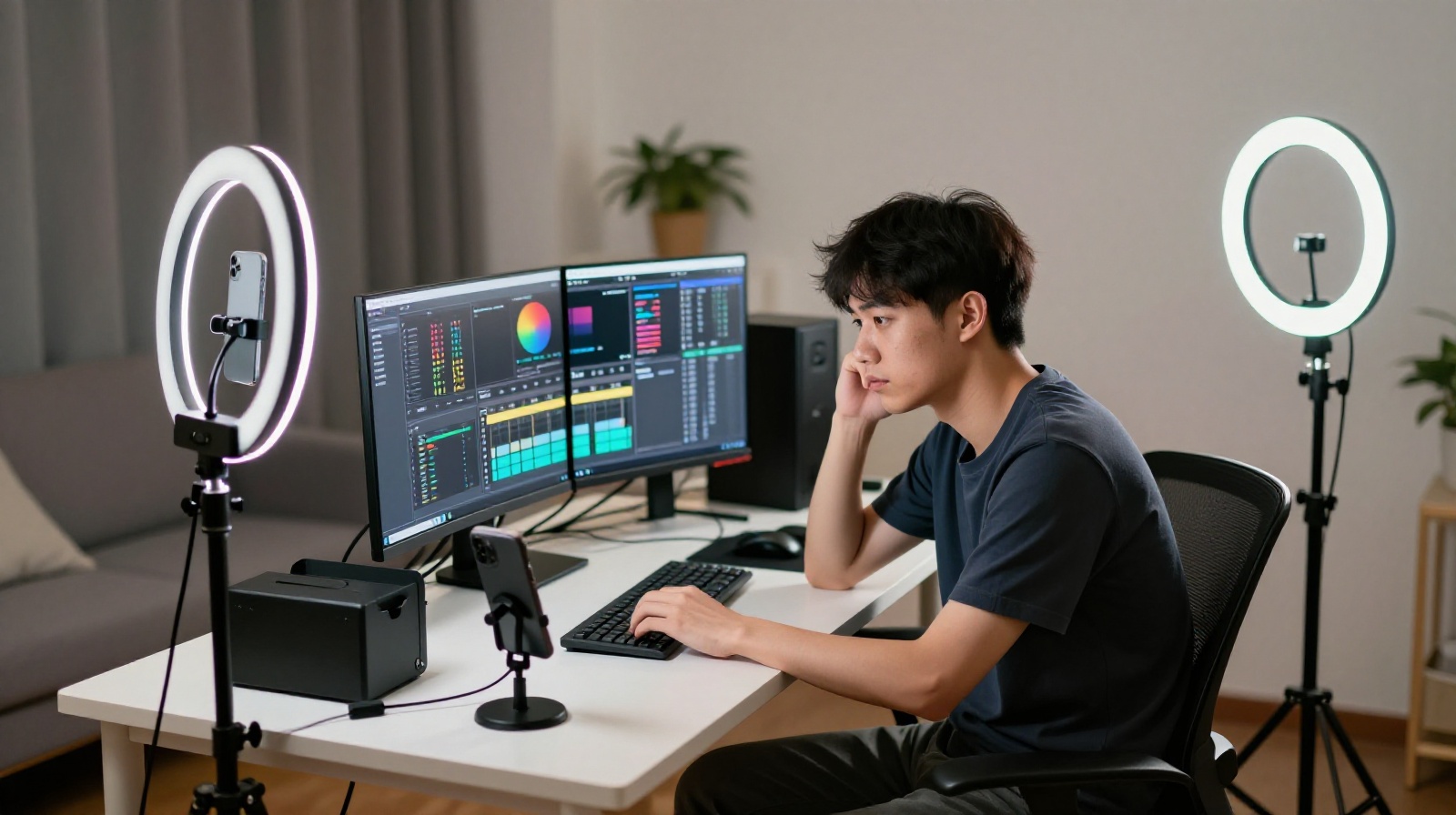

The Illusion of Overnight Success
Li Wei, a 28-year-old from Chengdu, doesn’t wake up excited about the sun. He wakes up checking his analytics. For Li, and millions like him, being a “content creator” is not a glamorous path to fame. It is a high-pressure job that blends marketing, performance art, and data analysis. The common Western perception of Chinese social media influencers often focuses on luxury lifestyles or superficial beauty filters. But if you spend time in the editing rooms of Douyin (TikTok’s Chinese counterpart) or Kuaishou creators, you will see a different reality: screens filled with spreadsheets, chat logs with brand managers, and the quiet exhaustion of someone who has been performing for an audience for 14 hours a day.
The myth of “overnight success” is the industry’s most effective marketing tool. In reality, virality is rarely accidental. It is the result of testing dozens of hooks, optimizing thumbnail contrast, and understanding minute-by-minute shifts in user attention. For the average creator, visibility is not a gift; it is a metric to be chased.
The Invisible Hand: How Algorithms Dictate Content
At the heart of China’s short-video ecosystem is the recommendation algorithm. Unlike traditional social media where you follow people you know, platforms like Douyin and Kuaishou are interest-based engines. They serve content based on what keeps your eyes on the screen, not who your friends are.
This creates a unique dynamic. Creators do not just talk to their audience; they talk to the algorithm. A video must capture attention in the first three seconds—often called the “golden window.” If users swipe away, the algorithm assumes the content is low quality and stops pushing it. This has led to a homogenization of styles. Fast cuts, loud music, and exaggerated emotional reactions are not just creative choices; they are survival tactics.
According to industry reports, less than 1% of creators earn enough to live on solely from content creation. The rest rely on a “gig economy” model, treating views as currency. A creator might spend three hours filming a 15-second clip, only to see it get 200 views. Then, they tweak the title, change the background music, and repost it. This iterative process is invisible to the viewer but defines the daily life of the creator.

From Screen to Street: Diverse Realities
The landscape of Chinese short-video creators is far more diverse than the polished influencers you see in advertisements. The “creator economy” in China has democratized visibility, allowing voices from rural areas and lower-tier cities to compete with urban elites.
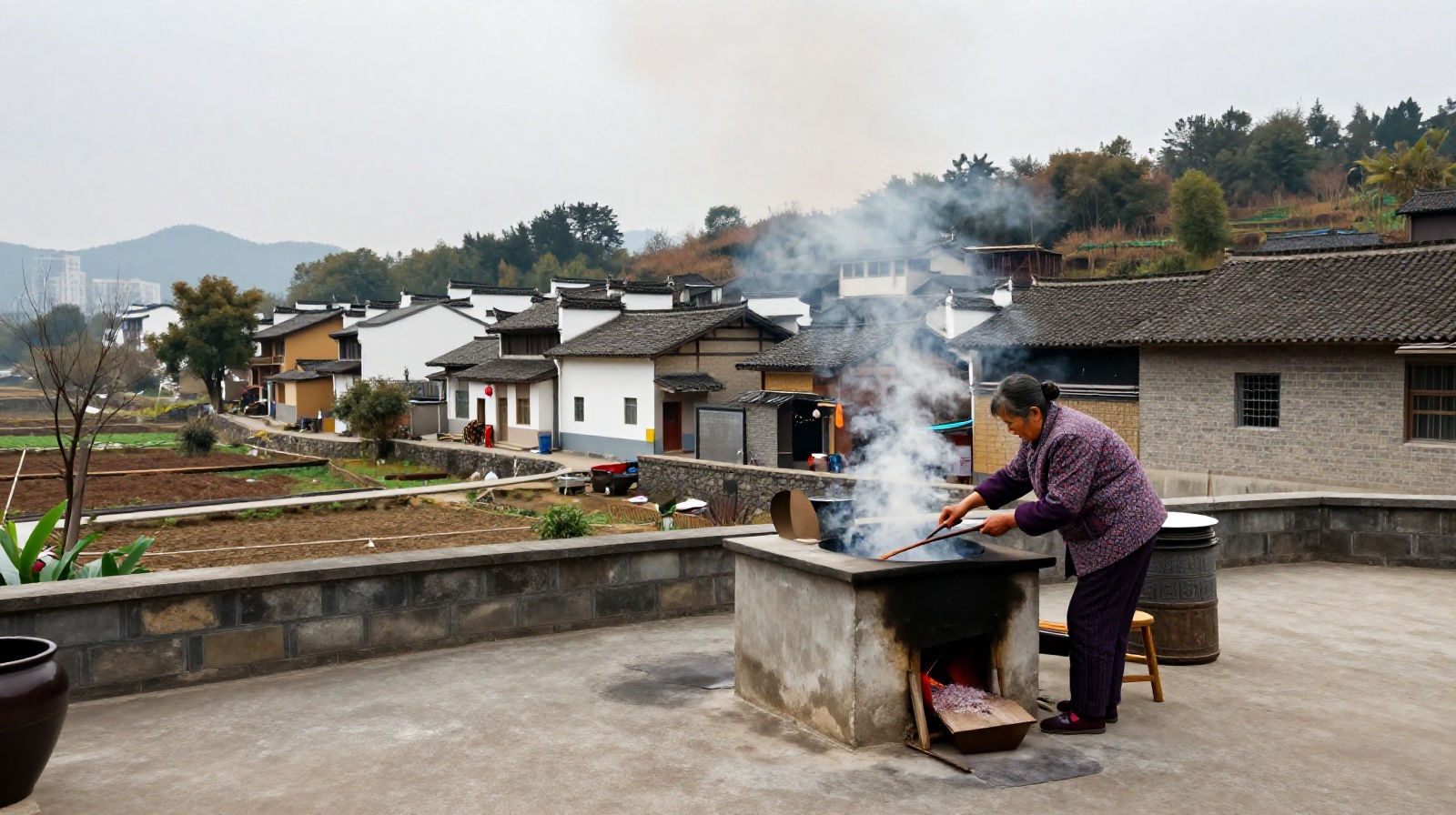
Take “Grandma Li,” a fictional composite of real creators from rural Sichuan. She films her daily life cooking over a wood-fired stove, speaking in a heavy dialect. Her audience is not just other rural residents, but urban professionals seeking a sense of nostalgia and simplicity. Her success is not built on high production value, but on authenticity. In contrast, urban creators often focus on niche hobbies, tech reviews, or workplace satire. The algorithm treats both with equal indifference, rewarding only engagement.
This diversity challenges the stereotype of a monolithic Chinese internet. While censorship and regulation exist, the sheer volume of content creates pockets of organic expression. A farmer selling oranges can become a local celebrity; a factory worker sharing safety tips can build a community. The screen becomes a bridge between China’s vast urban-rural divide.
The Monetization Hustle: Livestreaming and E-commerce
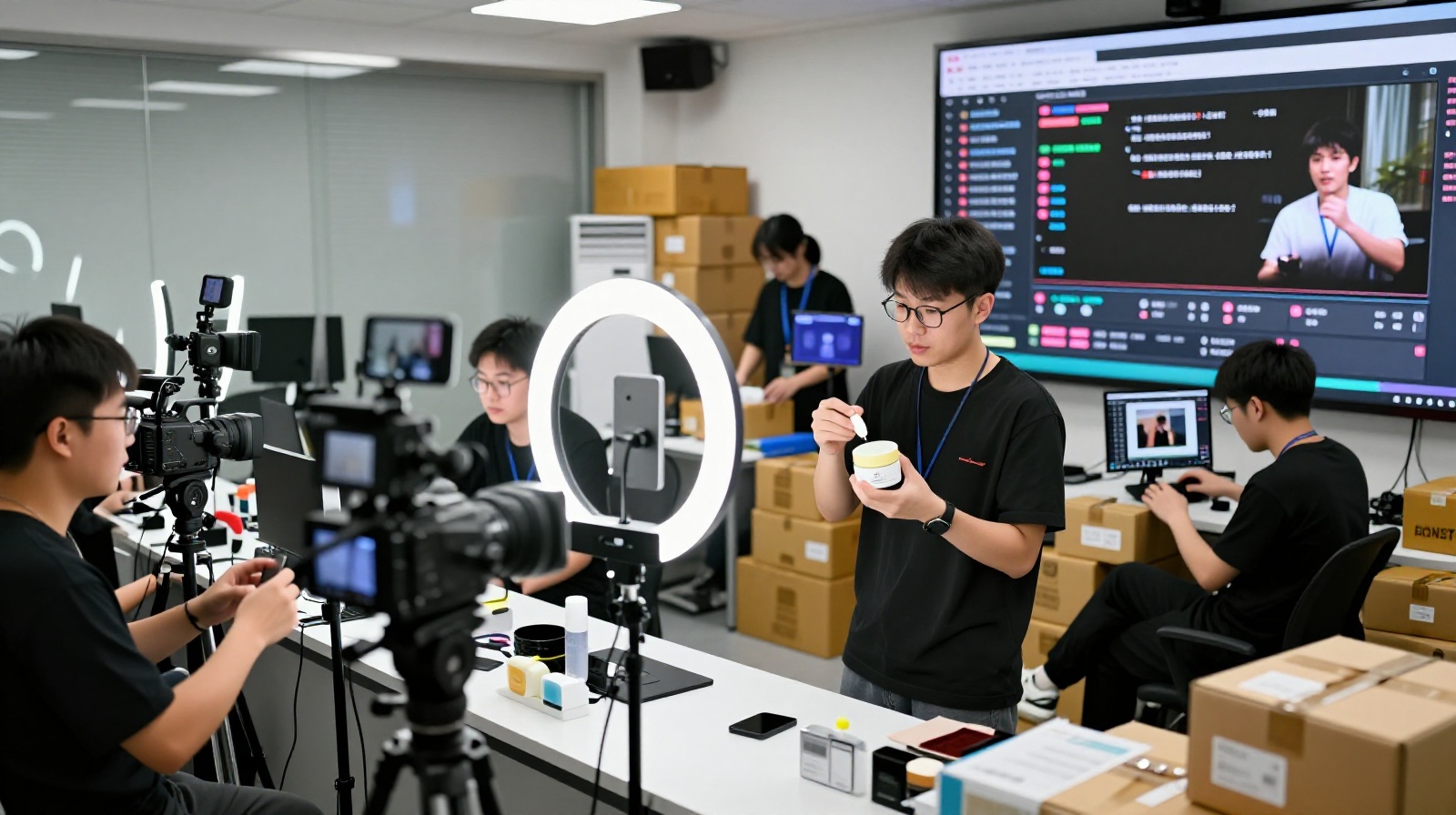
For most creators, views are vanity metrics; sales are sanity. The primary business model in China’s short-video industry is not ad revenue sharing, but live-stream e-commerce (livestream shopping). This is a massive shift from the West, where influencers often rely on brand deals or Patreon-style subscriptions.
In China, the line between entertainment and commerce is blurred. A comedy skit might end with the creator selling the exact props used in the video. A dance video might transition seamlessly into a demonstration of a new beauty product. This “content-to-commerce” loop is highly efficient. Creators act as live salespeople, interacting with viewers in real-time, answering questions, and offering limited-time discounts.
The pressure to perform is intense during livestreams. A creator might stand for eight hours straight, shouting product features and thanking donors. The income can be volatile: some nights, a single video can generate millions in sales; the next week, revenue might dry up completely. This unpredictability drives creators to post constantly, creating a cycle of content fatigue.
Mental Health and Burnout
The human cost of this digital hustle is often overlooked. The “always-on” nature of social media creates a psychological burden. Creators report feeling anxious when their views drop, fearing that the algorithm has “forgotten” them. The need to maintain a consistent persona online can lead to a disconnect between their real selves and their digital avatars.
Burnout is common. Many creators take “digital detox” breaks, only to return because their sponsors demand consistency. The industry is characterized by high turnover; what works today may be obsolete tomorrow. As AI tools begin to generate synthetic content, human creators face new competition from cheaper, faster alternatives.
Conclusion: The Human Behind the Feed
China’s short-video ecosystem is not just a playground for vanity; it is a complex economic engine. It reflects the country’s rapid digitalization, the flexibility of its labor market, and the ingenuity of its people. For overseas readers, understanding this industry means looking past the glittering surface. It reveals a world where technology empowers ordinary people to build businesses, but also demands a relentless pace of innovation and emotional labor.
As the industry matures, we are likely to see a shift towards higher-quality, more sustainable content. But for now, the algorithm remains the boss. And for creators like Li Wei, the only way to keep up is to keep creating.