

Introduction: A Bite of Luochuan
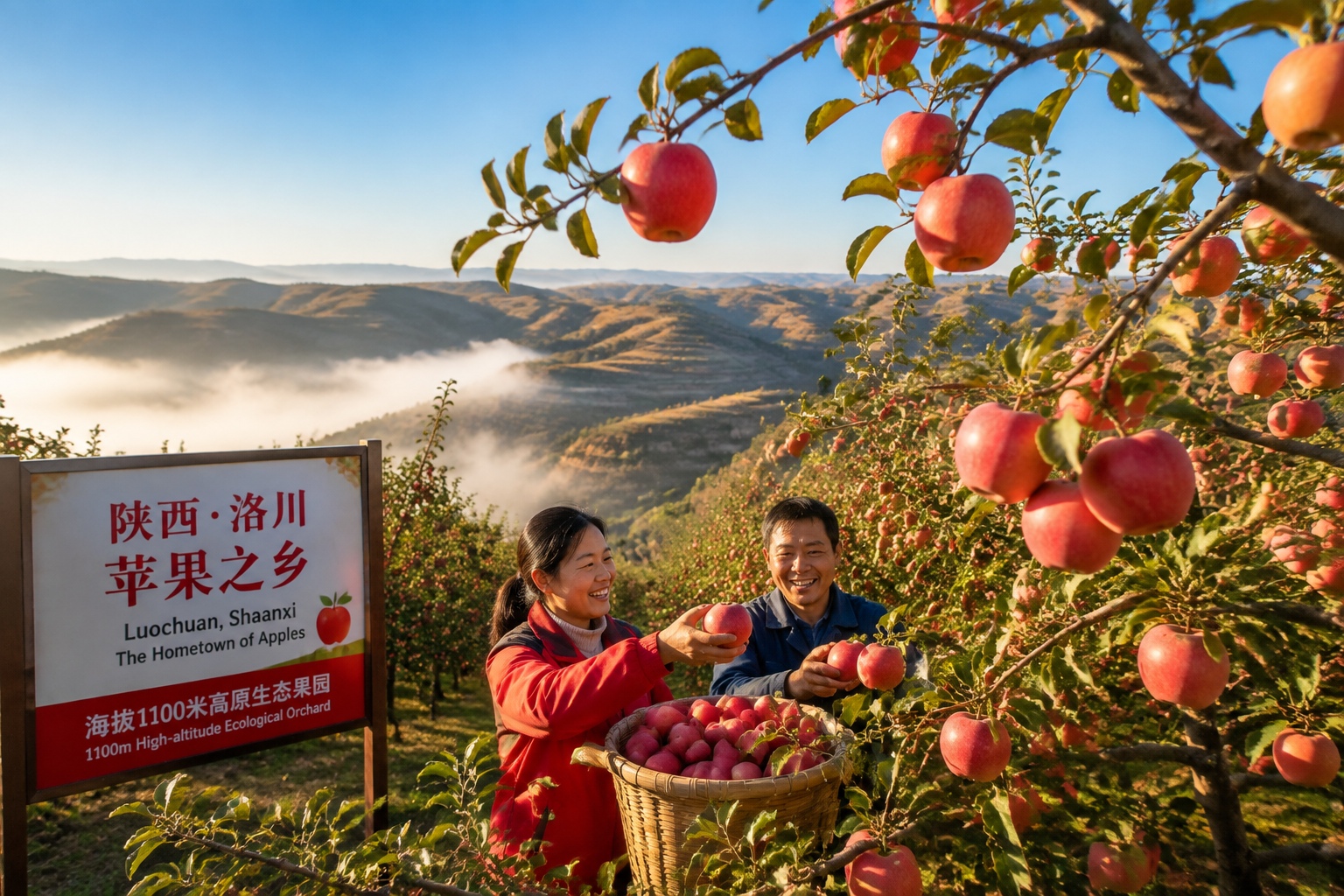
On a crisp autumn morning, I stood in an orchard in Luochuan County, Shaanxi Province, biting into an apple freshly picked from the branch. The first sensation was a loud, satisfying crunch. Then came a rush of juice so sweet and fragrant that it tasted almost like honey. “We call it ‘sugar core’,” said the orchard owner, a 60-year-old farmer named Wang Guozhen, pointing at the translucent flesh around the core. He had been growing apples here for four decades. “It’s not just luck. It’s the land, the sky, and the way we work.” Luochuan is a small county tucked into the heart of the Loess Plateau, about 300 kilometers north of Xi’an. Few people outside China have heard of it, yet its apples are sold in supermarkets from Bangkok to Dubai. Why are they so sweet? The answer lies in a perfect combination of geography, climate, soil, and human ingenuity.
Geography and Climate: Nature’s Sweet Formula
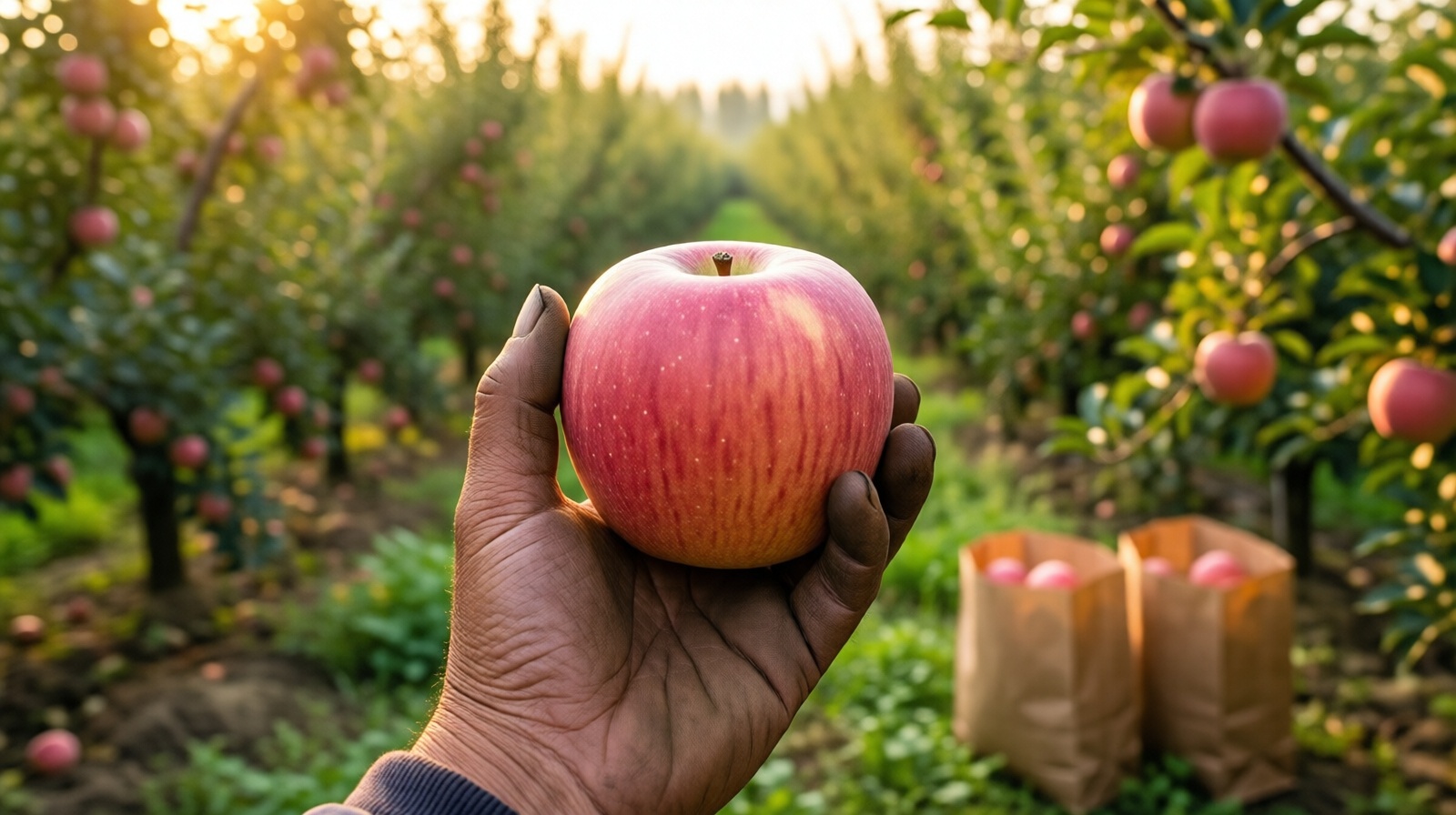
Luochuan sits at an altitude of about 1,100 meters (3,600 feet) above sea level. The high elevation means more intense sunlight — the sun shines here for about 2,500 hours a year. Apple trees are solar panels; more sun means more photosynthesis, which produces more sugars. But sunlight alone is not enough. The region has a dramatic temperature swing between day and night, often exceeding 10 degrees Celsius (18 degrees Fahrenheit). Cool nights slow down the plant’s respiration, so the sugars accumulated during the day are not burned off overnight. They stay in the fruit, making it denser and sweeter. Annual rainfall is moderate at around 600 millimeters, with most rain falling in spring and summer. This pattern allows the apples to grow steadily during the summer and ripen into a crisp, juicy fruit by autumn.
Soil: The Loess Plateau Advantage
Beneath the orchard feet lies the famous loess soil — a wind-deposited silt that can reach depths of hundreds of meters. This soil is incredibly porous and well-drained, which lets water and air reach the tree roots easily. But the real secret is its mineral composition. Loess is rich in potassium, calcium, magnesium, and trace elements like zinc and boron. Potassium is directly linked to sugar accumulation in fruit cells. It also strengthens the tree’s cell walls, making the apple crisp. In many apple-growing regions, farmers have to add these minerals as fertilizers. In Luochuan, the soil already contains them in abundance. A soil survey by the local agricultural bureau found that organic matter content averages 1.5%, which is high for the semi-arid region. For thousands of years, windblown dust has deposited fresh mineral-rich particles on the surface, essentially giving the land a self-renewing supply of nutrients.
Modern Farming: Science Meets Tradition
Natural advantages alone would not make Luochuan apples consistently sweet. Over the past 20 years, local farmers have adopted a set of meticulous techniques. First, they use “dwarfing rootstocks” — trees that are grown to be shorter, around 2 to 3 meters tall, so every leaf gets more sunlight. Second, they bag the fruit when it is about an inch wide. Workers place a small paper pouch around each apple to protect it from pests and disease, and this also keeps the skin smooth and pale. Ten days before harvest, they remove the outer bag, exposing the apple to direct sunlight, which triggers the development of bright red color and boosts sugar production. Third, they control water with drip irrigation. “We don’t just pour water whenever the soil looks dry,” explained a young agronomist at Luochuan’s Apple Research Institute. “We use moisture sensors to decide the exact amount and timing. Too much water dilutes the sugar content. Too little makes the apple tough.” The result is an apple that is remarkably consistent in size and taste.
Industry and Standards: From Orchard to Global Market
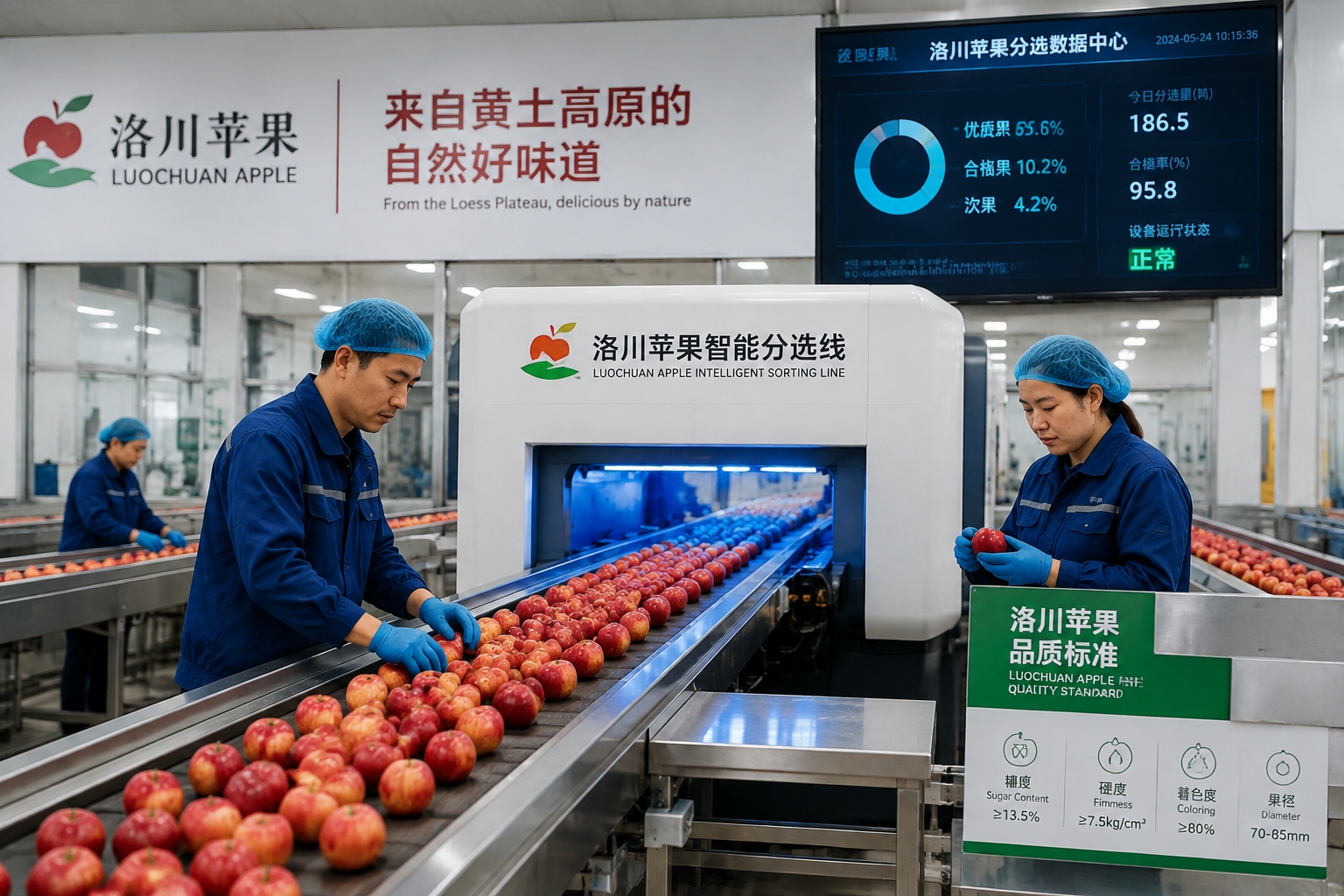
Luochuan County has a population of only 200,000, but it grows more than 900,000 tons of apples annually, making it one of the highest-producing counties in China. This scale is not accidental. In the 1990s, the local government launched a major push to standardize apple production. They established a “geographical indication” protection, meaning only apples grown within a defined area can be labeled “Luochuan.” They also built sorting facilities where every apple is scanned for color, size, and sugar content using near-infrared technology. Apples that pass the quality bar are packed with a “Luochuan” sticker and a traceable QR code that lets consumers see which orchard and which farmer grew the fruit. This system has built trust. Walk into any premium fruit store in Shanghai or Beijing, and you will likely see Luochuan apples priced 20–30% higher than ordinary apples. In 2023, Luochuan exported about 150,000 tons of apples to more than 30 countries, including the UK, France, and Indonesia.
Taste and Nutrition: What Makes Them Special?
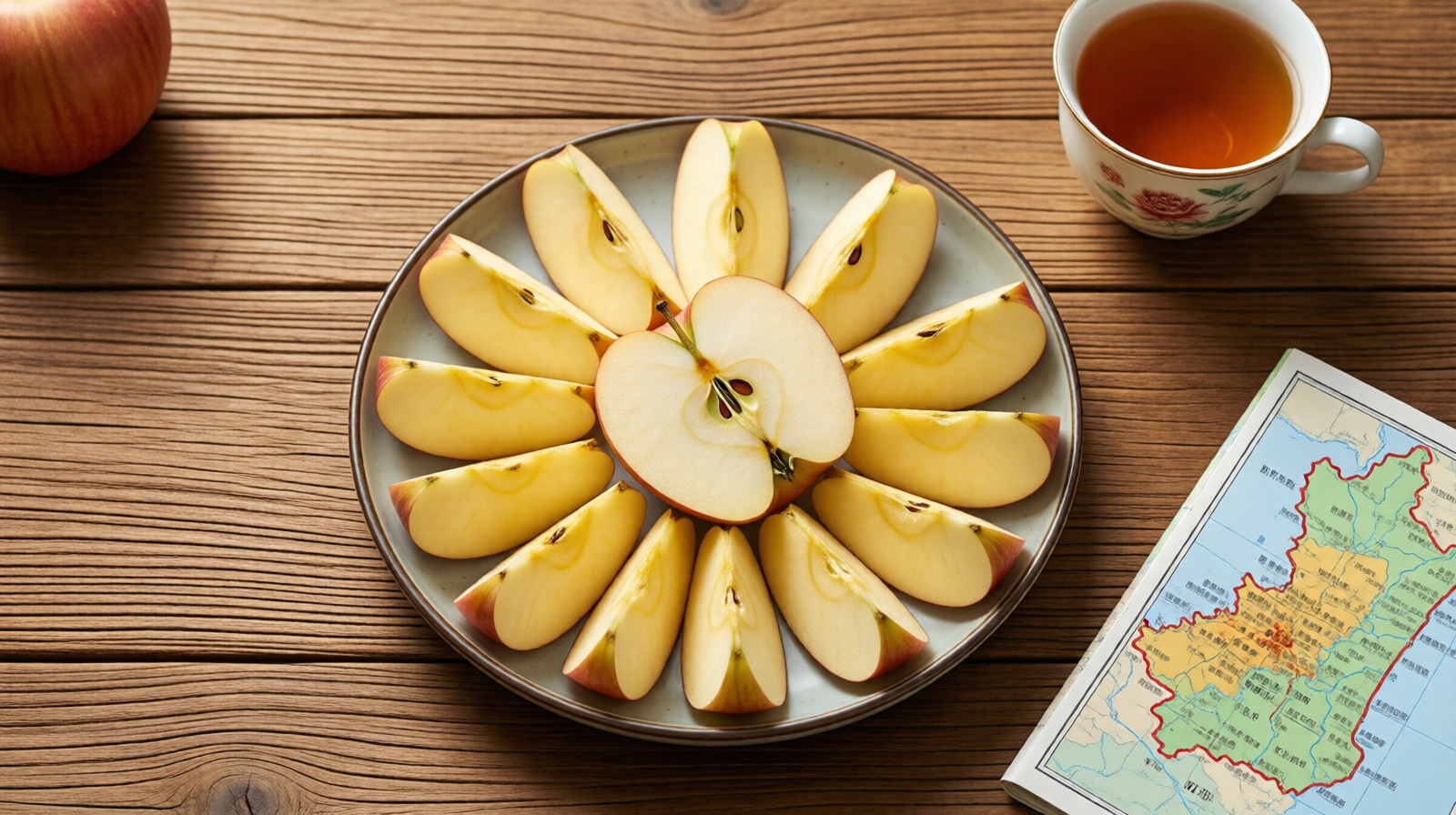
So how sweet is a Luochuan apple? The sugar content, measured in degrees Brix, typically ranges from 14 to 16 percent. By comparison, a standard Fuji apple from the United States averages around 12–13 percent. Some premium Luochuan batches can reach 18 percent, which is as sweet as many dessert pears. That natural sugariness is balanced by a bright acidity, giving the apple a complex flavor that is not cloying. The fruit is also dense, with a fine flesh that resists browning even after being cut for several minutes. Nutritionally, Luochuan apples are rich in vitamin C, polyphenols, and dietary fiber. One local food-science lab found that the polyphenol content is 15% higher than in apples grown in neighboring, lower-elevation regions. These compounds are antioxidants, which is another reason health-conscious consumers seek them out.
Conclusion: Sweetness Beyond Sugar
In the end, the sweetness of a Luochuan apple is not a single thing. It is the altitude that lets the sun shine longer, the loess that feeds the roots with minerals, the cool nights that lock in the sugars, and the farmers who have learned over generations to listen to the tree. It is also a story of rural China — a place where old agricultural wisdom meets modern technology to produce something that can compete with the best orchards in the world. The next time you bite into a crisp, honey-flavored apple, ask where it came from. If it says Luochuan, you are tasting a piece of the Loess Plateau, and the hard work of 200,000 people who call that plateau home.
Start the discussion at forum.chinacomes.com