

The TV You Are Watching May Have Started Here
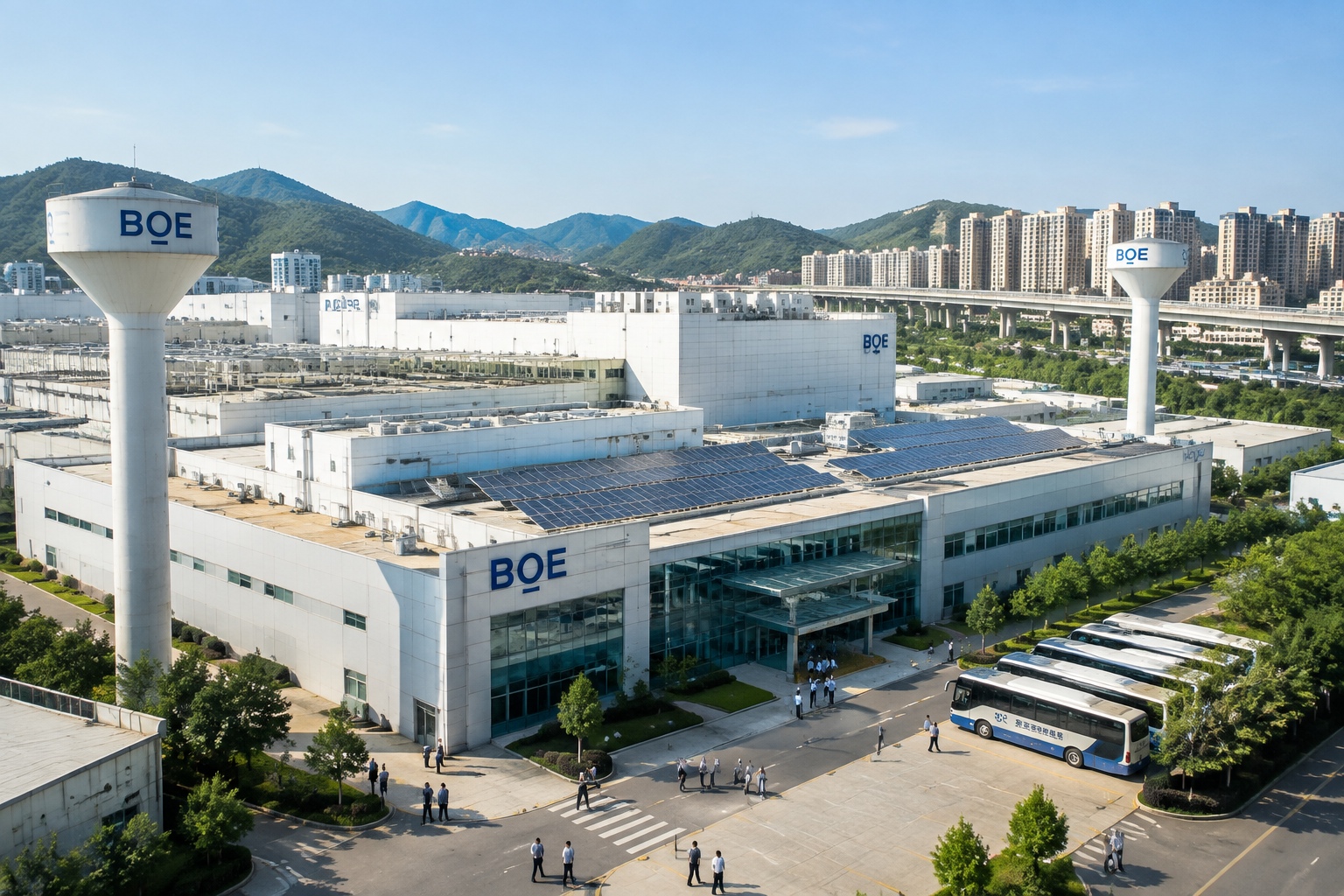
Fuzhou, a city in southeast China best known for hot springs and historic alleyways, is not the first place you’d look for the future of global television. Yet if you buy a 65-inch flat-screen TV anywhere from Singapore to Texas, there’s a good chance the glass panel inside it was made in a sprawling factory on Fuzhou’s outskirts, by a company called BOE.
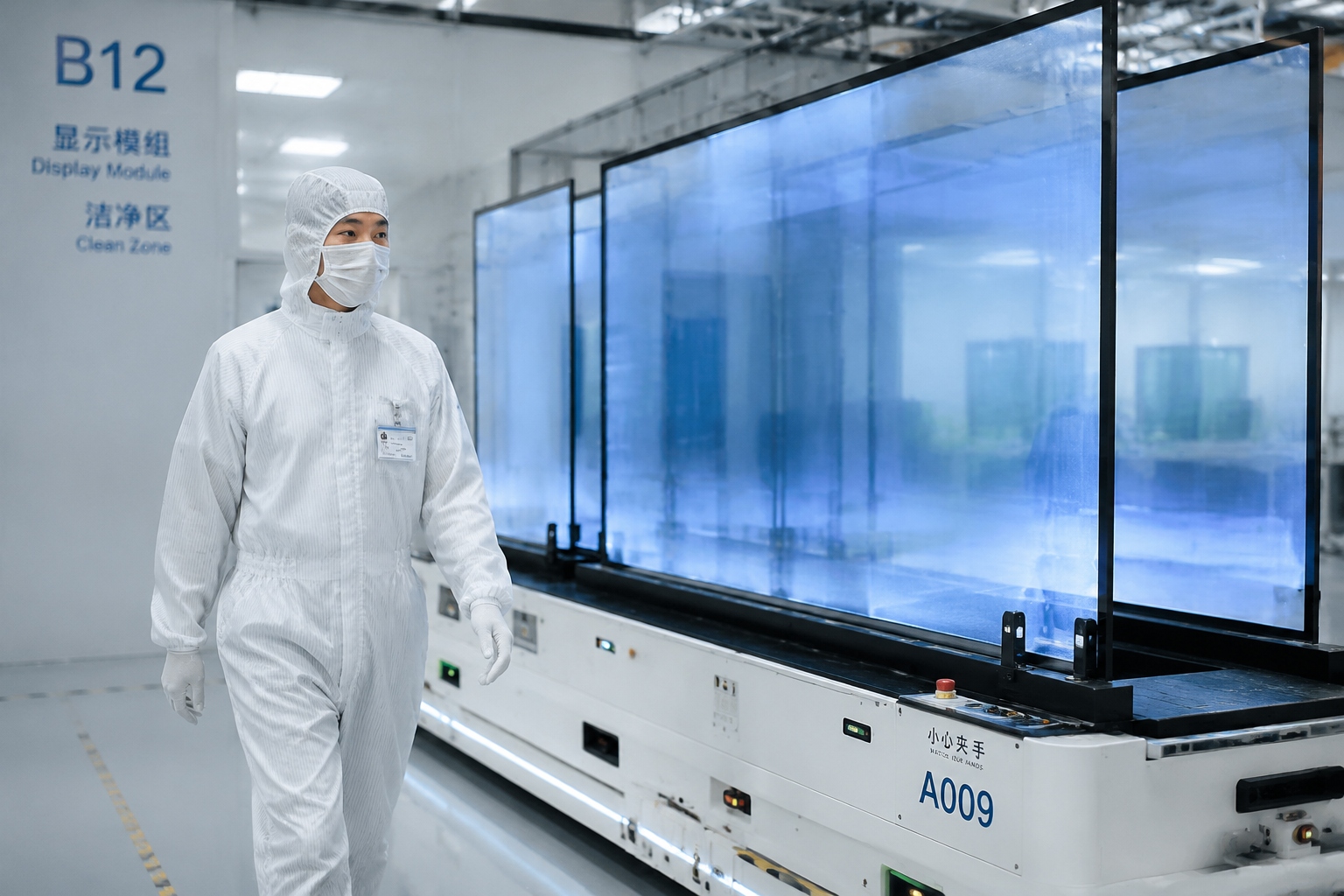
Step inside the cleanroom of BOE’s Fuzhou campus, and you’ll find a world of white lights and silent robots. Workers in full-body suits move in precise routines, but most of the work is done by automated guided vehicles that glide across the floor, carrying large glass substrates from one station to the next. At the end of the line, a mother glass sheet is cut into smaller panels that will end up in televisions, monitors, and other devices.
Who Is BOE?
BOE Technology Group, born in Beijing as a struggling electronics tube manufacturer in 1993, is now the world’s largest producer of display panels. It supplies screens for Apple, Samsung, LG, Dell, and virtually every major TV brand. Its Fuzhou campus is a centerpiece of that dominance.
The Fuzhou plant is a so-called generation 8.5 line, which means it can process large glass sheets of about 2.5 meters by 2.2 meters. These sheets are cut into six 55-inch panels or eight 49-inch panels with each run. According to company disclosures, the investment in this facility exceeded 30 billion yuan (about $4.2 billion). At full capacity, it can produce more than 120,000 glass substrates per month, enough to make millions of TV screens every year.
What Makes This Factory Different
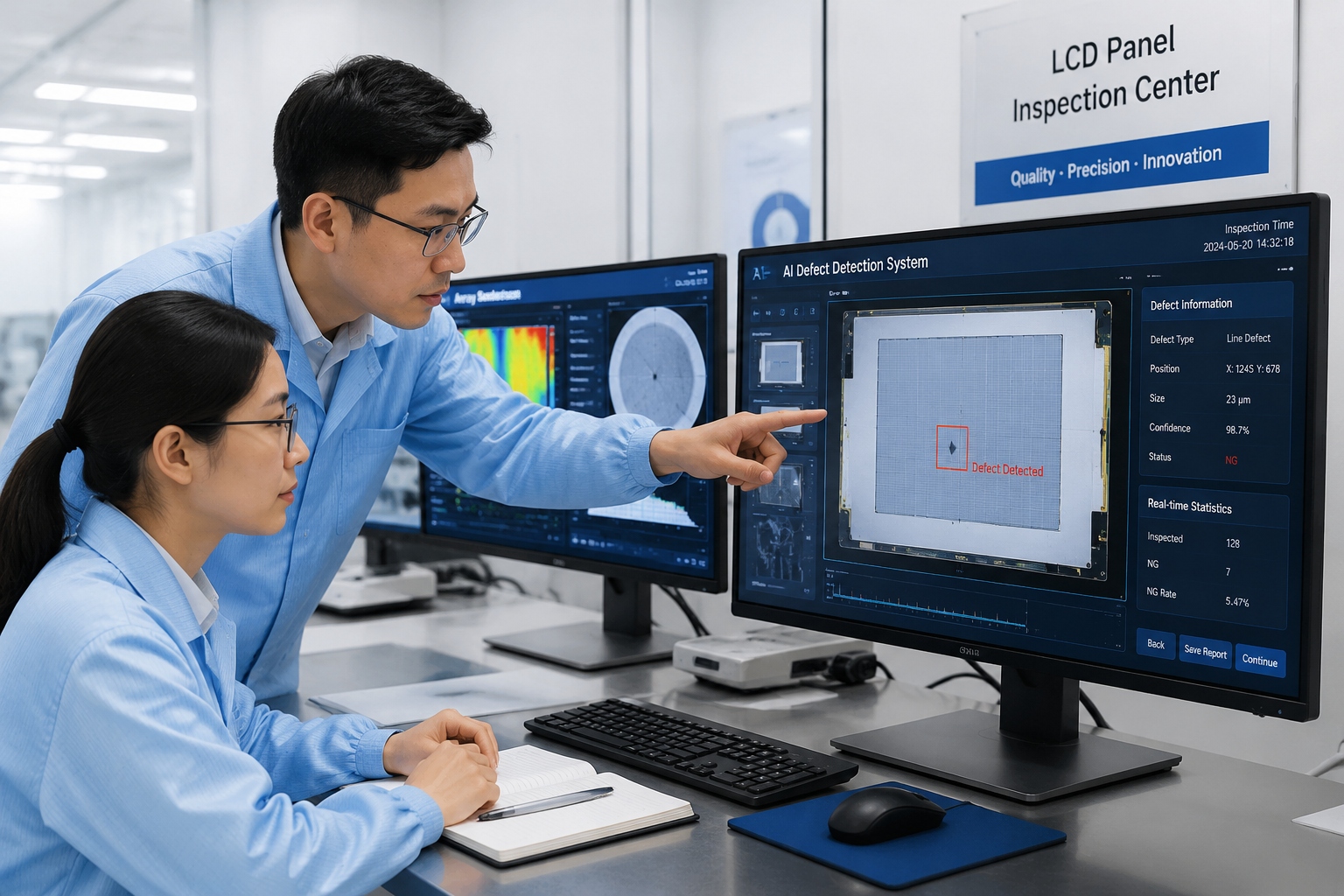
The most impressive number, though, is the yield rate—the percentage of panels that leave the factory without defects. In Fuzhou, that rate is above 90%, a level that was considered almost impossible when the industry started. BOE achieves this through constant algorithm tuning, high-speed image recognition, and a team of engineers that watches over thousands of data points in real time.
One engineer, who asked to be identified only by his surname Lin, described the plant’s approach to quality control: “We use AI cameras to inspect every millimeter of the glass. If there’s a scratch only a few microns wide, the system catches it and sends an alert to a maintenance robot. The entire loop takes less than a minute.” Lin, a local from nearby Putian, chose to return to Fuzhou after earning his master’s degree in electronics. “Ten years ago, a graduate like me would go to Shenzhen or Shanghai. Now, the opportunity is right here.”
More Than a Factory: The Supply Chain Effect
BOE’s Fuzhou plant did not just bring one factory. It attracted hundreds of suppliers—small firms that make chemicals, glass, packaging, and precision components—into a zone that was once farmland. The local government designated the area as the Fuzhou Digital Economy Industrial Park, and it has become a magnet for investment.
The economic ripple effect is visible across the city. Between 2015 and 2023, the output value of Fuzhou’s electronic information manufacturing sector grew from about 30 billion yuan to over 100 billion yuan, according to industry estimates. Exports of optical components and display devices now represent a significant share of Fujian province’s high-tech exports, most of it heading to Southeast Asia, Europe, and the Americas.
This industrial shift also changed the face of the local job market. Li Mei, a 29-year-old quality inspector at BOE, told me that her monthly income nearly doubled after she joined the company. “I used to work in a clothes factory in Jinjiang. Here, I wear a clean suit and work with computers. My parents still don’t fully understand what I do, but they see that I bought an apartment,” she said, laughing.
From Tea and Tourism to High-Tech
For outsiders, Fuzhou’s transformation is striking. The city has long been a cultural center—home to ancient banyan trees, the famous Three Lanes and Seven Alleys, and a tradition of jasmine tea. But today, the skyline on the banks of the Min River is dotted with research buildings and start-up offices. A new metro line connects the city center to the industrial park, where tens of thousands of workers start their shifts every morning.
This is not a story of a city abandoning its heritage. Rather, it’s an example of how manufacturing can provide a new foundation for urban development. The revenue generated by BOE and its suppliers has helped fund new schools, hospitals, and parks. Local universities now offer courses in semiconductor engineering, and enrollment has climbed sharply.
The Ripple Effect on Daily Life
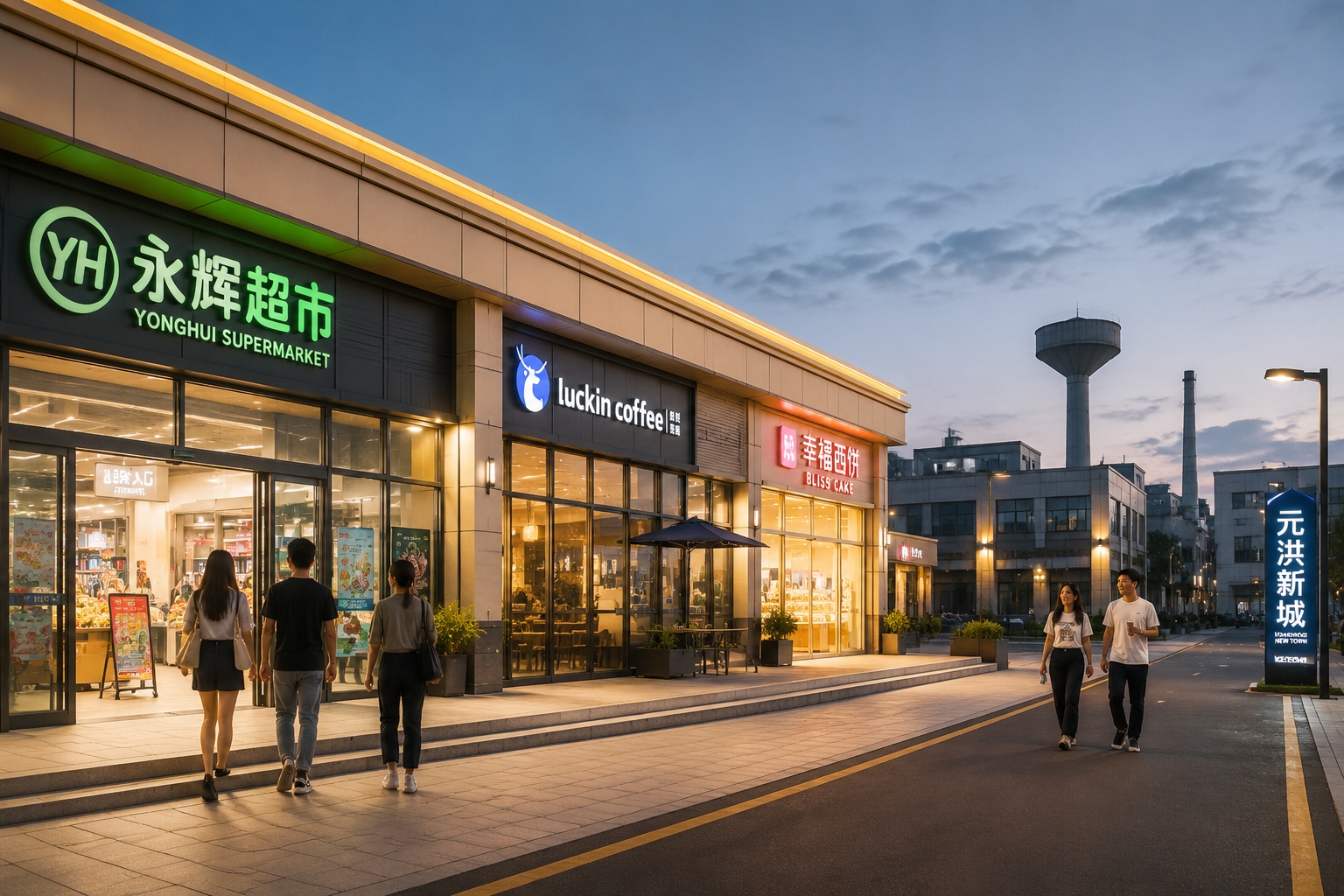
For ordinary residents, the display industry shows up in places you might not expect. Taxi drivers, café owners, and real estate agents all talk about the “electronics people” who moved to the district. A shopping mall near the factory now stays open until 10 p.m. to serve the late shifts, and the once sleepy area has gained international restaurants and a cinemaplex.
Even the city’s waste management system has adapted. Glass and chemical waste from the plant are sorted and reused through a local recycling network that BOE helped build. The company says it recycles more than 80% of its water in Fuzhou, a detail that matters in a region that sometimes faces water scarcity.
Challenges and the Road Ahead
Yet no story of modern China is without complexity. The display industry is highly cyclical, and prices for LCD panels have swung sharply in recent years. BOE’s Fuzhou line, like many others, faces the challenge of staying profitable while competitors in China and elsewhere ramp up production. The company has responded by moving toward higher-value panels, such as 8K resolution and mini-LED backlight technology, and by pushing into flexible OLED displays at other sites.
There are also social costs. The industrial park’s growth has attracted thousands of migrant workers, putting pressure on housing rental costs and public services. Local officials say they are building more affordable housing and upgrading bus routes. “We don’t want this to become a bubble,” one city planner told me. “We want the industry to put down real roots.”
A City Lit by Invisible Glass
Fuzhou’s experience shows that in today’s China, industrial policy can be a very tangible thing. It is not just a government plan on paper; it is a landlord renting a room to a young engineer, a vocational school teacher changing her curriculum, and a street that used to go dark after dinner now lined with neon signs for glowing cafes.
The display panels made in Fuzhou are invisible in the sense that no one pays attention to them once they’re inside your TV. But the city’s own transformation is visible in every crane that slopes over the Min River, every recently upgraded public library, and every hopeful college graduate who stays instead of moving away.
As Lin, the engineer, put it: “We make screens for the world. But we’re also making a future for ourselves.”
Start the discussion at forum.chinacomes.com