
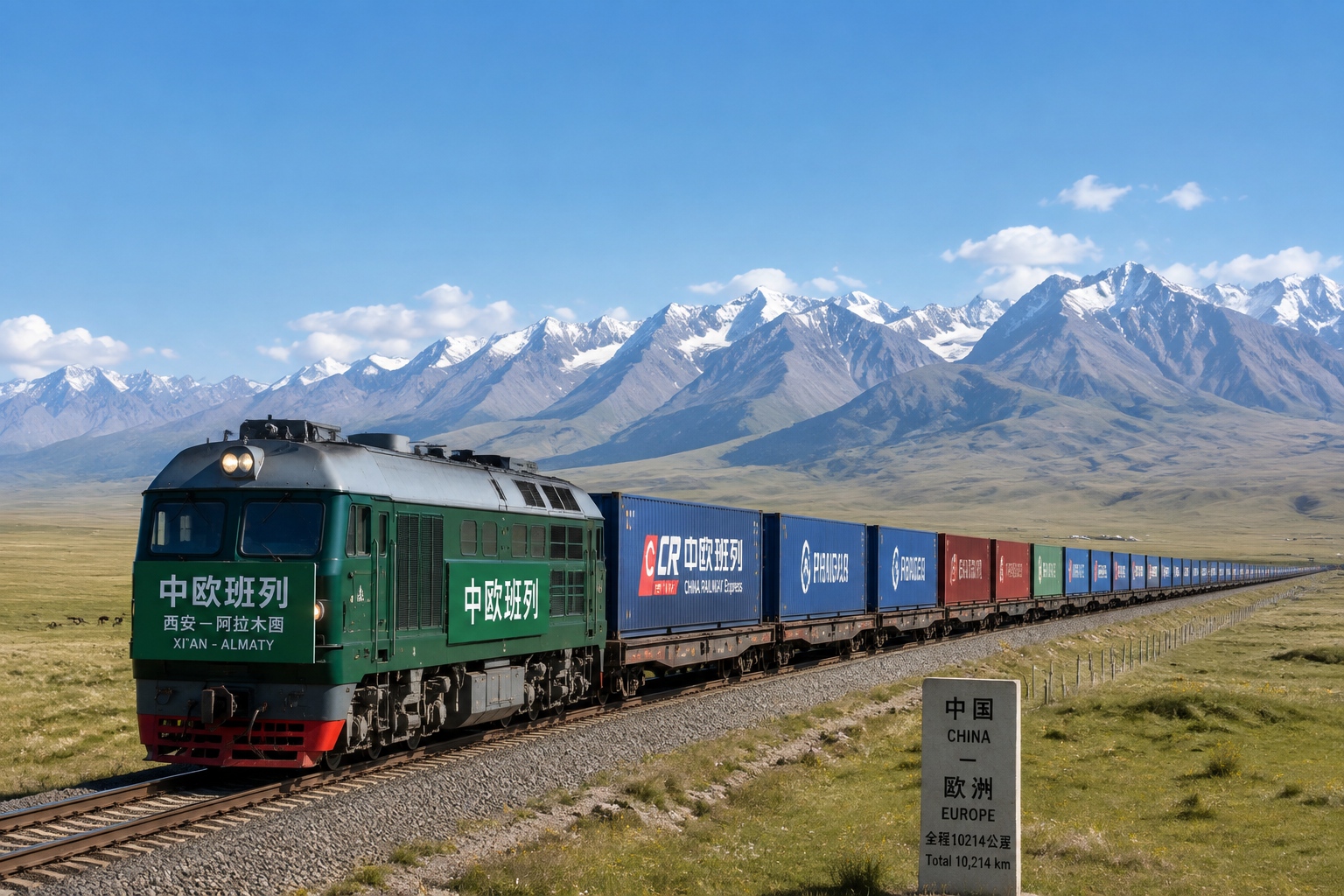

Introduction: The Train That Feels Like a Continent
Every few hours, a train leaves a rail hub in central China and starts a two-week journey toward Europe. It’s loaded with electronics, clothing, auto parts, and sometimes even fresh fruit. Cranes lift boxes, customs officers stamp paperwork, and then the long haul begins.
But this isn’t just a freight story. If you could drop your luggage onto one of those trains and follow the same rails, you’d sail through landscapes that shift from dry steppe to birch forests, to Polish farmland, to the industrial heart of Germany. Along the way, you’d pick up food smells, local slang, and architectural styles that tell you exactly where you are. Here’s what that ride looks like, stop by stop.
First Stop: Kazakhstan — The Green and the Gritty
Just across the border from China’s Xinjiang region, the first foreign stop is usually the Dostyk border crossing, then the road continues toward Almaty. Almaty is a city where you look up and see snow-capped mountains in your peripheral vision. The streets are lined with apple trees — the city’s name is even linked to apples. Locals will argue about the best shashlik (grilled meat skewers) and serve you fermented camel milk if you’re brave.
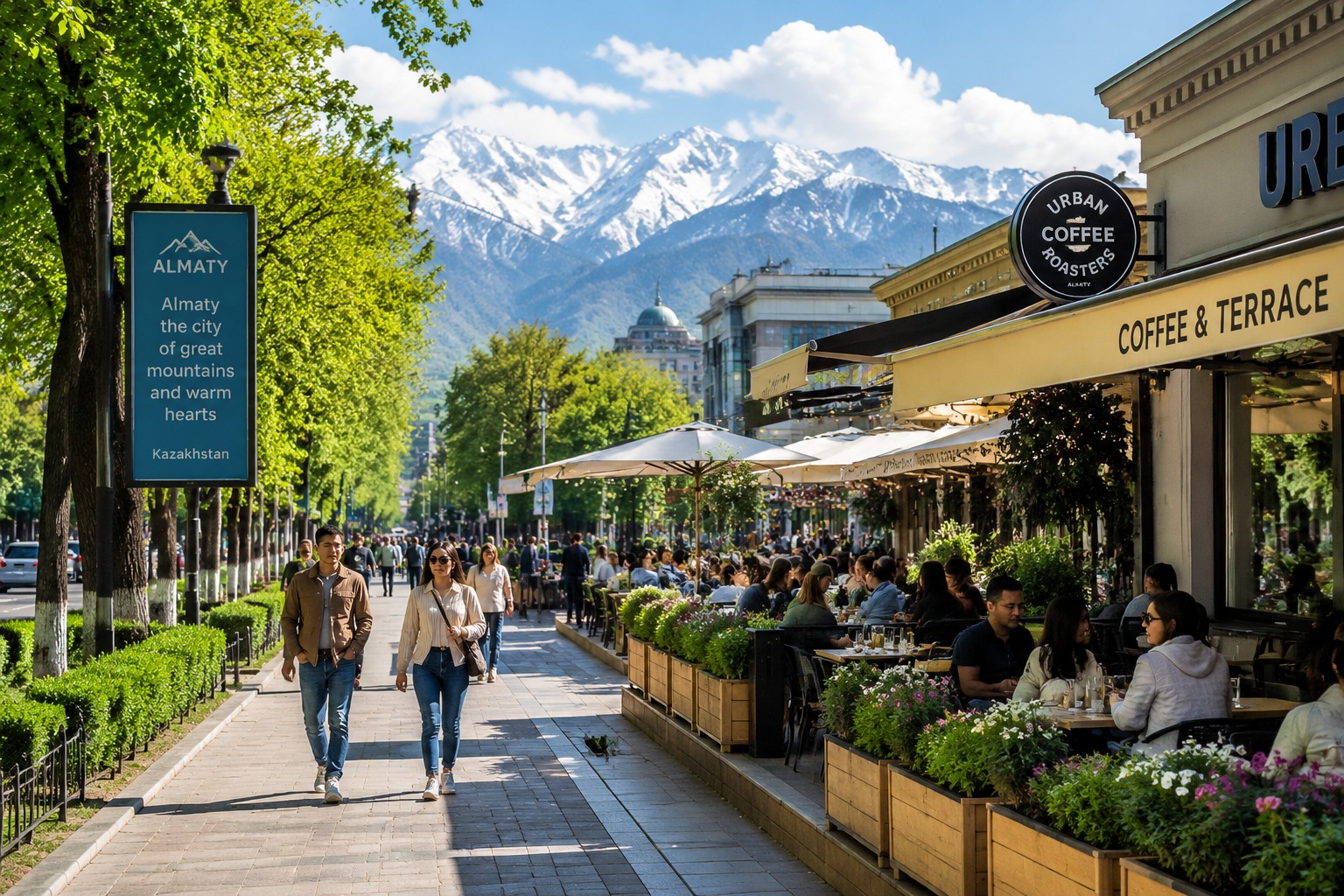
Here’s why this still matters to the train: the line uses a different rail gauge than China and the rest of Europe. So every container that travels to Europe gets lifted onto different bogies at the border crossing — a mechanical ritual that takes hours. For a traveler, it’s a reminder that even in a world of endless digital goods, physical boundaries still shape how things move.
Walk around Almaty, and you’ll know you’re no longer in China. The café culture is more relaxed, the language mixes Russian and Kazakh, and the solar-powered bazaars overflow with honey, spices, and produce from nearby farms. It’s an easy place to linger, even if you’re just passing through.
Russia: The Long Haul Through Birch Forests
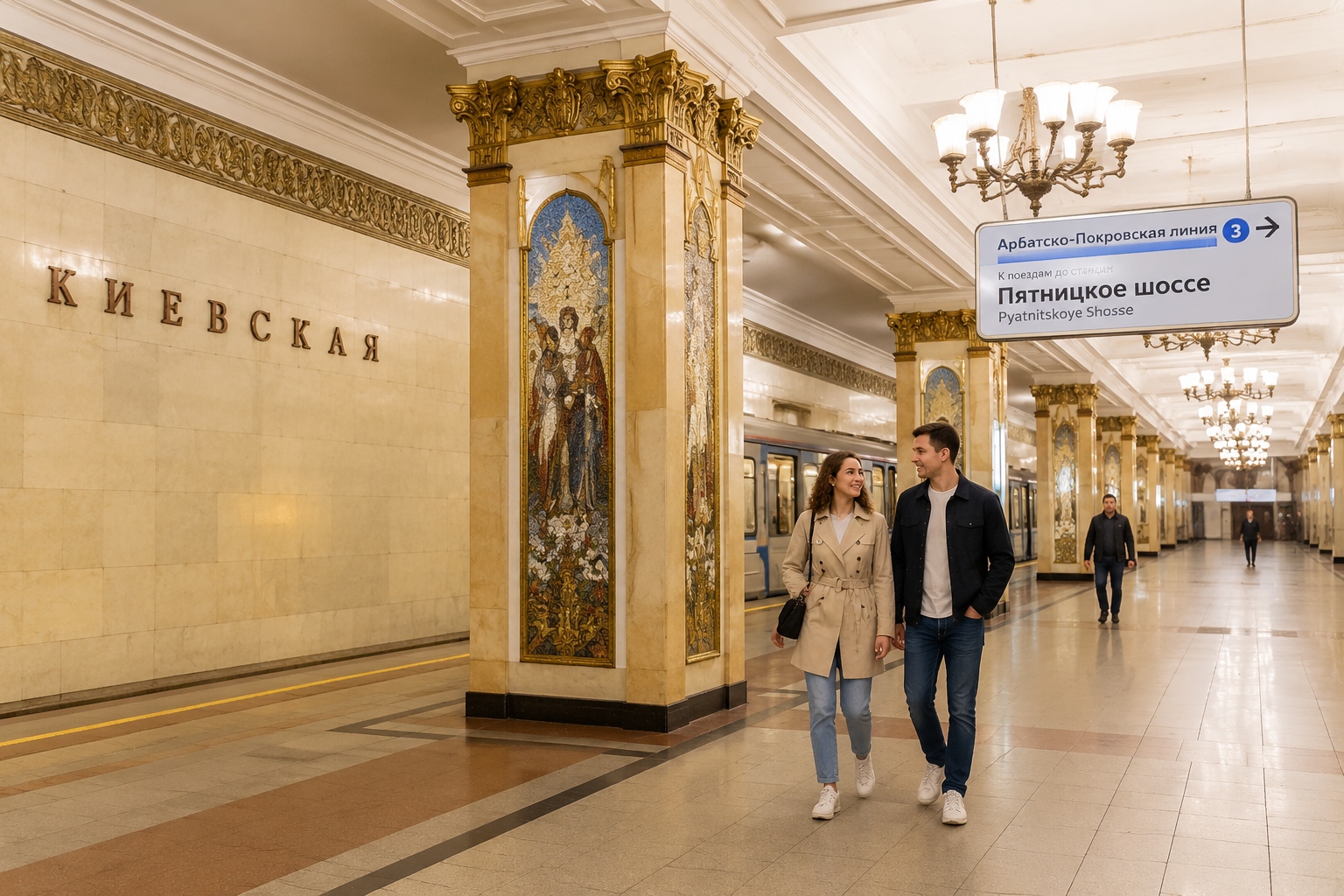
From Kazakhstan, the train enters Russia and follows the Trans-Siberian corridor for days. The landscape becomes a blur of birch trees and small wooden villages. For most passengers on this route — if any — the highlight would be Moscow’s impressive metro system, where each station looks like a miniature palace. It’s free architecture, open to everyone, and it stands in sharp contrast to the Soviet-era apartment blocks surrounding the city.
Russian food is hearty and built for cold weather. You’ll encounter borscht, pelmeni (dumplings), and blini (thin pancakes). But even more than food, what you remember is the scale. The country is vast, and the route proves it. There are entire days without a single phone signal, just dense forest.
For the train itself, Russia is a key technical stop. The rails here are already the same gauge as Kazakhstan, but the weather makes maintenance tricky. Winter temperatures can dip below -30°C, so containers have to be checked for anything that might freeze. It adds a layer of complexity you don’t think about when you order something online.
Poland: The Gateway Town That Feeds Europe
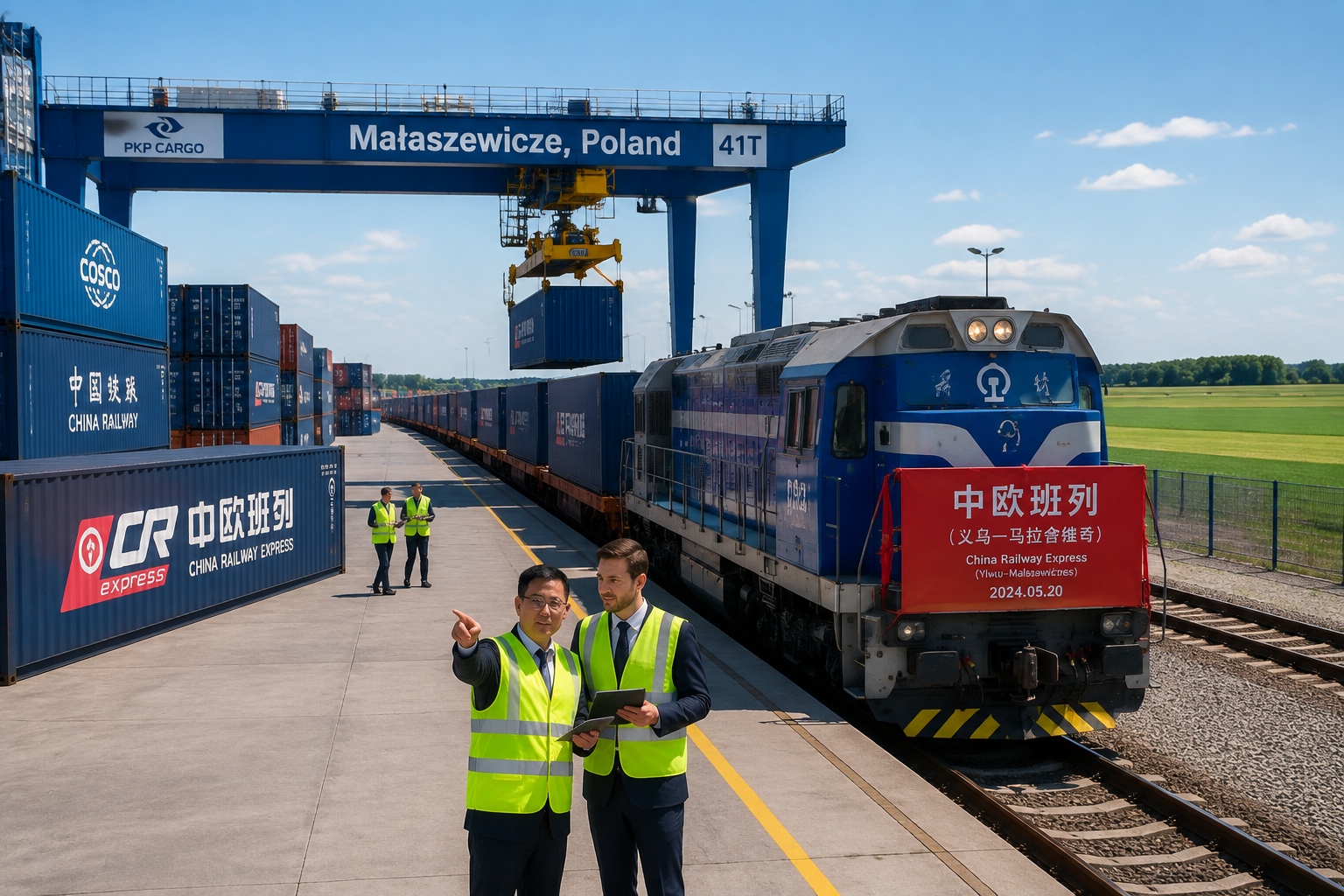
After crossing into the European Union, the first major stop is often Małaszewicze, a small town near the border with Belarus. This place is a logistics miracle. It’s a tiny town with a huge rail yard, where trains from China get unloaded and then re-sorted onto Western European tracks. Polish workers have become experts at handling Chinese shipments, and the main street is now dotted with offices and small eateries serving both cultures.
Beyond the yards, the nearby city of Lublin offers a blend of old and new. You’ll see a medieval castle overlooking a modern university campus. If you wander into a Polish restaurant, you’ll be met with pierogi (dumplings), bigos (hunter’s stew), and a shot of local vodka to warm you up. It’s a different rhythm from Russia, and the architecture has a Central European charm.
Why does Poland matter? It’s the entry point to the EU, and the country has profited from its position as a logistics hub. But it also feels like a cultural exchange zone. Chinese restaurants and signs have appeared in small towns, while Polish products like amber jewelry and cosmetics travel back east on the same trains.
Germany: Where the Rails Meet the Rhine
Next stop is often Duisburg, a city in the Ruhr area known as one of Europe’s largest inland ports. The Chinese railway company has a dedicated terminal here, and it’s not unusual to hear Mandarin spoken alongside German in the surrounding streets. Duisburg became a symbol of Sino-European economic ties after a Chinese shipping group bought a significant stake in the port in the 2010s. Locals initially had doubts, but the port now handles thousands of containers a week.
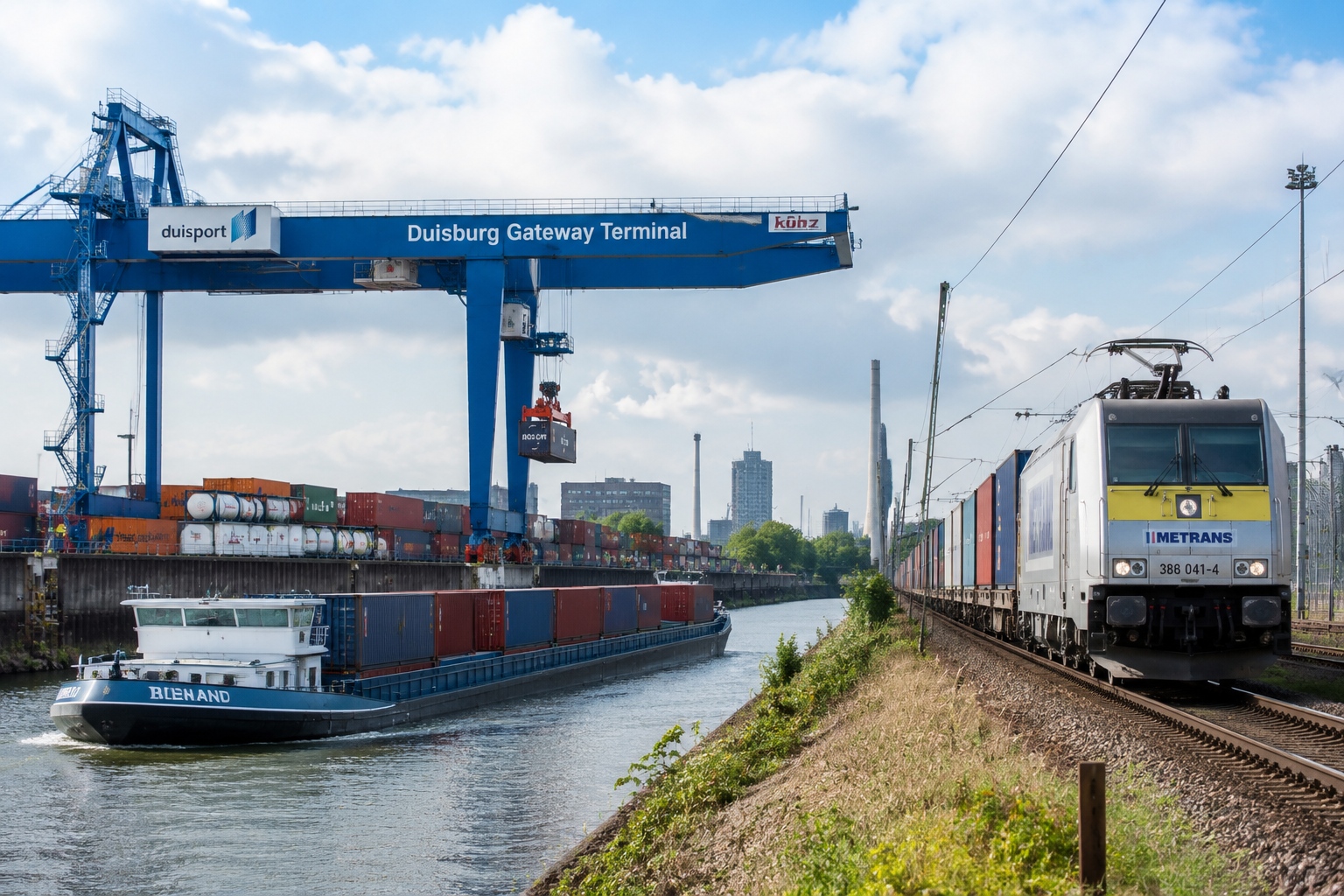
For visitors, Duisburg isn’t a top-ranked tourist destination, but that’s exactly why it’s authentic. You can ride a bicycle along the Rhine, join a local festival, or drink a beer at an old harbor pub. Germany’s more famous spots — Cologne with its cathedral, or the city of Munich — are a short train ride away. The real point is that the rail line connects not just big cities but also the industrial towns that form Europe’s backbone.
German cuisine is straightforward: sausages, bread, cheese, and beer. It’s perfect after days of moving. And at night, you’ll see the port lit up with cranes and containers, a reminder that this is the economic engine beneath all the travel glamour.
France: The Final Leg with a French Flair
Some trains end in Germany, but others continue to France, usually reaching Lyon or Paris. Arriving in Lyon is a dramatic change. The city is famous for its Renaissance old town and its industrial history, but it also knows how to enjoy life. You can spend a morning at the covered market, tasting goat cheese and charcuterie, then wander through the traboules — hidden passageways woven into the old buildings.
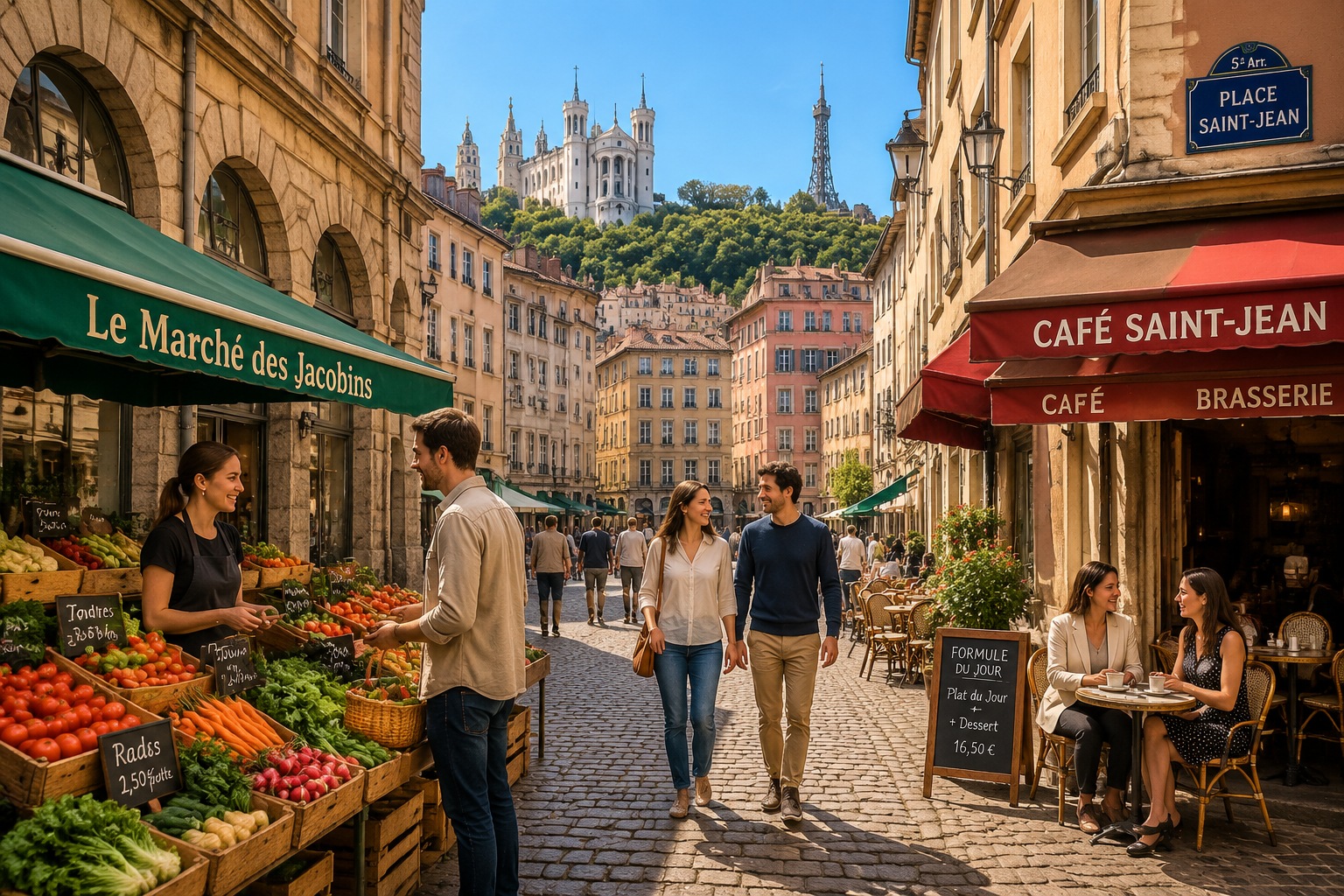
French people love to debate about the “right” way to do things, and that includes food. A bakery’s baguette is a serious subject. But what’s surprising is how open many French businesses are to the Chinese trade that fuels this railway. The route brings components for French industries, and it’s also opened eyes to the tastes of Chinese consumers.
This final leg is slower, more relaxed, and reminds you that Europe isn’t one single country. Each region has its own dialects, food, and rhythm. The train has covered more than 10,000 kilometers, but it’s not just a distance; it’s a cultural shift.
Why This Route Matters to You
You might not see these countries from a train window anytime soon, but you’ve probably already felt the effects of the route. It’s why your phone charger arrives cheaper and faster than a sea shipment, why some European wines appear in Chinese stores, and why small towns like Małaszewicze are now part of global trade.
For travelers, the route is also a reminder of how connected the world has become. You can trace the journey by visiting each city on a local flight or bus, piecing together a unique vacation. Or you can simply watch a live stream of the route and imagine the smells. But nothing beats actually being there.
How to Travel These Places (Even Without a Train Ticket)
If you want to follow the China-Europe train route, you don’t need to wait for a passenger version. Instead, plan a trip that combines air and land transport. Start in Almaty for a weekend of mountain views and bazaars. Fly to Moscow for the metro art and the city’s raw energy. Take a night train to Warsaw, then hop over to Kraków or the Malopolska region for pierogi. Fly or rail to Duisburg for a hinterland experience, and finally take a TGV to Lyon for a proper culinary finale.
The best time? Spring and early autumn are ideal for the Central and Eastern European legs. Weather is mild, and you won’t be melting in the desert or freezing in Siberia. Prices at these points are also lower than in Western Europe, so you can eat and sleep well without breaking the bank.
One last tip: don’t just rush to the capital cities. The beauty of this route is in the in-between places — the border towns, the industrial cities, the farmlands. They are the real characters of the story.
Enduring Journey
So next time you see a photo of a long green train crossing a snowy plain, think about what it’s carrying: not just goods, but stories, flavors, and a bridge between two parts of the world. The China-Europe train is not a tourist attraction yet, but it’s a reminder that, even in our digital age, geography still shapes culture. And if you ever get the chance to travel that route, you’ll see exactly what I mean.
Start the discussion at forum.chinacomes.com