


Julia Kern, a 34-year-old architect from Lyon, had been in Shanghai for only six months when she walked into a private cosmetic clinic for a routine eyelid surgery. The procedure went smoothly, but when the anaesthesia wore off she noticed the right side of her face felt numb. The clinic told her it was temporary. Three months later, a neurologist in a public hospital said a small sensory nerve had likely been cut—something the clinic had never warned her about in writing.
Julia is not the only foreign patient to face such a situation in China. Medical disputes involving foreign patients are relatively rare, but they happen. What helps is that China has a fairly clear legal framework. Since October 2018, the Regulation on the Prevention and Handling of Medical Disputes has given every patient three formal options: negotiate with the medical institution, ask a government-funded mediation committee to intervene, or file a civil lawsuit.
The three-road map to resolution
None of the routes must be followed in a fixed order. You can try negotiation, pause it, and switch to mediation. If mediation fails, you can file a suit. Below is how each route works in a realistic timeline.
Negotiation: first contact, lower cost
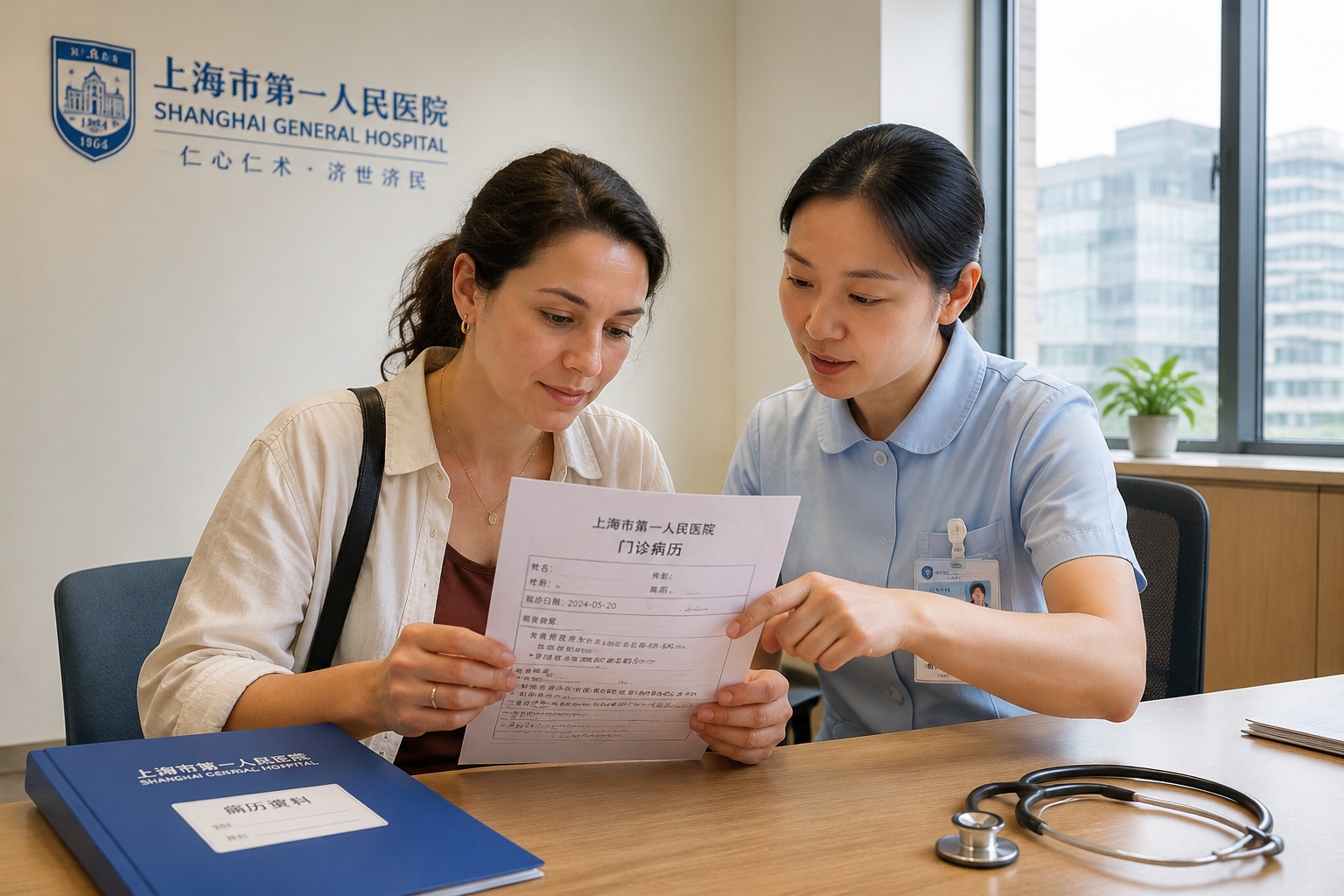
Negotiation means talking directly to the hospital or clinic’s patient-service office. Many public hospitals have a dedicated department that handles complaints; private clinics often do not. Go in person or send a written summary of what happened, what documents you want, and what outcome you expect. In China, a WeChat thread with the clinic can work as evidence of your attempts, but it is better to send an official email as well.
The hospital is not required to negotiate, but most will do so to avoid negative attention. Think of this stage as the cheapest way to get a refund or a small compensation. If you sign a written settlement, the agreement is legally binding under Chinese law, and if the hospital does not pay, you can take the settlement to court for enforcement. Julia’s clinic, however, ignored her emails for nearly two months.
Mediation: a free and neutral middle ground
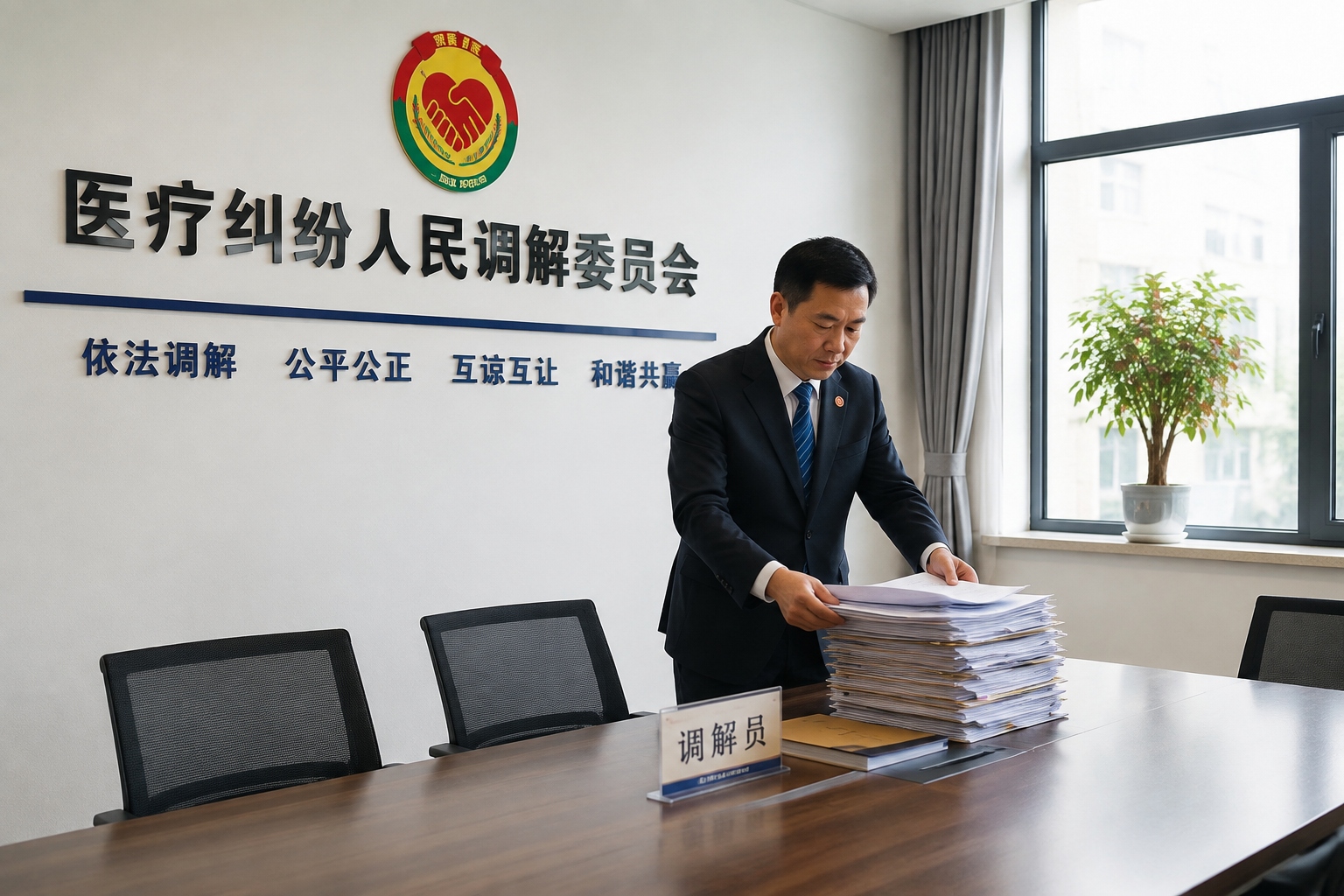
When negotiation stalls, the next option is the local People’s Medical Dispute Mediation Committee. These committees, financed by district governments, were created after the 2018 regulation to offer a credible alternative to going to court. They are staffed by retired judges, physicians, and public-health specialists, and their service is free of charge.
To start, you or your representative take your passport, medical records, and a written account of your claim to the committee office near the hospital. The mediators review the evidence, sometimes consult independent experts, and try to persuade both sides to sign a settlement. If both you and the clinic accept the outcome, the agreement can be registered with a court for enforcement. Mediation is voluntary; if the clinic refuses to participate or walks away midway, the case is closed.
Litigation: the formal court battle
If mediation produces no result, you can file a civil lawsuit in the local people’s court that has jurisdiction over the clinic. The legal claim usually falls under “medical damage liability disputes”. You must file within three years of the date you know your rights were harmed. Unlike in some jurisdictions, Chinese court proceedings for medical cases are typically not fast: a first-instance judgement often takes a year to eighteen months because of expert appraisals and crowded dockets. And if either party appeals, you add another six months.
One important detail: you can start with negotiation or mediation, but once a civil lawsuit is filed, the extrajudicial mediation committee is generally no longer involved. The court may, however, try to help both sides reach a settlement during trial.
Medical damage appraisal: how fault is proven
No matter which route you use, the central question is whether the clinic or doctor made a mistake that caused your injury. In China, that is not decided by a judge alone, but through a medical damage appraisal conducted by a licensed medical appraisal institution or, more rarely, by the medical association.
Both doctors and patients can agree on an appraiser. If you sue, the court usually appoints one from a local list. The appraiser reviews your full medical file and can examine you physically. They submit a written opinion, addressing three issues: the doctor’s fault, the severity of your damage, and the causal link between the two. The opinion is a form of evidence; the judge has the discretion to accept or reject it.
A second type of appraisal, the old “medical accident appraisal”, is still used in China but mainly for administrative decisions, such as punishing a doctor. It is not the primary tool for a patient seeking compensation.
What this means for a foreigner: the appraisal process is in Chinese and depends heavily on your medical records. If the original medical notes are incomplete or contradictory, you may lose a defensible case. That is why it is wise to request copies of your records before you leave the clinic or hospital, and to keep every receipt.
Compensation items foreign patients can claim
The Chinese Civil Code, together with later judicial interpretations, allows a broad list of damages. Below is what you can ask for, and what evidence can support it.
- Medical expenses: every yuan you paid for treating the injury caused by the disputed procedure, including follow-up operations, therapy, prescriptions, diagnostic tests, and even traditional Chinese medicine if prescribed. Keep official invoices.
- Lost income: for days you could not work because of the injury and treatment. You will need a work contract, medical certificates recommending rest, and Chinese tax records or bank statements showing payroll.
- Nursing expenses: if you had to hire a carer or a family member took time off to look after you. Court practice requires a receipt or a note proving the actual loss.
- Transport and accommodation: costs for outside-hospital consultations, court appearances, etc. Keep train and aeroplane tickets and taxi receipts.
- Meal subsidies and nutrition allowance: daily allowances set by local government standards, based on the number of hospital days.
- Disability compensation: if you are left with permanent impairment, assessed by an approved disability evaluation agency. The amount depends on how severe the impairment is and on the average per-capita income in the city where you have lived.
- Mental distress damages: a discretionary amount, ranging from a few thousand to more than 30,000 RMB, depending on the suffering caused by the doctor’s fault.
- Funeral and death compensation are also included in cases where a patient dies.
Julia’s claim for loss of income was modest: she missed five workdays for consultations and one day for the surgery. Because her salary was paid through Shanghai and tax was withheld, she could prove the loss. What caused more difficulty was mental distress—the clinic argued that an eyelid operation carries small risks, and there was no formal disability.
Foreign patients face a steeper climb
In daily life, the law treats Chinese and foreign patients equally, but practical obstacles can make the process harder for an outsider.
Language and translation are the first barrier. Medical files and legal papers are usually produced in Chinese only. If the case goes to court, every document must be submitted in Chinese; foreign-language evidence needs a certified translation by a registered translation company. Budget for translation costs; a service of one medical record package can cost 1,000–2,000 RMB.
Cultural differences also matter. Chinese doctors often do not discuss risks in detail before treatment, and many patients sign consent forms without reading them. A contract signed with a cosmetic clinic will usually state that patients accept “ordinary risks”. This does not automatically block a claim if the doctor failed to follow standard procedures, but it makes your job harder.
Financial protection is another gap. Standard travel insurance rarely covers injuries caused by elective cosmetic surgery. And if you are in China on a short visa, the legal process may outlast your permit. You can extend a visa for humanitarian reasons after a medical accident, but long court trials can still create serious scheduling problems. If you cannot stay, you should give a power of attorney to your lawyer, who can act in your name.
Where to get real help
You do not have to fight alone. Start with your embassy or consulate; they cannot represent you, but most keep lists of English-speaking Chinese lawyers and can issue letters so you can apply for a visa extension. If you are employed in China, ask your HR department whether the company provides legal insurance or an employee assistance program.
Hiring a Chinese lawyer who specialises in medical disputes is usually the best investment you can make. Lawyers who understand both sides can help you negotiate, prepare the appraisal, draft the lawsuit, and appear in court. Expect to pay between 5,000 and 30,000 RMB for a straightforward medical negligence case, but many lawyers will evaluate your case in a one-hour consultation for a few hundred RMB.
There are also administrative channels: you can call the national “12345” hotline or the city health commission to complain about the clinic. That may trigger an inspection and even an administrative fine, but it will not replace the civil procedure for compensation.

Bottom line: keep records and plan for the long haul
China’s medical-dispute process is usable, but it requires patience. Even a simple mediation can take two months; a court case with appraisal often stretches beyond a year.
Before you go anywhere, collect everything: your passport page, diagnosis, surgery file, receipts, WeChat and email history. Write down the names of everyone you spoke to and their job titles. When a clinic or hospital staff member makes a promise, ask them to put it in writing. For foreign patients, this is the most important habit you can form—because you may need time to find a translator, a lawyer, or an insurance solution while your medical evidence stays exactly as it was on the day the treatment ended.
Julia eventually chose mediation through a committee in Jing’an District. It took about five months, and she received 18,000 RMB to cover the corrective surgery and part of her lost time. The clinic never admitted fault in writing, but her medical record, the neurologist’s note, and the clinic’s own marketing materials were enough to make them settle. She says the least a foreigner can do in China is write everything down.
Start the discussion at forum.chinacomes.com