


Two months into her new job in Shanghai, Emily began waking up at 3 a.m. with a racing heart. She knew she needed to talk to someone professionally, but a quick search for “therapist” left her more stressed. Most websites were in Chinese. The few English ones looked outdated or had no open slots. Like many expats in China, she found herself in a mental health paradox: a country with a booming wellness market, yet still a narrow lane for English-language therapy.

The good news is that options exist, and the number is growing. Whether you live in Beijing, Shanghai, Shenzhen, or a smaller city, you can get professional mental health support in English. This guide covers the practical pathways—from face-to-face clinics to online platforms—and explains the rules around medication, insurance, and emergencies so you can find help without guessing.
Why English-Language Therapy in China Is Still a Niche
China’s mental health system has expanded quickly in recent years, but the country still has far fewer psychiatrists and psychologists per person than Western countries. Public hospitals offer excellent and affordable care, but almost all services are delivered in Mandarin. English-speaking services are concentrated in private international hospitals and clinics, mainly in first-tier cities. That doesn’t mean you’re stuck, though. Telehealth and a rising number of cross-cultural therapists are closing the gap.
If you’re just arriving, don’t wait until you’re in crisis to make contact. Waitlists at reputable clinics can stretch for weeks. Starting early—even for a check-in session—helps you build a relationship with a provider before you really need one.
Face-to-Face Help: International Clinics and Hospital Departments
In major cities, the easiest entry point is a hospital or clinic that serves international patients. These centers employ English-speaking psychiatrists and psychologists, and they understand foreign patients’ expectations around confidentiality and evidence-based treatments.
In Shanghai, check out the psychology clinic at Jiahui Health or the international department at the Shanghai Mental Health Center (for psychiatric assessment and medication). Parkway Health also offers counseling services in English. In Beijing, the psychiatry and behavioral health departments at Beijing United Family Hospital and OASIS are well-known among expats. In Shenzhen and Guangzhou, many residents cross the border to Hong Kong, but local options like Global Doctor and some branches of United Family provide English-speaking services.
When you call, ask directly: “Do you have English-speaking counselors available?” If not, ask for a referral to a private practice that does. Many therapists who left academic or hospital settings run their own practices and rent office space in multi-service clinics. Platforms like Chinapsychology and CounselingCN list verified practitioners and some also offer sliding-scale fees.
Typical in-person sessions cost between 600 and 1,500 RMB (roughly $85–$210), with initial assessments running higher. Hospitals often charge a premium for English services, but they also provide a comprehensive approach—including diagnosis, medication, and referrals to long-term therapy.
Online Therapy: The Practical Workaround
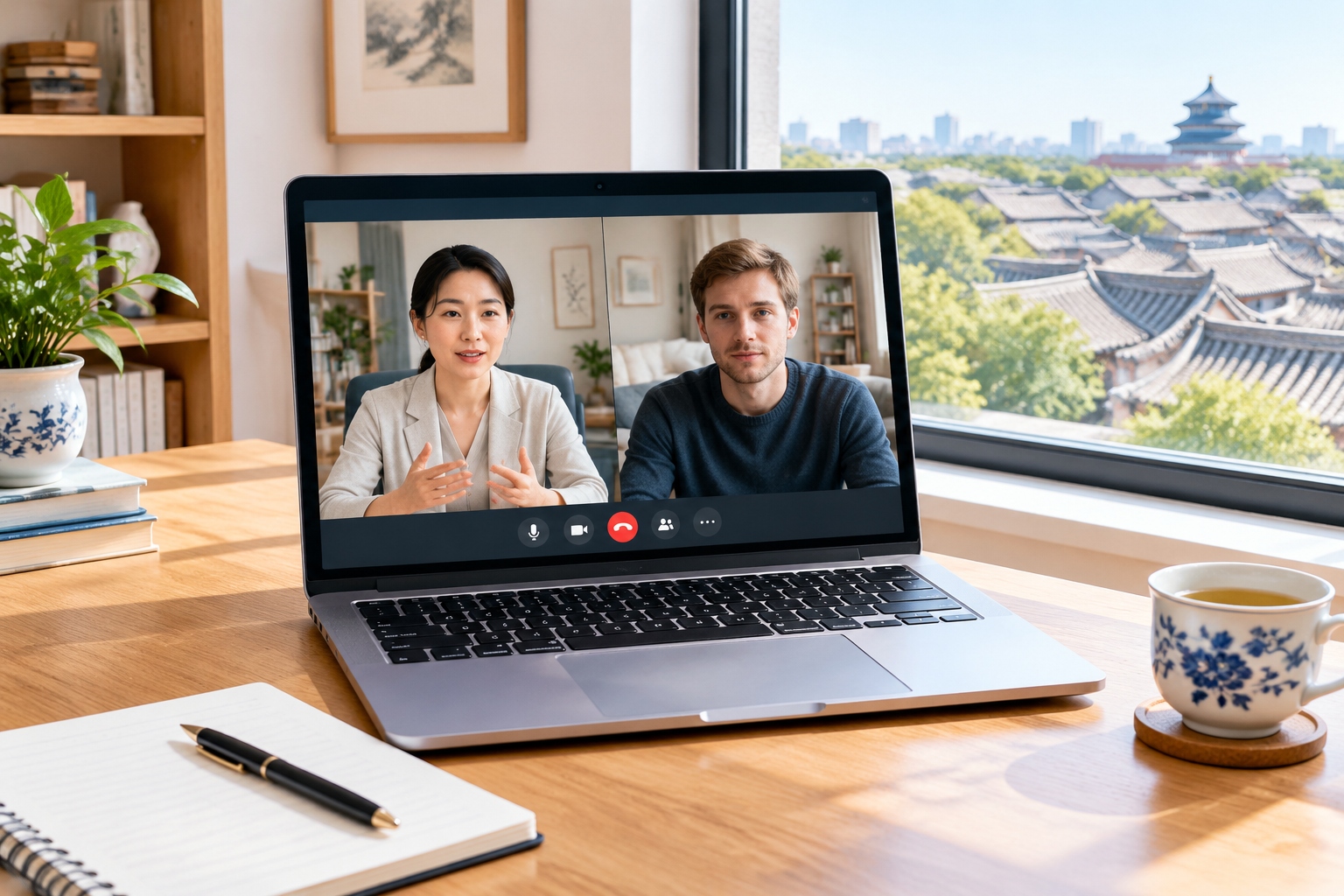
If you live outside first-tier cities, or simply prefer the comfort of your own couch, online therapy can be a lifesaver. International platforms like BetterHelp and Talkspace work in China, though you may need to be flexible with time zones. Many therapists on these platforms are licensed in the U.S., Canada, or Europe, and some have experience working with cross-cultural clients.
Alternatively, you can find English-speaking therapists based in China who do video sessions via WeChat or dedicated telehealth apps. This is often the cheapest route—prices can be around 400–800 RMB per session—and you get a therapist who understands the local pressure of living in China.
Before starting online therapy, make sure your internet connection is stable. If you use an international platform, check privacy policies carefully: some have data residency rules that may affect you. Also consider whether the time difference will work for your schedule, especially if you need crisis support (most online platforms do not offer 24/7 emergency care).
Medication and Psychiatry: What Expats Need to Know
If your symptoms are severe and you need psychiatric medication, there are clear rules you must follow. In China, only licensed doctors working in hospitals can prescribe psychiatric drugs. An online therapist from another country cannot send you prescriptions, and a therapist with a master’s degree often isn’t licensed to prescribe at all. That means you’ll need to visit a hospital psychiatry department, usually at an international clinic or a public hospital’s “VIP” or “international” wing.
Bring a copy of your previous prescriptions if you have them, but understand that not all medications are available in China. For example, some brand-name antidepressants are sold differently, and stimulants like Adderall are regulated as controlled substances. Your doctor will work with you to find alternatives.
Another important point: prescriptions are only valid for a limited period, and you’ll need to see the doctor in person at least once every few months to continue the prescription. If you’re planning to stay long-term, building a relationship with a psychiatrist early can save you trouble later.
Paying for It: Cost, Insurance, and Reimbursement
Most expats pay out of pocket for therapy, but international health insurance plans often cover at least part of the cost if the provider is an approved clinic or a licensed psychologist. Before you book, ask your insurer for a list of “in-network” providers—many will also reimburse for international online counseling from your home country.
If you don’t have insurance, don’t let that stop you from seeking help. Public hospital psychiatry departments are much cheaper (around 100–300 RMB per consultation), but they rarely offer English-language services. Some universities with international programs have on-site English-speaking counselors, so if you study or work at one, take advantage of that resource.
Always request an itemized receipt in English or Chinese (or both) so you can claim reimbursement later. Some clinics issue receipts in your passport name, which helps with insurance.
When It’s a Crisis: Hotlines and Emergency Help
If you feel like you might harm yourself, don’t wait for a therapy appointment. Go to the nearest hospital emergency room or call 120 for an ambulance. For suicide crisis support, the Beijing Suicide Research and Prevention Center offers a hotline at 800-810-1117 (from landline) or 010-82951332 (from mobile). However, these hotlines are typically staffed by Chinese-speaking counselors. If you aren’t confident in Chinese, use a bilingual friend or reach out to your therapist’s emergency number if they gave one.
Some international hospitals also provide crisis counseling—their emergency departments can connect you with a mental health professional, but be prepared for a consultation fee. If you are part of an expat social network, many cities have voluntary mental health first responders who can sit with you until professional help arrives. Search for “mental health support group + your city” on Facebook or WeChat to find community resources.
Cultural Context: What to Expect in a Session
Chinese psychotherapy often feels more structured than the talk-as-you-go style popular in the West. Many practitioners are trained in cognitive behavioral therapy (CBT) and may be more directive, giving you homework or worksheets after each session. That’s not a sign of rigidity—it’s a common approach that many people find useful, especially when time-limited.
Confidentiality is protected by Chinese law, but in practice, it’s always a good idea to ask your therapist how they handle notes and who they report to. This is no different from what you’d do anywhere else.
Also, be aware that mental health stigma is still present among certain demographics. Older colleagues might view therapy as “weakness,” while younger urban Chinese tend to be far more open. To avoid unwanted explanations, you can simply say you have a “doctor’s appointment” if you feel uncomfortable.
Practical Tips for Getting Started
Start with a hospital, not Google
Searching may lead you to outdated directories. Instead, contact the international department of a major hospital and ask for names. They keep lists of vetted psychologists.
Consider remote services from your home country
If your insurance allows, online therapists from your own time zone and culture can be more comfortable. Some U.S. and European therapists work late to accommodate expats in Asia.
Prepare a symptom list in Chinese
Even if you see an English-speaking doctor, the staff handling your check-in may not speak English. Having a simple translation of your symptoms plus your emergency contact is useful.
Ask about cancellation policies
Most private clinics require 24-hour notice for cancellation. Why? When slots are full, a missed appointment means someone else lost the chance to be seen.
Be patient
Finding the right therapist is like finding the right pair of shoes—it takes a few tries. If the first session doesn’t click, ask for a referral or search again. It’s normal.
Final Thoughts
Emily eventually found a British counselor in Shanghai who had moved to China for family reasons. She now has weekly video sessions, and her therapist’s familiarity with expat life makes the sessions easier. No, therapy isn’t cheap, and yes, the search can be demoralizing. But with a mixture of international clinics, online platforms, and personal networks, English-language mental health care in China is accessible—it just takes a little resourcefulness to find.
You don’t need to navigate this alone. Start with one phone call, even if it’s just to ask a question. The first move is the hardest, and it might make all the difference.
Start the discussion at forum.chinacomes.com