

The 15-Second Spell
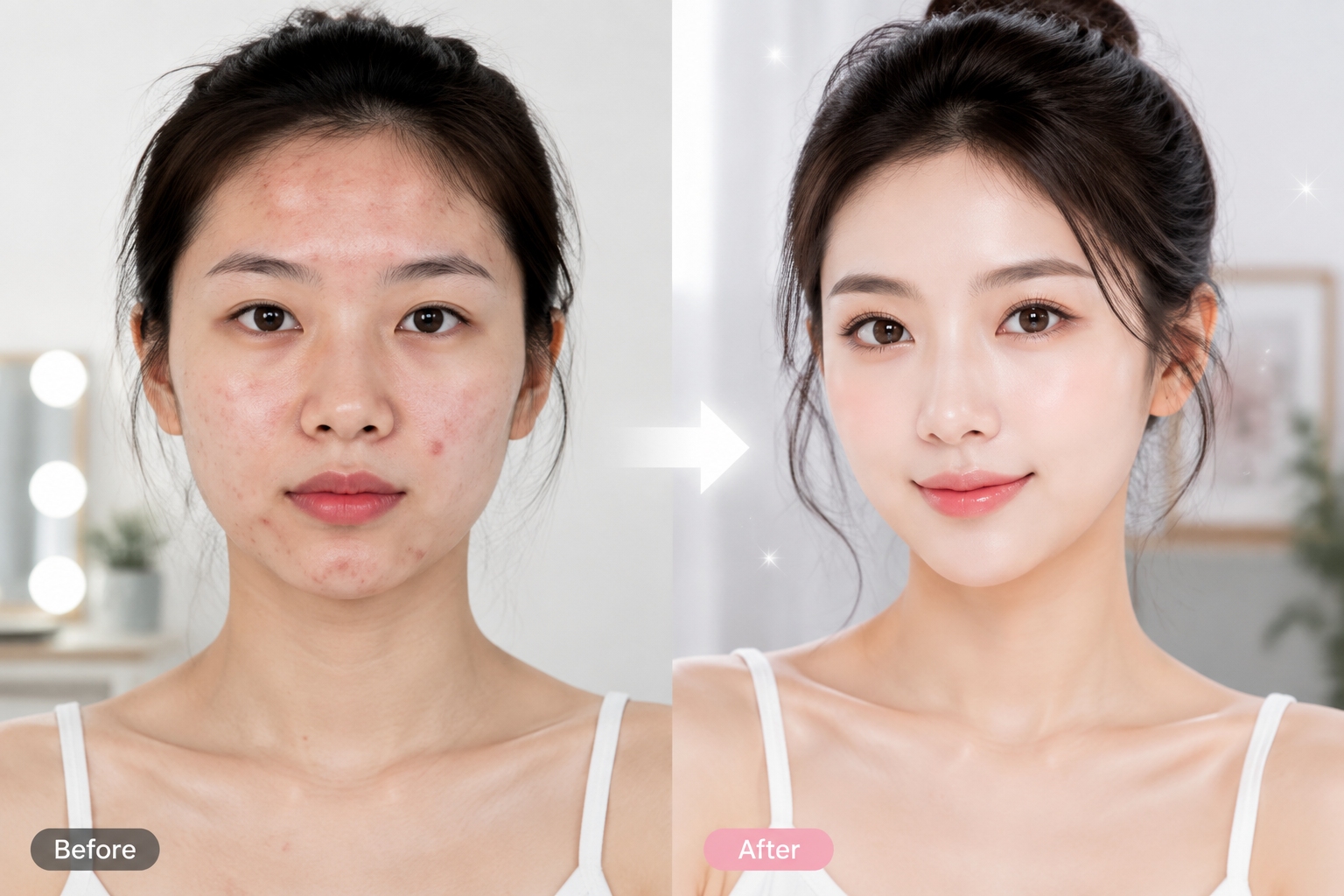
It starts with a close-up of a plain face, blemishes visible, skin uneven. Then, in a quick cut, the same face is transformed—flawless foundation, sharp contour, glowing highlighter, and a perfectly blended lip. The transition is so smooth it feels like magic. Behind it lies a craft: rapid cuts, ASMR-level sound effects, a trending EDM beat, and a precise algorithm that knows when to push the video to the top of millions of feeds. This is the anatomy of a Douyin makeup tutorial that gets a million likes.
Frame by Frame: The Formula
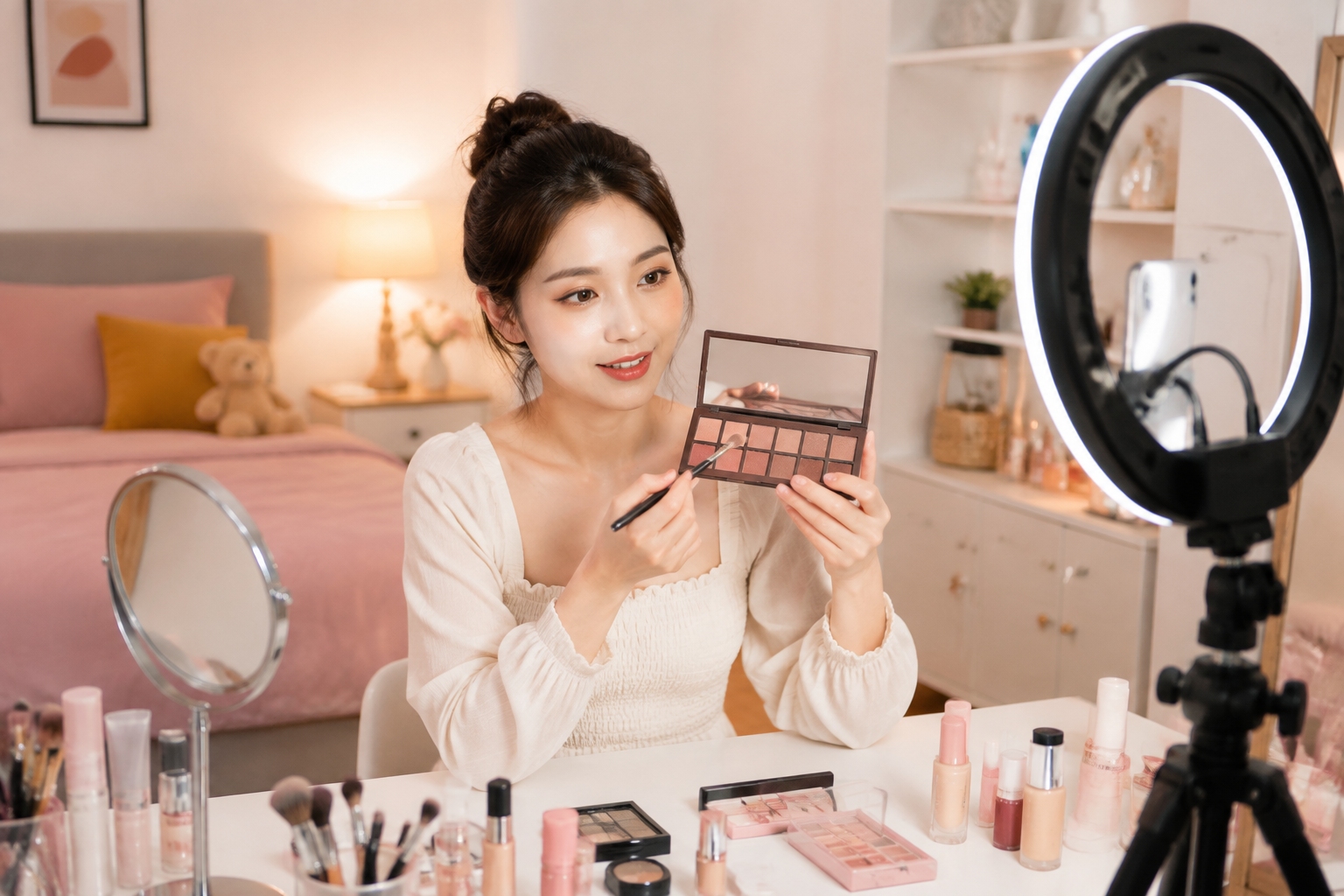
Take the most viral tutorials—those racking up over 1 million likes on Douyin (China’s TikTok, with over 700 million daily active users). They share a consistent structure. The opening hook: an unedited, raw face staring into the camera, often with a subtle frown. This creates relatability and a “before” anchor. Within the first 2 seconds, the first transformation appears: a half-done face, one eye with a winged liner, the other bare. The contrast triggers curiosity. Then come the rapid-fire steps: each product application is a separate clip, usually no longer than 1.5 seconds, synced to the beat of a popular song. The editing is invisible—jump cuts erase the boring parts (mixing foundation, blending edges). The result feels effortless and impossibly fast, compressing a 30-minute routine into 15 seconds.
The music is critical. Most viral tutorials use a track from Douyin’s trending list, often with a strong bass drop at the moment of the final reveal—the “after” shot. The combination of visual and auditory climax triggers a dopamine release, encouraging shares and repeats. According to data from Douyin’s Creator Academy, videos that use trending sounds see a 30% higher completion rate.
From Ordinary to Algorithm Darling
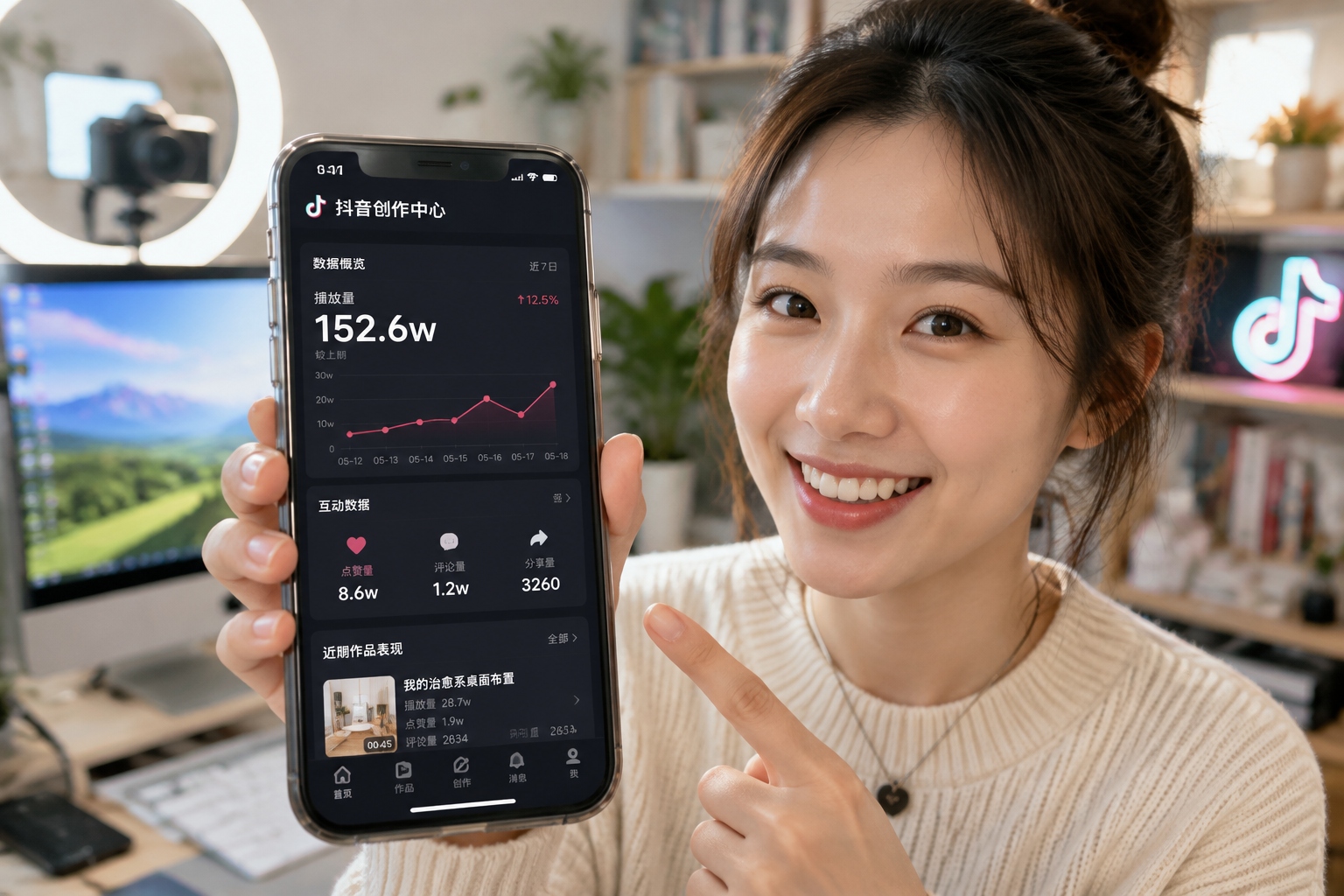
Behind every million-like video is a creator who cracked the code. Take Xiao Mei (a pseudonym), a 24-year-old former marketing assistant in Chengdu. She started posting makeup tutorials in 2022, averaging 200 views. Then she noticed a pattern: videos that began with a close-up of her acne scarring got more retention. She pivoted to “dramatic transformations” and within three months hit her first million-like video. How? She learned the algorithm: Douyin’s recommendation system rewards early engagement (likes, comments, shares within the first hour). To boost that, she started posting at 8 PM on weekends, when her target audience of young women aged 18–30 is most active. She also used keywords in her captions like “acne rescue” and “glass skin,” which triggered search traffic. Her story is not unique. A 2023 survey of top beauty creators on Douyin found that 80% started with no professional training, learning solely through trial and error with the platform’s tools.
The economics are compelling. A million views in China can translate into $1,000–$3,000 in direct advertising revenue from Douyin’s creator fund, plus paid partnerships with cosmetic brands. Some top creators earn over $100,000 per year. This incentive drives a race for perfection—and for tricks that keep viewers watching.
Why Do People Mimic? Three Motivations
I spoke to five Chinese women aged 20–30 who regularly follow and attempt these tutorials. Their reasons grouped into three themes.
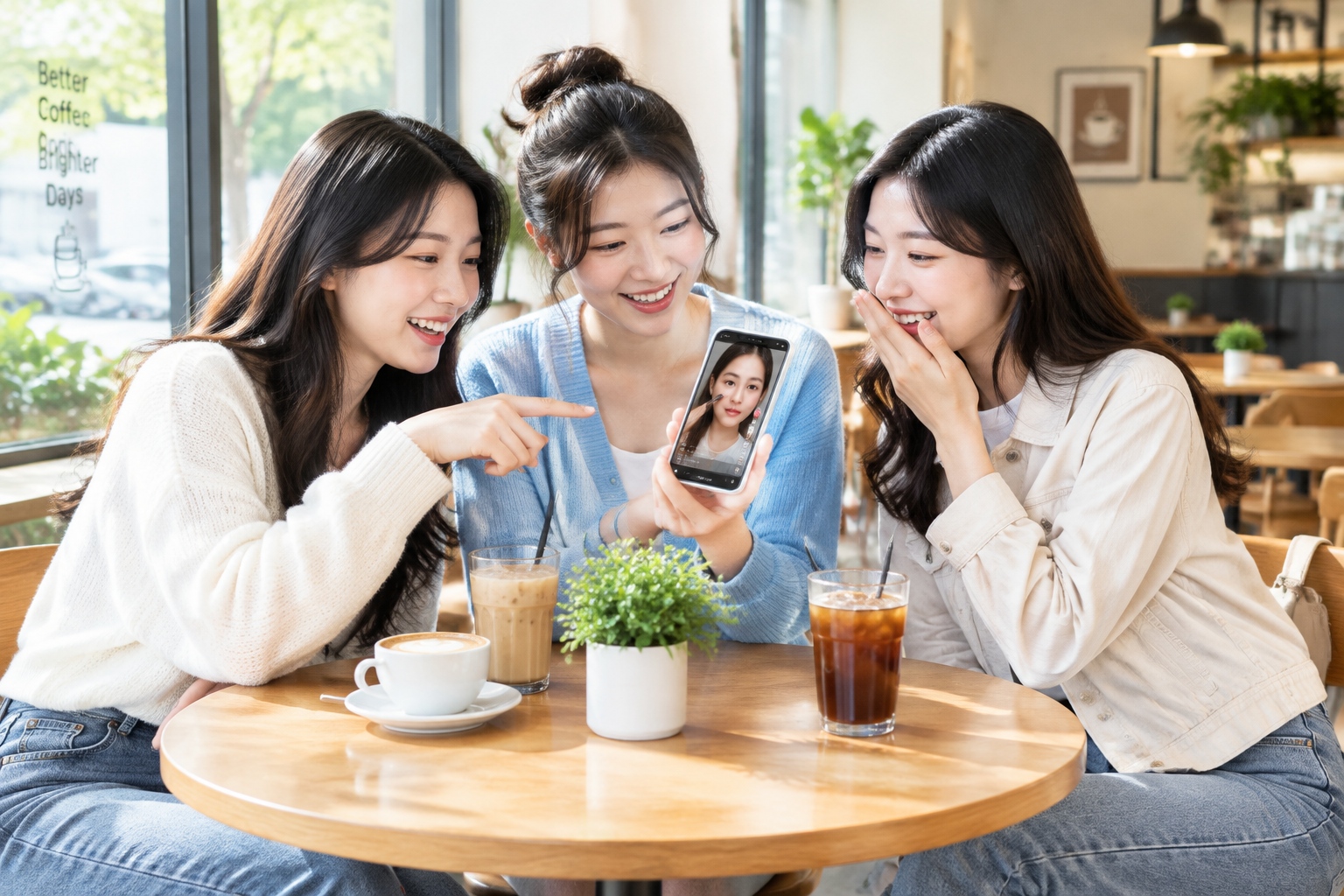
Social connection. “I send the video to my friends before I try it,” says Li, a 22-year-old university student. “We make fun of ourselves when we fail. It’s a shared experience.” For many, the tutorial is a conversation starter, a way to bond over a common struggle.
Self-expression through transformation. Chen, a 27-year-old graphic designer, explains: “Makeup is like a filter you can wear in real life. The tutorial gives me a template, but I adjust it to my face. It’s a creative outlet.” The step-by-step nature of Douyin tutorials makes complex looks feel achievable, even for beginners.
Pure entertainment. “I never actually try them. I just watch because it’s satisfying to see the transformation,” says Zhang, a 25-year-old accountant. Indeed, many viewers consume the videos as ASMR-like visual relaxation, never intending to pick up a brush.
A 2022 study by the University of Communications China found that 60% of female college students watch beauty tutorials at least once a week, with 30% purchasing a product directly after viewing.
The Beauty Standard Shift: From Huadan to Glass Skin
Douyin’s makeup tutorials are not just teaching techniques; they are reshaping what “beautiful” means. A decade ago, Chinese beauty standards were heavily influenced by TV dramas—the iconic “huadan” look: pale skin, heavy eyeliner, and bright red lips. Today, a new ideal has emerged: “glass skin” (a dewy, translucent complexion), soft gradient lips, and natural-looking “innocent” eye makeup. This shift is largely driven by Douyin creators who popularize Korean-style trends like “pink ombre lips” and “aegyo sal” (under-eye fat). The algorithm amplifies looks that generate high engagement, creating a feedback loop: creators produce what gets likes, and viewers internalize those looks as aspirational.
The commercial impact is enormous. According to data from Kantar China, in 2023, sales of lip tints increased 120% year-on-year, driven by a Douyin trend called “kiss lip” tutorials. Foundation products with a “glass skin” finish saw a 90% rise. Brands now tailor their product development to what goes viral on Douyin, often collaborating with top creators for exclusive shades or formulas.
The Paradox of Filters and Real Skill
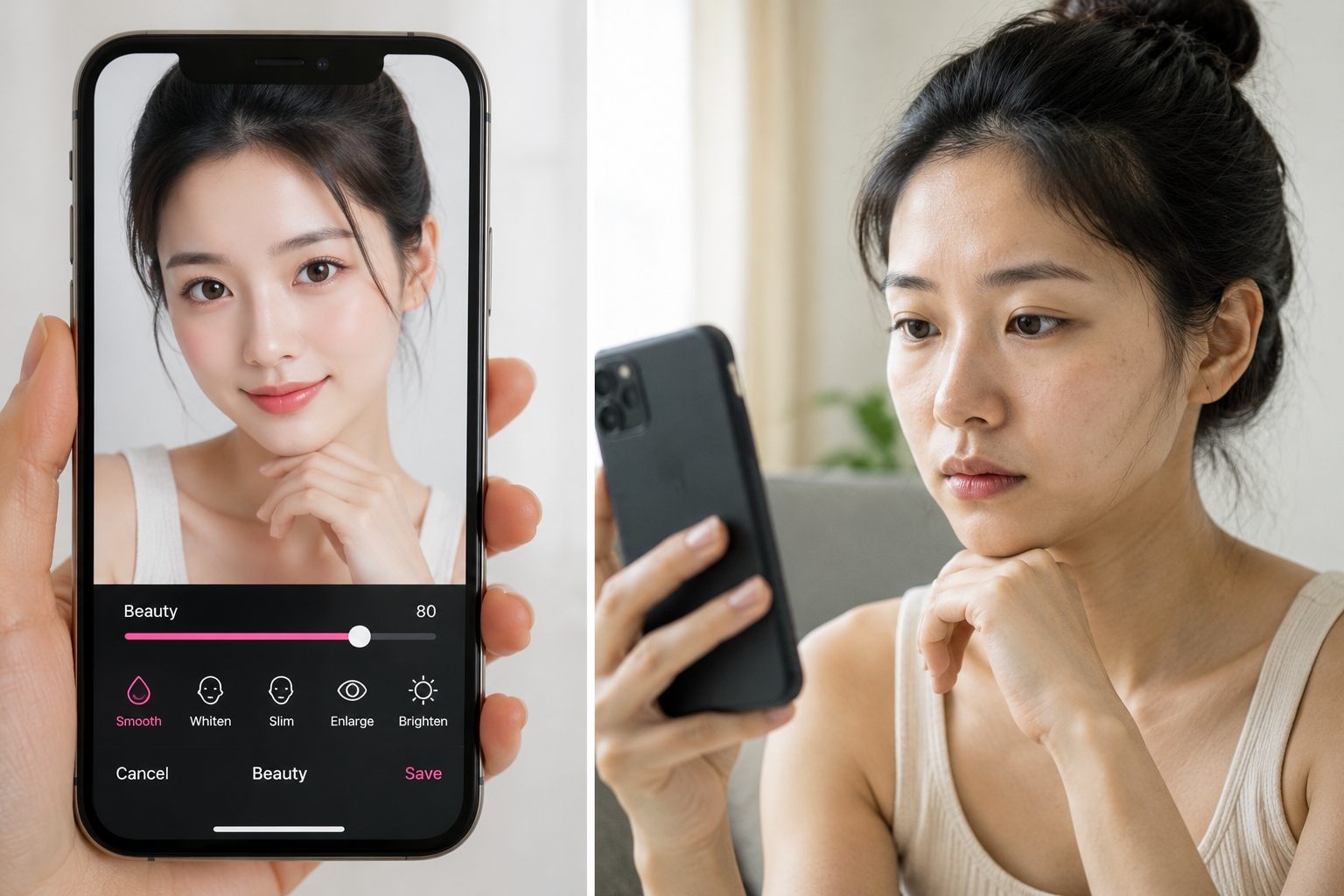
There’s an irony: while these tutorials celebrate transformation, many rely heavily on digital filters and beauty modes that blur imperfections in real time. A tutorial might show a flawless finish, but the creator may have used a “skin-smoothing” filter that does 50% of the work. This raises questions about the value of real skill. “I can follow every step and it still doesn’t look like the video,” admits Li, the student. “I know they use filters, but I keep trying because the final look is still beautiful.”
Some creators are pushing back. A growing niche on Douyin is the “no filter” movement, where influencers film in natural light without any beauty mode. Their videos often get fewer views, but they build a loyal audience that values authenticity. Yet the algorithm still favors the dramatic before-and-after. The tension between real skill and digital enhancement is unresolved—and perhaps part of the appeal. Viewers know the difference, but they enjoy the fantasy.
Conclusion: More Than a Makeup Video
A million likes on a Douyin tutorial is not just about cosmetics. It is a window into how Chinese youth consume media, form social bonds, and negotiate self-image in the age of algorithms. The video that took 15 seconds to watch took hours to plan, shoot, and edit. It reflects a sophisticated understanding of platform mechanics, a careful curation of identity, and a collective desire for beauty that feels both aspirational and attainable. As filters improve and algorithms grow smarter, the line between tutorial and entertainment will blur further. But the core human impulse—to transform, to connect, to be seen—remains unchanged.
Start the discussion at forum.chinacomes.com