

One Mother’s Question
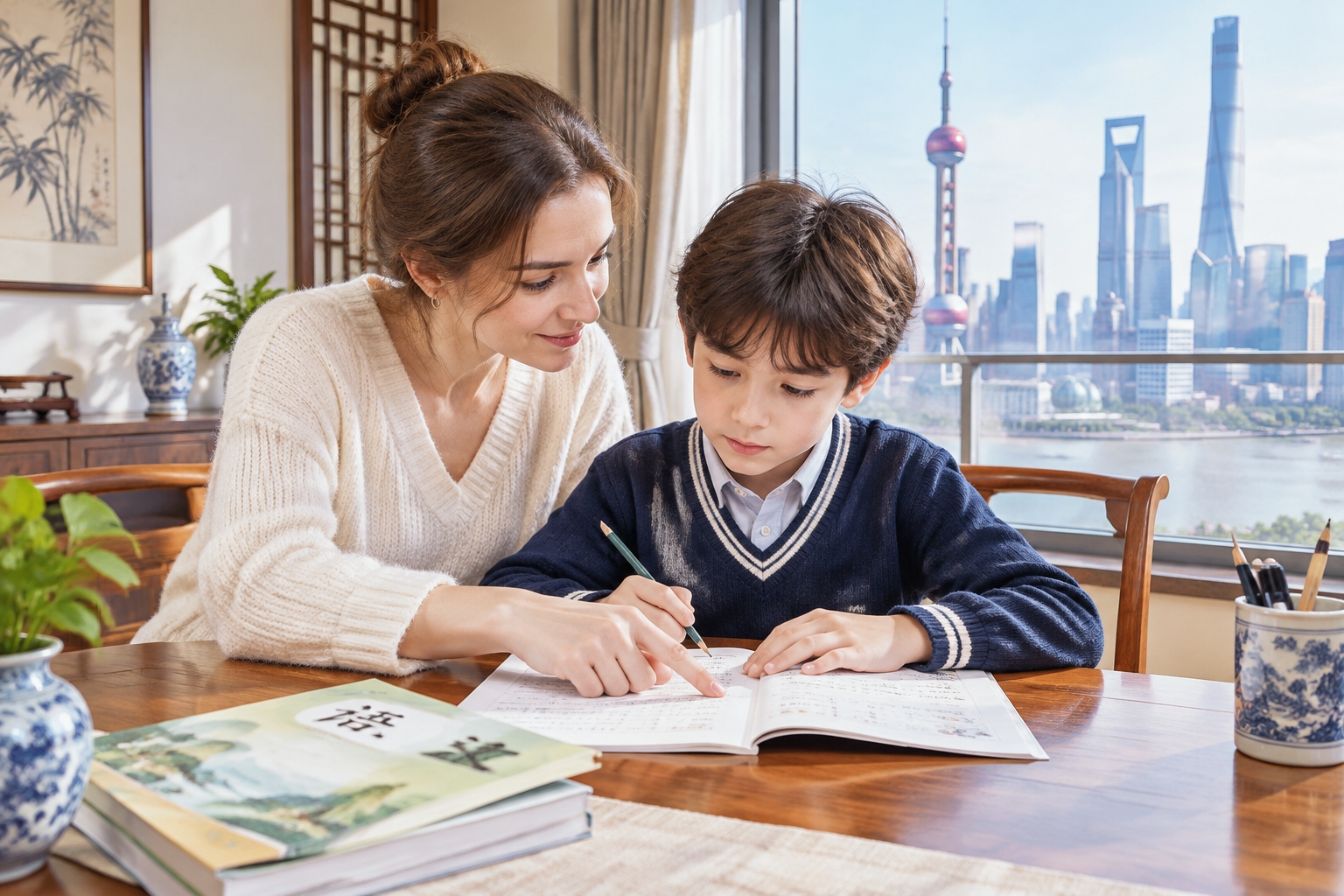
On a quiet Tuesday morning in Shanghai, an American mother named Jessica opens a laptop filled with math worksheets and science videos. Her son, aged nine, sits beside her. Jessica is not a teacher — she is a project manager at a tech firm. For the past year, she has been homeschooling her son instead of sending him to an international school. It saves money and allows her family to travel frequently. But one question nags at her: Is this actually legal in China?
The Compulsory Education Law Applies to Citizens
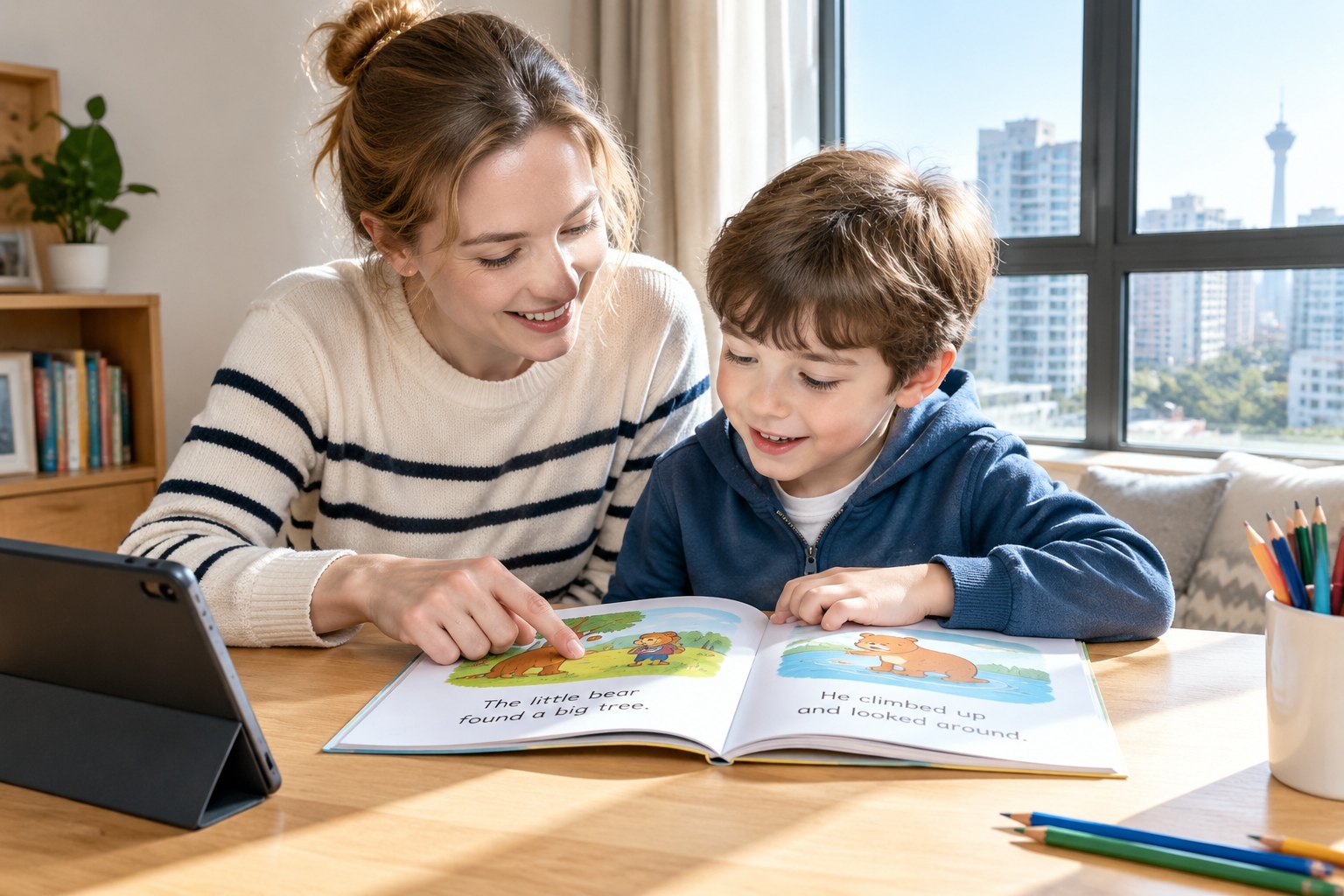
The core legal text is China’s Compulsory Education Law. First passed in 1986 and revised in 2006 and 2015, it states that all children who have reached the age of six must attend school for nine years. The law also requires parents or guardians to ensure their children complete this period of schooling. Yet the law says “all children” in the context of the Chinese State. In practice, it applies to Chinese citizens on the Chinese mainland, not to foreign nationals.
For foreign families, the legal basis is different. Foreign children in China are not included in the national compulsory education system. They are allowed to attend international schools, public schools (with local approval), or even receive education at home. However, there is no national law expressly permitting or prohibiting homeschooling for foreign children. The situation is best described as a legal gray area.
The Attitude of Local Education Bureaus
China is a country where policies are often implemented with local variation. Shanghai, Beijing, Guangzhou, and other cities with large expatriate populations tend to be more experienced when it comes to foreign children. But they rarely have a category for “homeschooling”. You may call the local education bureau and hear replies ranging from “What do you mean?” to “That’s not a thing here.” In several reported cases, official responses have been surprisingly neutral: you may be told that foreign children are not required to attend Chinese schools, and what you do at home is a private matter.
However, there is a catch. If your child is a Chinese citizen born to a Chinese parent and holds a foreign passport (a dual-national situation), the government may treat them as Chinese. In that case, the Compulsory Education Law does apply, and homeschooling becomes legally risky. Always check your child’s nationality status carefully.
Is There an Approval Process?
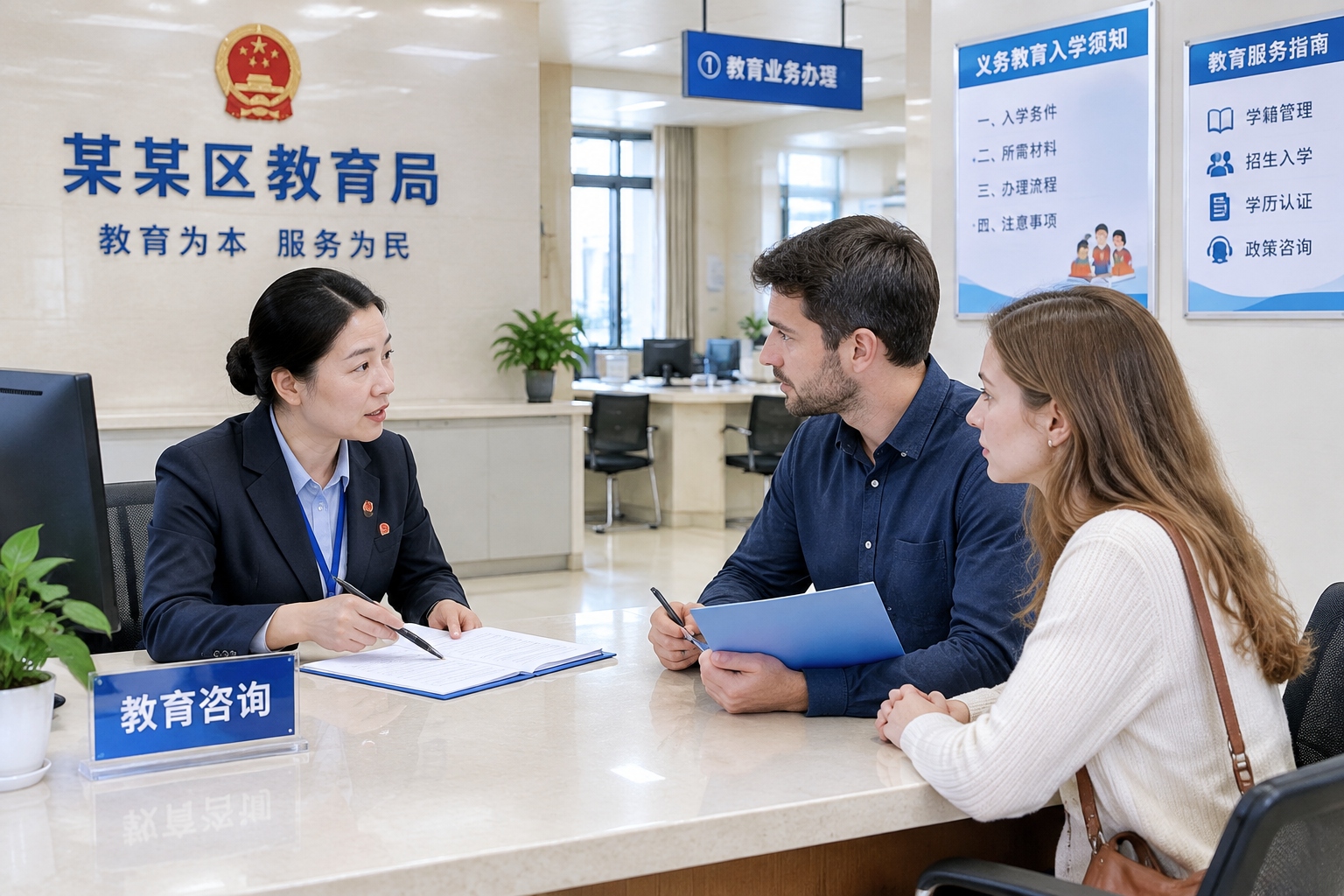
As of 2025, no city in China has established a formal, published procedure for foreign families to apply for homeschooling. That means you cannot “obtain permission” and receive a stamp of approval. But this does not mean you should act completely in the dark. When one foreign mother in Suzhou asked for guidance, her district education bureau asked for a letter explaining the child’s curriculum and a copy of her passport. They then noted the file and told her no further action was needed. Other parents have reported being directed to simply choose an international school or leave China if they want to teach at home. This inconsistency is why you must speak directly to the relevant authorities in your district.
School Records, Xueji, and the Future
If you are an outsider to China, you might not know that students have a xueji, or an official school record. This record follows a student from primary school to high school and is required for entering the gaokao (the Chinese university entrance exam). If you homeschool, your child will not have a xueji. For a foreign child, this may not matter if the goal is to apply to universities overseas. But if you ever want your child to attend a Chinese university, they would likely need to be enrolled in a recognised school for several years and pass a standardized exam, such as HSK or the Foundation Course for International Students.
When re-entering an international school, foreign homeschoolers usually face an entrance assessment, ranging from a reading test to an interview. International schools are used to taking in transfer students from around the world. If you are considering this transition, contact the admissions office early and prepare your child accordingly.
Real Pressures and Hidden Risks
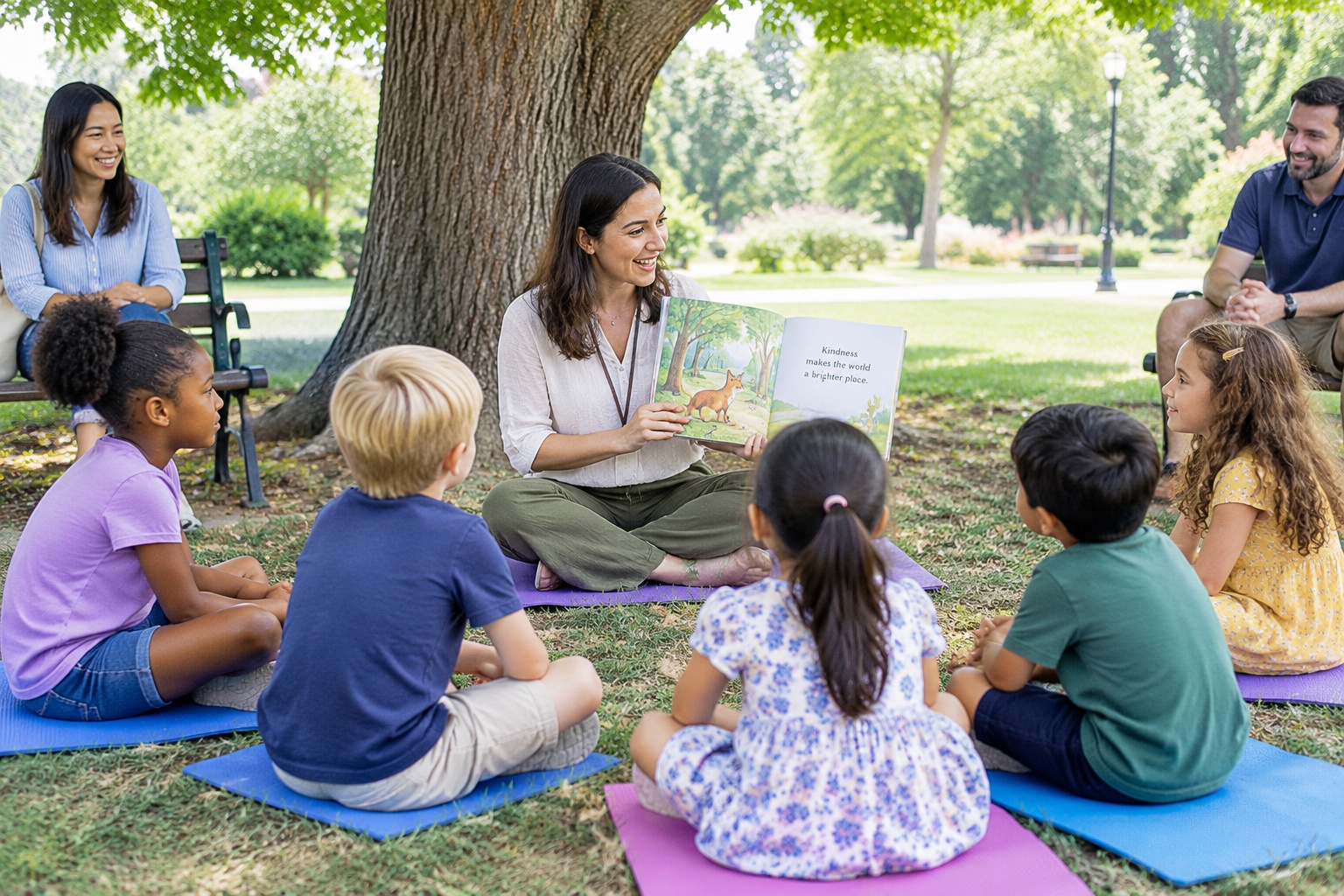
Beyond the legal vagueness, there are social and logistical challenges. China’s public culture generally views formal schooling as the only acceptable way to raise a child. Neighbors may gossip, and family members — even in the Chinese household where one parent is Chinese — may object strongly. On a more pragmatic level, your child may lack stable social interaction. Expat homeschoolers in Beijing and Shanghai have set up weekly co-op classes in parks or community spaces, but these groups are informal and often require creative planning.
Immigration is another point to watch. A child’s residence permit in China is usually tied to the parent’s work or family visa. As long as your visa is valid, school status is not checked. However, if you are applying for a permanent residence or a change of visa category, the authorities may ask about your child’s education arrangements. Preparing a curriculum plan and examples of learning outcomes can be helpful if this situation arises.
Comparing Homeschooling, International Schools, and Bilingual Schools
Before choosing to homeschool, it is worth comparing your options on cost, curriculum, and long-term ease:
International schools in China cost anywhere from 150,000 to 300,000 RMB a year. They offer access to a global network of universities and a standard international curriculum (IB, A-Levels, or AP). Yet they are often oversubscribed, and some require expensive debenture fees or foreign passports.
Bilingual private schools are typically cheaper, charging 80,000 to 150,000 RMB. They combine a Chinese curriculum with extra English classes. This can be an appealing middle path, but they are still regulated and follow Chinese norms, which may involve more homework and less creativity than you intend.
Homeschooling allows you to tailor the curriculum to your child’s pace and interests. You can use international materials and travel without asking for leave. The main costs are your time, educational resources, and the risk of isolation. Remember that while there is no Chinese certification for homeschoolers, you can always take internationally recognised exams later.
What Should You Do? A Practical Checklist
Given the lack of a clear rulebook, here is how to do your due diligence while preserving peace of mind:
- Contact your district education bureau’s international student office. Bring questions such as: “Is there any registration requirement for foreign children receiving home-based education?” and “Will my child’s choice affect future school admission?” Keep records of the call time and the official’s name.
- Double-check your child’s citizenship. If either parent is a Chinese national and the child also has a Chinese passport or hukou (household registration), the school requirement is different.
- Create a structured learning plan (monthly goals, reading lists, assessment samples) and keep it in a portfolio. You may need it for immigration or if a neighbour makes a report to the authorities.
- Connect with other international families in the same situation. China has small active communities in major cities, often through social media platforms like WeChat. Use the search words “Home education in China” to find contacts.
- Re-evaluate annually. If your child is older, discuss their own wishes about school and social circles.
Finally, treat this article as a starting point, not legal advice. The gray area around homeschooling can be navigated, but only if you understand the specific requirements — and lack of requirements — in your city.
Have you homeschooled your child in China? Tell us about your experience in the comments below.
Start the discussion at forum.chinacomes.com