


A Morning Routine That Defies Western Logic
Imagine waking up in Shanghai. The first thing you do isn’t check email or open a banking app separately. You open WeChat.
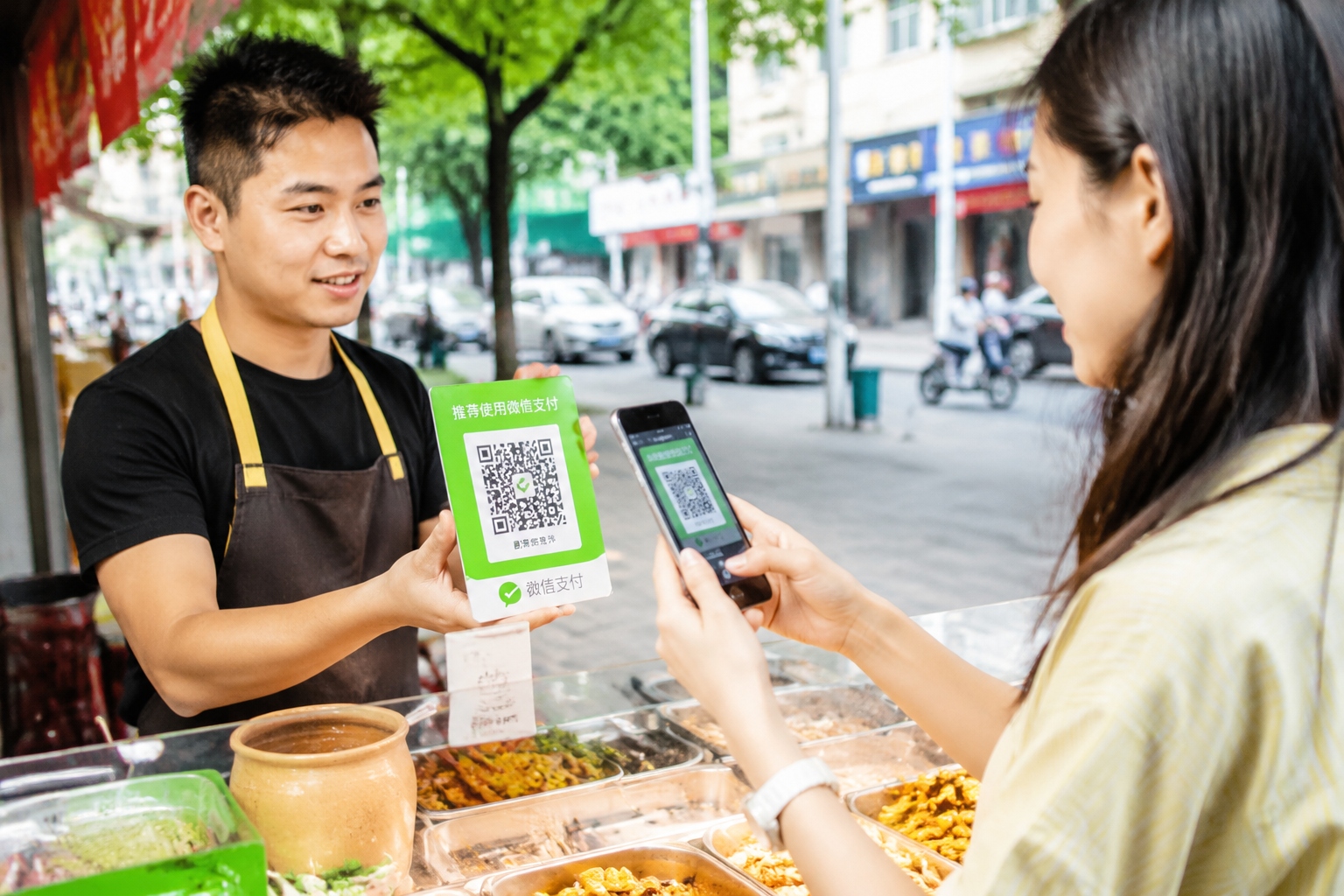
You use the built-in mini-program to book a ride from your apartment to the subway station. Upon arrival, you scan a QR code at a noodle shop for breakfast—no cash, no credit card, just a tap on your phone. Later, at the hospital, you navigate the appointment system, see your lab results, and pay the doctor’s fee—all within the same chat interface where you talk to friends.
To a Western observer, this sounds like science fiction or an impossible security risk. But for 1.3 billion Chinese users, it is Tuesday morning reality. WeChat (Weixin) is not just a messaging app; it has evolved into the digital infrastructure of modern China.
More Than Messaging: The Super-App Definition
In the West, the internet experience is fragmented. You have WhatsApp for chat, Venmo for money, Uber for rides, and separate apps for news or government services. In China, this fragmentation has been replaced by integration.
WeChat started as a simple messaging tool in 2011, similar to WhatsApp or iMessage. But its founders made a strategic pivot: instead of competing with third-party services, they built the platform where those services live. This is achieved through Mini Programs.
Think of Mini Programs as lightweight apps that run inside WeChat without needing to be downloaded from an App Store. A user can instantly launch a taxi service, order food, or pay utility bills and then close it just by swiping away. There is no installation, no new login credentials, and no separate icon cluttering the home screen.
The Anatomy of Daily Life in One Interface
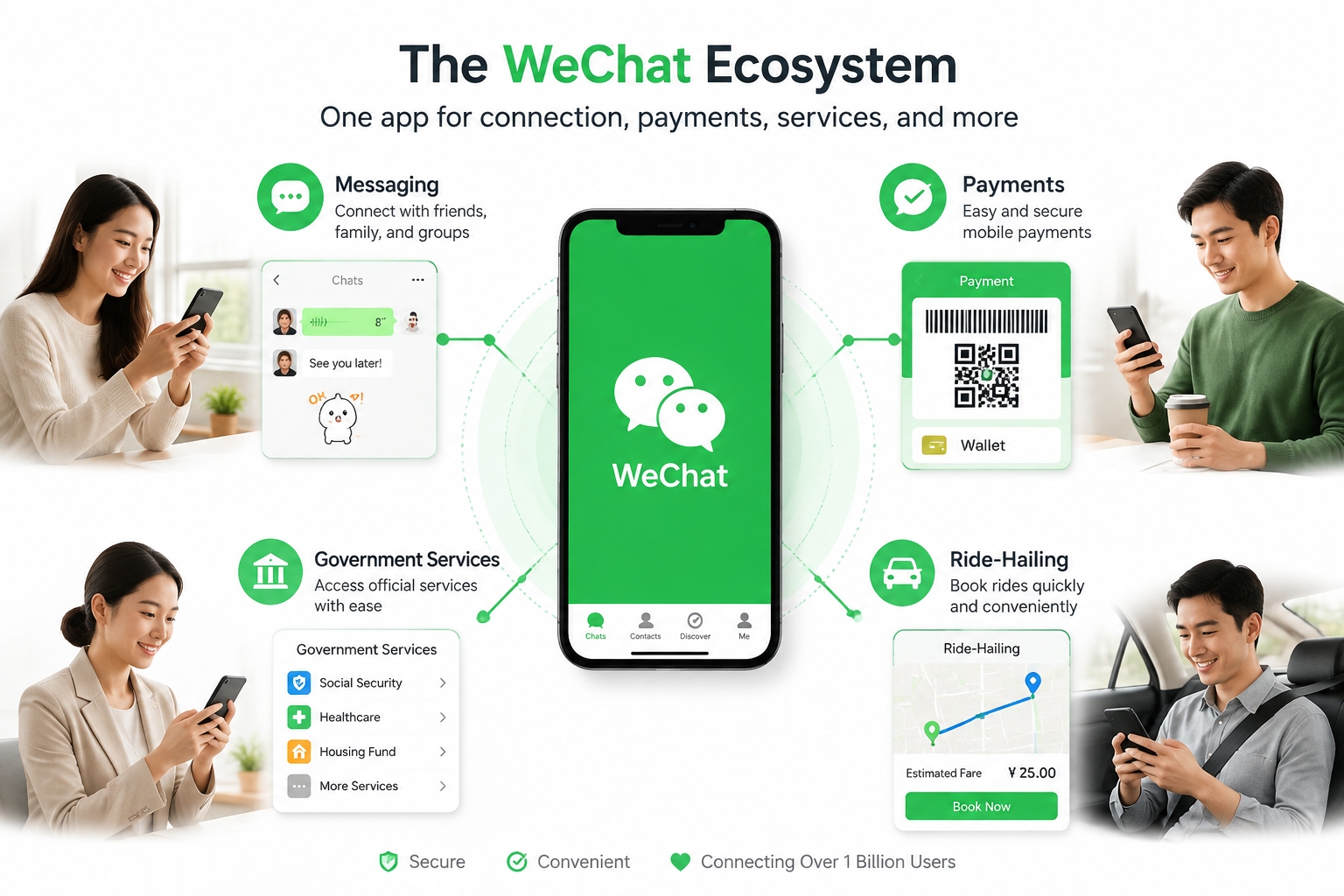
To understand the scale, consider the ecosystem’s four pillars:
- Communication & Social: The core. WeChat handles text, voice, video calls, and moments (a Facebook-like feed). It is how people maintain relationships.
- Mobile Payments: WeChat Pay processes billions of transactions daily. From street vendors to high-end malls, cash is increasingly rare. This system is secure because it links directly to bank accounts via strict identity verification.
- Government & Public Services: In many cities, you can renew a passport, pay traffic fines, or check social security status entirely within WeChat. For example, in Shenzhen, the “City Brain” platform integrates with WeChat to let citizens access municipal services instantly.
- Lifestyle & Commerce: Ride-hailing (Didi), food delivery (Meituan), travel booking (Ctrip), and even voting on community issues are all accessible via Mini Programs.
The Logic Behind the Integration

Why does this model work so well in China, while other markets prefer a dozen different apps? The answer lies in efficiency and user behavior.
In the West, app fatigue is real. Downloading ten different apps for one day’s errands slows down smartphones and drains data plans. In China, WeChat solves this by creating a closed-loop ecosystem. By keeping users inside their own platform, Tencent (WeChat’s owner) gains immense data on user behavior, which they use to refine services and offer targeted ads without leaving the app.
This strategy also lowers barriers for small businesses. A street vendor does not need a website or an expensive developer team; they just need a WeChat Mini Program QR code. This democratization of technology allows micro-enterprises to participate in the digital economy with minimal friction.
Critique and Reality: Convenience vs. Privacy
While the efficiency is undeniable, the model comes with trade-offs. The question of data privacy looms large. Since one platform holds your social graph, financial history, location data, and health records, a breach or misuse would be catastrophic.
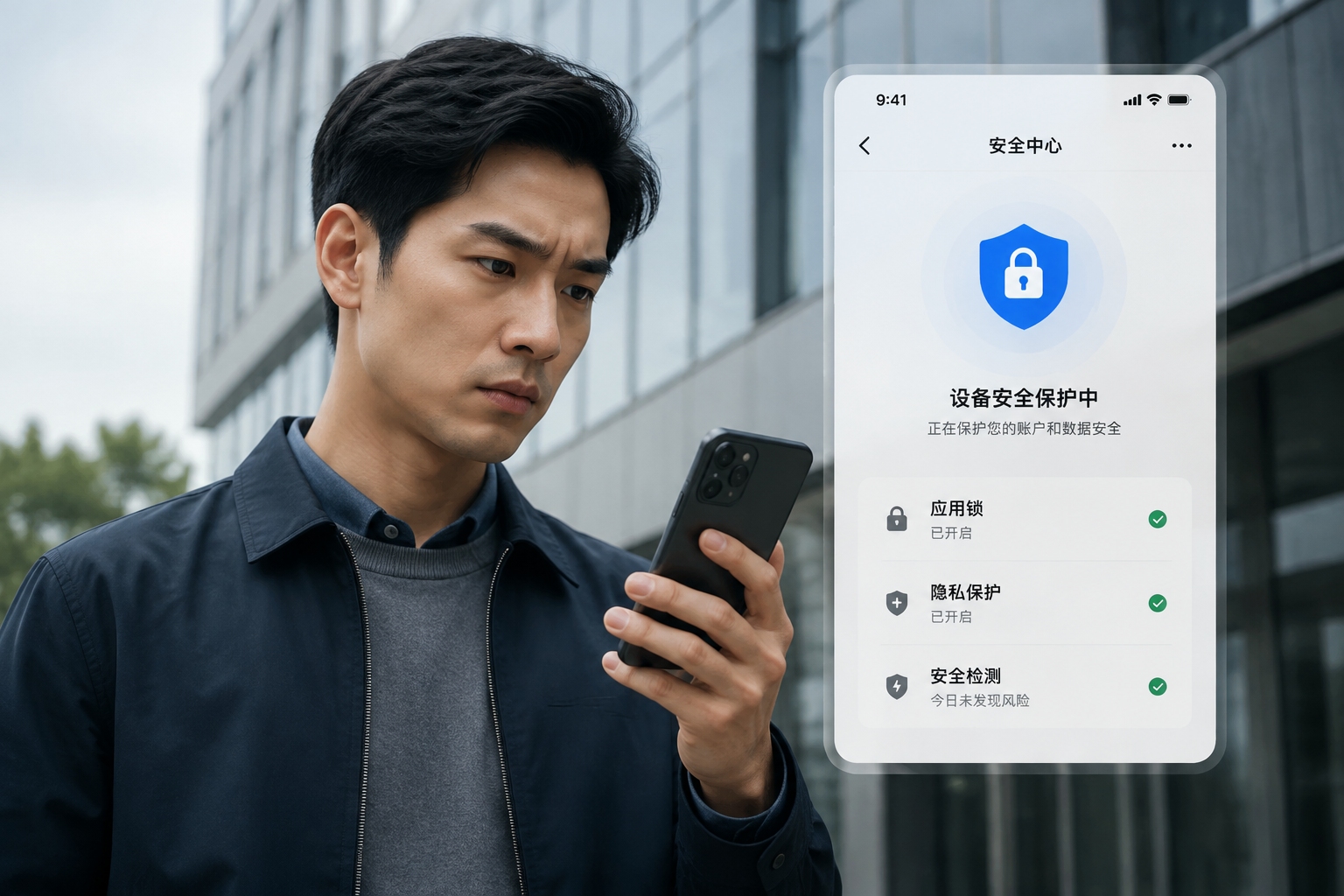
Furthermore, the lack of competition in some sectors can lead to monopolistic practices. Users feel trapped because leaving WeChat means losing access to their entire digital life—friends, payments, and official documents.
However, for the average user, the trade-off is clear: they gain unprecedented convenience at the cost of a centralized data footprint. The system works so smoothly that many users no longer notice the infrastructure; it has become as invisible and essential as electricity.
The Future of Digital Society
WeChat represents a distinct path for digital evolution, one that prioritizes integration over fragmentation. As other countries explore their own super-apps or wallet integrations, they often struggle with regulatory hurdles and user resistance to data consolidation.
China’s experience offers a case study: when technology is designed to serve the immediate, practical needs of daily life—rather than just abstract connectivity—it can become deeply embedded in society. The “Super App” isn’t just a business model; it is a new operating system for modern civilization.
Start the discussion at forum.chinacomes.com