
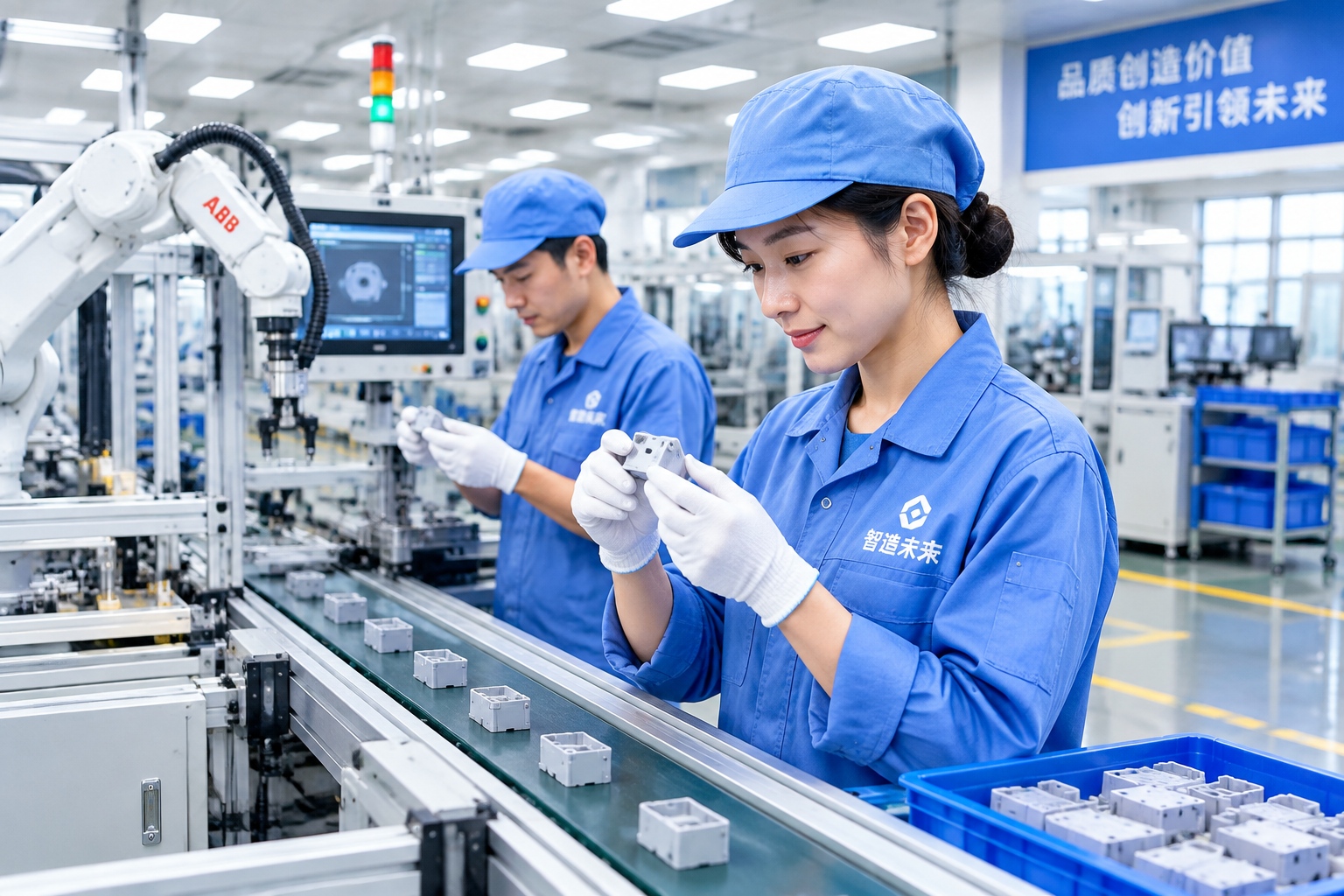

Why Travel to China for a Factory Tour?
For anyone sourcing products or studying global manufacturing, there is no substitute for seeing a Chinese factory from the inside. Yes, you can request dozens of quotations online, but the real picture—how workers interact with machines, how parts move across nearby subcontractors, how quality checks actually happen—only makes sense on the ground. This 10-day itinerary takes you from the Pearl River Delta to the Yangtze River Delta, covering five cities that each offer a different window into China’s industrial ecosystem.
Route Overview: South to East
The plan is to fly into Shenzhen or Guangzhou, then follow a logical arc: Dongguan (Days 1–3) → Shenzhen (Days 4–5) → Shunde (Days 6–7) → Ningbo (Days 8–9) → Yiwu (Day 10). China’s high-speed rail network makes the transfers seamless, with daily departures between any two points. The entire journey is roughly 1,400 kilometers by rail, but you’ll be riding the network that now spans over 40,000 kilometers—the world’s largest.
Dongguan and Shenzhen: Electronics and Agile Supply Chains
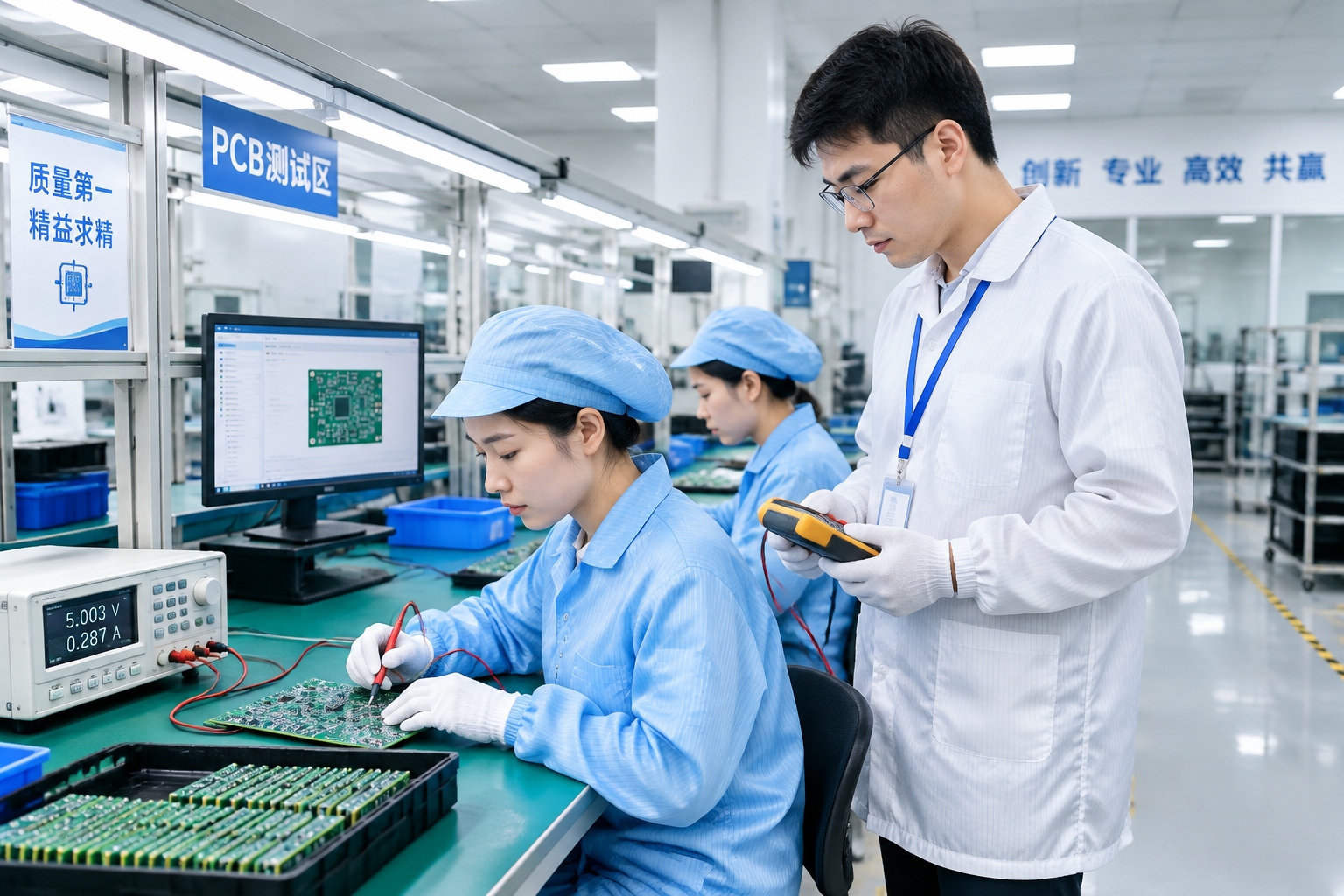
Dongguan is best known for its electronics and mechanical parts. You’ll see rows of factories producing phone housings, connectors, printed circuit boards, and precision screws. Many suppliers here do work for global brands, and their production lines are often automated, yet you’ll also spot nimble workshops capable of turning a sketch into a prototype in 72 hours. This is the core of China’s “agile” manufacturing: quick iteration, flexible batch sizes, and a deep pool of component makers.
In nearby Shenzhen, visit Huaqiangbei electronics market to sense the speed of hardware trends. Just 40 minutes’ drive from Dongguan’s office parks, Shenzhen is where startups test concepts, source the latest sensors, or buy off-the-shelf modules for IoT devices. A common pattern is to design in Shenzhen’s software parks, prototype in Dongguan, and mass produce in either city.
Practical tip: arrange factory visits through an agent or a sourcing company, as many plants require introductions. For security reasons, allow at least two days in each city for visits and travel.
Shunde: Small Home Appliances and Cluster Efficiency
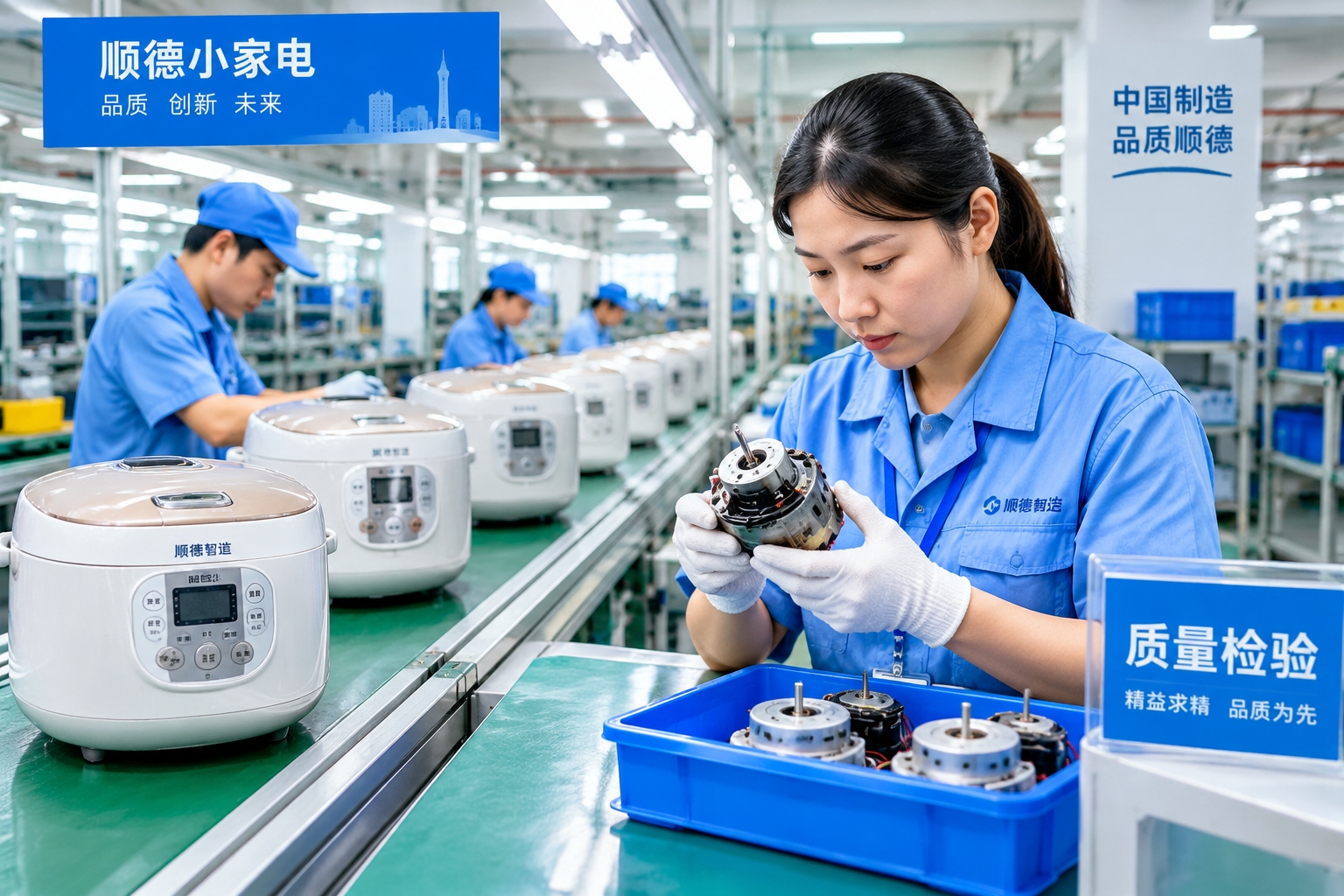
Shunde, a district within Foshan, is often called the “home appliance capital of China.” Many of the world’s induction cooktops, rice cookers, coffee makers, and blenders are either made here or around it. The strength of Shunde is not just assembly; it’s the co-location of plastics, electronics, electric motors, and packaging suppliers within a 30-minute drive. A manufacturer can design a circuit board, mold the shell, and test the prototype without leaving the district.
When visiting Shunde, ask to see the quality-control labs. Leading factories have reliability test equipment for heat, humidity, and durability. You’ll notice that many appliance makers follow ISO 9001:2015 and BSCI social compliance standards. Even a small factory of 300 workers often runs a full acceptance testing system. Chinese home-appliance exporters have a reputation for volume, but quality levels have changed dramatically over the past decade—a fact many repeat visitors are surprised by.
Ningbo: Export-Quality Systems and Port Logistics
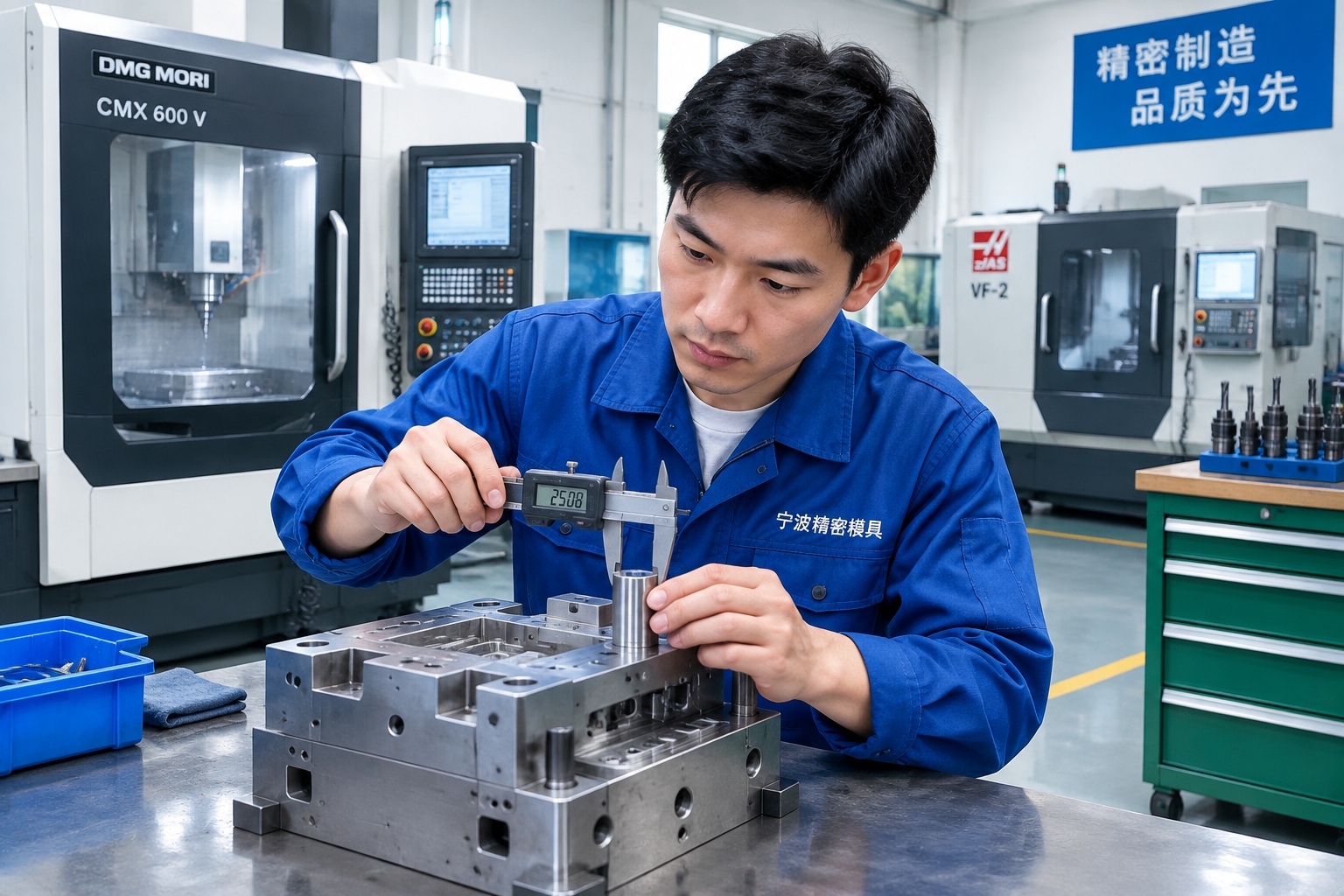
Ningbo, on China’s east coast, is a hub for electrical appliances, molds, and auto parts. The difference between Shunde and Ningbo lies in the scale of exports. Shunde’s domestic brands often feed into the local market, while Ningbo factories tend to export all over the world, and they’ve developed complex compliance systems to meet CE, UL, and other certifications.
One highlight is to visit a mold-making factory. Ningbo is known for producing some of the most precise plastic injection molds in China. Mold quality is the foundation of product consistency, and watching a mold maker set up a five-axis CNC machine is a lesson in industrial discipline. Pair this with a visit to a large electrical appliance plant, where you can observe how workers assemble water heaters or refrigerators in sequence.
Finally, take a drive to the Ningbo-Zhoushan Port, one of the busiest container ports in the world. It will help you visualize how a container of products leaves the factory, gets inspected at customs, and boards a vessel within 48 hours. For a buyer, knowing that logistics chain is as important as knowing the factory floor.
Yiwu: A Global Marketplace for Small Commodities
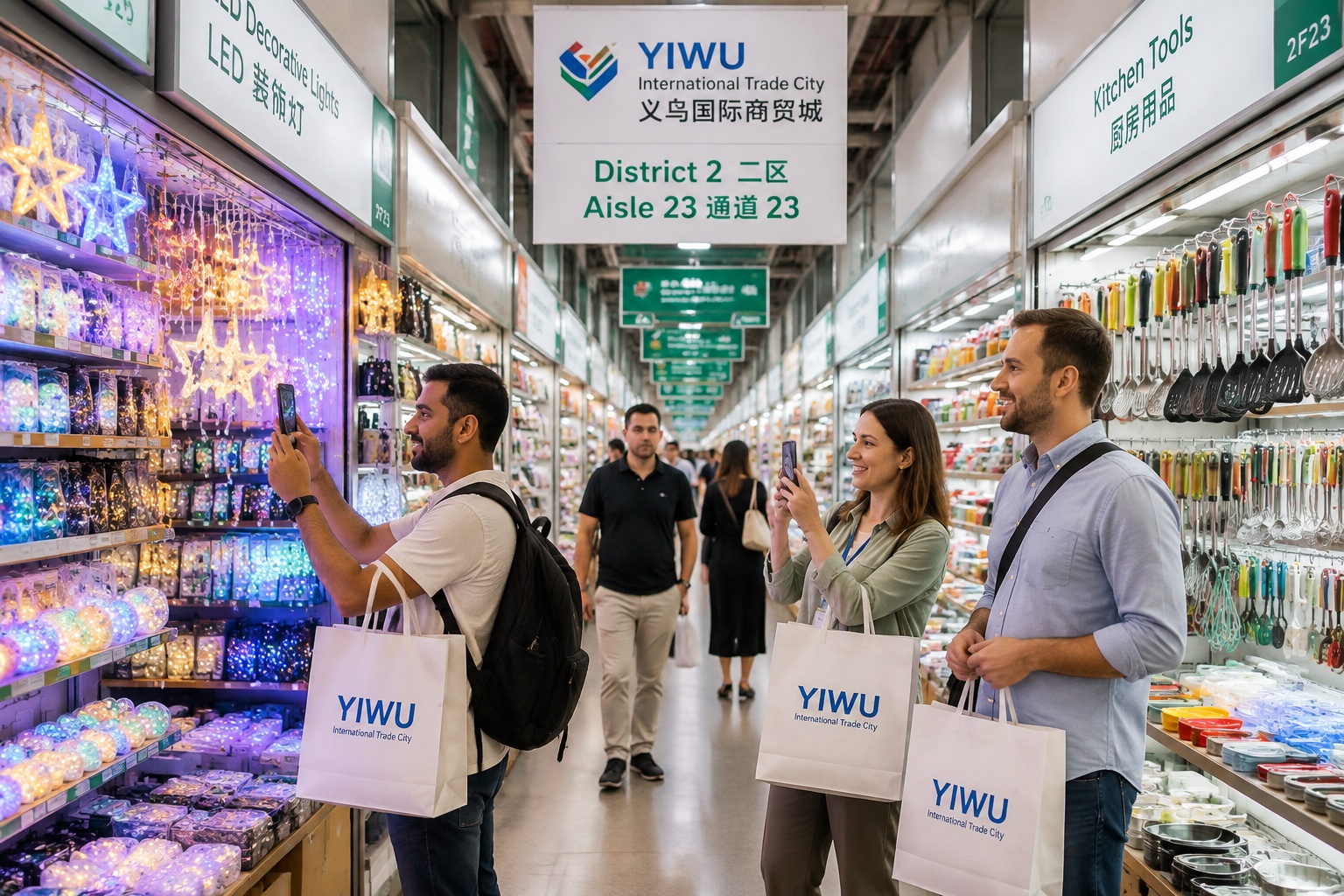
Yiwu is not typical manufacturer territory, but it is an essential stop for anyone who sources, trades, or studies global consumer goods. The Yiwu International Trade City is a massive wholesale market complex with more than 7.5 million square meters of floor space. You will find products from Christmas decorations to wiring harnesses, hardware tools, stationery, small kitchen gadgets, and thousands of other SKUs. Unlike regular factories, here you don’t inspect production lines—you browse stalls, compare prices, and negotiate minimum order quantities.
The most useful concept for international buyers is the “market procurement” trading mode, a simplified customs process unique to Yiwu. It allows you to combine multiple categories from different suppliers into a single container, with simplified paperwork and sometimes faster export procedures. Many sourcing agents in Yiwu speak English and can help you communicate with sellers, arrange product inspections, and consolidate orders from several factories.
Plan a full day at the market to barely cover one zone. Bring a digital notebook, talk to at least ten suppliers per product, and ask about open-stock, logo customization, and MOQ.
Transport and Accommodation: Practical Advice
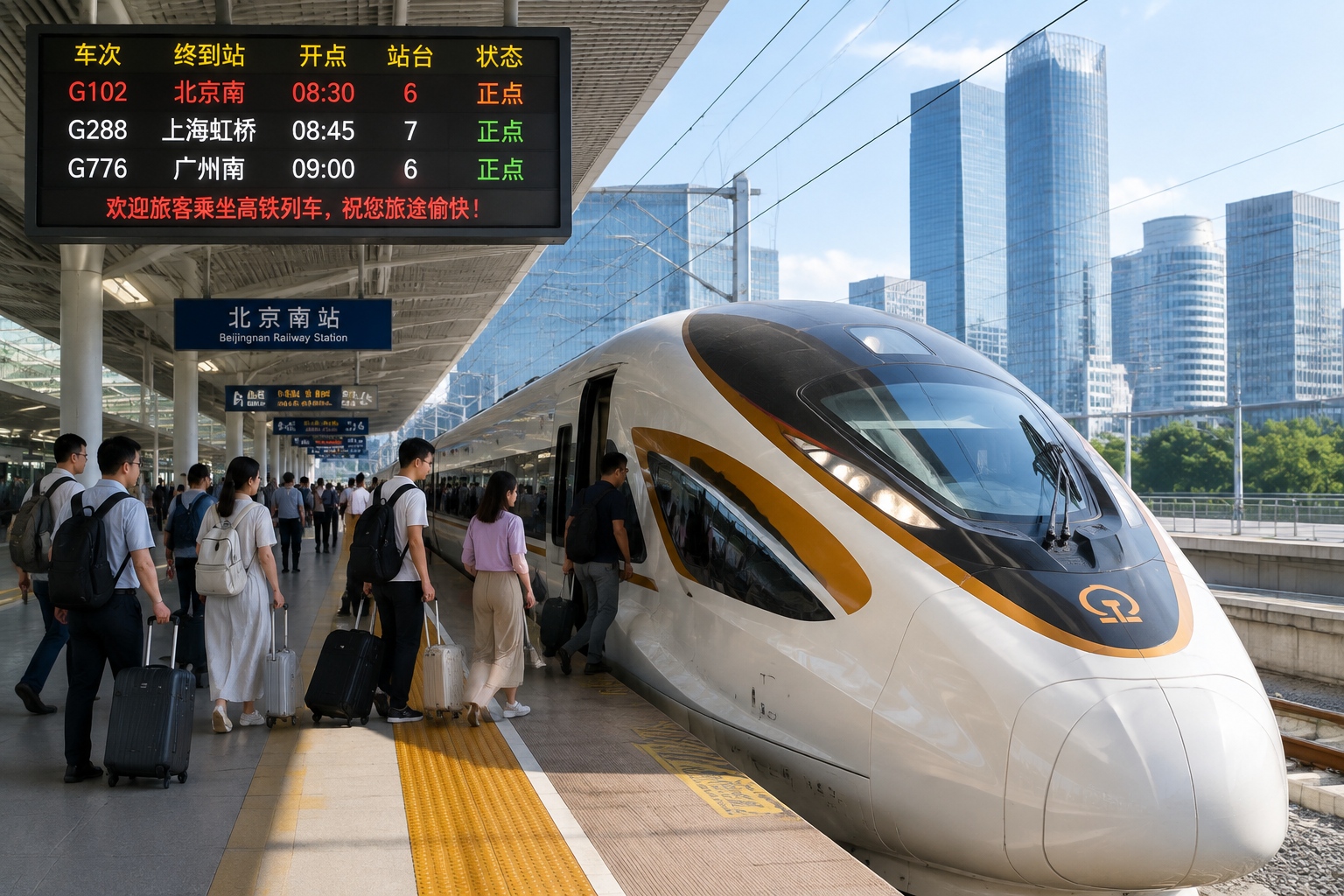
China’s high-speed rail has turned a multi-city factory tour from a headache into a smooth ride. From Dongguan, take the G- or D-series train to Shenzhen (about 25 minutes) or to Guangzhou South for connections. To get to Shunde, you can take a high-speed train directly from Shenzhen North to Shunde Railway Station (around 1 hour 20 minutes) or transfer in Guangzhou South. For Ningbo, fly from Shenzhen or Guangzhou to Ningbo Lishe International Airport, or take a high-speed train from Guangzhou South to Ningbo (around 7 hours, so flying is faster if you’re pressed). The final leg from Ningbo to Yiwu is only about 1 hour and 20 minutes by high-speed train.
When choosing hotels, stay in city centers for walkability, or near industrial parks if you have many close-by appointments. Dongguan’s factories are scattered across a few districts; Chaoyang Street area or the Guanjing (urban core) are practical bases. In Shenzhen, Huaqiangbei district is central for electronics. In Shunde, the Daliang district is fine for dining and easy taxi access. Ningbo’s Yinzhou district links well to both the new commercial zone and the port area. Yiwu has many budget and mid-range hotels near the Trade City.
Use international booking platforms like Trip.com or Agoda for English support, and reserve at least a week in advance if you’re arriving during a trade fair. Note that many smaller hotels require Chinese-language apps; ask a local host to help if you don’t have WeChat Pay or an Alipay-linked mobile number.
Final Takeaways
After ten days of serious factory visits, the abstract notion of “Made in China” becomes concrete. You will have seen the physical density of supply chains, the speed of prototyping, and the ability to scale from a small batch to a container shipment within weeks. For procurement professionals, the trip is a chance to test suppliers, map risks, and build relationships. For curious travelers, it’s an education in how the things we use every day actually come to life.
Start the discussion at forum.chinacomes.com