


Introduction: The Meeting That Never Really Started
Tom Miller, a procurement manager from Chicago, flew to Shanghai for what he expected to be a two-hour price negotiation with a key supplier. He arrived with spreadsheets, cost breakdowns and a final offer in mind. Instead, the supplier’s general manager spent the first hour showing him around the factory floor, then took him to lunch, talking about his daughter’s university plans and Tom’s first impression of Shanghai. Only after tea did they sit down to ‘discuss cooperation.’ Still, no specific numbers came up—only phrases like ‘long-term partnership’ and ‘win-win direction.’ Tom left with no deal, only a headache.
If Tom’s story sounds familiar, you are not alone. To many foreign business visitors, Chinese negotiation feels confusing, indirect, even frustrating. But it is not random. It follows a deep cultural logic that, once understood, becomes a playable game. This guide explains the unspoken rules of Chinese negotiation style—and offers practical counter-strategies that work without forcing a direct, Western-style showdown.
The Foundation: Why Guanxi Comes Before the Contract
In Western dealmaking, the contract is the final safety net. You hire lawyers, write clauses, and expect both sides to honor them. In China, the contract is more like a photograph of a relationship: it matters, but the relationship itself determines whether the picture turns out well. This is why Chinese negotiators seem to spend so much time before talking business. They are testing you as a person—your patience, your sincerity, your empathy.
This does not mean Chinese businesses ignore legal agreements. They use them, but they rely far more on personal connections to resolve disputes than on litigation. It is a social and moral contract. If you treat every meeting as a one-off deal, you signal that you are not a safe partner. But if you invest time in shared meals and sincere small talk, you are building credit. Later, when raw material prices jump or deadlines slip, that credit becomes the thing that keeps your contract alive.

Common Tactics: Big Frames, Vague Details, and the Power of Ambiguity
Walk into a typical Chinese negotiation and you will notice something: the first session rarely establishes a price point. The host may open with a grand vision for the industry, the company’s five-year plan, or the importance of this project for regional development. Then comes a broad phrase like ‘we hope to create a mutually beneficial partnership.’ Only after the big picture is agreed upon do the details start to fill in—and even then, not always clearly.
This ‘big frame first, details later’ approach is not a loophole. It is a way to move from the emotional high level down to specifics. If both sides are aligned on direction, the specifics feel less threatening. Chinese negotiators also intentionally leave some language vague (‘we will try our best,’ ‘at an appropriate time’) to create flexibility. For Western counterparts accustomed to crisp legal terms, this can be maddening. But it has a purpose: it prevents either side from painting themselves into a corner too early. If numbers must bend later, vague words can absorb the pressure.
Silence and Detours: Reading What Isn’t Said
In Western meetings, silence often means disagreement, awkwardness, or a deadlock. In Chinese business culture, silence can mean many things: the other side is thinking, waiting for a better answer, or refusing gracefully without saying ‘no’. Telling a business partner directly that you cannot accept their offer is considered rude and could damage the relationship. So they use softer detours: ‘Let me study it carefully,’ ‘This may be difficult,’ or ‘I think we need more communication.’
Understanding this can save you from costly overreactions. If the room goes quiet, do not immediately sweeten your offer. That quick concession weakens your position and shows you do not understand the game. Instead, ask an open question like ‘What do you think might work better?’ or ‘Could you share the concerns around this point?’ Often, the real objection is hidden behind politeness, and patient probing will surface it faster than aggressive bargaining.
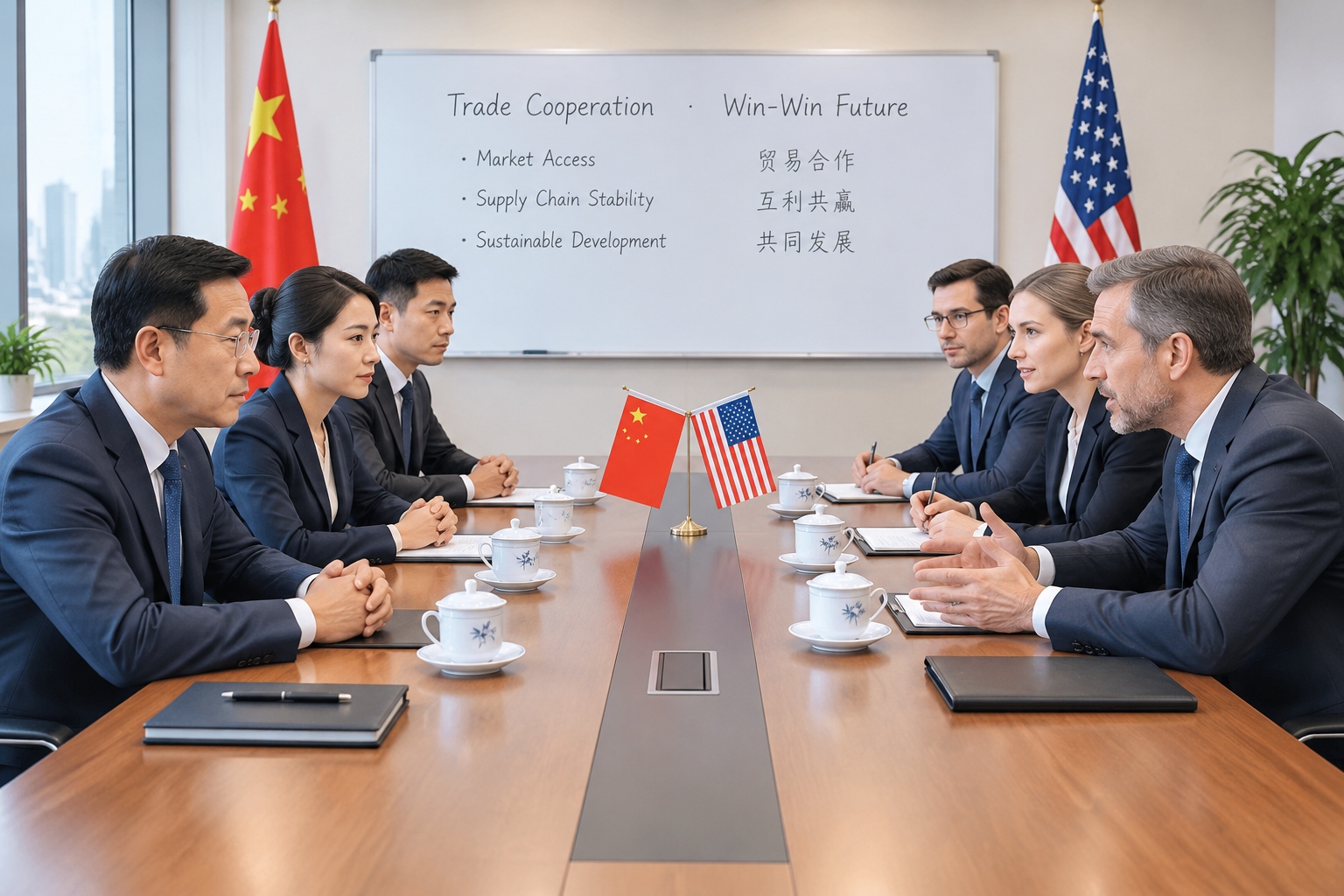
Concessions: Conditional Exchanges and the Art of Face
No negotiation ends without both sides moving. But in the Chinese style, a concession is never just a gift—it is a currency. When you bend on price, delivery time, or payment terms, you should ask for something in return, even a small one. Why? Because unconditional gifts make the recipient lose respect for the giver. In China, trades are more elegant when they feel balanced.
Equally important is mianzi (face). Chinese negotiators care intensely about whether they can face their own team and stakeholders after the deal. If you force them into a public corner—say, by demanding an apology or posting your win on social media—they may walk away, even if the numbers make sense. Instead, offer face-saving paths: frame their concession as their strategic decision, or allow them to present your side of the agreement as a version they proposed. This may sound theatrical, but in every culture, the deal has a stage.
What Foreign Negotiators Should Do Differently
Now for the practical playbook. If you are preparing to negotiate in China, carry these principles with you:
Invest in relationship infrastructure before the first formal session. This can mean a factory visit, a joint meal, or even a gift related to their children. Do not treat it as a time cost—it is a down payment on trust.
Open with broad goals, not numbers. Let your counterpart state their ideal cooperation framework first. Then gradually move to terms. Keep your own timeline flexible at the beginning—rigid schedules force both sides into positions too early.
When you hear vagueness, politely pin it down with written summaries. After each meeting, send an email saying ‘I would like to confirm we both understand the following…’ This creates a shared record without sounding confrontational.
When you make a concession, always add reciprocity: ‘We can adjust the price if you can shorten the lead time.’ If they ask for something extra, ask what they are willing to trade.
Never use public pressure or threats. Instead, take difficult topics to private, informal settings—a dinner table or a coffee break. What cannot be solved at the table can often be solved over tea.
Finally, patience is a weapon. Chinese negotiation is often a process of discovering the real power structure, which may include not only the VP of sales but also the operations director in the background.
A Different Game, Same Goal
Many Westerners see Chinese negotiation as a labyrinth with no exit. But framing it as a different game helps you see the rules clearly. Underneath the small talk, the vague phrases, and the pauses lies the same universal desire: to get a good deal and build a foundation strong enough for the next one.
Does adopting this style slow you down? Possibly. But in an era where Chinese companies are becoming leading partners in global supply chains, being able to play the game—without losing your own style—is one of the most valuable skills you can add to your portfolio. It is not about acting like a local; it is about respecting the rhythm of the music on the dance floor.
Start the discussion at forum.chinacomes.com