


What “Lying Flat” Really Means
In April 2021, a post on Baidu Tieba titled “Lying Flat Is Justice” went viral. The author, a former factory worker in his late twenties, described quitting his job, moving into a cheap 10-square-meter apartment, and working only a few days a month as a security guard. He wasn’t depressed, he wrote. He was done playing a game he couldn’t win.
“Tang ping” — literally “lying flat” — became a cultural shorthand for a generation’s quiet retreat. It’s not about sleeping all day or refusing to work. It’s a deliberate rejection of the relentless pressure to climb a ladder that seems to lead nowhere. For many Chinese millennials, the traditional markers of adulthood — a stable job, a home, marriage, children — have become either unaffordable or unappealing. So they step back.
The term spread quickly on social media, especially among those born between 1980 and 1995. It resonated because it named a feeling that many had but few had articulated: exhaustion with a system that demands everything and promises little in return.
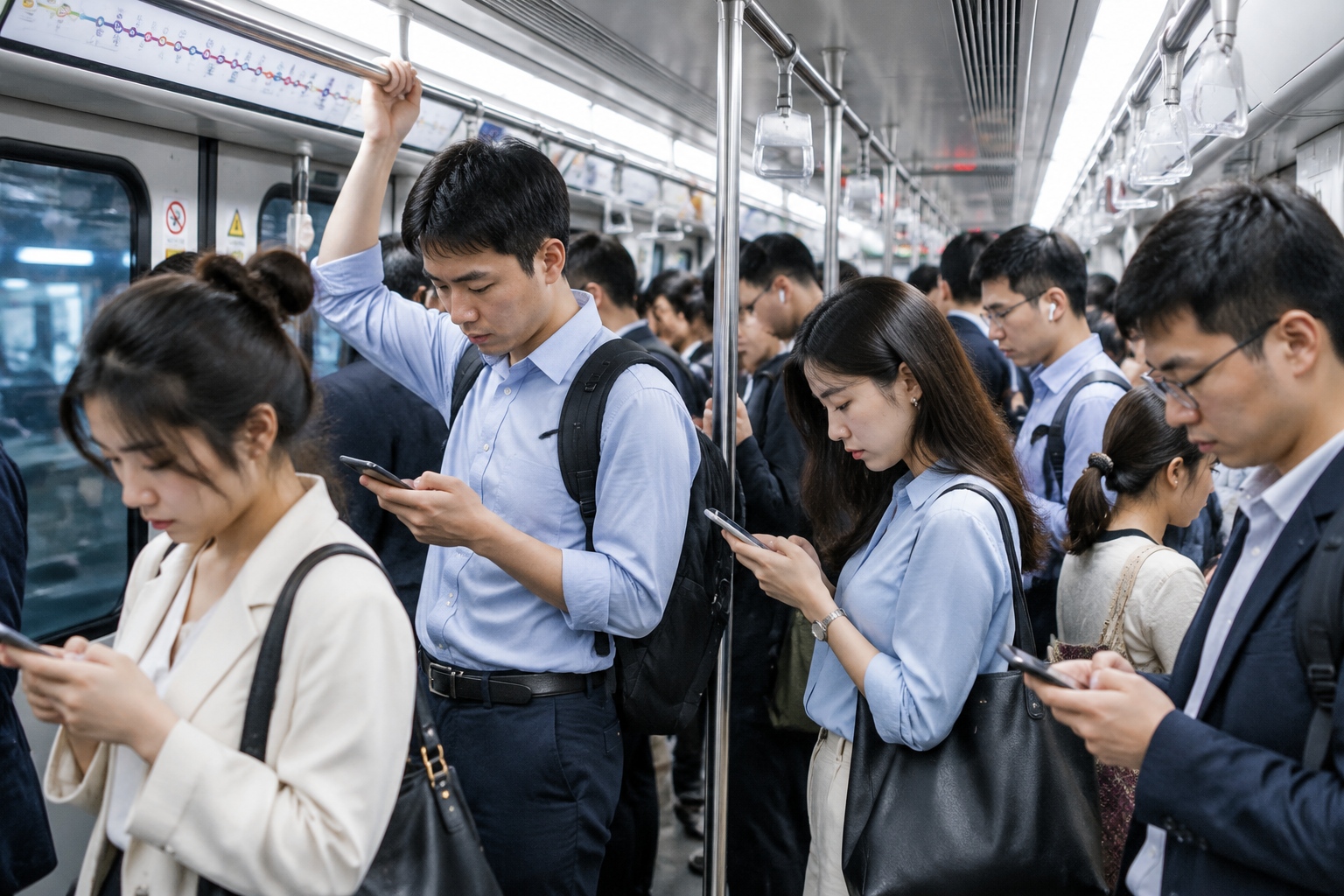
The Pressure Cooker: Education, Jobs, Housing
The pressures start early. China’s college entrance exam, the gaokao, dictates life trajectories. A high score means a top university; a low score can mean a lifetime of lower earnings. Millions of students spend years in after-school tutoring, a system so intense that the government banned for-profit tutoring for core subjects in 2021. The competition is fierce: in 2023, over 12 million students took the gaokao, competing for a limited number of spots at elite universities.
Then comes work. The “996” culture — 9 a.m. to 9 p.m., six days a week — became notorious in tech and finance. Even with a good degree, many young people find themselves in exhausting jobs with little security. Youth unemployment has surged: in June 2023, the urban unemployment rate for ages 16-24 hit a record 21.3%. For those with degrees, the competition is fierce. Many end up in gig work — food delivery, ride-hailing — or in unpaid internships that promise experience but no pay.
Housing is the final straw. In Shenzhen, average home prices exceed 50,000 yuan (about $7,000) per square meter, while the average annual salary is around 150,000 yuan. That’s a price-to-income ratio above 30 — meaning a young worker would need to save every penny for three decades to buy a modest apartment. In Beijing and Shanghai, the ratio is similar. Renting is cheaper, but still consumes 30-50% of income. For many, homeownership is not a delayed goal; it’s an impossible one.
The Math of Opting Out
Lying flat is not an emotional breakdown. It’s a rational calculation. If you can’t afford a home, why work 80 hours a week? If marriage requires a house and a car, and you can’t provide them, why try? Many young Chinese have run the numbers and concluded that the rewards don’t justify the sacrifice.
Psychologically, it’s also self-protection. Burnout, anxiety, and depression are widespread. A 2020 survey by the China Youth Daily found that 60% of respondents had considered lying flat. For some, it’s a temporary break; for others, a permanent shift. They trade ambition for free time, consumption for minimalism, and social expectations for personal peace.
The choice is not always dramatic. It can mean turning down a promotion, refusing to answer emails after hours, or moving back to a smaller city where life is slower and cheaper. It’s a quiet reallocation of energy — from chasing external validation to protecting internal well-being.
A Nation Debates Its Youth
The phenomenon has sparked a heated debate. On Weibo, hashtags like #TangPing have been viewed hundreds of millions of times. Older generations often call the youth lazy and ungrateful. “When I was your age, I worked three jobs,” one commenter wrote. “You have it so easy.”
But others see a warning sign. “Lying flat is a silent protest against a system that exploits young people,” wrote one economist on Zhihu, a Quora-like platform. “It’s not laziness; it’s a refusal to participate in a rigged game.”

Interviews with young people reveal a mix of resignation and relief. “I worked in marketing for four years, 12-hour days, and I still couldn’t save enough for a down payment,” says Li Wei, 28, from Shanghai. “Now I freelance. I make less, but I have time to read, cook, and see friends. I’m not lazy. I’m just done with being exploited.”
Another voice, from a 24-year-old in Wuhan, put it simply: “I’d rather have a small life I can control than a big life that controls me.”
The Quiet Pushback That’s Changing Things
The lying flat movement is not organized. There are no leaders, no protests, no manifestos. But its impact is being felt. Companies are slowly responding. In 2021, ByteDance and Tencent, two of China’s largest tech firms, introduced “no overtime” days and limited late-night work. The government has cracked down on 996, declaring it illegal, and launched pilot programs for affordable housing in major cities.

These are small steps. Structural issues — soaring housing costs, intense competition, a social safety net that assumes family support — remain. But the conversation has shifted. Lying flat has forced employers and policymakers to acknowledge that young people are not infinite resources. They have limits, and they are willing to walk away.
Some companies now advertise “work-life balance” as a recruiting tool. Cities like Chengdu and Hangzhou are promoting themselves as alternatives to the high-pressure megacities. The trend has even entered popular culture: TV dramas and documentaries now explore the lives of those who opt out.
What This Means for the Future
For outside observers, lying flat can look like defeatism. But for many Chinese millennials, it’s an act of self-respect. They are not giving up on life; they are giving up on a version of success that was never designed for them. It’s a silent rebellion — quiet, personal, and surprisingly powerful.
As one 26-year-old in Chengdu put it: “I don’t want to lie flat forever. But right now, it’s the only way I can stand up for myself.”
Whether this rebellion leads to lasting change or simply a new equilibrium, it has already done something important: it has made a generation’s exhaustion visible. And that visibility is the first step toward renegotiating the terms of their future.
Start the discussion at forum.chinacomes.com