

China’s Consumer Class 2027: The Scene in Chengdu Sets the Tone
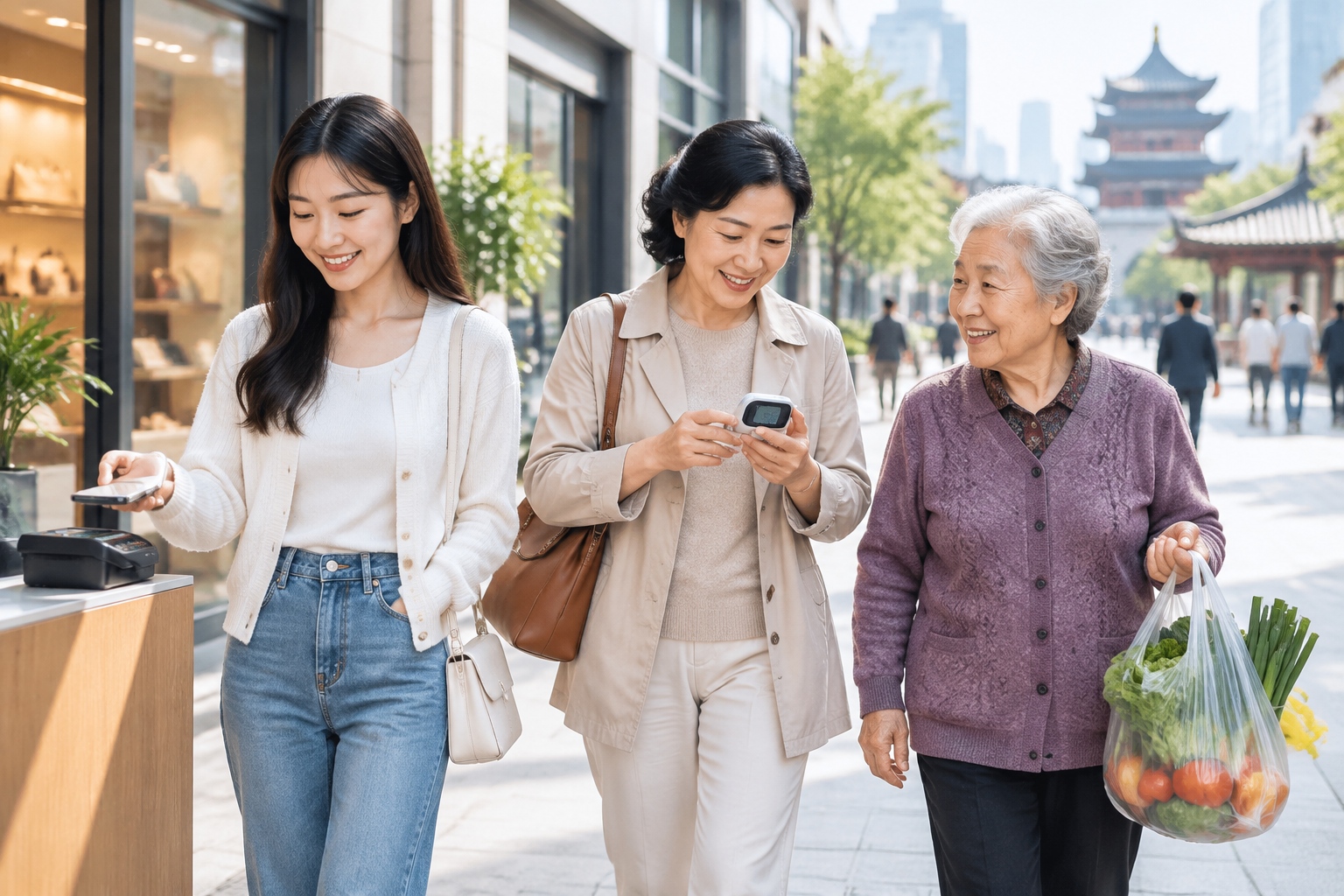
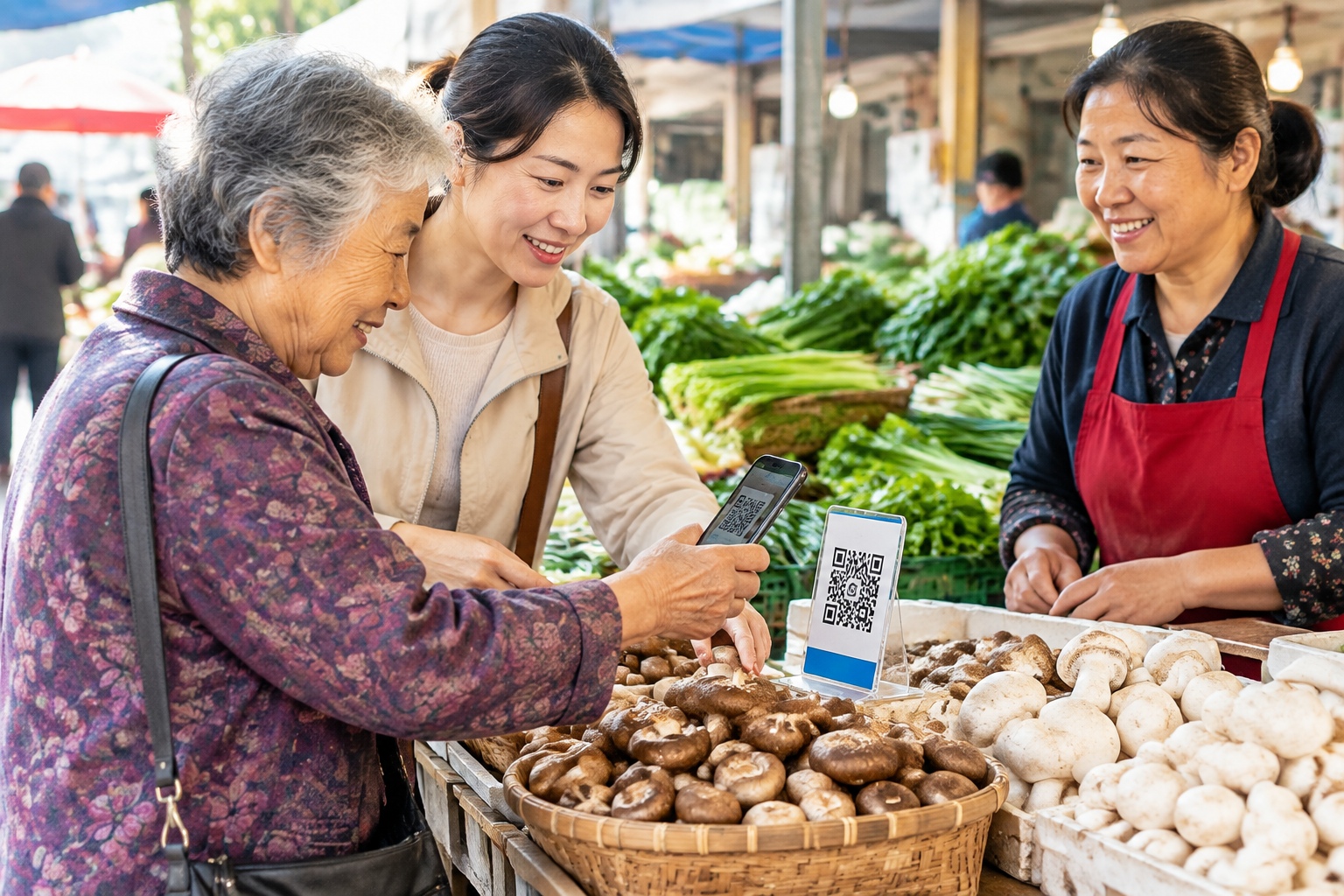
A Saturday morning in Chengdu’s high-tech zone is a useful place to watch China’s new consumer logic. Yu Tong, 28, is a product manager. She opens an instant-retail app to order fresh milk and greens for a 30-minute delivery. Then she trades a barely-used tent on a second-hand marketplace and books a long-weekend hiking trip. In the same flat, her 62-year-old mother is comparing a blood-pressure monitor on her phone, while her 80-year-old grandmother uses a QR code at the local market to buy mushrooms.
This is not generational coincidence. Every purchase here signals something different: a young professional’s search for experience and value, a middle-aged daughter’s concern for an aging parent, an elderly shopper’s quiet acceptance of digital payment. By 2027 China’s consumer class is no longer an undifferentiated mass rising together. It is a stack of age groups and income levels with different motivations and different habits. Foreign brands that treat them as one unified ‘Chinese market’ will misread the most important retail shift taking place in the world today.
Gen Z: Rational, Experience-First and Slightly Unpredictable
China’s Generation Z — roughly 250 million people born between 1995 and 2009 — will range from 18 to 32 in 2027, entering their peak earning and family-forming years. No other group matters more for consumer brands. Yet their buying style, shaped by slower growth, saturated digital channels and the success of domestic players, is a hard break from the past.
Young urbanites now talk about ‘quality-price ratio’ — a pragmatic calculation that blends price, durability, design and story. Before buying a 200-yuan backpack or a 5,000-yuan phone, they read reviews on Xiaohongshu, watch live-stream demonstrations on Douyin, and compare prices across platforms. The habit extends to second-hand goods: sales of pre-owned electronics and outdoor gear are surging, not because young people feel poor, but because buying used is seen as smarter and more sustainable.
Take Yu Tong as an example. She traded her old car lease for a domestic electric vehicle only after checking official crash-test scores and estimated maintenance costs. Her outdoor clothing order includes a repair kit that is designed to make a jacket last another two seasons. This is not down-market restraint; it is calculated choice. Gen Z consumers are perfectly happy to pay a premium when a product solves a very specific problem, protects their time, or lets them show off a healthy lifestyle.
Foreign brands should therefore stop assuming that origins alone convince. A European skincare line is welcome if its scientific claim is clear; a Japanese kitchen-tool brand can win on craftsmanship. But the same people will drop a famous label overnight if a local alternative offers better resale value, clearer service or a story that feels more about them.

The Silver Economy Grows Up: More than 320 Million Potential Customers
At the other end of the age pyramid, China is aging quickly. By 2027 the population aged 60 and above will be well over 320 million — roughly one in five citizens. Unlike in many Western markets, though, these older Chinese are not a national side-care audience. Local governments have already begun to treat ‘silver economy’ as an official growth category, from smart elderly-care beds to group travel.
The practical implication for brands is to understand that ‘older consumers’ is an umbrella term containing at least two distinct groups. Urban retirees with pensions and asset income are increasingly comfortable with smartphones, social commerce and proactive health spending. They buy ergonomic chairs, wearable blood-oxygen monitors, low-sugar snacks and home gym equipment that keeps them independent. Their adult children often pay for the pricier items, so brands need to persuade two generations at once.
In county towns and villages, older consumers are a very different story. Price matters far more, but they are not unfamiliar with digital retail. Many join community group-buying chats and order daily necessities through WeChat, often learning through a grandchild. For them, the winning products are affordable, simple and sold with clear after-sales service. Smart packaging with large text and effortless opening, or an IoT device that works after three taps, will capture this group much faster than campaigns that say ‘made for seniors.’

Lower-Tier Cities and Counties: The Real Battle for Growth
By 2027 China’s consumer map is not limited to Beijing, Shanghai and Shenzhen. Beneath the top-tier cities, more than 60 percent of the population lives in prefecture cities, county towns and rural districts. This is the much-discussed ‘lower-tier market’ — known in Chinese as xia chen shi chang — where e-commerce and instant logistics have created a parallel, fast-moving retail universe.
For years, a common caricature was that consumers in lower-tier cities just want cheap goods. In practice, they want fair prices for visible quality. Shopper in a Henan county can now watch a livestream selling premium cosmetics, order a bottle, and receive it in two days. Delivery is no longer the barrier; trust is. That trust is often built through local group leaders, short-video reviews in dialect, and small-format products that lower the first try.
Big domestic technology companies have responded with smaller packaging, dedicated regional warehouses and pricing that feels sensible next to local wages. International brands need to follow this logic. A famous German kitchenware maker may still be seen as high quality, but unless it offers a product that actually fits a local stir-fry pan and is priced within an accepted range, it will remain an occasional cause, not the daily stock. The opportunity is enormous, but entering lower-tier China requires localizing not just language but price, size and service expectations.
Health and Sustainability Become Default Settings
Ask Chinese consumers what changed their shopping lists after the pandemic, and the most common answer is health. The country’s already-large appetite for air purifiers, water purifiers, sugar-free drinks and functional foods has expanded. By 2027 health will not be a separate category; it will be an expected feature of thousands of everyday purchases, from baby food to shampoo.
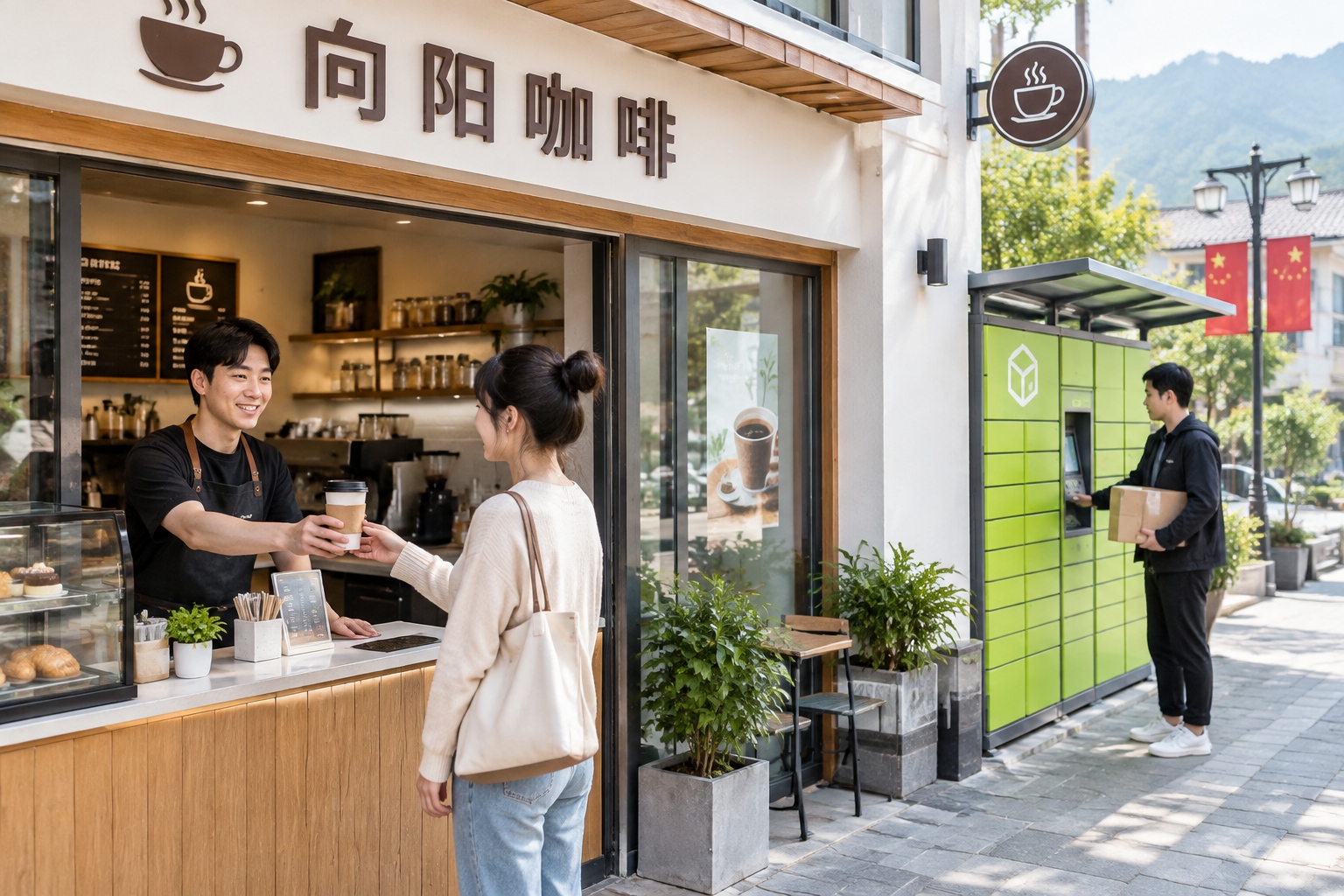
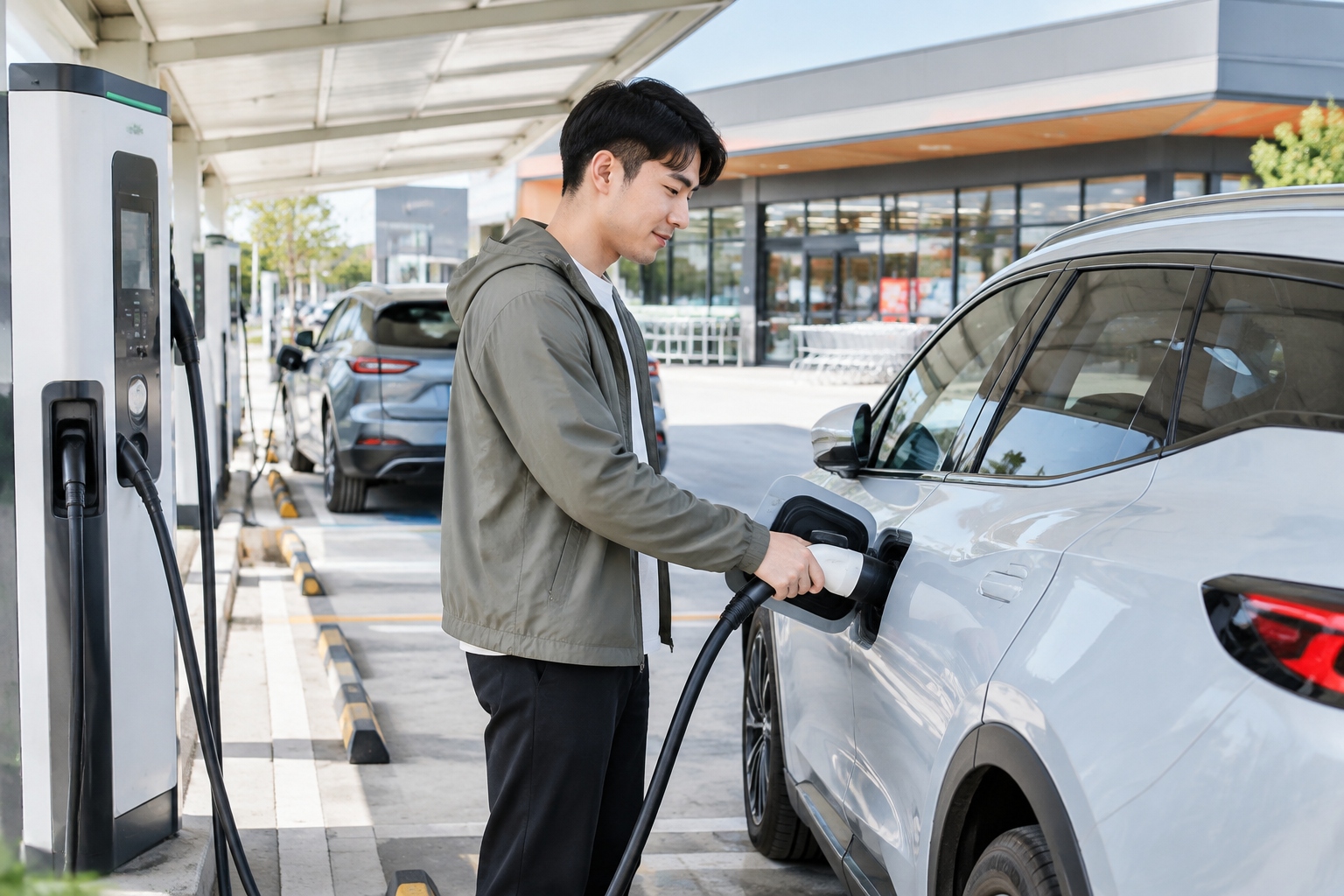
Climate-related pressure is following the same path. Electric vehicles passed 50 percent of new passenger-car sales in China in late 2024, years ahead of earlier expectations. Major e-commerce and food brands now promote recyclable packaging and carbon labels on a growing share of products. Renewable energy is no longer a niche import; it is embedded in local supply chains and manufacturing policy.
Still, sustainability is a subtle conversation in China. Most consumers do not choose a product only because it is greener; they choose it when the green version also works better, looks better or lasts longer. A reusable water bottle that smells and cracks will fail no matter how much plastic it saves. A foreign brand that wants to compete should make its standard option more sustainable rather than sell a ‘green premium’ version at an inflated price. Health claims need similar humility: clean formulas, accurate data and understandable labels will win over slogans.
Implications for Foreign Brands: Five Signals to Follow
There is no single playbook for selling to China’s consumer class in 2027, but the new patterns point to several practical rules.
1. Segment beyond ‘the Chinese consumer’
Gen Z, mature urbanites, county-town families and rural communities are different ecosystems. Build separate product assumptions, channel plans and communication styles for each, rather than shipping the same global campaign to a lower-tier agent.
2. Make the value calculation visible
Chinese consumers have become outstanding researchers. You have to show what a product costs over five years, provide recyclable design, open repair networks and honest stats. The brand that delivers a clear quality-price ratio, regardless of whether it is luxury or mass-market, earns the point.
3. Meet consumers inside China’s digital channels
China’s retail is app-led and community-led. A foreign brand should be discoverable on Xiaohongshu, Douyin, Taobao Live, WeChat and Pinduoduo at the right price tier. Sending consumers to a website is not enough; the conversation happens where the consumer already spends time.
4. Design for an aging population without calling it ‘elderly’
Accessibility is not a social-responsibility chapter; it is a mass-market advantage. Larger fonts, simpler remote controls, soft ergonomic materials and non-stigmatizing storage will deliver surprisingly broad appeal. If a product makes a 60-year-old feel comfortable, it will also fit many tired young workers.
5. Make health and sustainability the default, not a luxury add-on
Leading Chinese brands have already made low-sugar ingredients or recyclable materials the main SKU. Foreign brands should follow by integrating these features into the core range. If you wait to launch a special green edition, you will be one launch cycle behind.
By 2027 the Chinese consumer class will not be a single wave arriving at a single shore. It will be a set of local peaks, each with its own rhythm. The foreign companies that succeed are those that take the time to read those peaks, recalibrate their assumptions, and then show up with respect for the detail. China today is not simply a place where people buy more; it is a place where people buy differently.
Start the discussion at forum.chinacomes.com