
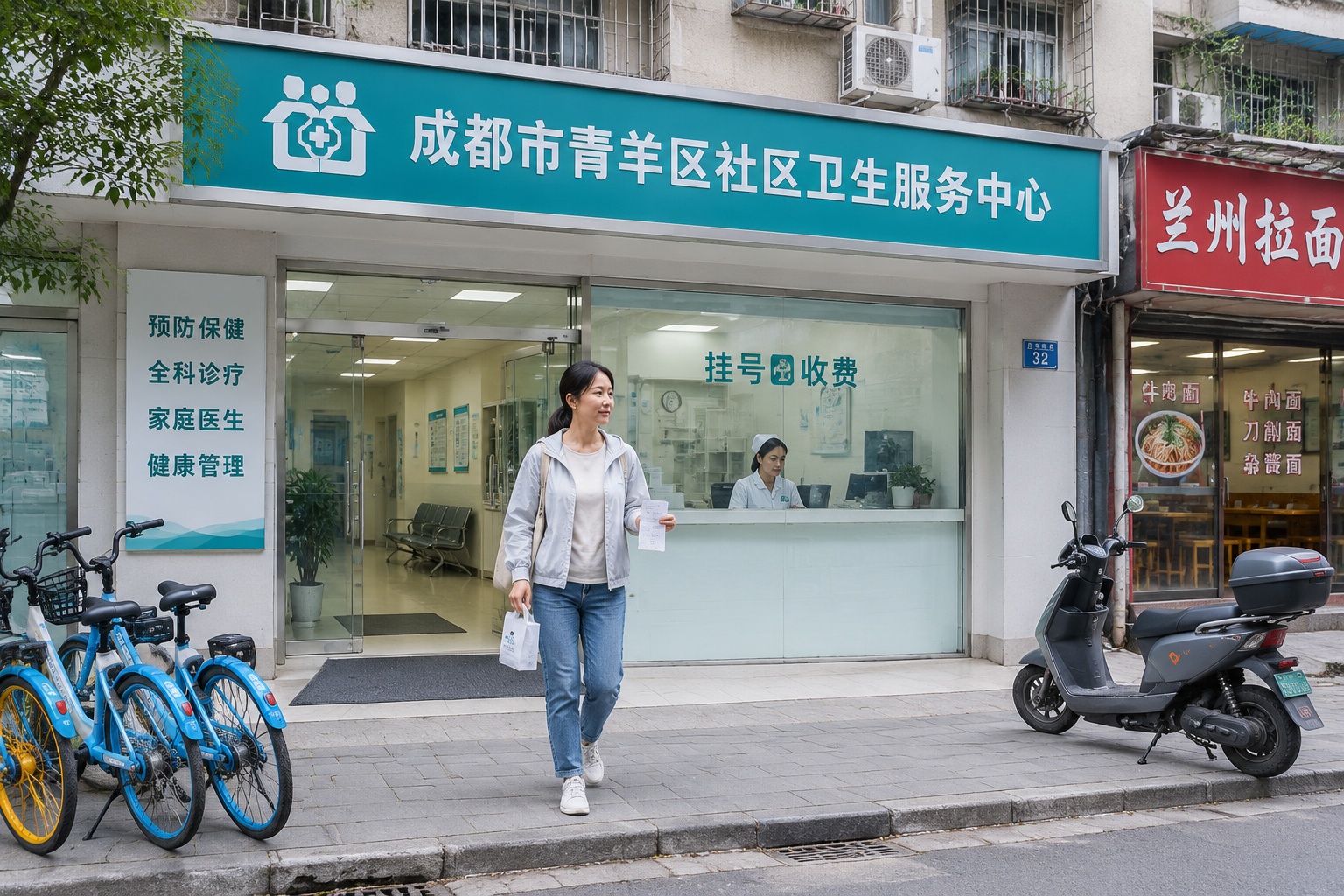

Nine-twenty on a Tuesday, no appointment
The clinic occupies the ground floor of a residential block in Chengdu’s Jinjiang district, squeezed between a noodle shop and a courier pickup point. I walked in at 9:20 on a Tuesday morning with a sore throat, a low fever and a headache that had been building for two days.
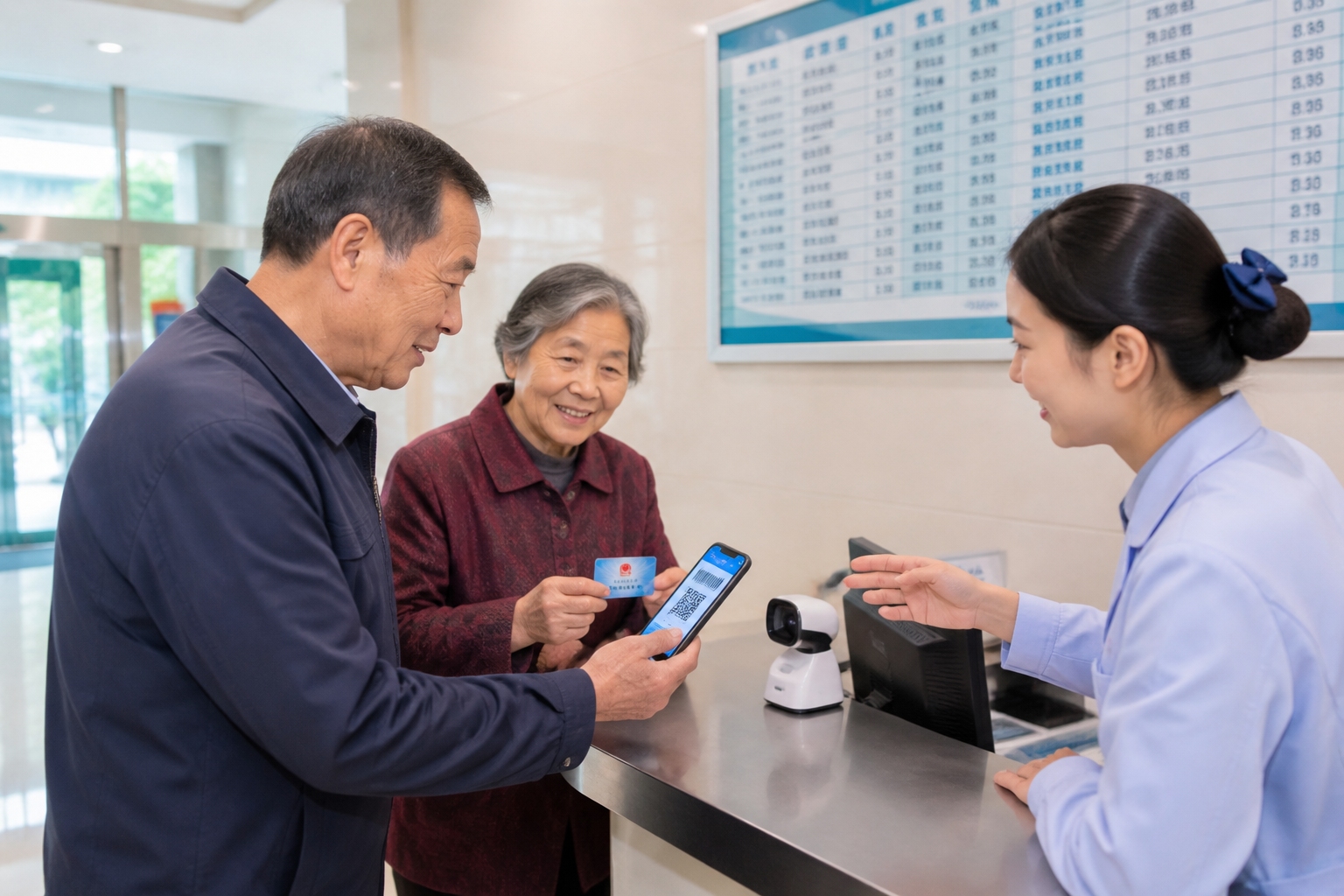
No appointment. No referral letter. Nothing to fill in beyond a name and a phone number typed into the registration desk’s computer.
At 10:01 I was back on the street with a paper bag of medicine and a printed receipt. The number at the bottom was 47 yuan, about $6.50.
I kept the receipt. Here it is, line by line, because that single number explains more about everyday life in China than most economic reports manage to.
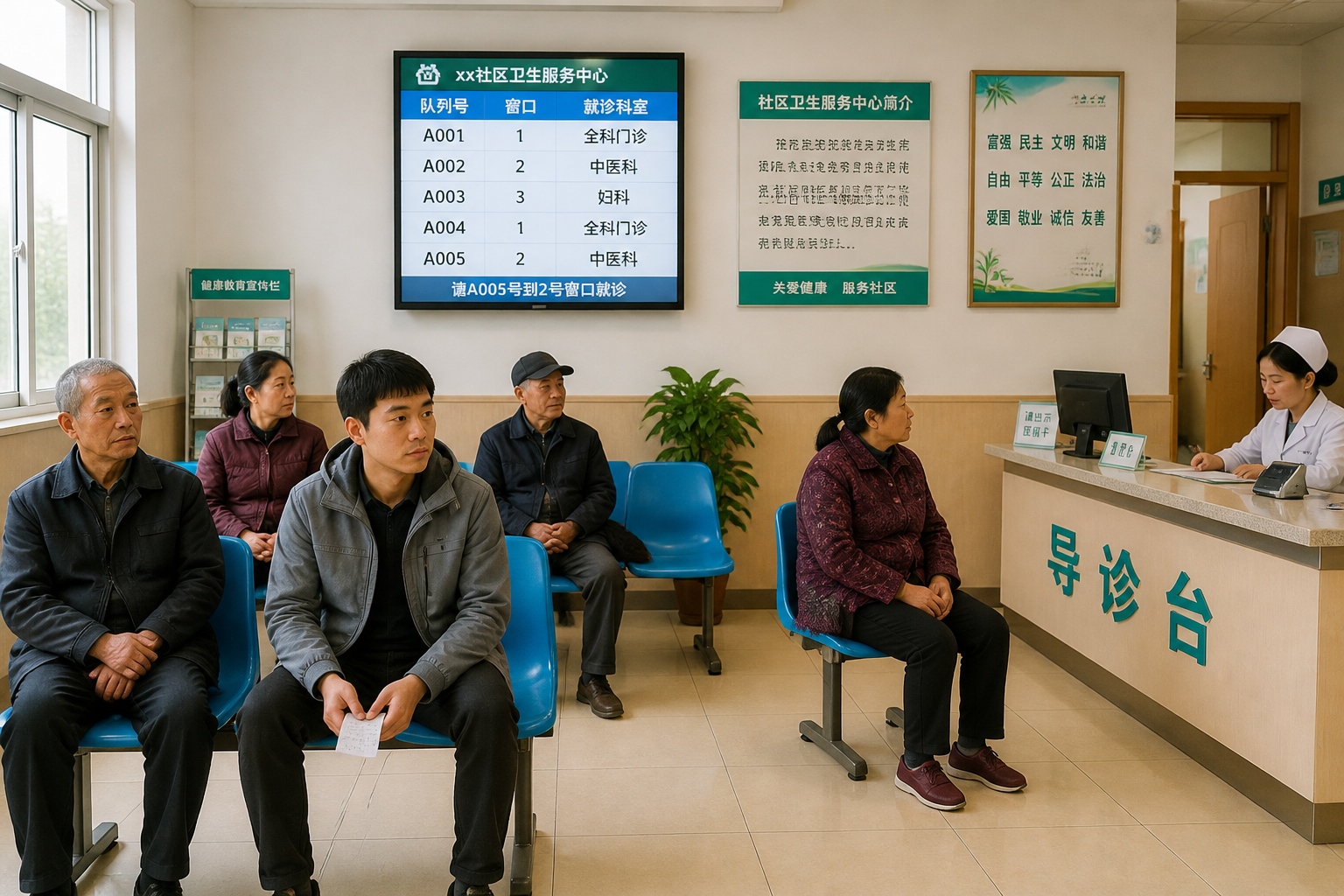
The itemized bill: 91 yuan charged, 47 yuan paid
| Item | Charged (yuan) | Insurance paid | I paid |
|---|---|---|---|
| Outpatient registration and consultation | 10.00 | 5.00 | 5.00 |
| Complete blood count (5-part) | 25.00 | 15.00 | 10.00 |
| Lianhua Qingwen capsules, 24 | 23.00 | 11.00 | 12.00 |
| Ibuprofen sustained-release capsules, 20 | 12.00 | 6.00 | 6.00 |
| Ambroxol oral solution | 21.00 | 7.00 | 14.00 |
| Total | 91.00 | 44.00 | 47.00 |
Three details in that table are worth slowing down for.
The 10-yuan consultation
Ten yuan — roughly $1.40 — is the standard registration and consultation fee for a general practitioner at a community health center in Chengdu. The same appointment at a top-tier hospital, known in China as a 三甲医院, costs 15 to 25 yuan for a general doctor and 50 to 100 yuan for a senior specialist, with a waiting room that can hold several hundred people by mid-morning.
The price gap is not an accident. Chinese health authorities have spent a decade pushing the idea of 分级诊疗, or tiered care: minor problems at the neighborhood clinic, complicated ones at the big hospital. The fee schedule is one of the tools doing that pushing.
The reimbursement ratio is not one number
It would be tidy to say my insurance covered 48 percent. That is not how it worked in practice.
China’s national reimbursement list, which runs to several thousand medicines, sorts drugs into Category A and Category B. Category A items go straight into the reimbursement formula. Category B items require the patient to pay a fixed share first — commonly 10 to 30 percent — and only the remainder is reimbursed. Anything outside the list is paid in full by the patient. On top of that, reimbursement rates rise or fall depending on your insurance type and the tier of the hospital you visit: community clinics reimburse more generously than tertiary hospitals, which is the opposite of how most patients intuitively expect pricing to work.
That is why the ratios in my bill do not line up neatly across rows. Each line follows its own rule, and the total is the sum of those rules rather than a single percentage.
Where the 47 yuan actually came from
The 47 yuan did not come off my bank card. It came out of my 医保个人账户 — a personal medical account that accumulates 2 percent of my monthly salary and can only be spent on healthcare. In effect, I paid it with money already earmarked for medical use.
Cash out of my pocket that morning: zero.
That account is also why the reform of China’s employee insurance system in 2023 caused such loud argument. The change moved part of the money that used to sit in individual accounts into a shared outpatient pool. For people who rarely see a doctor, the balance on their card visibly shrank. For people who see one often, the pool now pays for outpatient visits that used to be self-funded.
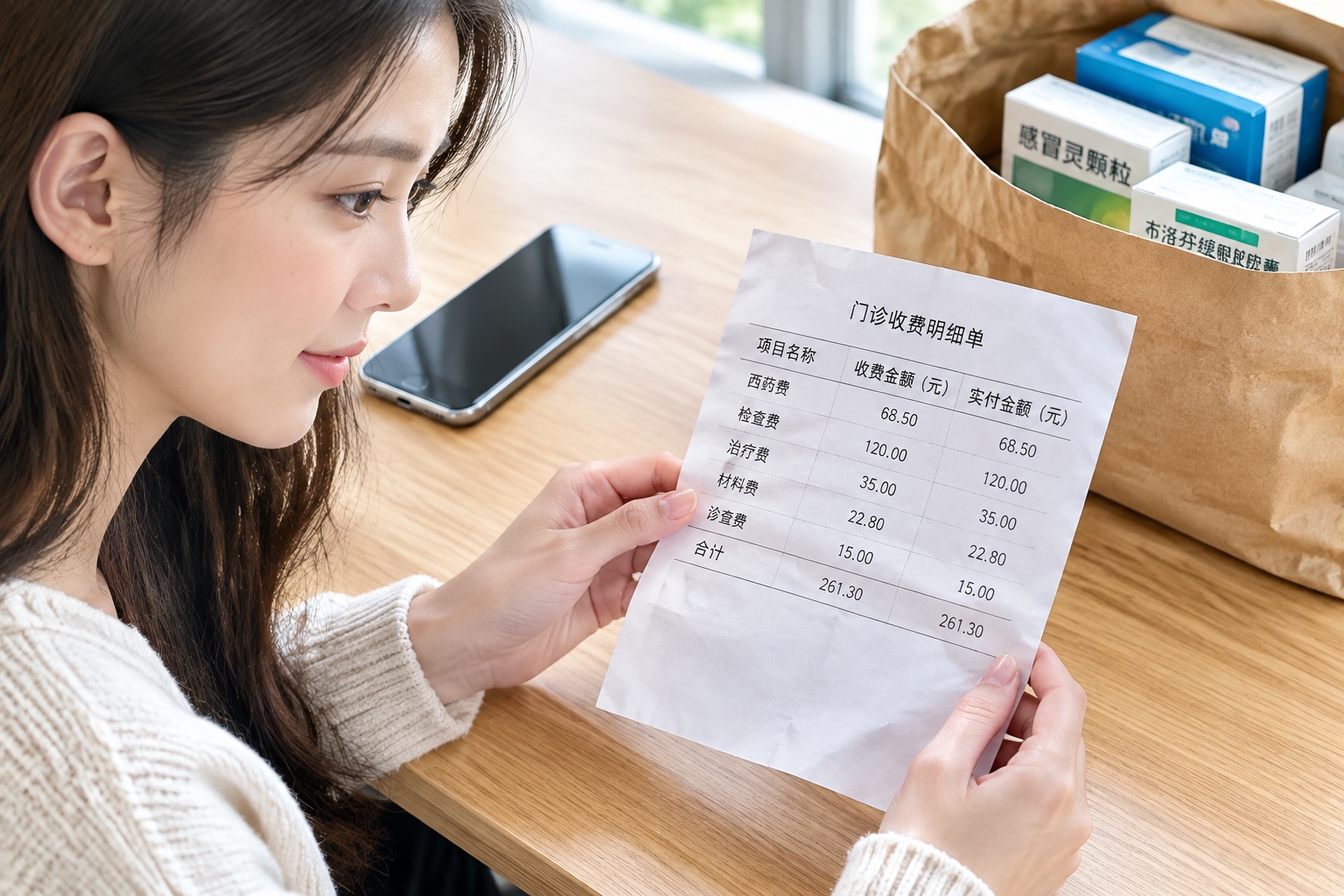
Why the neighborhood clinic is the whole story
What made the 47 yuan possible was not the doctor, the medicine or the computer system. It was proximity.
There are tens of thousands of community health centers (社区卫生服务中心) and township hospitals across China, and the policy goal is that most residents can reach one on foot. Mine is a four-minute walk from my apartment and opens at 8 a.m. It handles vaccinations, blood pressure checks, chronic disease follow-ups, prenatal checkups and ordinary colds. It has a small lab that runs a blood count in about fifteen minutes, and a pharmacy window that dispenses on the spot.
For a reader outside China, the closest comparison is a walk-in clinic attached to a neighborhood — except that it is not a private business. It is a public facility, staffed by salaried doctors, with prices set by a provincial catalogue rather than by demand.
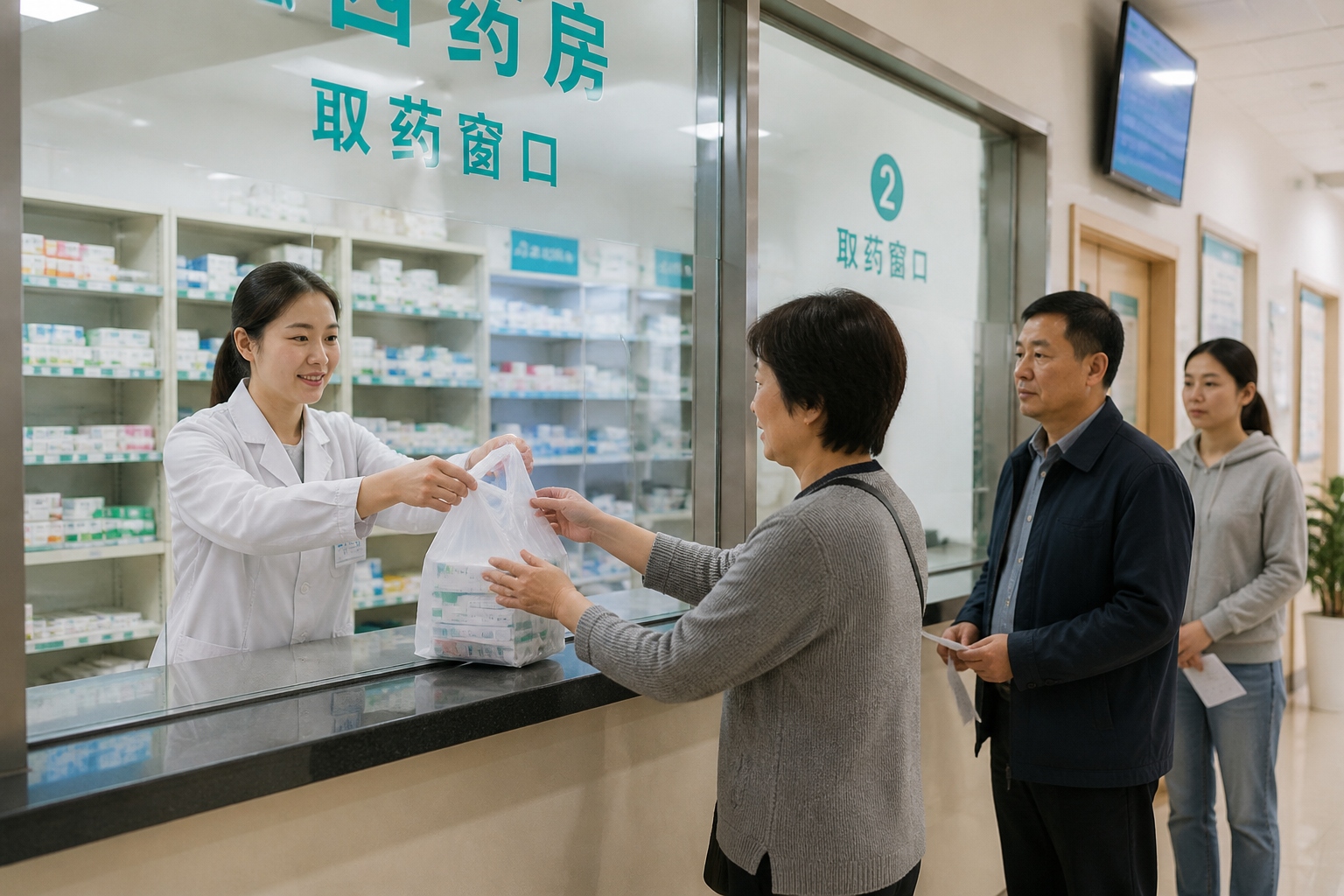
Cold medicine is cheap in China for a specific reason
The three medicines on my bill came to 56 yuan in total, about $7.80. That is close to retail price. Public hospitals in China stopped adding a markup to drugs in 2017 — the pharmacy is no longer a profit center — and since 2018 the government has run nine rounds of national bulk purchasing (集中带量采购), negotiating prices directly with manufacturers in exchange for guaranteed volume.
The result is that drugs people take regularly, from blood pressure pills to antibiotics to common cold medicine, often cost a fraction of what they cost in the United States. It also means some medicines are simply not stocked, because the negotiated price left the manufacturer no margin.
What the same visit costs elsewhere
Comparisons between health systems are treacherous, and this is not a claim about quality. But the raw numbers help.
In the United States, a walk-in clinic visit without insurance typically runs $100 to $200, and a rapid flu or strep test adds $30 to $100. With employer insurance, the copay is often $25 to $50, plus whatever the pharmacy counter charges. In England, an NHS appointment is free at the point of use, but each prescribed item carries a fixed charge of about £9.90, so three medicines would cost roughly £30, or about $38. In Germany, statutory insurance typically asks for a €5 to €10 copay per prescription.
My receipt was 47 yuan: roughly $6.50 for the consultation, the blood test and three medicines combined.
What a 47-yuan bill does not tell you
It would be easy to read that receipt as a verdict on Chinese healthcare. It is not one, for at least four reasons.
The first is tier. The same cold at a top-tier hospital in Chengdu — the kind patients travel across the province to reach — would have cost me somewhere between 150 and 250 yuan out of pocket, because registration fees are higher, doctors order more tests and reimbursement rates are lower. Many people choose that route anyway, because they trust the big hospital more.
The second is insurance type. My plan is 职工医保, the employee scheme, funded by roughly 2 percent of salary from the worker and around 8 percent from the employer. Roughly a billion people in China are on the other scheme, 城乡居民医保, which costs about 400 yuan a year per person, with a government subsidy of roughly 670 yuan. It covers less, reimburses at lower rates and leaves more of a hospital bill with the patient.
The third is severity. A cold is a cheap illness. A cancer diagnosis is not. Imported oncology drugs, treatments that never made it onto the national list, and long hospital stays can still produce bills that wipe out years of savings. That is why more than a hundred Chinese cities now sell 惠民保, a municipal top-up policy costing around 100 to 200 yuan a year that only kicks in above a deductible — a quiet admission that basic insurance has limits.
The fourth is time. Cheap does not always mean fast. Booking a senior specialist at a major Chengdu hospital can take weeks. Emergency departments in big cities are crowded. The 41 minutes I spent at my neighborhood clinic exist because the problem was small and the clinic was quiet.
Keep the receipt
Nothing about that Tuesday morning felt remarkable. A sore throat, a blood test, three boxes of medicine, a walk home past the noodle shop.
But the receipt is a useful object. It records what one specific visit, at one specific clinic, on one specific insurance plan, in one specific city, actually cost. Anyone trying to understand the cost of living in China — or the state of its healthcare system — is better served by that piece of paper than by another round of generalities.
Forty-seven yuan. Forty-one minutes. Both numbers are real.
Start the discussion at forum.chinacomes.com