
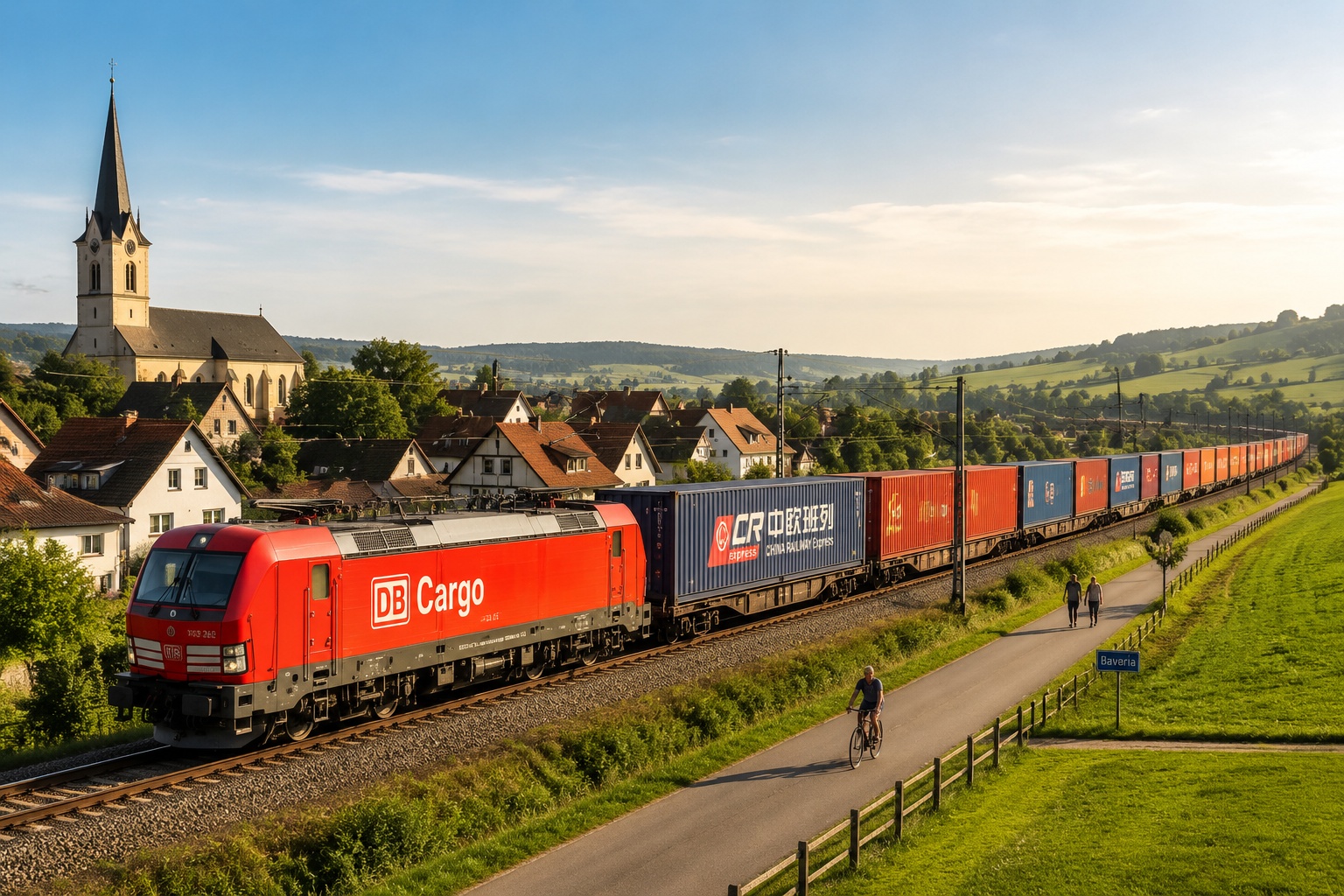

When Stefan tells people he’s a train driver, the first question is usually: “What’s it like to drive a train from China to Germany?” The truth, he laughs, is that no single driver goes the whole way. But Stefan, a locomotive engineer with Germany’s DB Cargo for over 20 years, drives the final European leg of many China-Europe freight trains. His cab is the last stop of a journey that begins somewhere like Chongqing or Xi’an and crosses nine countries before reaching his hands.
A Driver Who Never Sees the Whole Route
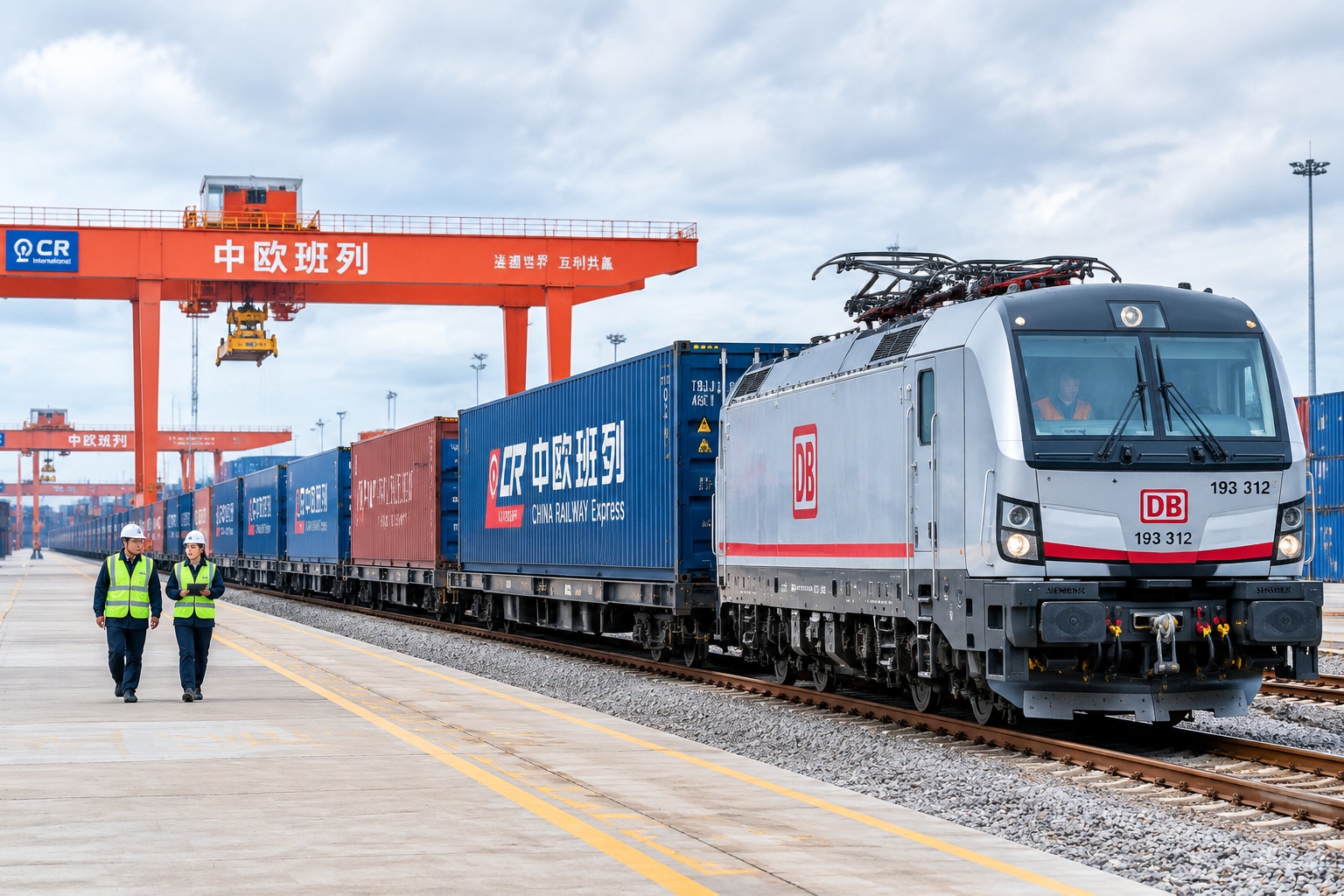
Stefan works out of a depot in eastern Germany, not far from the Polish border. On a typical day, he takes over a train at the Malaszewicze border crossing in Poland—the busiest rail gateway for China-Europe trade—and drives it westward into Germany, sometimes all the way to Duisburg or Hamburg. “I never see the start,” he says. “I just get a long line of containers. But I know where they came from.”
Inside the Cabin: Heavy, Long, and More Tech Than You’d Think
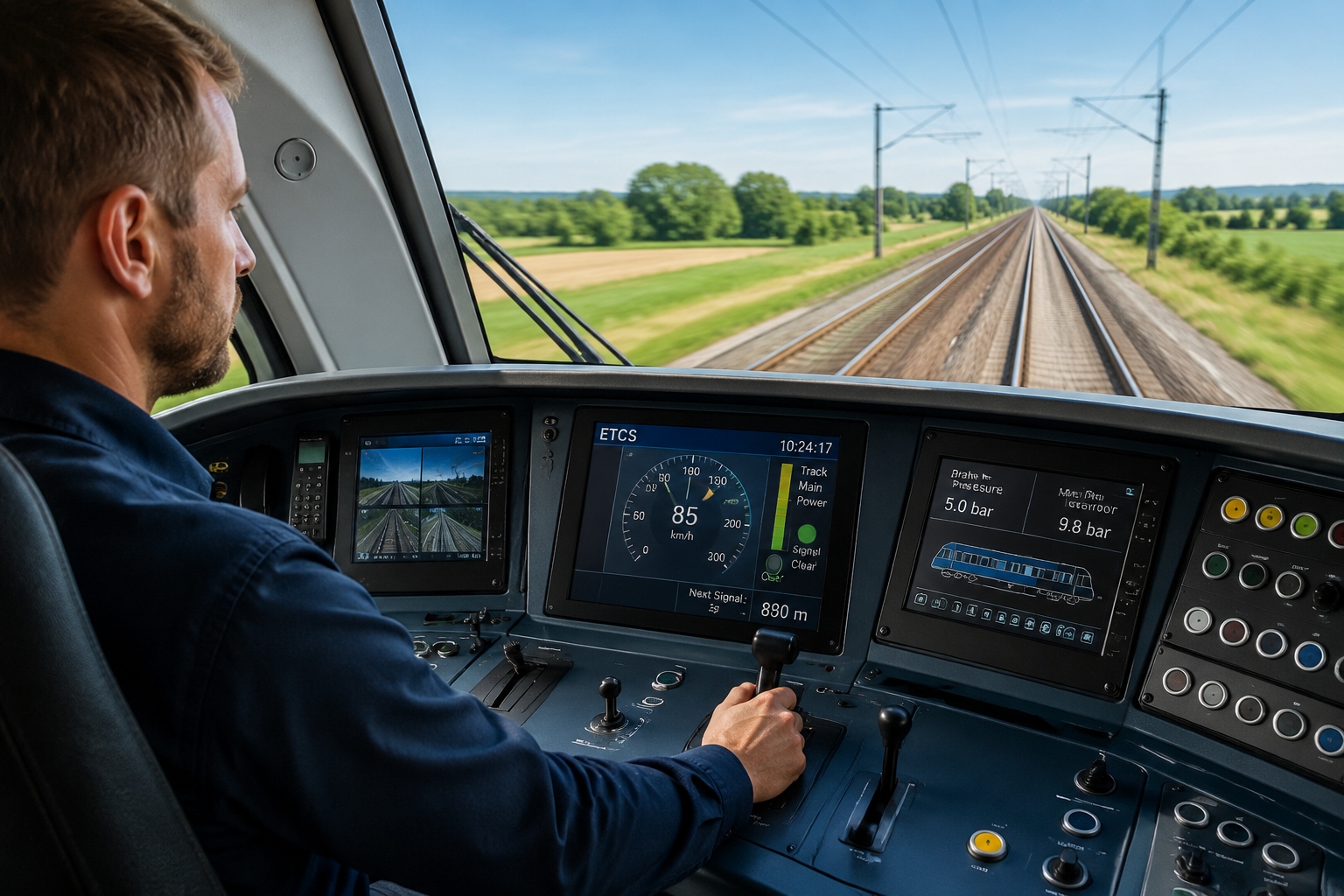
Climbing into the cab of a freight locomotive isn’t like starting a truck. “The first thing you notice is the length,” Stefan explains. “A China-Europe train can be over a kilometer long. The weight is enormous. You feel it in the brakes, you feel it in the acceleration.” Modern European corridors are equipped with ETCS—a digital signal system that displays speed limits and track conditions directly on a screen in the cab. That helps, but the sheer size still requires extra care when passing points or crossing signals. “Patience is not just a virtue, it’s a survival skill,” he says.
Border Rituals and Cross-Border Cooperation
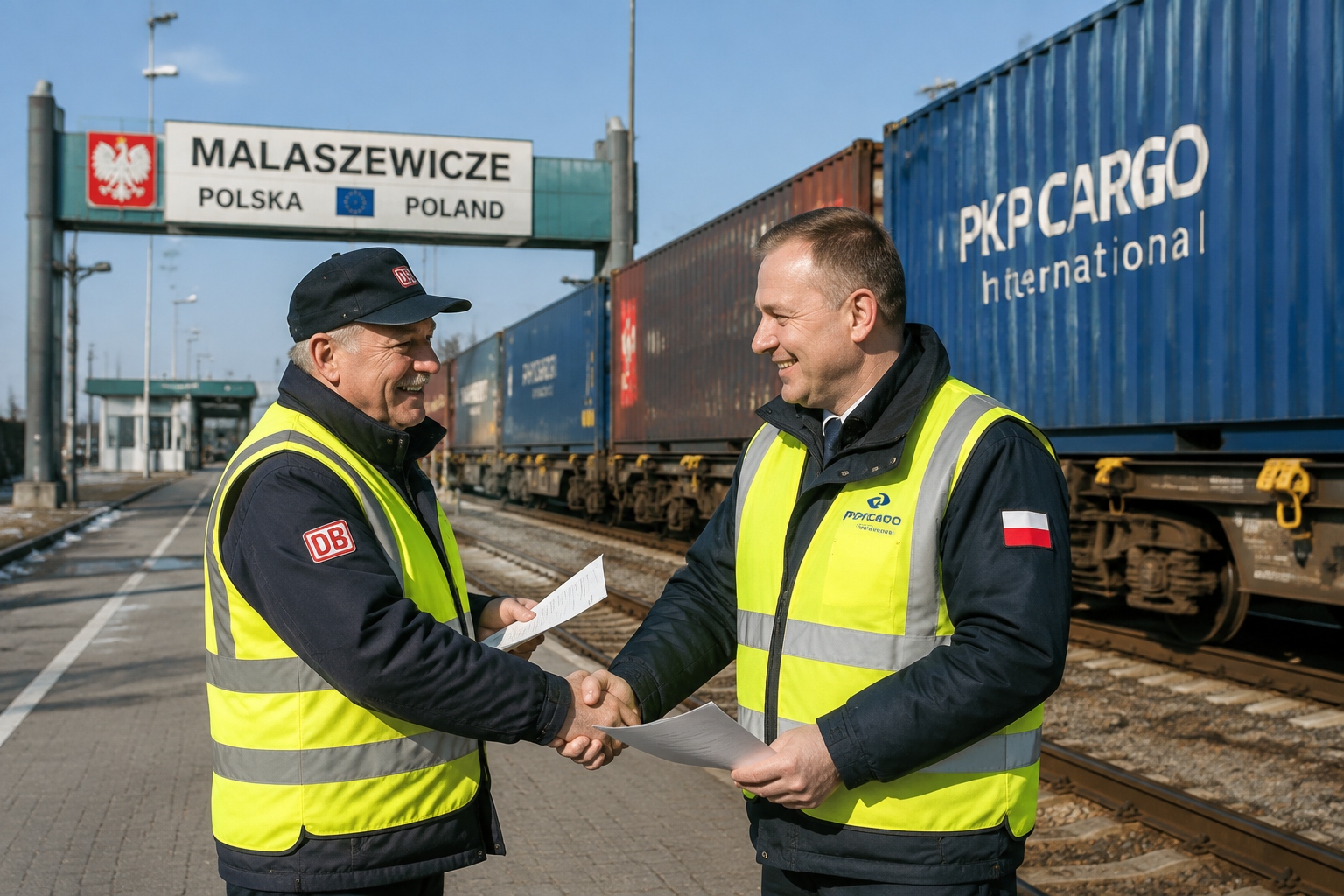
Every handover at Malaszewicze follows a familiar pattern. “I meet my Polish colleague, review the documents, and walk the train together,” Stefan says. The walk takes about forty minutes—checking brakes, couplings, and load securement. “It’s easy to feel alone on the rail, but you’re part of a chain. The Chinese driver brought it to the border, the Kazakh driver took it through the steppe, the Russian driver dealt with the cold. I only handle my part.” He adds with a smile: “And we always share a coffee from the vending machine. That’s not in the rulebook, but it makes the job human.”
The Cargo Is Changing — So Is the Trade
Stefan has noticed a shift in what he pulls. “Ten years ago, it was mostly electronics, clothes, little boxes. Now I see machinery, car parts, furniture, even fresh food in reefer containers.” The trains are more regular, too. “In the past, we might have one or two a week. Now it’s daily. The containers look better maintained, and the paperwork is smoother.” He attributes some of that to China’s investment in rail infrastructure and the growing professionalism of operators like China Railway Express.
What a Driver Thinks About at 80 km/h
There is a lot of empty time in the cab. “You watch the signals, the speed, the horizon,” Stefan says. “But if the track is straight, your mind can wander a little.” He reflects on the scale of the journey. “The container behind me might have started in Xi’an. It passed through Kazakhstan, Russia, Belarus, Poland, and now it’s crossing Germany. I’m just one small part, but I’m the part that brings it home.” That sense of connection keeps the job meaningful, even on gray winter mornings.
Practical Advice from a Pro
For readers who want to understand this world better, Stefan offers a few tips:
Watch for the trains at border bridges
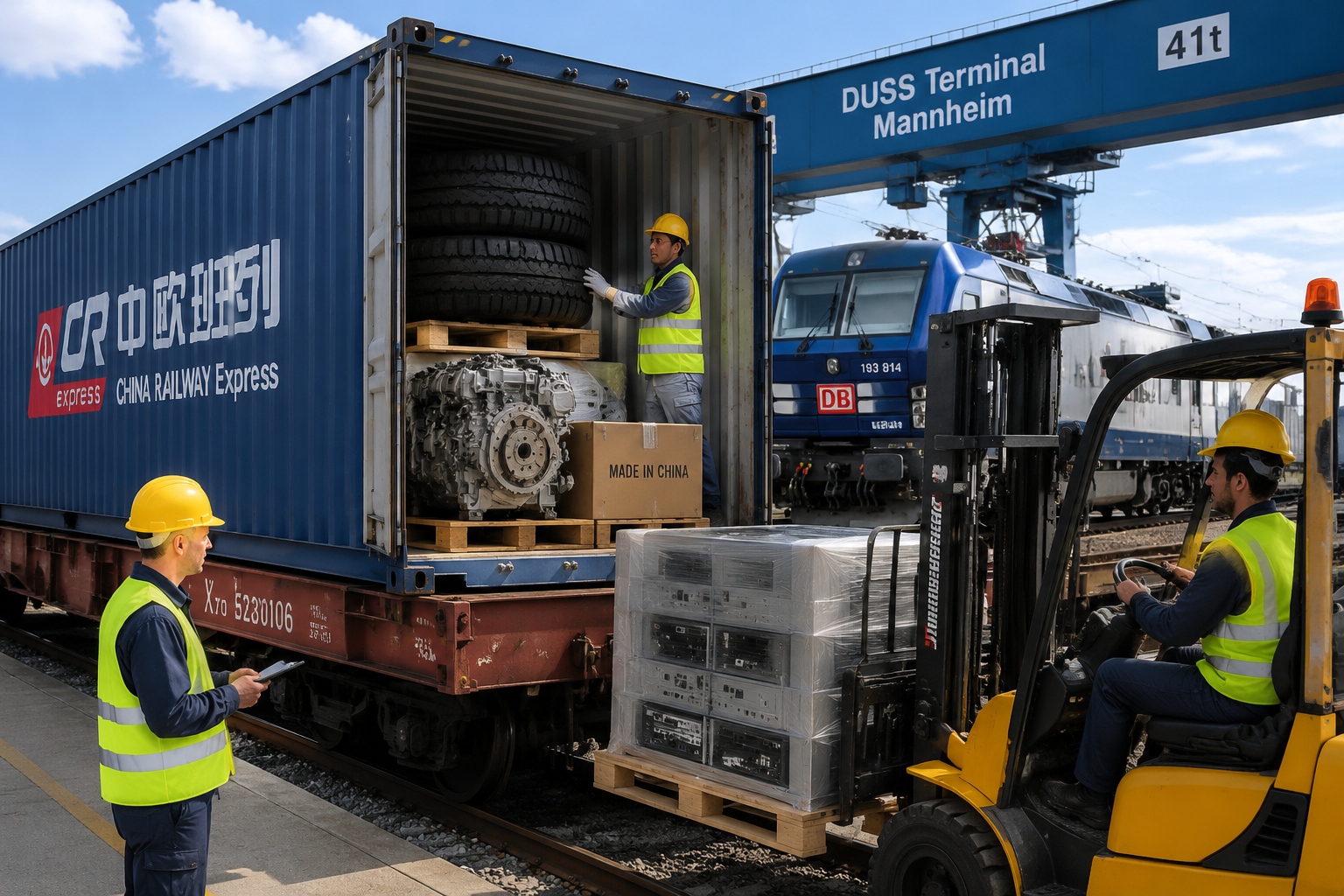
In eastern Germany or western Poland, you can spot long China-Europe trains at places like Frankfurt (Oder) or Malaszewicze. They’re hard to miss—BRB containers with Chinese characters are common.
Visit the rail ports in Duisburg or Hamburg
These are the endpoints of many China-Europe routes. You can see rows of containers unloaded from trains and transferred to trucks—it’s the physical meeting point of two economies.
If you’re a rail enthusiast, learn the ETCS basics
Understanding digital signaling helps you appreciate the driver’s job. Stefan recommends checking out simulator videos online. “But nothing beats sitting in a real cab,” he laughs.
The Human Side of a Global Story
Stefan doesn’t see himself as a hero of globalization. He’s just a guy doing a job—but it’s a job that quietly keeps shelves stocked, factories running, and people connected. “When I finish my shift, I often think about the person who packed that box. I’ll never meet them. But I’m glad I got it this far.”
Start the discussion at forum.chinacomes.com