

A kindergarten pickup in Hangzhou
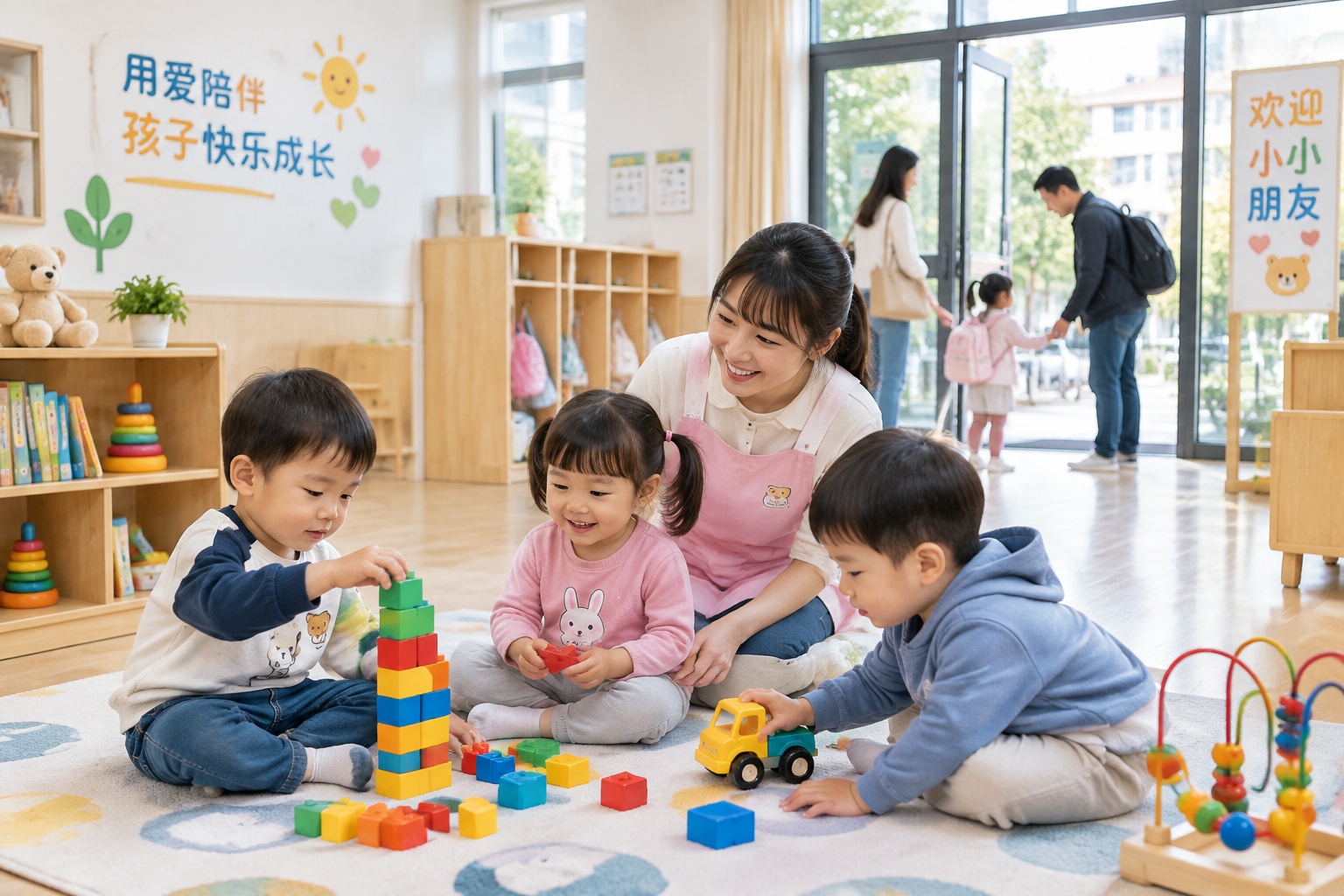
It is 4:30 p.m. outside a public kindergarten in Hangzhou, and a small crowd of parents and grandparents waits by the gate. Among them is 34-year-old Chen Lu, who is picking up her second child, a 4-year-old boy. Her daughter, 8, is already at an after-school math class. When asked if she would consider a third child, she laughs, not unkindly. ‘Two is already a stretch,’ she says. ‘Three? I would need a bigger apartment, a second car, and a nanny. That is not happening.’
Chen’s reaction is not unusual. In May 2021, China announced it would allow all couples to have up to three children, ending a series of restrictions that began with the one-child policy in 1979. The move was presented as a response to a demographic crisis: the country’s birth rate had been falling for years, and the population was aging fast. But two years on, the numbers suggest the policy has not sparked a baby boom. If anything, the decline has continued.
From one child to three: a short history
China’s one-child policy was introduced in 1979 and formally ended in 2015. For more than three decades, most urban couples were limited to one child, with exceptions for rural families, ethnic minorities, and some others. The policy was enforced through fines, pressure from work units, and in some cases, forced sterilizations and abortions. It shaped a generation of only children, often called the ‘little emperors,’ and created the 4-2-1 family structure: one child supporting two parents and four grandparents.
By the 2010s, the government recognized the demographic threat. In 2013, it allowed couples to have two children if either parent was an only child. In 2016, it expanded that to all couples. Births spiked briefly—17.86 million in 2016, the highest since 2000—but then fell steadily. In 2021, the three-child policy was announced. The same year, China’s population grew by just 480,000, the lowest increase since the 1960s. In 2022, the population shrank for the first time in decades. In 2023, it fell again, by 2.08 million, with 9.02 million births.
What the data says about fertility intentions
The policy change did not come with a surge in births. According to China’s National Bureau of Statistics, the number of newborns dropped from 17.86 million in 2016 to 12.02 million in 2020, 10.62 million in 2021, 9.56 million in 2022, and 9.02 million in 2023. The total fertility rate—the average number of children a woman has in her lifetime—fell to around 1.09 in 2022, well below the replacement level of 2.1.
Surveys consistently show that most families do not want three children. A 2021 survey by the National Health Commission found that 74.6% of women of childbearing age said they wanted only one or two children. Another survey by the China Population Association put the share of those wanting three children at under 10%. Even among those who want more children, many say they cannot afford them. The gap between intention and action is wide.

The real barriers: housing, education, and work
Why is the three-child policy not working? The answer lies in the daily economics of raising a child in China. A 2022 report by YuWa Population Research found that the average cost of raising a child to age 18 in China is 485,000 yuan (about $67,000), or 6.9 times the country’s GDP per capita. That ratio is higher than in the United States (5.3), Japan (4.3), or Germany (3.5). In Beijing and Shanghai, the cost exceeds 1 million yuan.
Housing is the biggest single expense. In major cities, a three-bedroom apartment can cost 5 million yuan or more. For a family with two children in a two-bedroom flat, a third child means moving—a financial leap that few are willing to make. Education adds another layer. Even after the 2021 ‘double reduction’ policy curbed after-school tutoring, parents still spend heavily on kindergartens, private schools, and extracurricular activities. A 2023 survey by the Shanghai Academy of Social Sciences found that urban families spend about 20% of their income on education.
Workplace pressure is equally important. China’s tech and finance industries are known for long hours, often called ‘996’—9 a.m. to 9 p.m., six days a week. For women, pregnancy can mean lost promotions or even dismissal, despite legal protections. A 2022 report by the All-China Women’s Federation found that 40% of women said they had experienced discrimination during job interviews because of their marital or childbearing status. Many couples also lack affordable childcare for children under three. Public nurseries are scarce, and private ones are expensive.
A family’s calculation
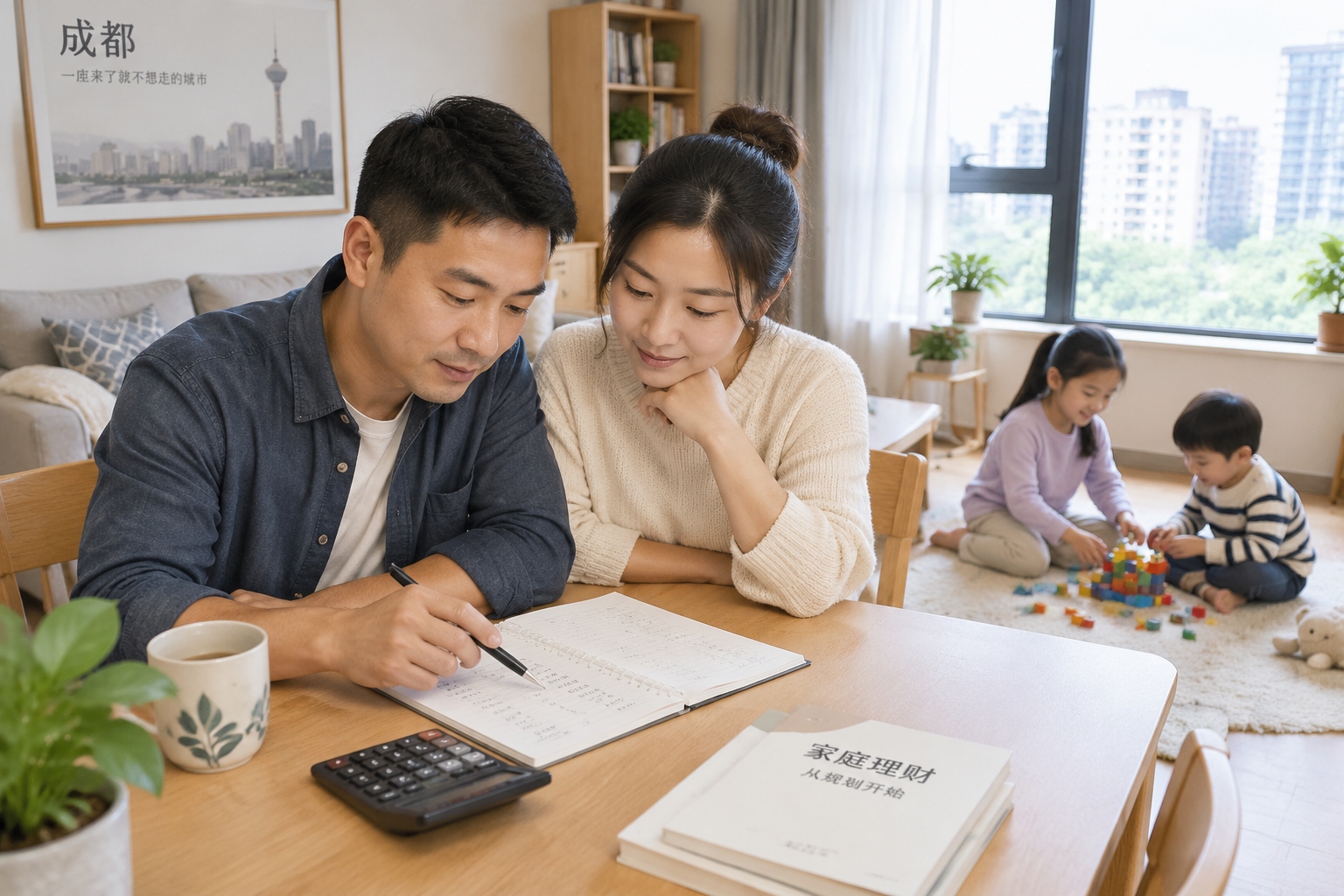
Li Wei and Zhang Min, both 35, live in Chengdu, a city of 21 million in southwest China. They have a daughter, 8, and a son, 4. When the three-child policy was announced, they talked about having another child. ‘We even joked about it,’ Li says. ‘But then we did the math.’
Their apartment is 89 square meters, with two bedrooms. A third child would mean a larger place. In their neighborhood, a three-bedroom apartment costs about 2.5 million yuan. They would need a down payment of 750,000 yuan, plus a mortgage that would double their current monthly payment. ‘We could sell our flat, but we would still be short,’ Li says. ‘And we would lose the good school district.’
Then there are the daily costs. Their son attends a private kindergarten that costs 3,000 yuan a month. Their daughter has piano lessons and English classes, another 2,000 yuan. Li’s mother helps with childcare, but she is 68 and has health issues. Zhang works for a private company; she worries that a third pregnancy would hurt her career. ‘My boss already hinted that I should focus on my current projects,’ she says. ‘I do not want to risk it.’
The couple decided not to have a third child. They are not alone. In Chengdu, as in most Chinese cities, the number of families with three children remains tiny. A 2023 survey by the Chengdu Health Commission found that only 3.2% of respondents planned to have three children.
What the government is trying
Beijing has recognized that policy alone is not enough. In recent years, local governments have rolled out incentives: cash bonuses for third children (ranging from 10,000 to 30,000 yuan in some cities), extended maternity leave (up to 158 days in many provinces), paternity leave (15 to 30 days), and tax deductions for childcare (2,000 yuan per child per month). Some cities are building more affordable childcare centers and offering subsidies for rent.
But these measures are small compared to the costs. A 30,000 yuan bonus is less than one year of kindergarten fees in a major city. Extended maternity leave can backfire: employers may become more reluctant to hire young women. And many incentives are funded by local governments, which are already under financial strain from slowing land sales.
The future: from population control to family support
China’s demographic challenge is not unique. Japan, South Korea, Singapore, and many European countries have tried similar incentives with limited success. Fertility rates tend to fall as countries urbanize and women become more educated. But China’s situation is more urgent because of its size and the speed of its aging. By 2035, more than 30% of the population will be over 60.
What would actually help? Experts point to three areas: affordable housing, especially for young families; a better balance between work and family, including flexible hours and affordable childcare; and stronger support for women in the workplace, such as anti-discrimination enforcement and shared parental leave. None of these are quick fixes. They require sustained public investment and cultural change.
The three-child policy is not a failure in the sense that it was never going to work on its own. It is a signal that the era of population control is over. The next era—one of family support—is just beginning. For families like Li and Zhang, the decision to have a child is not about policy. It is about whether they can afford a bigger home, a good school, and the time to raise a child without sacrificing their careers. Until those pieces fall into place, the birth rate is unlikely to rebound.
Back in Hangzhou, Chen Lu watches her son run toward her. She says she is happy with two children. ‘Maybe if things were different,’ she says. ‘But this is the life we have.’
Start the discussion at forum.chinacomes.com