

The Myth of Silence
If you ask most people abroad what they associate with Jiangsu province, the answer is often serene. They picture the classical gardens of Suzhou or the misty waters of Hangzhou—places of quiet contemplation and rigid tradition.
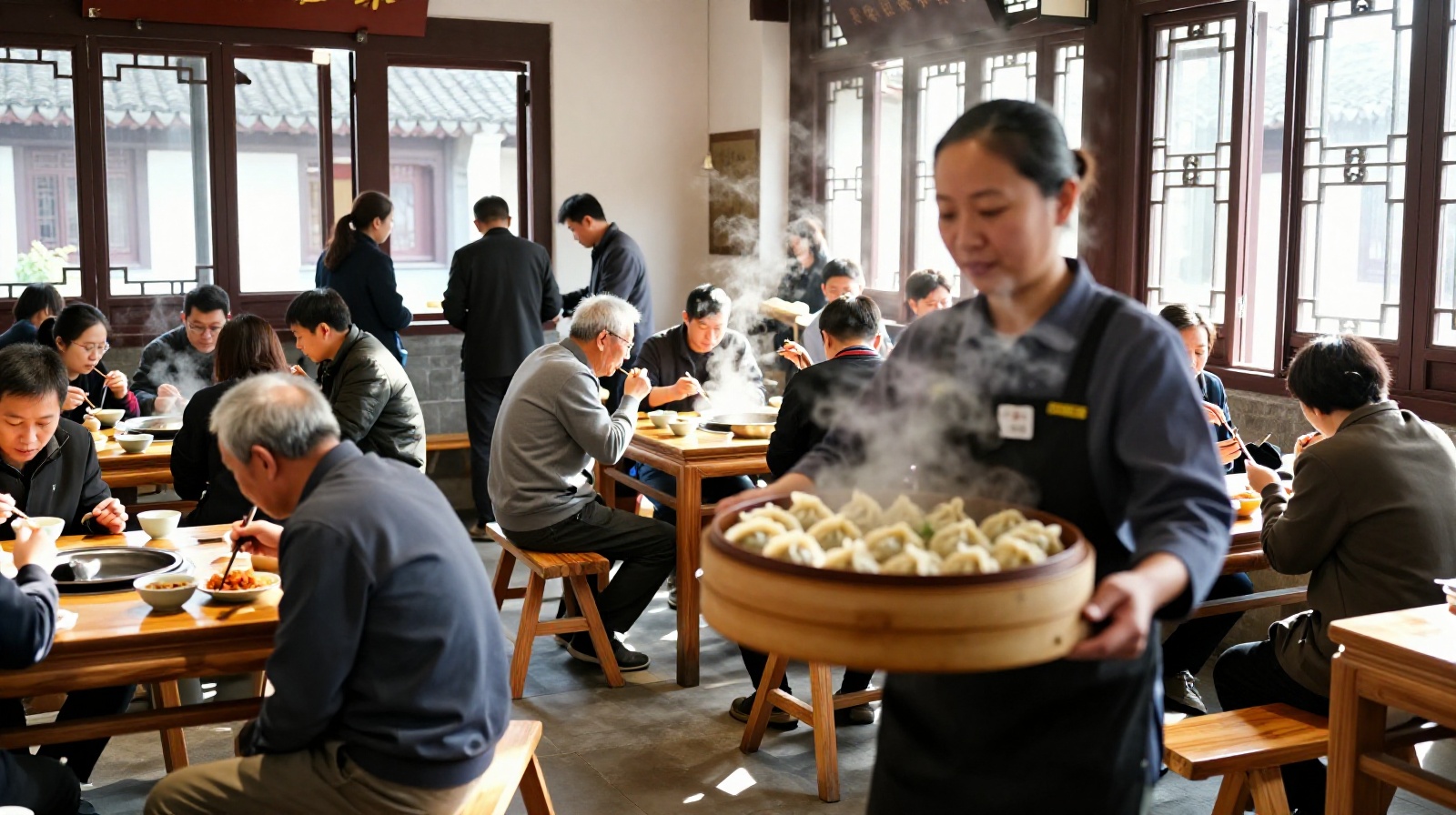
But visit Yangzhou on a weekday morning around 7:30 AM, and that image shatters immediately. You won’t find silence. Instead, you’ll hear a cacophony of clinking porcelain, shouting waiters, and the low hum of hundreds of conversations. This is not a museum exhibit; it is a living, breathing pulse of the city.
What Is Zao Cha, Really?
To an outsider, “morning tea” (Zao Cha) might sound like a lazy British habit. But in Yangzhou, it is a social institution deeper than any coffee shop culture in the West. It’s not just about eating; it’s about community.
Historically dating back to the Qing Dynasty, Zao Cha was originally the domain of literati and merchants who needed a place to conduct business or discuss politics over dumplings. Today, it has democratized. You’ll find retired grandfathers in tank tops reading newspapers, young professionals checking emails on their phones, and tourists trying to navigate chopsticks for the first time—all sharing the same long wooden tables.
Inside the Steam: The Yechun Experience
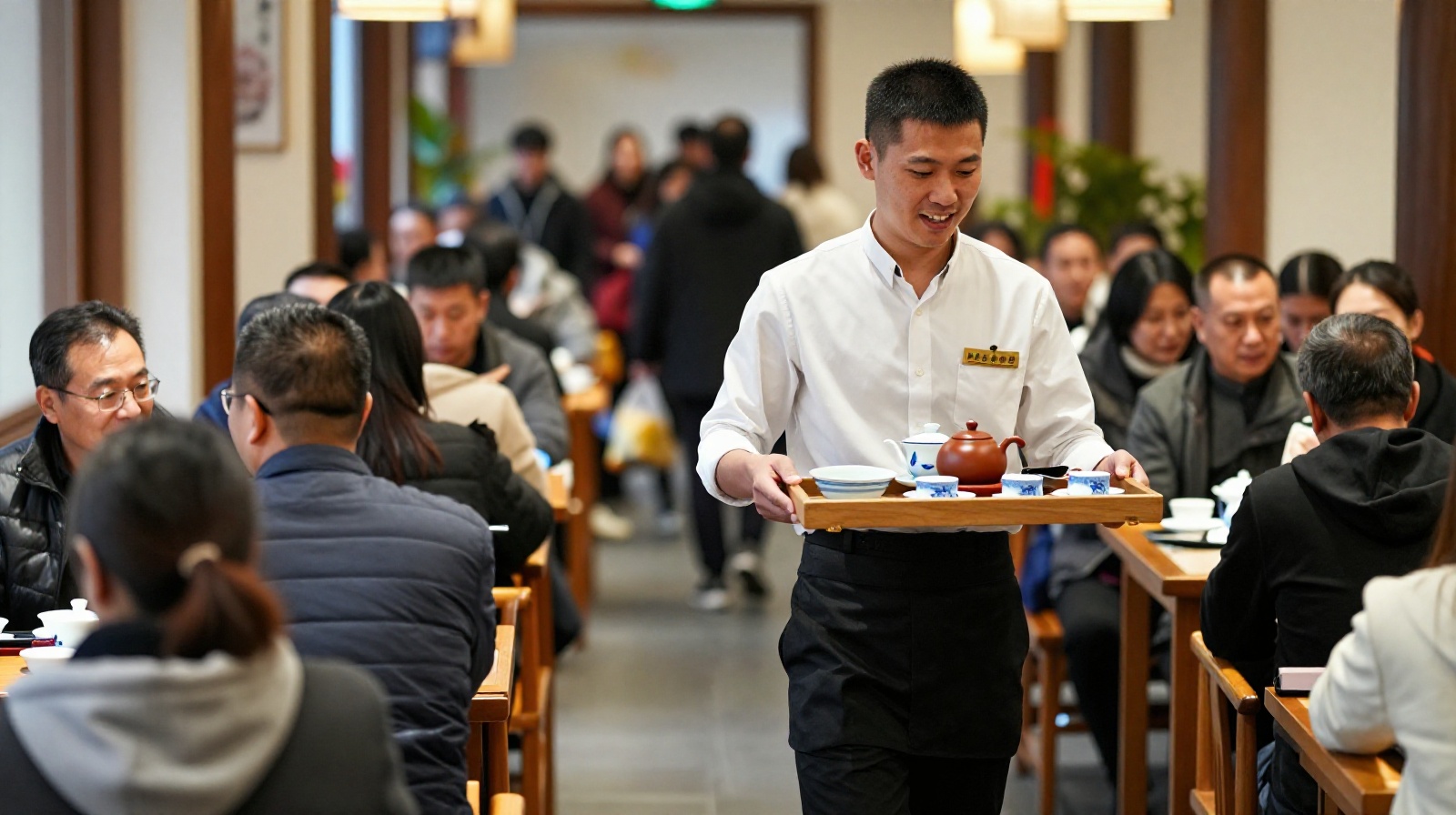
I visited Yechun Teahouse, one of Yangzhou’s most famous spots. The scene was chaotic but organized. Waiters carried towering bamboo trays with both hands, balancing steaming baskets like acrobats. They knew their regulars by heart, greeting them before they even sat down.
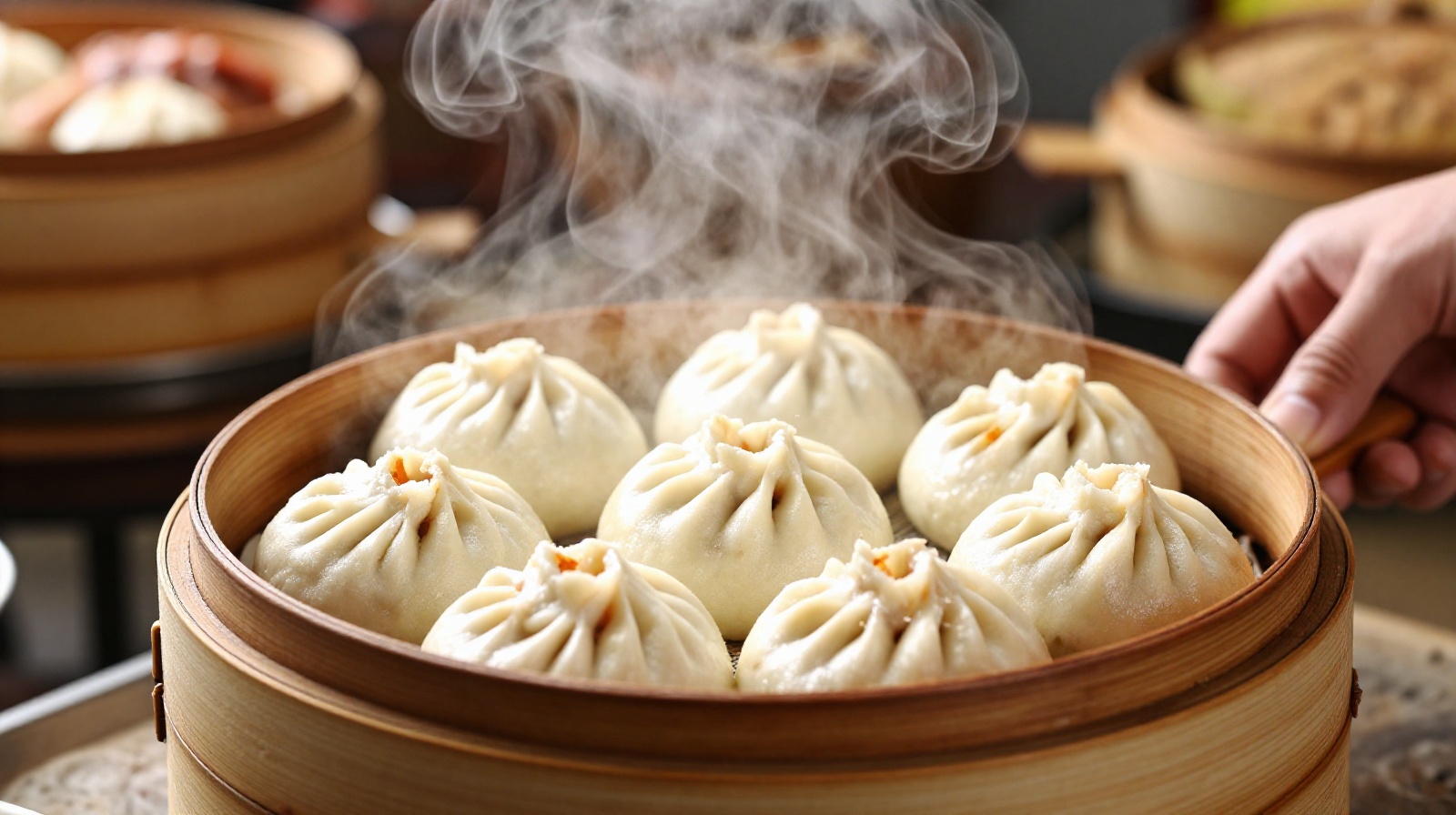
The food tells the story of Jiangsu cuisine: delicate, precise, and surprisingly complex. The star is the Yangzhou Baozi (steamed buns). Unlike the dense dough of northern Chinese mantou, these are airy clouds with thin skins. Inside, a single bite reveals savory pork, sweet shrimp, or even lotus root. But the real magic is in the dipping sauce—a mix of black vinegar and ginger strips that cuts through the richness.
The Revolution: Tradition Meets Tech
Here lies the “revolution.” For decades, this tradition was static. But today, Yangzhou’s morning tea culture is undergoing a quiet transformation driven by young people and digital integration.
- Digital Efficiency: Many teahouses now use QR codes for ordering and payment. The traditional chaos of calling out orders has been replaced by a seamless flow in some newer establishments, though old-school places keep the shouting alive as part of the charm.
- New Flavors: Young entrepreneurs are introducing innovative fillings like truffle, cheese, or spicy beef to attract Gen Z customers. It’s a risk—purists sometimes complain—but it keeps the industry young and vibrant.
- Economic Vitality: In a post-pandemic economy, these small businesses are crucial. They provide jobs for thousands of locals, from tea pickers to dumpling wrappers. The resilience of this sector shows how deeply rooted food culture is in China’s recovery strategy.
More Than Just Food
Why does this matter to the rest of the world? Because it challenges the narrative that China is only about skyscrapers and high-speed rail. Yes, those exist. But beneath them lies a rich layer of human connection.
In Yangzhou, the morning tea table is a great equalizer. It’s where social barriers dissolve over shared plates. For visitors, participating in Zao Cha isn’t just about tasting local cuisine; it’s about understanding how ordinary Chinese people find joy, stability, and community in their daily rituals.
The Verdict
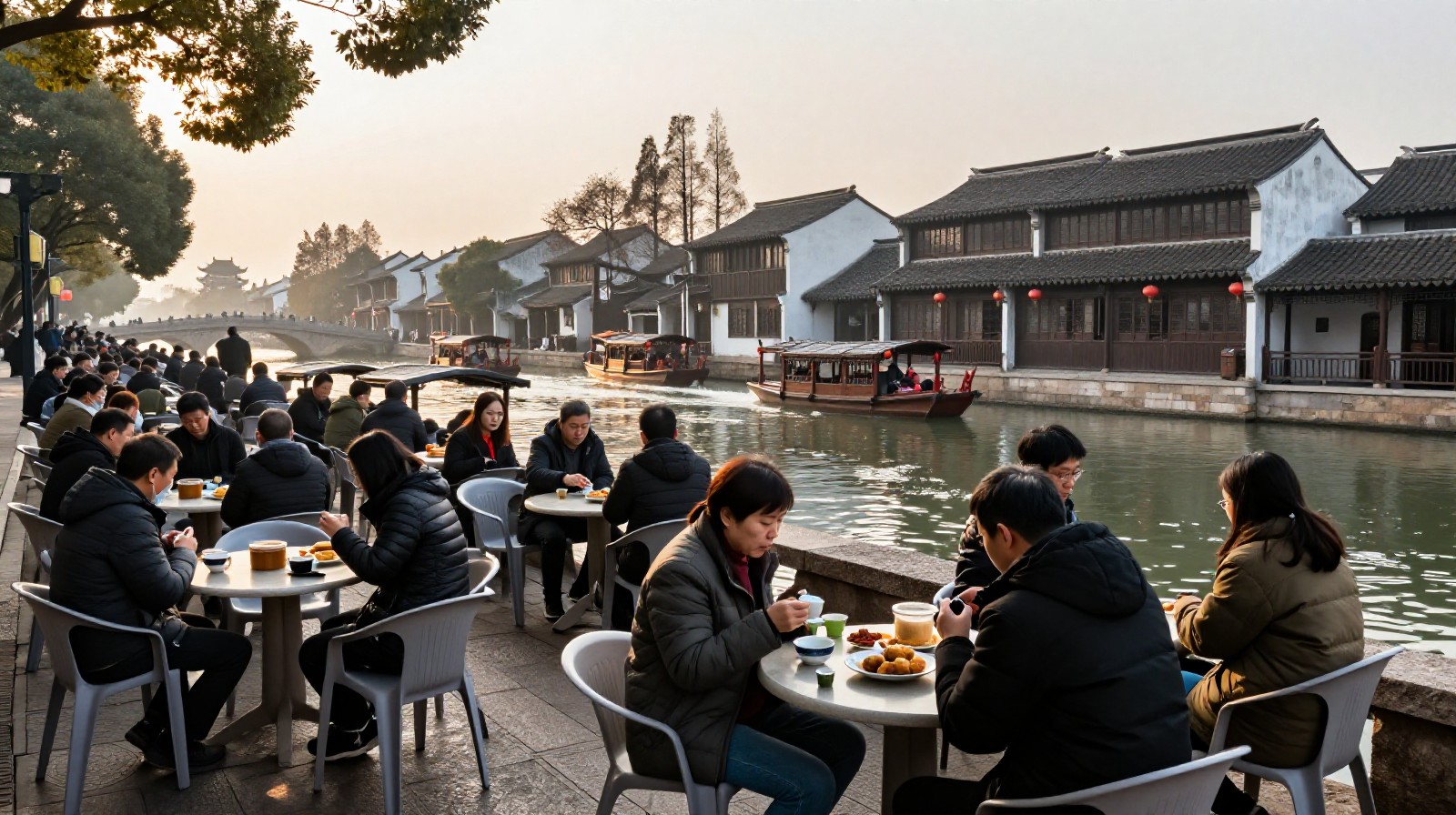
If you come to China expecting only futuristic skylines, you’ll miss the soul of the country. Yangzhou’s morning tea revolution isn’t about abandoning tradition; it’s about keeping it alive by making it relevant for a new generation. It’s loud, messy, delicious, and profoundly human.
So, next time you think of Jiangsu, don’t just picture the gardens. Picture the steam rising from a bamboo basket at 8 AM. That’s where the real story is.