


From Wet Markets to Global Tables
In the early morning mist of Kunming, the capital of Yunnan province, 28-year-old Lin Wei starts her day not with a factory whistle, but with the ring of a smartphone. For years, her family’s specialty—handmade flower pastries filled with edible rose petals from nearby Dali—was sold only in a small stall near the local wet market. Today, Lin packs orders while simultaneously answering questions from viewers on a live-streaming platform.
This juxtaposition defines modern China’s rural economy: ancient recipes meeting high-speed fiber optics. The internet is no longer just a tool for shopping; it has become the primary bridge connecting the distinct flavors of China’s minority regions with curious palates in Europe, North America, and Southeast Asia. What was once a local delicacy is now a global commodity, driven by digital infrastructure that most overseas observers underestimate.
The Logistics Revolution: When “Old Flavors” Meet New Supply Chains
Yunnan is often called the “Kingdom of Plants,” boasting over 25,000 species of wild mushrooms and unique ingredients like truffles and black truffles. However, these perishable treasures were historically difficult to export beyond provincial borders. The breakthrough came not from a new recipe, but from logistics.
Consider the journey of Xianhe Bing (flower pastry) or vacuum-sealed mushroom sauces. Ten years ago, shipping such items internationally meant dealing with spoilage and customs complexities that made profits nearly impossible. Today, integrated cold-chain networks allow these goods to travel thousands of kilometers while maintaining freshness.
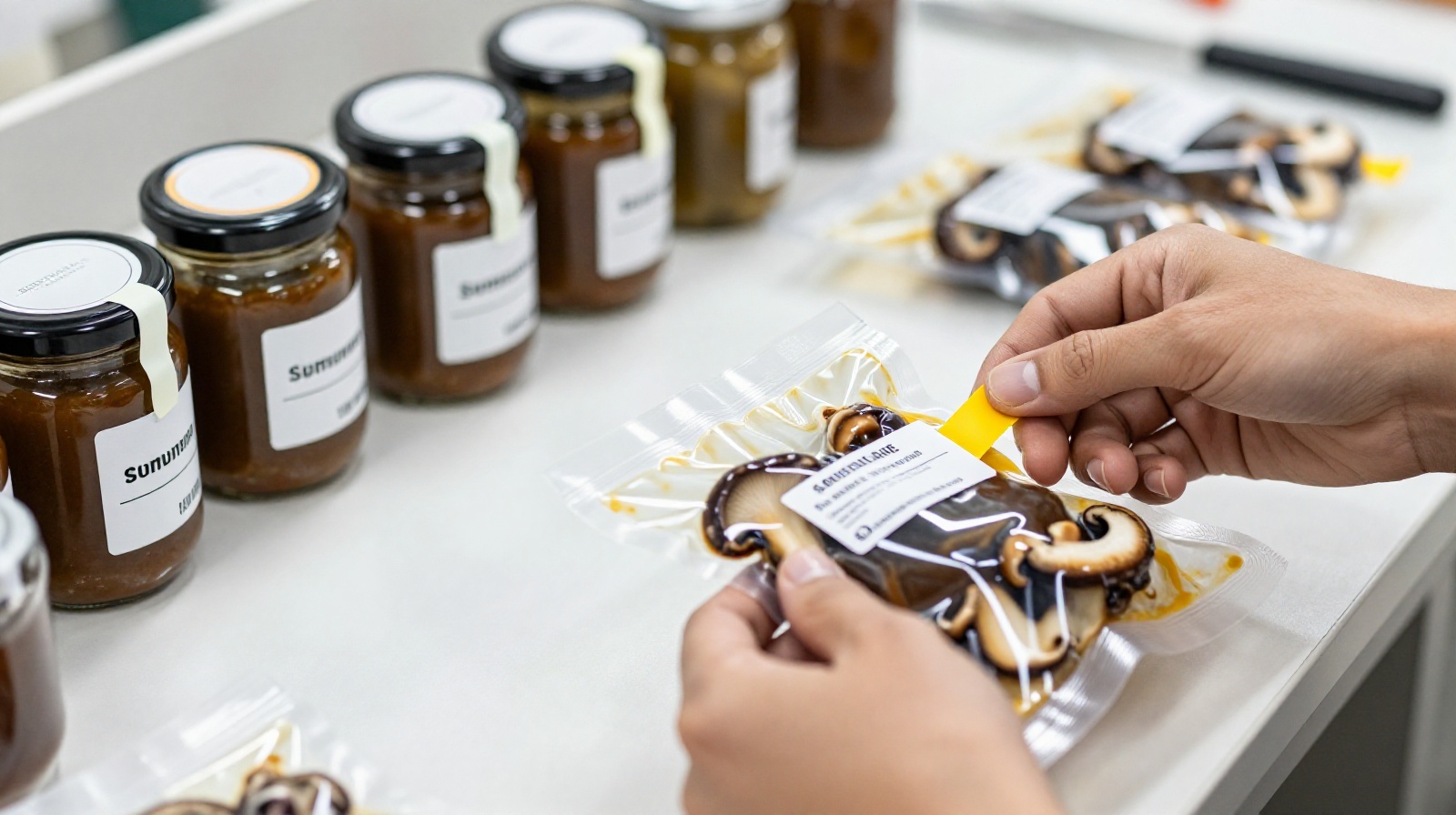
The transformation is visible in the packaging itself. Young entrepreneurs are redesigning traditional products for the e-commerce age. Instead of heavy, fragile clay jars, producers now use nitrogen-flushed, resealable pouches that extend shelf life without adding preservatives. This shift reflects a broader trend: Chinese manufacturers are using consumer data to iterate on product design rapidly. If a customer in London complains about the sweetness level, the factory line can adjust within weeks.
The Rise of the “New Farmer”: Digital Trust in a Physical World
For international buyers, food safety and authenticity are paramount concerns. In China’s digital ecosystem, this trust is built through transparency. Platforms like Douyin (the Chinese version of TikTok) and Kuaishou have given rise to a new class of influencers: the “New Farmers” or rural entrepreneurs.
Liu Jun, a 35-year-old returnee from Beijing, lives in a village in Pu’er city, famous for its tea. Instead of hiding his production process, he broadcasts it. His videos show the drying racks under the sun, the hands picking leaves at dawn, and even the simple wooden tables where packages are assembled.

This “radical transparency” solves a major barrier in cross-border trade: cultural distance. When a consumer in Toronto watches a video of Liu harvesting mushrooms directly from the forest floor, explaining which fungi are edible and which are not, they are not just buying a product; they are participating in a cultural exchange. The screen dissolves the mystery of “unknown Chinese food,” replacing fear with curiosity and trust.
Global Palates, Local Roots
The impact of this digital shift is measurable. According to recent trade data, cross-border e-commerce sales of agricultural products from southwestern China have grown by double digits annually over the past three years. While these numbers may seem small compared to electronics or textiles, they represent a significant change in how rural communities integrate into the global economy.
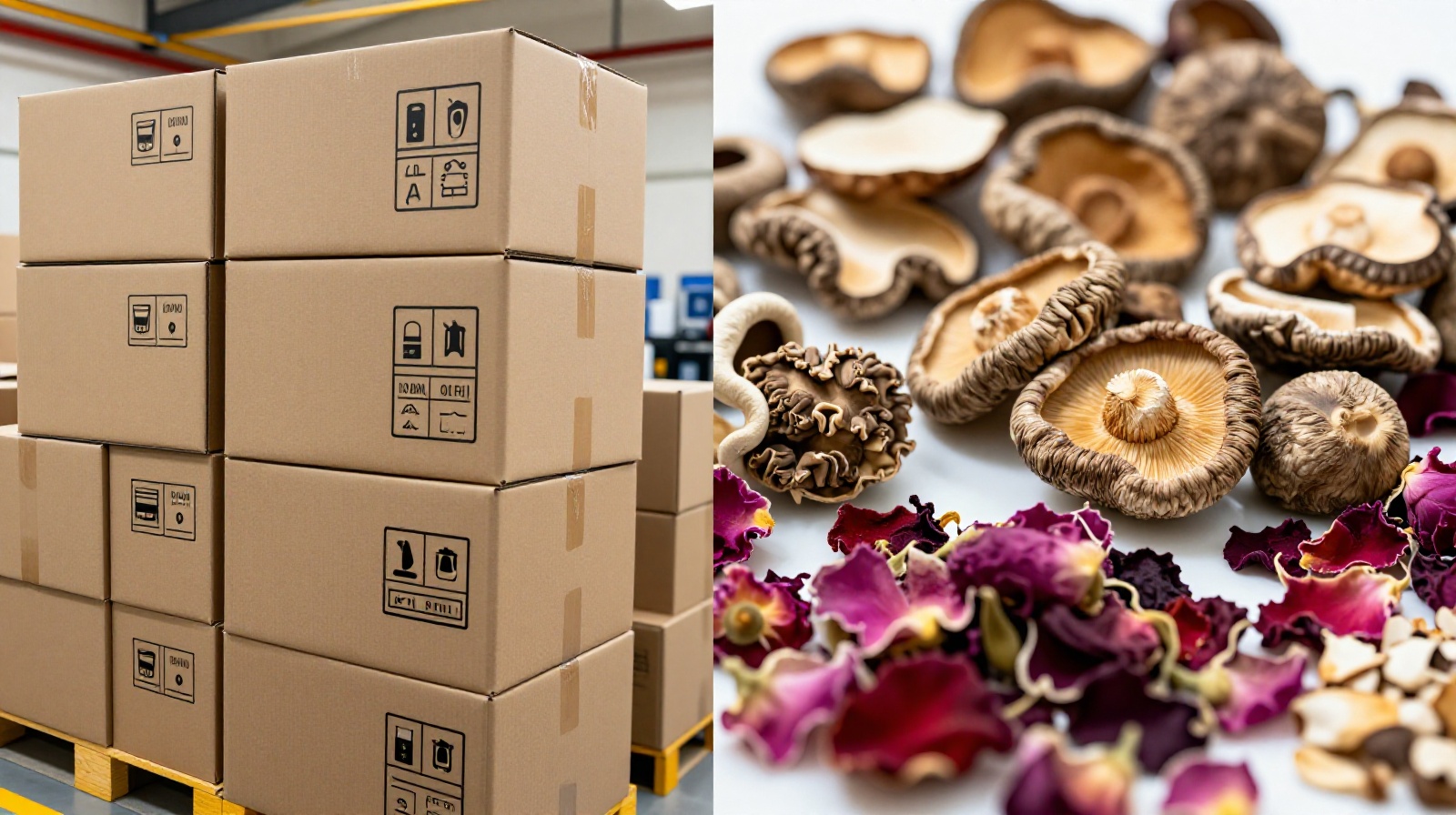
Online reviews reveal more than just satisfaction with taste; they highlight cross-cultural connection. A buyer from Germany might write, “I never knew mushrooms could have such an earthy, nutty flavor,” while a user in Singapore appreciates the convenience of ready-to-eat rice noodle packs that mimic home-cooked meals. These interactions are rarely transactional; they are conversational.
Behind this commercial success lies robust public infrastructure. High-speed internet coverage in remote villages, reliable electricity grids, and government-supported logistics hubs have leveled the playing field. A small workshop in a mountainous county can now compete with large corporations because digital platforms democratize access to customers.
Taste Has No Borders
The story of Yunnan snacks is not just about economic growth; it is a testament to how technology can preserve and amplify local culture. By turning isolated rural producers into global brands, the internet has created a new form of soft power—one delivered through flavor rather than politics.
For overseas readers, this shift offers a glimpse into contemporary China that goes beyond headlines about manufacturing or AI. It shows a society where tradition and innovation coexist not as opposites, but as partners. When you open a package of Yunnan mushroom sauce in your kitchen, you are tasting the result of a digital ecosystem that connects a village farmer’s hard work directly to your dining table.