For decades, the Michelin Guide was the gold standard for dining. But in China, a new local rating system called 'Black Pearl' is changing the rules, prioritizing authentic local flavors and service over French culinary traditions. This article explores how ordinary diners are using this platform to discover hidden gems across lower-tier cities, reshaping the global understanding of Chinese gastronomy.

Forget the stereotypes. Behind the wok smoke lies a sophisticated culinary philosophy centered on steaming and quick stir-frying, designed to preserve nutrients, flavor, and balance that aligns surprisingly well with modern health goals.

Forget fancy hotels. In rural China, a wedding isn't just a party; it's a three-day logistical marathon organized by the entire village. From dawn to dusk, neighbors chop vegetables and stoke massive woks, revealing a social fabric built on deep mutual aid.

Forget the idea that chopsticks are just tools for eating. In modern China, they represent a blend of history, philosophy, and social etiquette. From ancient origins to daily dinner tables, discover why mastering these sticks is more about connection than cuisine.

In cities and villages across China, families gather to wrap sticky rice in bamboo leaves. It is the taste of the Dragon Boat Festival, but also a story about Qu Yuan, an ancient poet whose death still shapes how millions remember him today.

For millions of commuters freezing on subway platforms or rushing to work, the steaming pot of oden at a local convenience store is more than just food—it's a daily ritual that blends Japanese origins with Chinese taste. Discover how this affordable, spicy comfort dish defines winter in modern Chinese cities.

Before smartphones or air conditioning, it was a well. Today, it's a supermarket freezer. In China, nothing cools down summer quite like an ice-cold watermelon.

In China, leaving food on your plate isn't just bad manners; it's socially frowned upon. 'Dabao'—packing leftovers to go—is a deeply ingrained cultural value born from history, reinforced by sustainability, and now a daily ritual that defines how modern Chinese people view food, waste, and community.

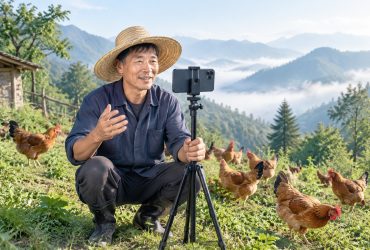
A day in the life of a Chinese food vlogger reveals a grueling schedule of filming ten meals, battling weight gain, and navigating a saturated market where authenticity is hard to find.

In Beijing and Shanghai, a $0.50 steamed bun is more than breakfast; it's the fuel for millions of workers. This article explores how this humble street food serves as the backbone of urban logistics, balancing affordability with speed in megacities.