
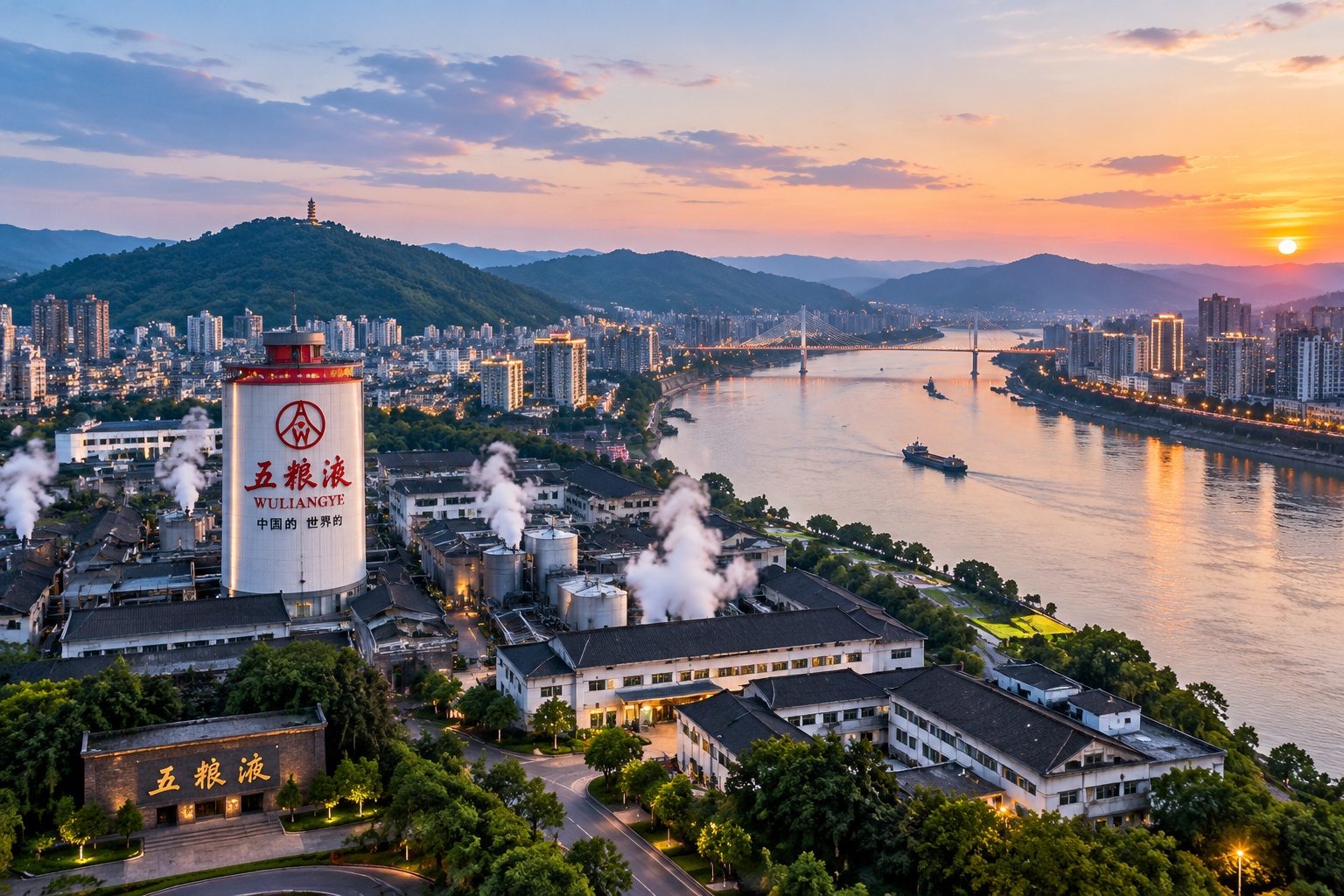

The City That Smells Like a Fermenting Grain
You haven’t seen Yibin yet, but you’ve already smelled it. The air is thick with a sweet, earthy aroma — like a bakery, but deeper, almost alcoholic. This city of 4.5 million people sits at the confluence of the Min and Yangtze rivers in southwest China’s Sichuan province. It’s also the home of Wuliangye, one of the most famous baijiu brands in the country. Baijiu is a clear grain spirit, typically 40–60% alcohol by volume, and it plays a role in Chinese culture similar to vodka in Russia or whiskey in Scotland. But here, it’s more than a drink — it’s the city’s gravity.
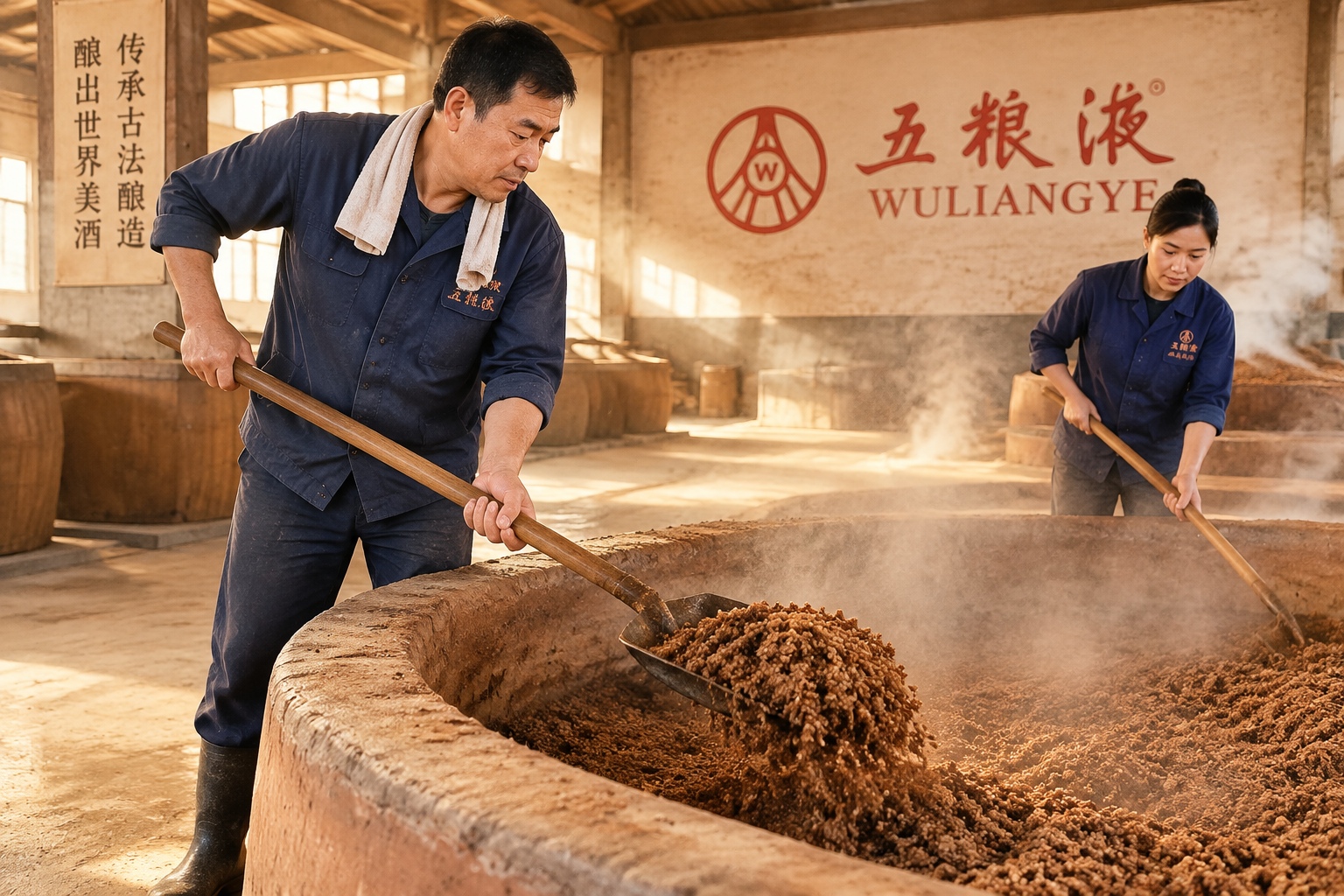
Walk into a Wuliangye distillery and you see workers shoveling steaming piles of sorghum, rice, glutinous rice, wheat, and corn — the five grains that give the liquor its name. The entire industrial complex feels like a giant kitchen that never stops cooking. Each batch of baijiu takes months to ferment in massive clay pits, then is distilled, aged, and blended. In 2023, Wuliangye reported over 83 billion yuan (about $11.5 billion) in revenue, and its market value has fluctuated around 500 billion yuan. For a mid-sized city, that’s enormous.
One Company, Half a City’s Economy
Yibin’s GDP is around 340 billion yuan, making Wuliangye roughly a quarter of it. But the real impact is even bigger. The company directly employs over 30,000 workers, and when you count logistics, packaging, tourism, and local suppliers, the baijiu industry supports hundreds of thousands of jobs. “My father worked in the plant his whole life,” says a local taxi driver who asks to be called Mr. Chen. “He never drank the stuff himself, but it paid for my education.” In Yibin, almost everyone has a relative or friend connected to Wuliangye.
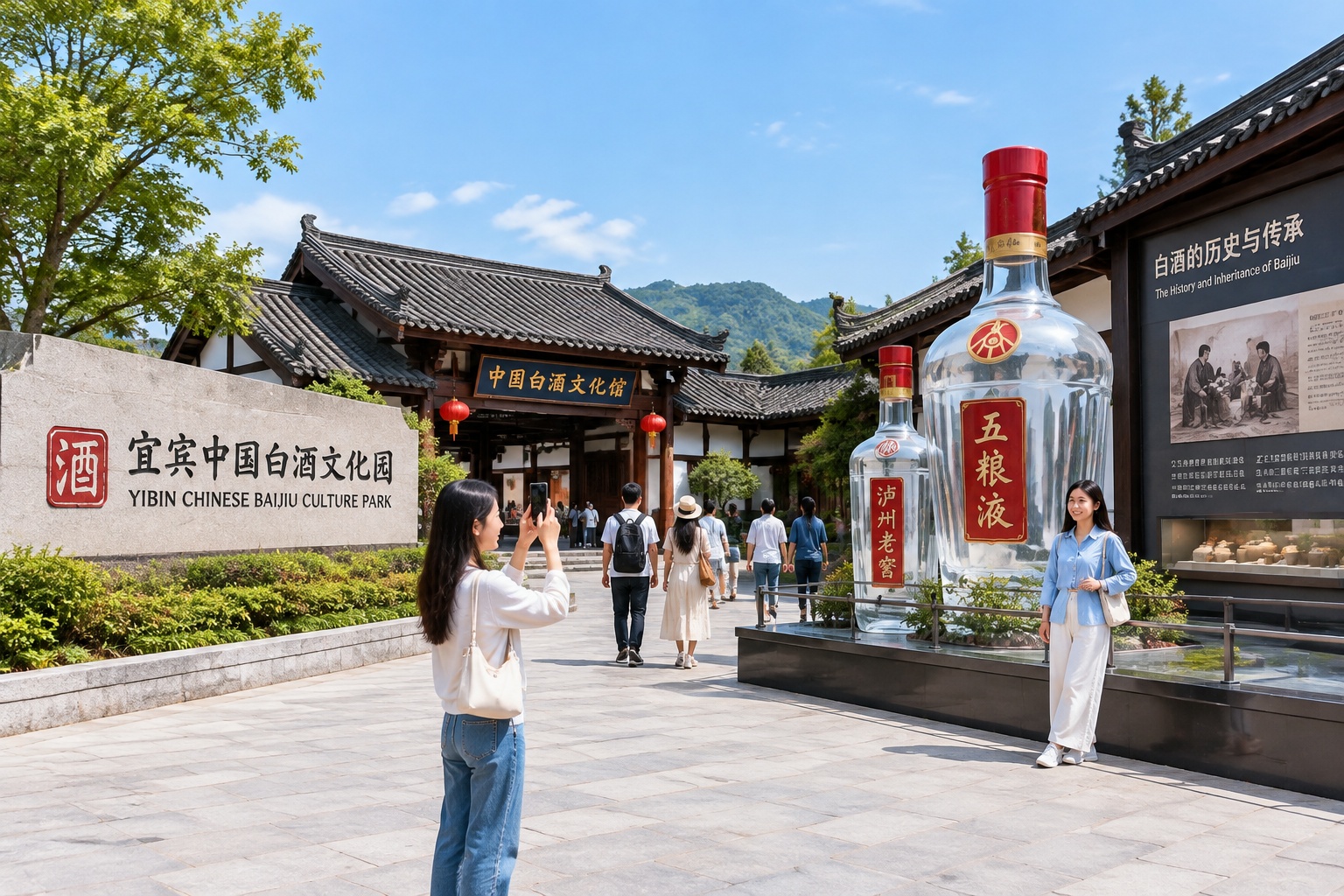
The city’s infrastructure shows the brand’s influence. The airport is named after the industry’s godfather, and the main highway is lined with massive Wuliangye billboards. Even the streetlights in the central district are shaped like the iconic glass bottles. In 2020, Wuliangye invested heavily in building a “Chinese Baijiu Culture Park” — a mix of museum, distillery viewing area, and shopping street where tourists can taste samples and buy limited-edition bottles. The park is designed to convert casual tourists into lifelong fans, and it’s working.
Baijiu in Everyday Life: From Lunch Tables to Night Markets
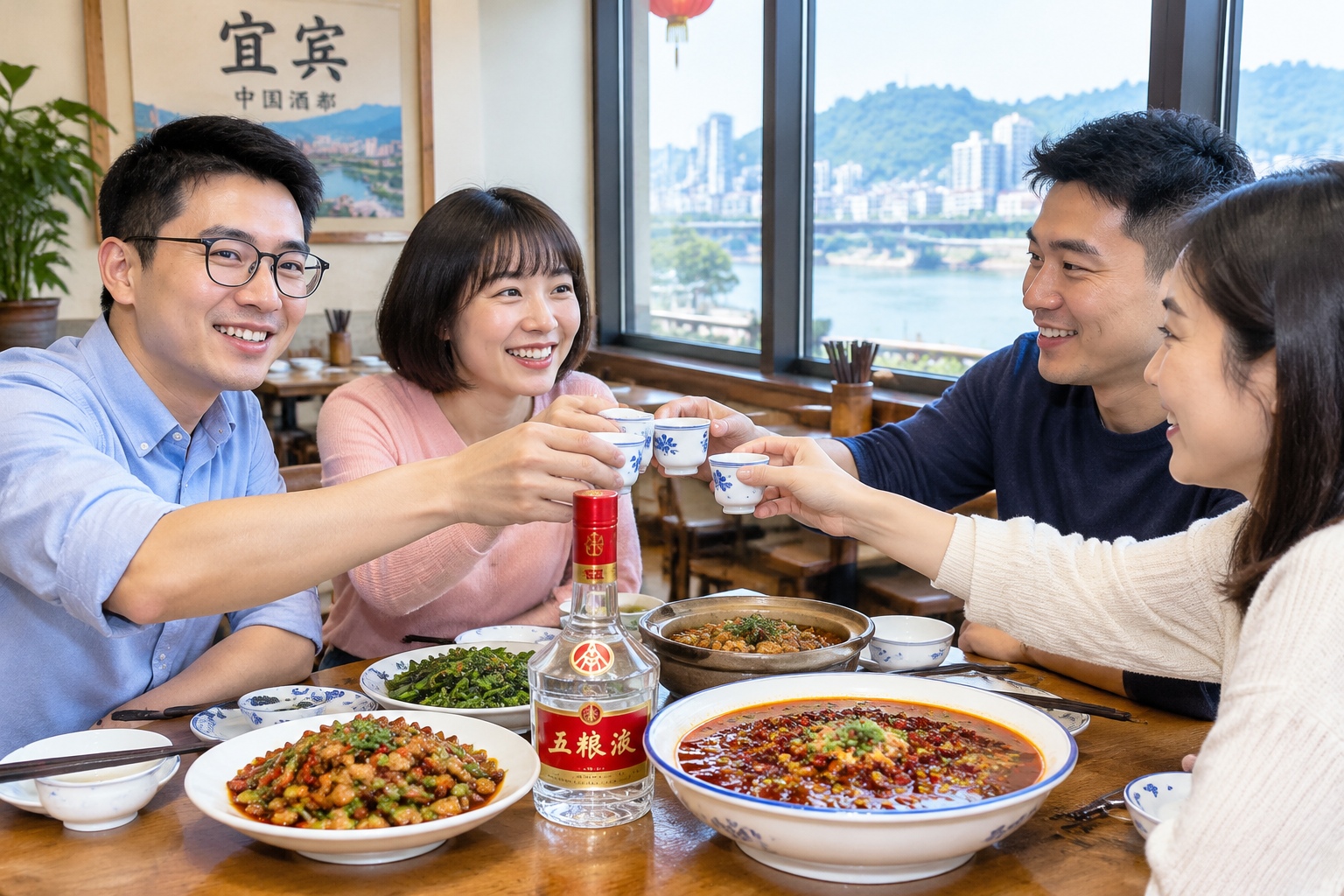
Baijiu isn’t just for banquets. In Yibin, it seeps into daily routines. At a typical noontime restaurant, you’ll see tables with a small porcelain cup for each diner. No one drinks a full cup — baijiu is meant to be sipped or clinked in toasts. “Ganbei!” someone will shout, followed by polite laughter as they take a tiny sip. A standard business dinner can easily go through two or three bottles of Wuliangye, which range from a few hundred yuan for entry-level bottles to tens of thousands for collector’s editions.
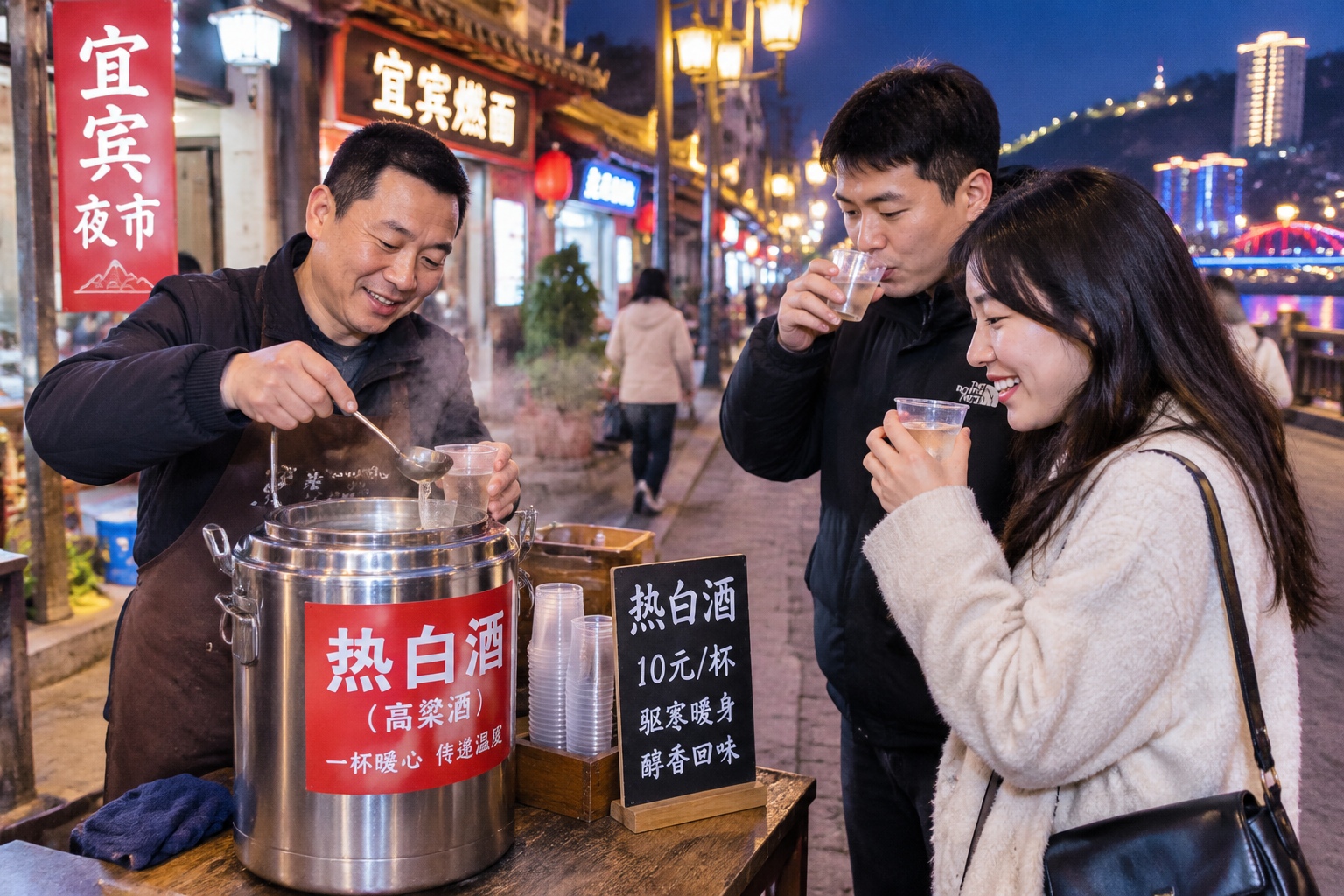
Night markets in Yibin have a special feature: small stalls selling plastic shot glasses of hot baijiu, often infused with herbs or goji berries. For just 10 or 20 yuan, you can warm up against the damp Sichuan cold. Tourists are often startled by how casually this strong alcoholic drink is sold on the street, like coffee to go. The younger generation, though, is shifting. “I don’t like baijiu,” says 24-year-old Xiao Wang, a graphic designer. “It burns my throat and smells too strong. I’d rather have a fruity sour beer.” To keep up, Wuliangye has launched lower-alcohol versions and even collaborated with a coffee chain on a “Wuliangye Latte” — a novelty that generated headlines and queues.
Beyond the Glow: Costs and New Directions
Baijiu’s dominance has a price. The distillery uses significant amounts of water and energy, and the fermentation process creates organic waste that requires careful treatment. Yibin’s air, while fragrant, is also a reminder of heavy industry. City officials know they can’t rely on a single commodity forever, so they’ve actively courted batteries maker CATL, which opened a major plant nearby in 2020. Now Yibin calls itself “China’s Lithium Valley,” producing batteries for electric vehicles. This diversification is already visible: modern apartment blocks and tech parks have sprung up, and the city’s skyline is no longer only about liquor.
Still, baijiu remains the soul of Yibin. Every September, the city hosts an international baijiu festival, complete with parades, blending workshops, and a “cheers” ceremony on the riverbank. Even as young people drink less, the craft and heritage is being preserved. Local schools offer courses on the history of baijiu, and some youngsters are getting apprenticeships in the industry — not just to make liquor, but to design its packaging, run its livestreams, and attract global consumers.
A Toast to What’s Next
Yibin is a place where tradition and change share the same glass. The smell of fermenting grain lingers like a stubborn guest, but the city is expanding beyond it. For a visitor, the best way to understand Yibin is still to raise a glass — whether it’s a tiny sip of Wuliangye at a family dinner or a cold soda at a lithium-battery plant’s cafeteria. This is a city that has learned to distill its past and is now experimenting with a new blend.
As the taxi driver Mr. Chen puts it: “The liquor made us who we are. But we’re learning to make more than liquor.” His next fare? A group of engineers heading to CATL. “See?” he laughs. “Father’s liquor, daughter’s batteries.”
Start the discussion at forum.chinacomes.com