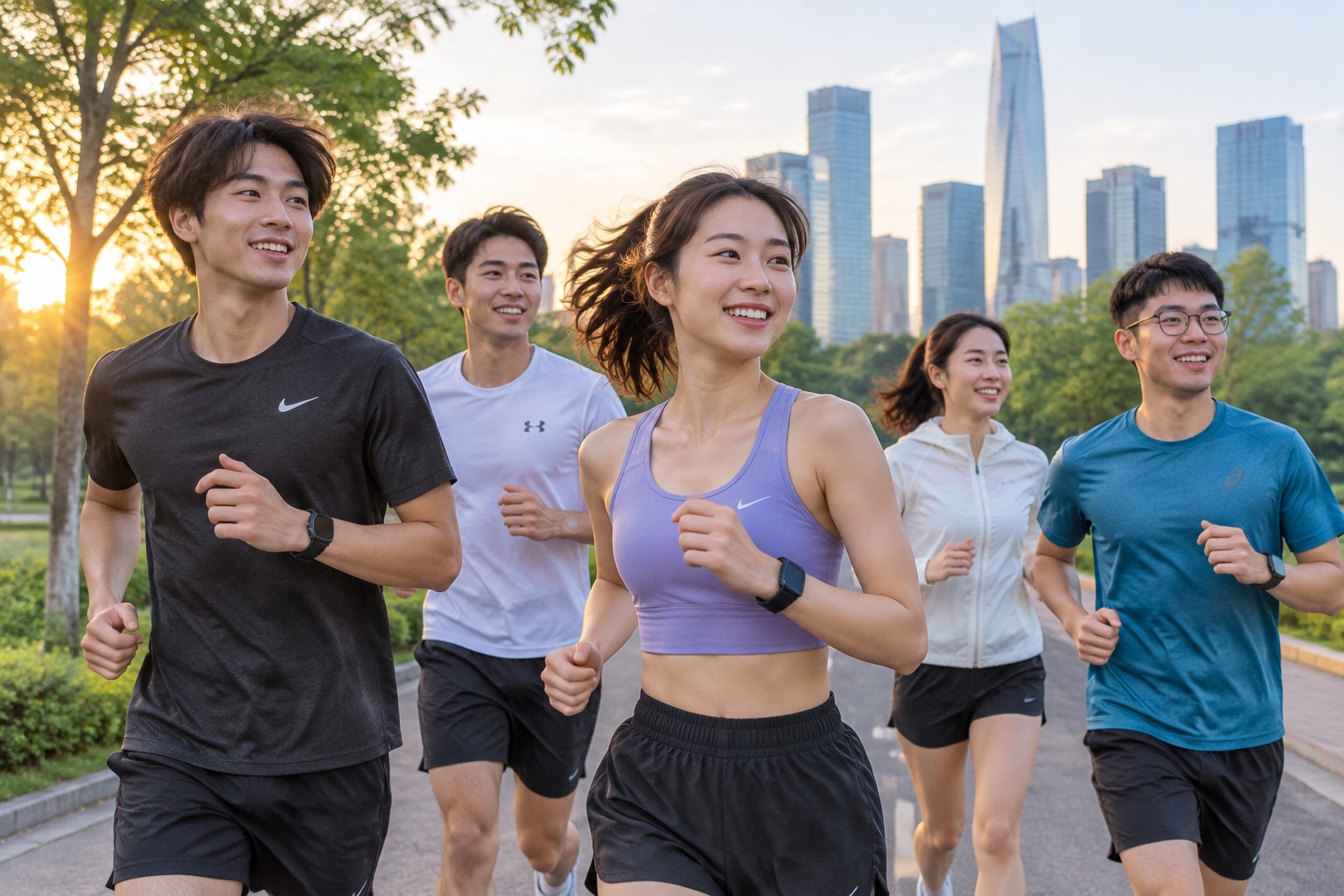

At 6 a.m. on a Sunday, Beijing’s Olympic Forest Park is already crowded. Hundreds of runners in bright vests are stretching, chatting, or silently checking their heart-rate watches. Among them is Li Wei, a 34-year-old product manager at a tech company. Three years ago, he says, his life was a blur of late-night meetings, instant noodles, and a growing sense of emptiness.
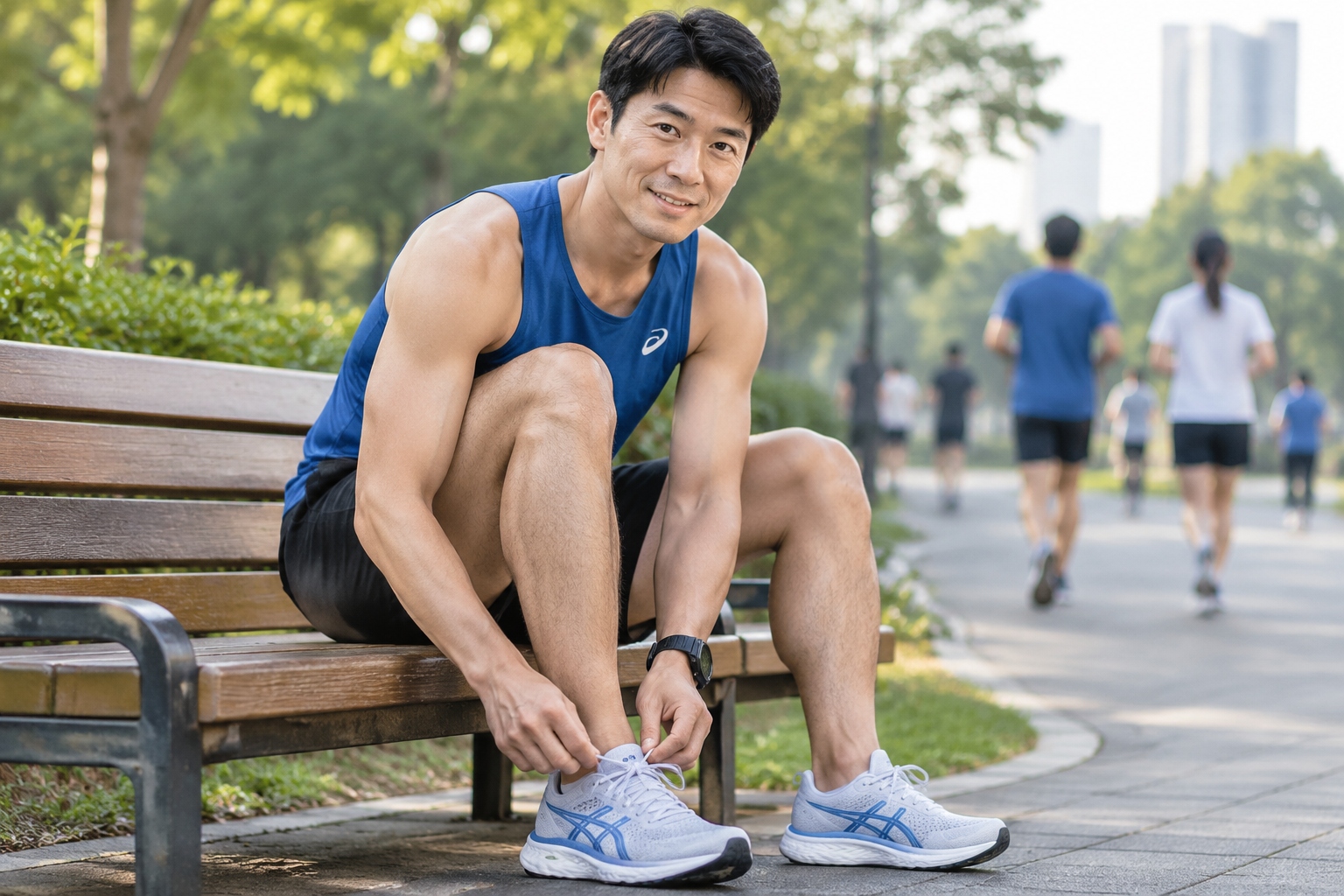
“I wasn’t depressed, but I wasn’t really alive either,” Li says while adjusting his running shoes. “One day my boss told me I looked like a ghost. So I signed up for a half marathon. I didn’t even know how far that was.”
Li is not alone. In the past few years, marathon participation in China has exploded. According to the Chinese Athletics Association, there were over 600 road races in 2024, with millions of finishers. But the bigger story isn’t the numbers—it’s why people like Li are running.
So, Does Running Actually Fix Burnout?
It depends on what you mean by “fix.” Running won’t erase your mortgage or make your boss less demanding. But many runners describe a kind of mental reset. “When you’re running 42 kilometers, your mind goes through phases,” explains Zhang Min, a 29-year-old graphic designer from Shanghai. “The first 10K you’re still thinking about work. Then your legs start to hurt, and you’re only thinking about your legs. By the 30th kilometer, you’re not thinking anything. That’s the closest I get to meditation.”
The science backs her up. Exercise releases endorphins, and long-distance running has been shown to reduce symptoms of mild to moderate depression. But for many Chinese urban professionals, the appeal isn’t just chemical. It’s the rare chance to be alone with your own body in a city of 25 million people.
From Status Symbol to Daily Ritual
Running first became trendy among China’s white-collar workers as a lifestyle statement. Expensive gear, GPS watches, and finishing medals printed on Instagram. But the pandemic changed the tone. With gyms closed and travel restricted, running became one of the few ways to move freely. “When we couldn’t go anywhere, I realized running was my freedom,” says Wang Hai, a 40-year-old accountant in Chengdu. He now runs five times a week at 5:30 a.m., before his family wakes up.
Wang’s story highlights a shift from display to discipline. “It’s no longer about showing off. It’s about having at least one hour a day that’s completely yours,” he says.
What Marathon Can’t Solve
But not everyone believes running is the answer. Lin Tao, a psychotherapist in Shenzhen, sees patients who have run multiple marathons but still feel stuck. “Running can be a healthy coping strategy, but it can also become another measure of self-worth. If you make a doctor’s appointment or a yoga class about achieving a goal, you’re bringing the same stress into a different arena.”
Some runners admit that the pursuit of personal records can turn into a new kind of pressure. “I used to feel ashamed if I didn’t beat my last time,” says Zhang Min. “Then I taught myself to run to explore, not to compete. That changed everything.”
The Social Side of Running
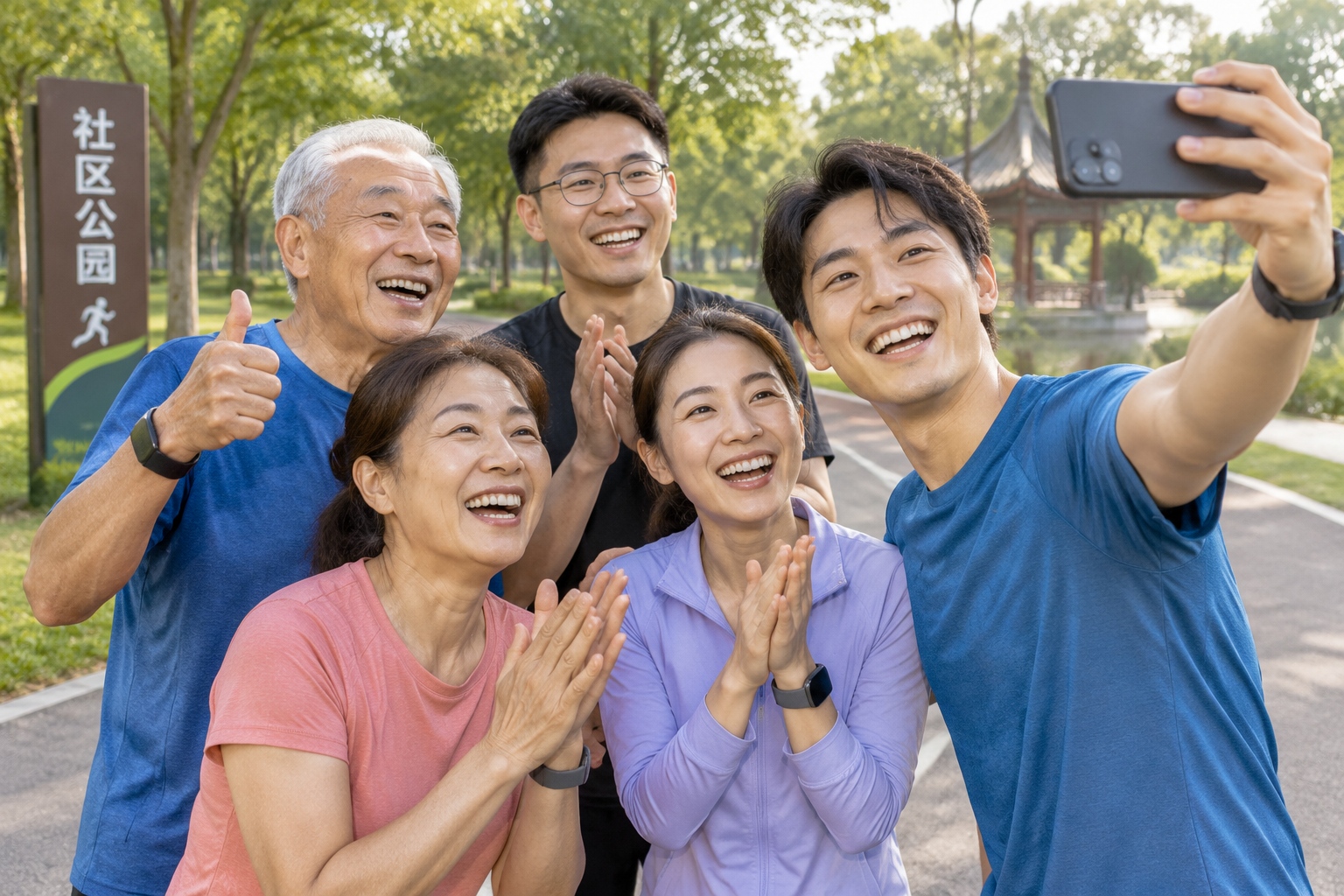
For others, running isn’t about solitude—it’s about community. Every major Chinese city has dozens of running clubs that welcome beginners. On weekend mornings, you’ll see groups jogging along riverbanks, parks, or even around office blocks, chatting and occasionally stopping to take photos. Many clubs are organized by gender, age, or pace, which makes it easier to find your crowd.
Li Wei joined such a club two years ago. “My running friends know things about my life that my work colleagues don’t,” he says. “We’ve seen each other fall, get up, and finish. That sense of trust is real.”
Is It Just for the Middle Class?
Marathon running still has a cost barrier. Quality shoes, nutrition, race fees, and travel can add up. But entry-level running is cheap: all you need is a pair of sneakers and a public park. In China, most urban parks are free and open early in the morning. So while the marathon scene is dominated by professionals, it’s not exclusive. Delivery workers, security guards, and retirees are showing up, too.
Wang Hai, the accountant, tells a story about his 60-year-old neighbor, a retired factory worker who started running after seeing Wang leave each morning. “Now he runs slower than me, but he’s run four marathons. He says it gives him a reason to get up.”
So, Is It a Cure?
Ask any runner and you’ll get a different answer. For some, it’s the closest thing to a reset button. For others, it’s an escape that eventually leads back to the same problems. But one thing is common: running gives you a chance to feel your body, to be in control of one small part of your life, and to touch a kind of simplicity that urban life rarely offers.
As Li Wei puts it: “I still have stress. But now, when I feel overwhelmed, I don’t open a bottle of wine. I put on my shoes and go outside. That alone has changed my life.”