
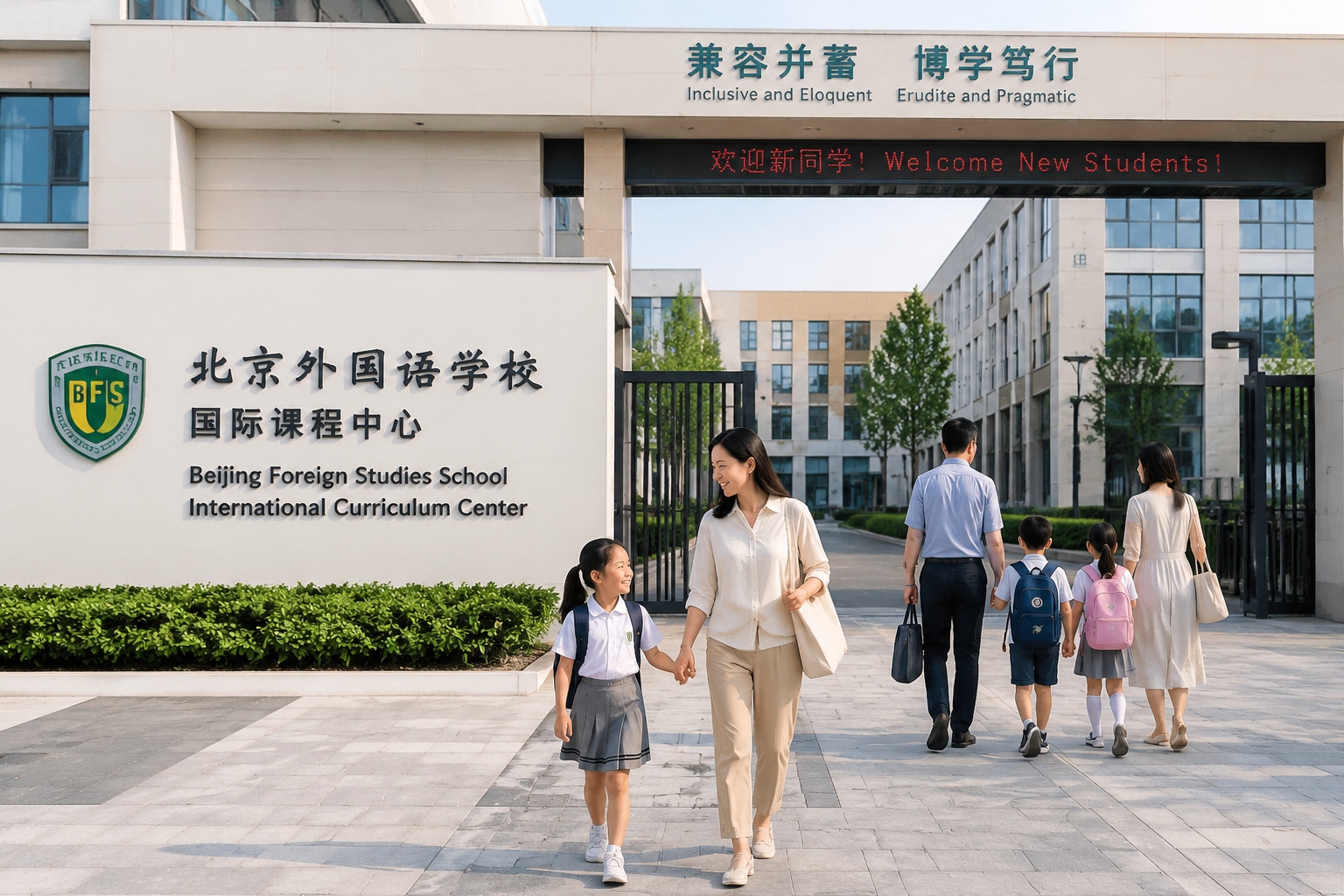

Morning at the District Education Bureau
On a Tuesday morning in Shanghai, a friend of mine spent two hours queuing at the district education bureau with a folder of papers: rental contract, residence permit, family photos, and a child’s vaccination record. She was registering her son for a public primary school. A few blocks away, another mother was paying an annual fee of nearly 300,000 RMB for a bilingual school that promises both Chinese and English lessons as part of its curriculum. That gap—between public, bilingual, and international schools—is one of the most consequential decisions Chinese parents make, and it can be confusing for anyone new to the country.
In my years living in China, I’ve watched friends and colleagues walk this path, each with different passports, budgets, and hopes for their children. Some want their kids to sit the gaokao, China’s notoriously competitive college entrance exam. Others plan for university in the United States, the UK, or Australia. Still others simply want a safe school close to home. To make sense of the landscape, you need to understand three distinct categories—and how they relate to your child’s status.
Three Kinds of Schools, Not Three Prices
The first thing to clarify is a common confusion: in China, “international school” is a legal term that does not mean what it does in many other countries. True international schools, officially called 外籍人员子女学校 (schools for children of foreign personnel), can only admit students with foreign passports or other qualifying status. Chinese citizens, including those with permanent residency in another country, are generally not allowed. In practice, the schools most people call “international” for Chinese families are actually bilingual private schools that offer a mix of Chinese compulsory courses and foreign curricula, or “international departments” of public schools, which have grown in number but face stricter regulation.
So when we talk about school choices in China, we are really talking about three distinct paths:
Public Schools: The Paper-and-Address Ladder
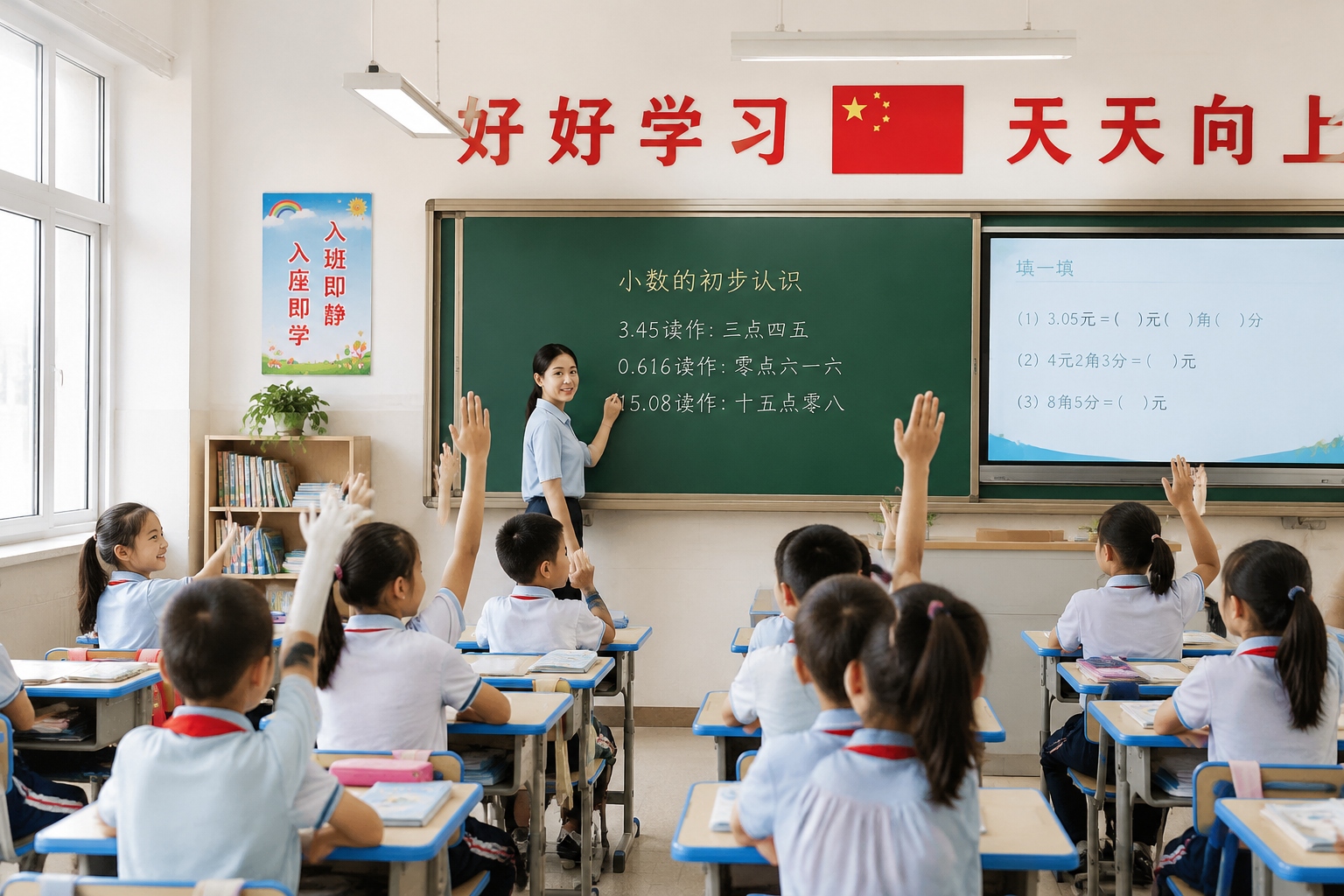
Public schools are the backbone of China’s education system. They charge almost no tuition—just a few hundred RMB per semester for books and activities. But the real cost is hidden in housing. School enrollment is usually based on your hukou (household registration) and property address. In many cities, you need to own an apartment in the school’s district, which is why “school district housing” (学区房) commands huge price premiums. In Beijing’s Haidian district, for example, a tiny one-bedroom apartment in the catchment area of a top primary school can cost more than a suburban villa.
Admission requires a pile of documents: hukou booklet, property ownership certificate, parents’ identification, and sometimes proof of social insurance payment. If you don’t own property, some cities allow enrollment with a rental contract and a residence permit, but you may be placed lower in priority. Public schools teach the national curriculum, with English starting in grade three. The best public schools are often highly competitive, with a heavy workload and strong emphasis on exam scores.
Bilingual Schools: A Middle Path for Chinese and Foreign Curricula
Bilingual private schools have exploded in popularity over the past decade. They offer a curriculum that combines China’s national courses (Chinese language, math, history) with Western-style teaching in English. Some follow the International Baccalaureate (IB) primary years programme, while others offer Cambridge or AP courses in high school. The median annual fee is between 150,000 and 250,000 RMB, though elite ones can exceed 300,000. They often have modern campuses, smaller classes, and after-school activities like robotics and drama.
These schools are open to Chinese citizens. Admission usually involves an interview and an assessment for the child. The selling point is bilingualism: children can write essays in Chinese and debate in English by the end of primary school. However, the quality varies widely, and many parents complain that the curriculum can be neither fully Chinese nor fully international, a “half-half” compromise. If your plan is to go back to your home country later, make sure the school’s accreditation is recognized at home.
International Schools: For Foreign Passport Holders (Mostly)
The term “international school” in China officially refers to institutions for children of foreigners. They offer a full international curriculum—IB, AP, A-Level, or the US Common Core—and are taught by predominantly foreign-trained teachers. English is the primary language of instruction, and the campus culture mirrors a Western school. Fees are the highest: from 200,000 to over 400,000 RMB per year, plus application fees and capital levies. Students are often children of expatriate professionals, diplomats, or families with a foreign passport.
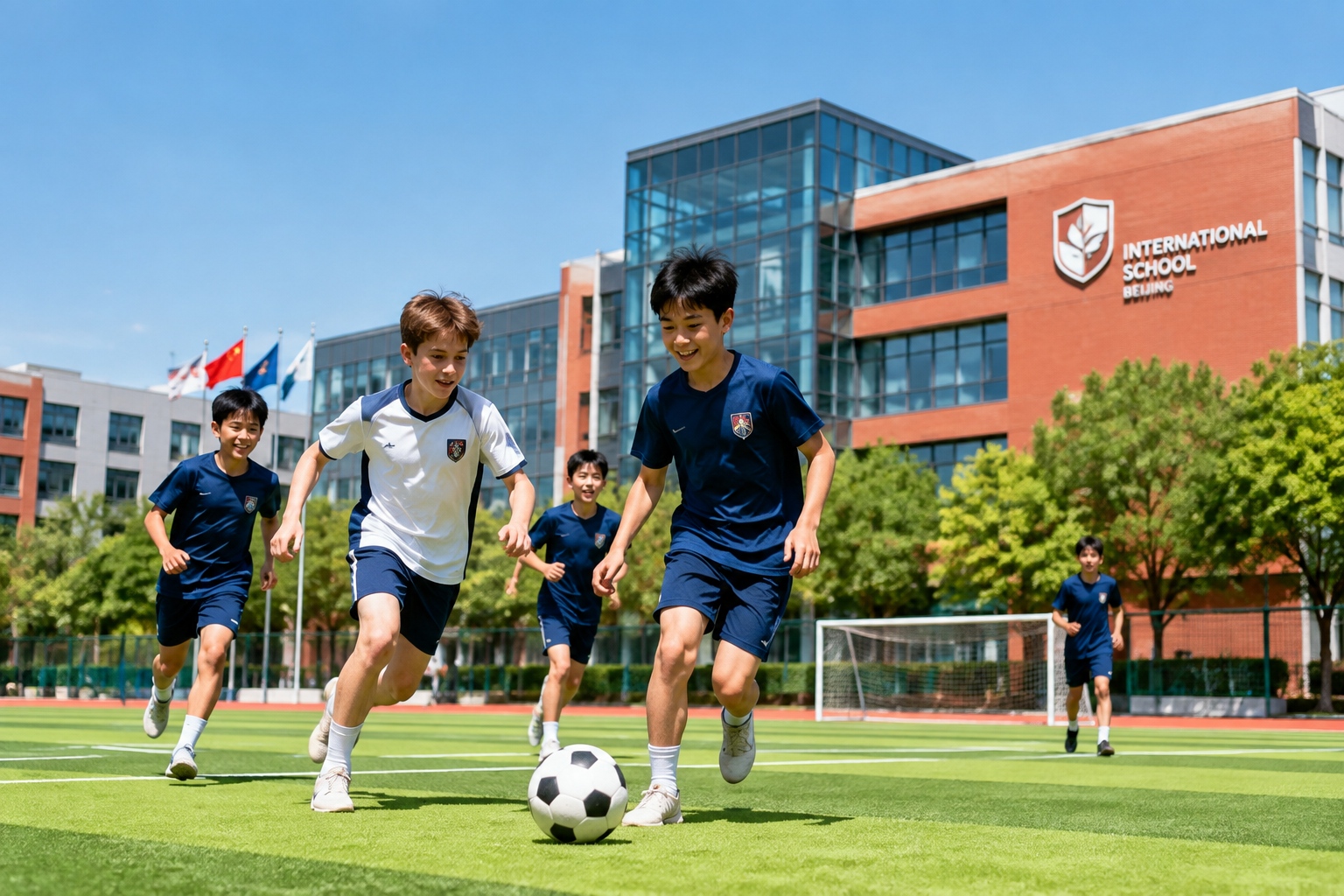
If your child holds a foreign passport, you can apply directly. If your child is Chinese, the door is closed by regulation—though some schools have “acceptance” practices in gray areas, these are risky and can be reversed. A better route for Chinese passport holders who want a Western-style education is a bilingual school with a high school track that leads to overseas universities.
A Decision Tree for Choosing a School
Now that the basics are clear, here is a simple way to narrow down your options. The questions follow a logical order.
Step 1: What Passport Does Your Child Hold?
If your child has a foreign passport (or is a foreign national), you can legally enter the international school system. If not, move to step 2. There are also children with Hong Kong, Macao, or Taiwan status, which often qualify for international schools or international departments.
Step 2: What Is Your Budget?
Annual tuition for bilingual schools ranges from 120,000 to 250,000 RMB. International schools start around 200,000 and go up to 400,000. Need-based scholarships are rare. If budget is a primary concern, public school is the only option with essentially zero tuition, but you will need to secure housing in the right district.
Step 3: Where Do You See Your Child Going to University?
If you are certain about a destination such as the US, UK, or Canada, a bilingual or international school with a recognized high school diploma (IB, A-Level) is a direct path. If your child is likely to stay in China for university, a public school or a bilingual school that follows the Chinese curriculum with heavy exam preparation will be more aligned. It is difficult to switch from a fully English curriculum to the gaokao track later, so think ahead.
Step 4: What Kind of Child Is Yours?
The best school is one that fits your child’s personality and learning style. Chinese public schools often emphasize discipline, memorization, and high-pressure exams. Bilingual schools tend to balance play and study, but academic rigour may be lower. International schools encourage creativity, critical thinking, and independent learning, which can be a shock if your child has only experienced traditional Chinese teaching. Visit schools and watch how the children interact. You will know quickly if it feels right.
Step 5: How to Evaluate a School in Practice
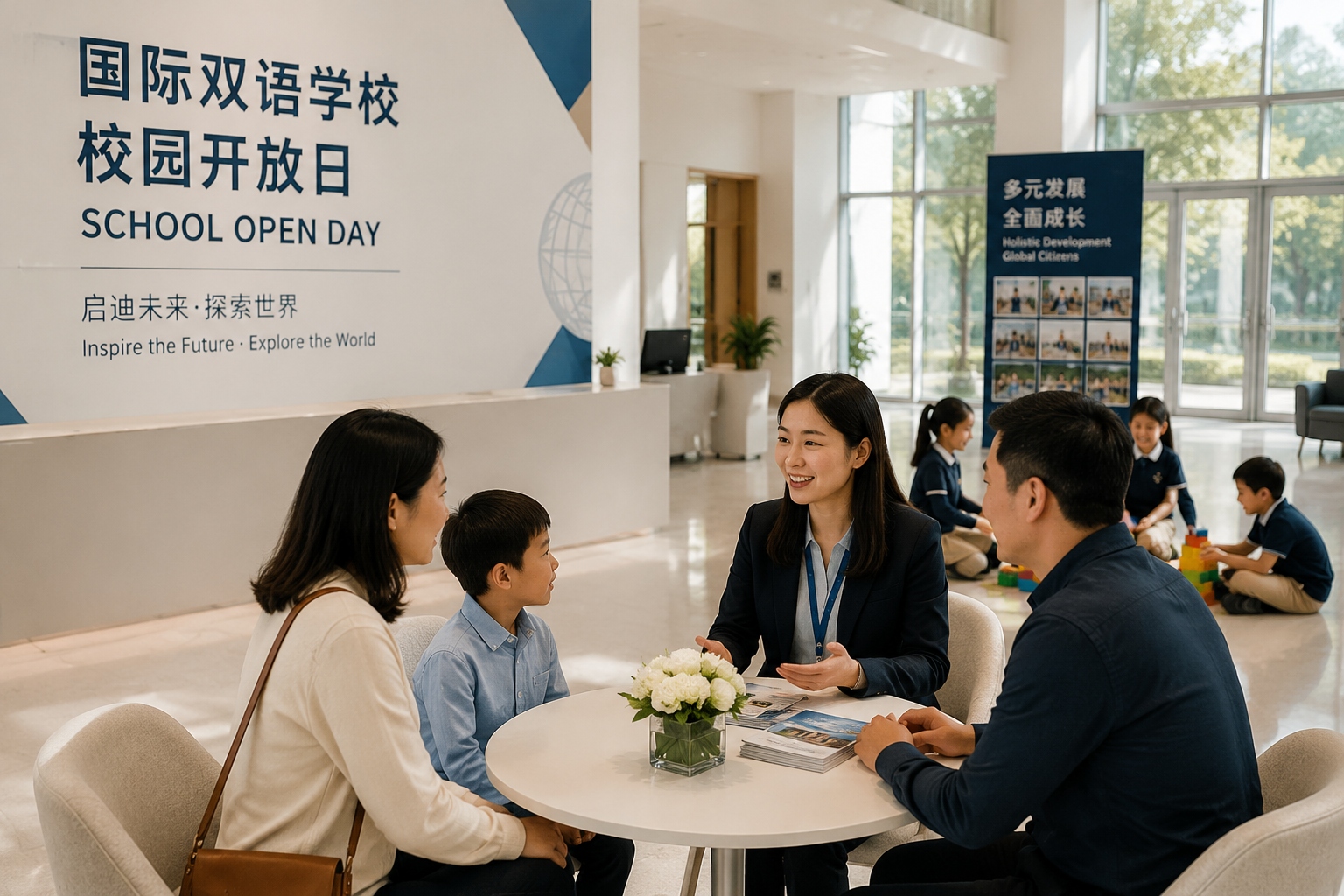
When you visit, ask for hard numbers: class size, teacher turnover, average exam scores, university placements. Ask to see a timetable and a sample week. Talk to parents at the school gate—they are usually honest. Go beyond the marketing tour. Some excellent schools have old facilities but experienced teachers; some shiny new ones are still figuring out their identity.
The Reality: No Perfect School, Only the Right Fit
China’s education system is changing quickly. The government has tightened rules on private education, international curricula, and even the legal definition of “international school.” In 2021, new regulations reduced the number of “international departments” in public schools and limited teaching of foreign curricula in some phases. This means the landscape you research today may shift next year. It is important to stay flexible and have backups.
Public, bilingual, and international schools are not just different in price; they are different in philosophy. A family I know chose their son’s school based on his love for soccer, and now studies both Chinese poetry and English science in one day. Another family moved to a smaller city just to afford a good public school district. There is no universal answer. But by understanding the choices—and the rules behind them—you can ask better questions and make a decision you can defend with confidence.
If you’ve recently gone through the school search in China, tell me what surprised you most in the comments.
Start the discussion at forum.chinacomes.com