
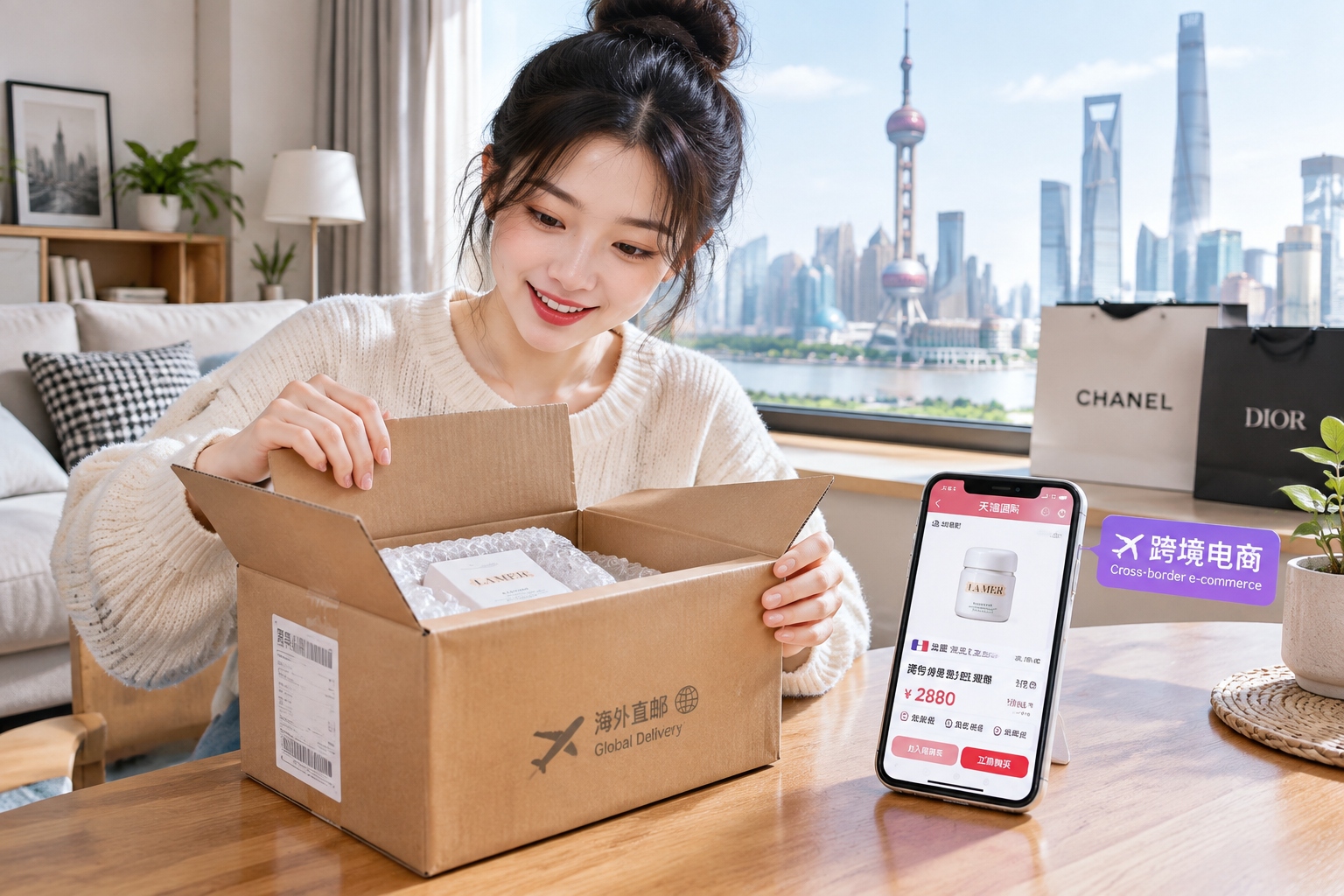

The cross-border buying confusion
Emily, a product designer from London, moved to Shanghai last spring. One evening she tried to order a bottle of French shampoo from a major Chinese e-commerce app. Before she clicked pay, a small box popped up: “This product is sold via cross-border e-commerce. Please check whether it is on the positive list.” Emily was puzzled. What list? Is she allowed to buy it?
That wall of text hides a system that thousands of online shoppers hit every day. China’s cross-border retail e-commerce is one of the most convenient ways for individuals to buy foreign goods while living in China, but not everything is a free-for-all. The road is controlled by something called the cross-border e-commerce retail import positive list. This article explains, in plain language, what it is, which products are on it and what you need to do when an item seems to need a license.
What is the positive list and how does it work?
The positive list — officially called the “List of Cross-border E-commerce Retail Imported Goods” — is issued jointly by China’s Ministry of Finance, the General Administration of Customs and other central agencies. It sets the boundary between goods that can be imported through cross-border e-commerce platforms for personal use and goods that have to follow ordinary commercial importation channels.
The list is not fixed. The first version was released in 2016, and it has been expanded and refined several times since. The current version, last adjusted on 1 March 2022, covers nearly 1,500 tariff lines — a broad range of consumer goods. The authorities add or remove products to reflect trade deals, food-safety concerns and changing consumer demand. Because it changes, you should always check the current version on the official website of the Ministry of Finance.
When you buy through a cross-border retail channel in China, your order goes through one of two routes: direct mail from an overseas warehouse or delivery from a bonded warehouse inside China. Both require that the product is on the positive list. If it is not, the e-commerce platform cannot offer it as a cross-border purchase; you can only get it via other import models.
Which everyday products are on the list?
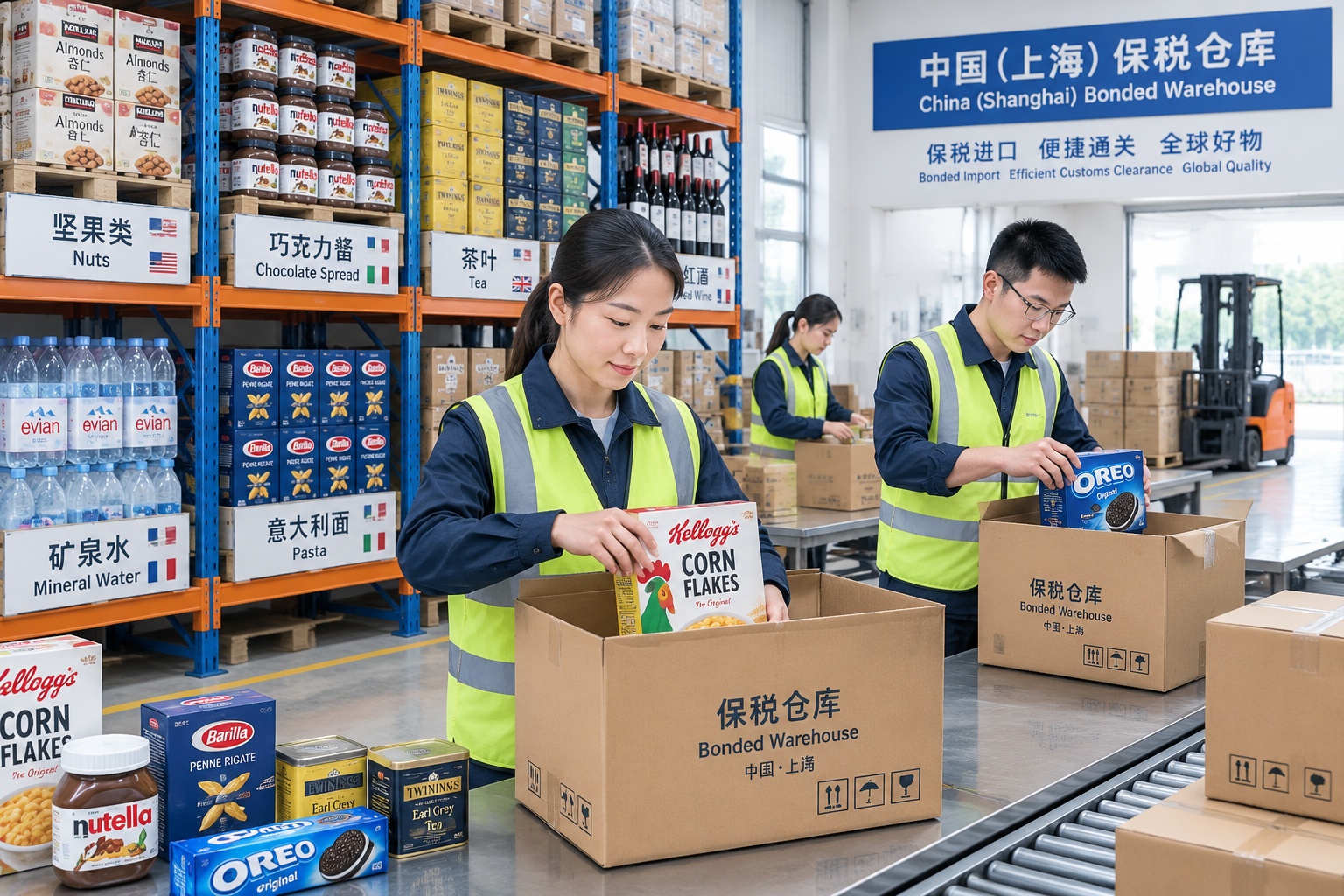
The positive list reads like a supermarket catalogue for global consumer brands. It includes most household items people want from overseas: packaged food, drinks, confectionery, baby milk formula, dairy products, cosmetics, skin care, personal care products, household cleaning goods, small electrical appliances, kitchenware, footwear, clothing, luggage, grooming tools and toys. Given the sheer scope, your favourite imported biscuit or vitamin bottle is very likely on the list.
Take a specific example. A woman in Beijing orders a Japanese sunscreen from an overseas brand store on a Chinese e-commerce app. Because the item is on the positive list, the platform can bring it into a Chinese bonded warehouse, pay customs at a preferential rate and deliver it to her door. She does not need to apply for any import permit.
Buying limits: how much can you buy per order and per year?
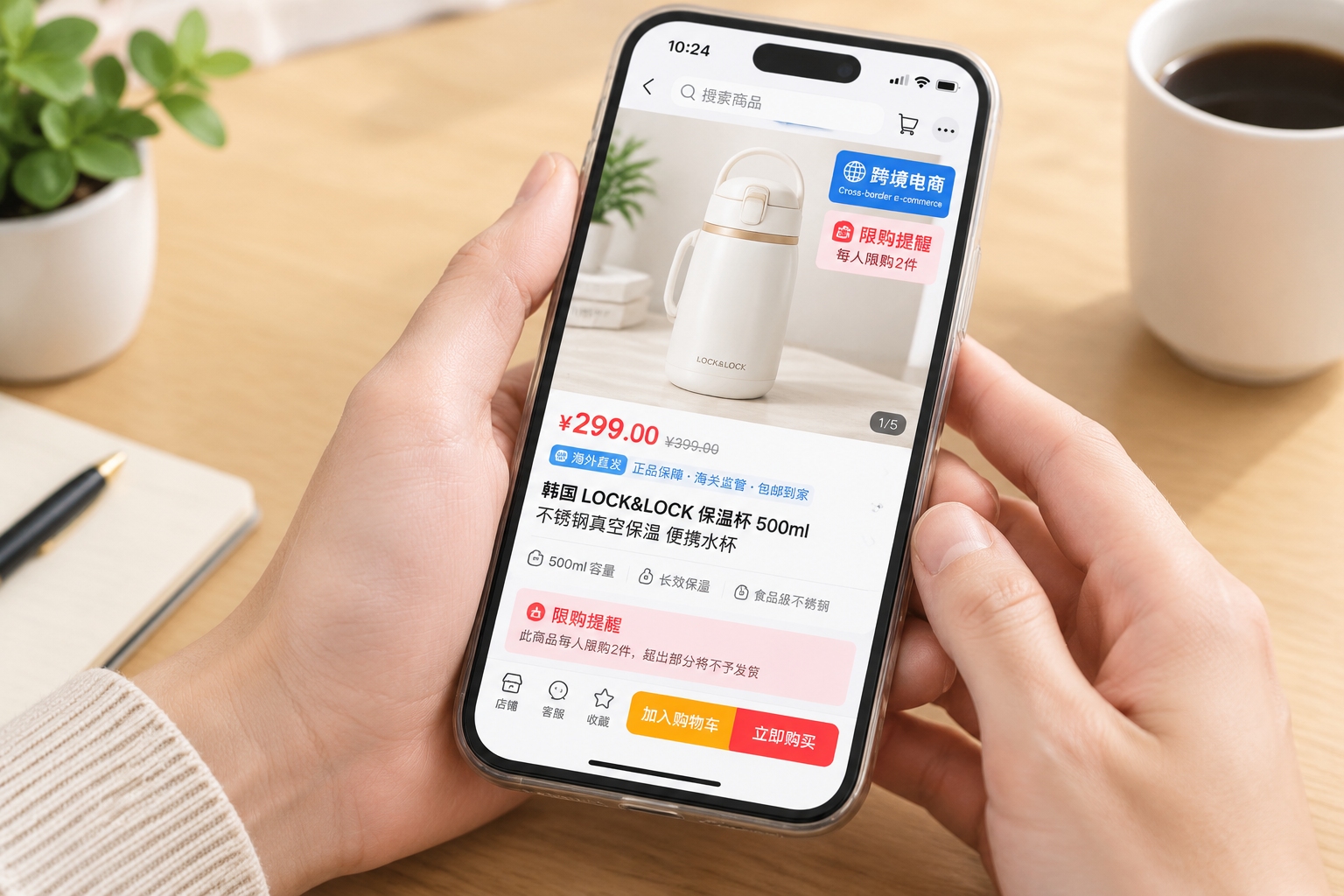
Cross-border retail is not a blank cheque. Even if a product is on the list, you are allowed to buy it only within certain transaction limits. Currently, the limit is RMB 5,000 per single order, and RMB 26,000 per person per calendar year for all cross-border retail purchases combined. These limits apply to the actual price of the goods, not including freight and insurance.
If your order is under RMB 5,000 and you have not used up your annual quota, the goods are treated as personal items. You do not need an import licence. You do need to provide your real identity to the platform for customs declaration. The tax on such orders is favourable: import duty is typically zero, while import VAT and consumption tax are collected at 70% of the normal rate.
Overstepping the limits changes the nature of the purchase. If one single item costs more than RMB 5,000 but you still have annual quota left, customs may allow it under a different set of rules, but you could face full tax or extra paperwork. If your total spending passes RMB 26,000 for the year, the cross-border retail channel closes until the next year. More importantly, if a product is not on the list or you exceed the quota, the transaction may be treated as general trade or personal postal goods, where licence and tax rules are completely different.
On the list but still need special licence or supervision?
Here is where many consumers get confused. A product can sit comfortably on the positive list and still “need a licence” — but usually not your licence. Chinese customs regulates certain categories more rigorously, even in cross-border e-commerce. Platform operators, sellers or third-party logistics providers are responsible for ensuring these products meet the legal requirements before they can offer them to you.
The main categories to know about:
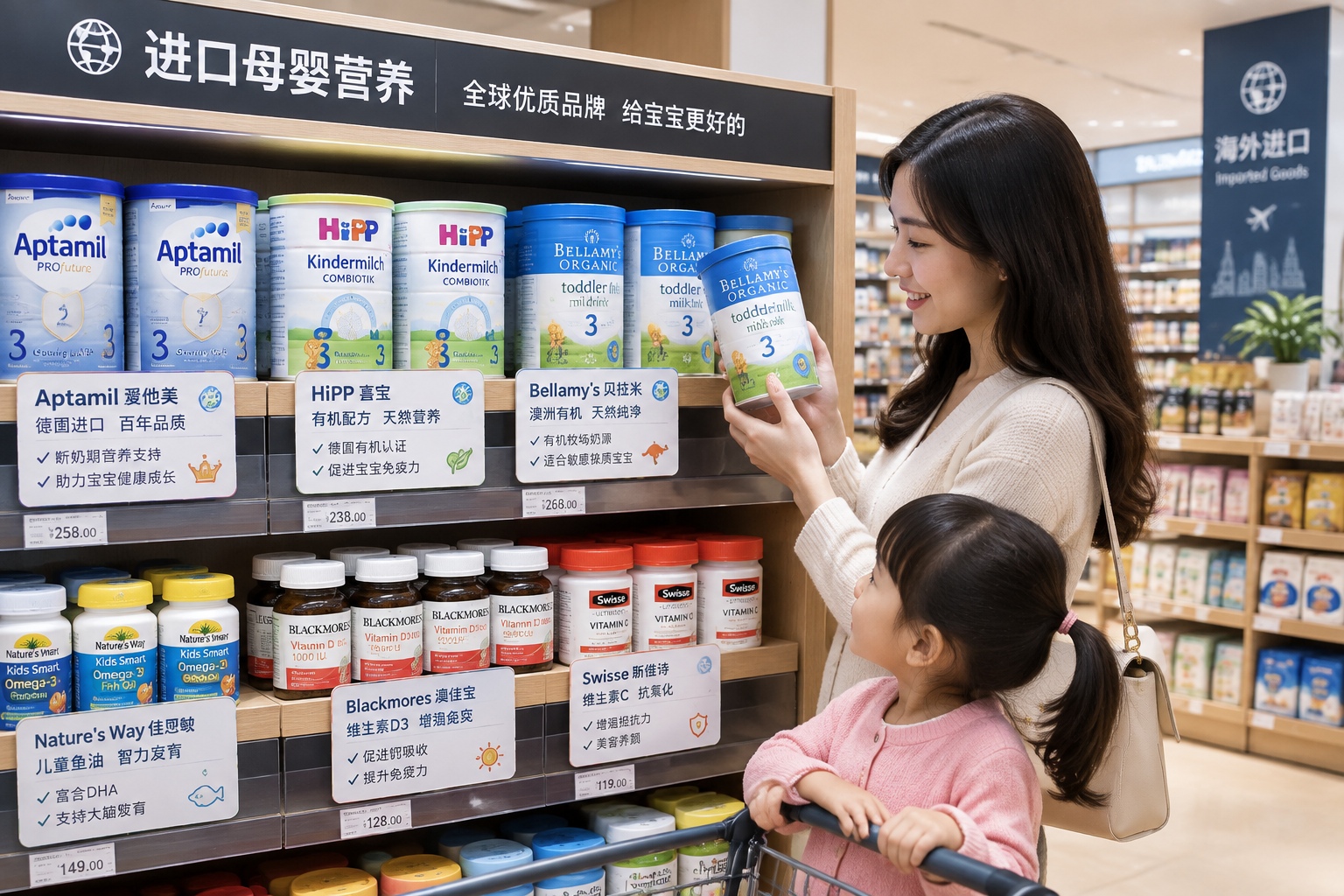
- Infant formula and dairy products. These are allowed through cross-border e-commerce, but they must come from countries with approved sanitary conditions and be manufactured by enterprises registered with China’s customs. You may see products that are not sold in Chinese domestic stores because they come directly from overseas warehouses, yet they still need to meet Chinese labelling requirements.
- Dietary supplements and health foods. They are on the list, but they must not claim to treat any disease. Labels need to include Chinese language or a Chinese sticker, and platforms often verify a product’s overseas registration paperwork.
- Foods for special medical purposes, such as formula for people with metabolic disorders. These can be purchased cross-border only under certain conditions. For example, in some apps, you may need to confirm the purchase is for medical use and possibly upload a prescription. This is an area where the Chinese government prefers tighter control.
- Cosmetics with special ingredients. Some sunscreen, whitening or anti-hair-loss products are considered “special cosmetics” under Chinese rules. Even if a foreign brand is legally sold in its home market, the Chinese side may require registration or notification for that category. In cross-border retail, the seller usually handles the paperwork, but if a seller cannot prove compliance, the product page may disappear.
So, the sentence “the product is on the list” does not automatically mean “anyone can sell it.” It means the product can legally enter China via cross-border retail, as long as the seller and platform handle licensing, labelling, sanitary certificates and other checks.
What if a product is not on the list?
Suppose you want an Australian vitamin made from an ingredient that is not included in the positive list. The cross-border retail channel is closed to that item. You have two main alternatives.
Option 1: use the personal parcel channel. You can ask a friend or a shipping agent to send the item to you from overseas. In that case, customs treats it as a personal article, not as e-commerce merchandise. There is a much lower value limit — typically RMB 1,000 per parcel from countries outside Hong Kong, Macao and Taiwan, and RMB 800 from those regions — and the item must be for personal use, not resale. You might need an import licence only if customs decides the item falls under restricted goods, which is rare for most ordinary consumer products but possible for supplements, medications and contact lenses.
Option 2: general trade import. A company can import the product in bulk through normal channels. This requires all official import licences, quality inspections, ingredient checks and labelling to be done before the goods hit the market. This is how brands enter Chinese physical shops and official e-commerce stores. It is more expensive and slower for an individual, which is why the positive-list route is so popular.
How to check the list and make sure your order is legal
You don’t need to memorise the list. The Chinese government provides free access to it. Here’s how to stay safe when you shop cross-border in China:
- Open the official website of the Ministry of Finance (mof.gov.cn) and search for “跨境电子商务零售进口商品清单” (cross-border e-commerce retail imported goods list). The latest public version is usually in PDF or Excel format.
- Find the HS code or product description of the item you want. Your shopping app may not show the code, but you can ask customer service or use a free HS code lookup tool.
- Check the single-order price plus the remaining amount of your RMB 26,000 annual quota. Most Chinese cross-border e-commerce platforms display this under “跨境额度” (cross-border quota).
- Be ready to provide your ID number. The system warns that the purchase is for personal use and cannot be resold in China. This is not an empty warning; every resident is tracked by national ID.
- If a product is not on the list, or the app tells you it is “not available for cross-border e-commerce,” consider using a legitimate international courier for a personal parcel, but remember the lower value limit and possible customs delays.
Rules change. New foods and technologies are added to the positive list from time to time. If you plan to buy a niche item, take a few minutes to search officially. And keep in mind that the list and limits described in this article are based on public notices as of the date of writing. Since the list and regulations can be revised without much prior notice, always check the Ministry of Finance and the General Administration of Customs for the latest updates.
The bottom line: the positive list is your friend, but read the fine print
The positive list lets you buy a wide variety of foreign goods directly, without dealing with import-licence bureaucracy. It saves time and money, but it is not an open door. Stay within the annual quota, use recognised platforms that handle compliance, and don’t assume that a product’s presence on the list means no paperwork at all. The extra requirements for infant formula, health products and special medical foods exist to protect you. In the end, understanding the system will make your cross-border shopping in China as smooth as ordering local takeout — almost.
Start the discussion at forum.chinacomes.com