

One Evening in a Beijing Neighborhood
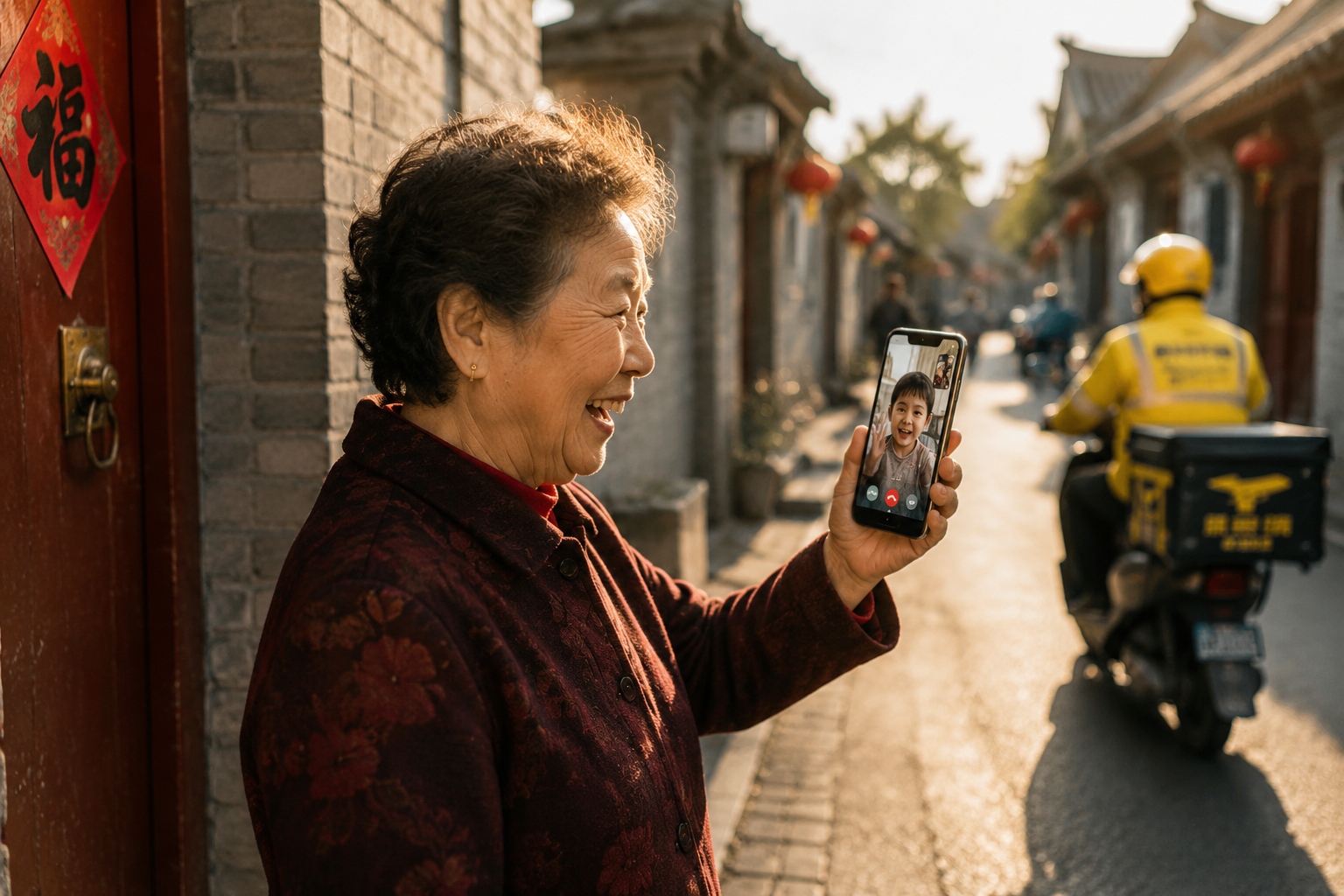
I was walking home through a narrow hutong in central Beijing when I saw Madam Liu, my 73-year-old neighbor, standing outside her door with her phone held at arm’s length. She was squinting at the screen, her thumb hovering over a green button. “Ni hao, grandson!” she suddenly shouted, and the face of a little boy appeared on the screen, giggling.
Madam Liu had just learned how to make a video call on WeChat, thanks to a teenager from next door who showed her three times. That moment — a grandmother connecting with her grandchild across three provinces — is a tiny window into a much larger transformation. Over the past decade, China’s mobile internet has quietly become the infrastructure of daily life for nearly 1.1 billion people. It is not just about technology; it is about how ordinary people find their way in a digital world, often with surprising warmth and creativity.
The Super App That Runs Everything
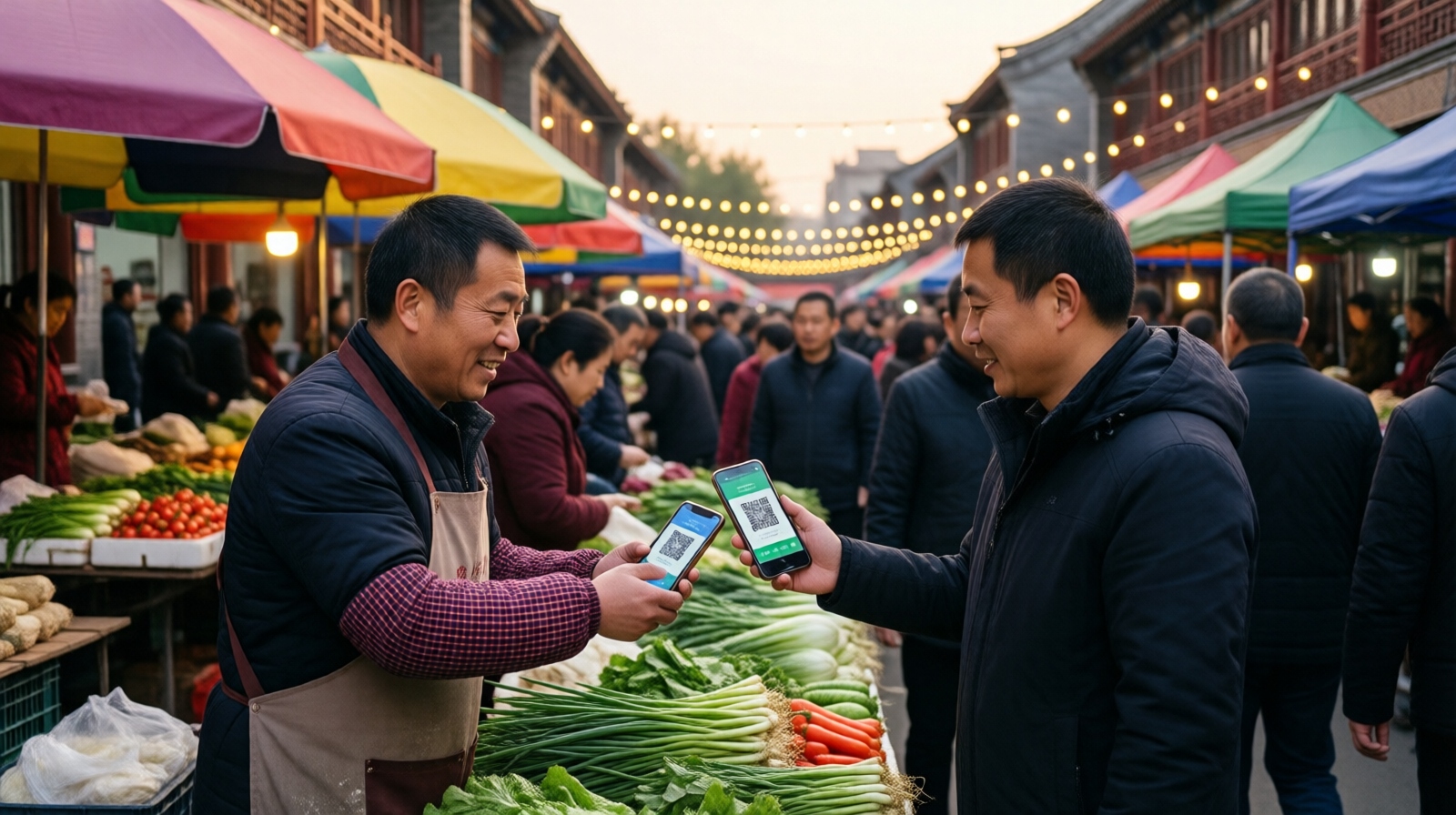
If you ask a Chinese person what they use their phone for, the answer often starts with WeChat. But WeChat is not just a messaging app. It is a digital Swiss Army knife: you pay bills, order food, book a doctor, buy train tickets, read news, send money to friends, and even file taxes — all inside one app. For many, WeChat is the internet.
WeChat Pay and Alipay have turned smartphones into digital wallets. In 2023, mobile payments in China reached over 347 trillion yuan (about 48 trillion USD). Street vendors, taxi drivers, and even farmers at rural markets now display a small QR code. I once saw a man selling sweet potatoes from a cart near a subway station; his sign read: “Scan here, I have WeChat Pay.” He didn’t carry cash, but he didn’t need to.
This convenience is not just for the tech-savvy. My own mother, who is 68 and lives in a small city in Jiangsu, uses her phone to pay for groceries, order medicine, and join a group chat where her retired friends share dance videos. She never learned to use a computer, but the smartphone — with its icons, voice commands, and facial recognition — felt intuitive. Mobile internet has erased the PC literacy barrier for millions of older Chinese.
From the Village to the World: Livestreaming as a Lifeline
Perhaps the most striking example of mobile internet’s impact is in rural China. In the countryside, where physical stores are scarce and roads are long, the phone has become a marketplace. I met a young woman named Li Xia in Yunnan province. She used to grow tea on her family’s small farm, but the income was low because middlemen took most of the profit. Then she started livestreaming on Douyin (the Chinese version of TikTok). She would show her tea plants, explain the harvest process, and chat with viewers. Within a year, she was selling directly to customers in Shanghai and Beijing, earning three times her previous income.
Li Xia’s story is not unusual. By the end of 2023, over 900 million people in China had watched a livestreaming e-commerce show. Farmers, craftsmen, and small business owners have turned their phones into storefronts. The internet does not just connect them to customers; it gives them a voice. A villager in Guizhou can now tell her own story to the world, without a middleman.
Everyday Heroes: Delivery Riders and the Gig Economy
Walk through any Chinese city and you will see them: the blue and yellow jackets of delivery riders, zipping through traffic on electric scooters. They are the arteries of the mobile economy. When you order lunch on Meituan or Ele.me, a rider picks it up from a restaurant and brings it to your door, often within 30 minutes. Behind each order is a complex algorithm that matches demand, routes, and time.
For many young people from smaller towns, food delivery is a flexible job that requires only a smartphone and a scooter. It is not always easy — the hours are long, the pay is modest, and the pressure to be fast is real. But it offers a stepping stone. I once talked to a rider named Chen Wei in Chengdu. He had been a factory worker before, but he said he preferred delivery because “I can set my own schedule and listen to podcasts while I ride.” The mobile internet has created a new kind of labor market, where millions of people find work through apps, from ride-hailing to dog-walking to tutoring.
The Digital Divide: Not Everyone Is on Board
It would be dishonest to paint a picture where everyone is equally empowered. The digital divide exists. Older people who are not comfortable with smartphones can feel left out. A hospital may require a QR code to enter, and a restaurant may only offer online ordering. For those without a smartphone or steady data connection, daily life can become frustrating.
But the government and tech companies have started to address this. WeChat has a “senior mode” with larger fonts and simplified menus. Many public services still offer paper alternatives. Community volunteers teach seniors how to use apps. The goal is not to force everyone into digital life, but to make the transition as gentle as possible.
The Future: Smarter, but Still Human
When I look at Madam Liu learning to video-call her grandson, I see more than a tech tutorial. I see a grandmother who wants to stay connected, who refuses to be left behind. The mobile internet in China is not a cold system of algorithms and notifications. It is a fabric woven by billions of small decisions, every day: a farmer selling oranges through a livestream, a delivery rider humming a song as he pedals, a retiree sending a red envelope to her granddaughter on WeChat.
As 5G rolls out and AI becomes more embedded in apps, the next chapter of this story will be even more profound. But the heart of it will remain the same: ordinary people, using simple tools, to make their lives a little better. That is the real story of China’s digital citizens.
Start the discussion at forum.chinacomes.com