

The Myth of the “Unsafe” Tap
Ask a local in Shanghai, Beijing, or Shenzhen if they drink tap water straight from the kitchen sink, and you will likely get a look of genuine confusion. The standard answer is immediate: No.
This isn’t because China lacks clean water infrastructure. In fact, China’s municipal water treatment standards have improved dramatically over the last decade. The issue lies in what happens after the water leaves the treatment plant and enters your building.
In many Chinese cities, especially older residential compounds, water is stored in rooftop tanks or underground basements before being pumped up to individual apartments. These secondary storage facilities can sometimes harbor bacteria or sediment if not cleaned regularly. Additionally, aging lead or iron pipes in mid-rise buildings can introduce contaminants during the final stretch of delivery.
Why Boiling Became a Habit
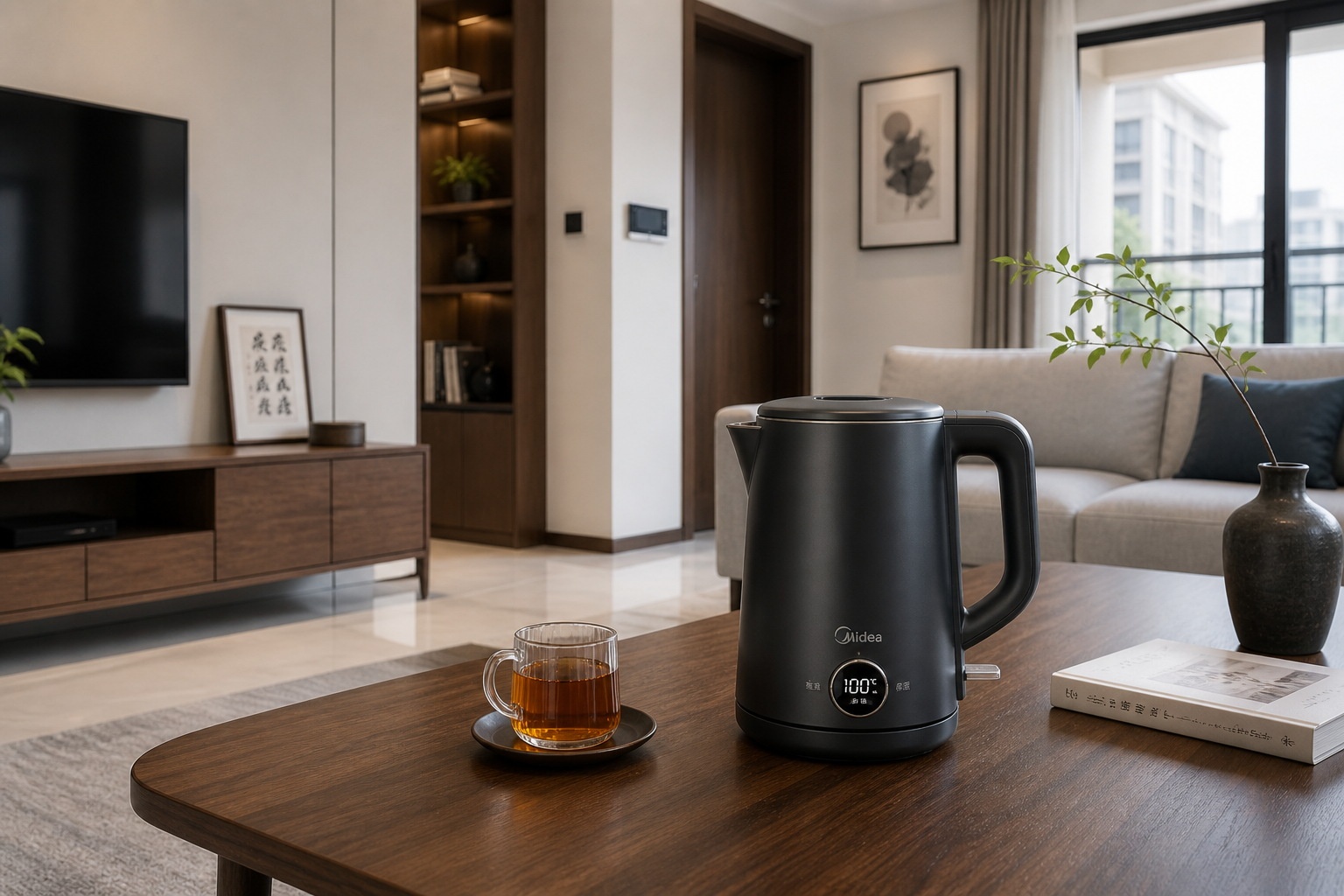
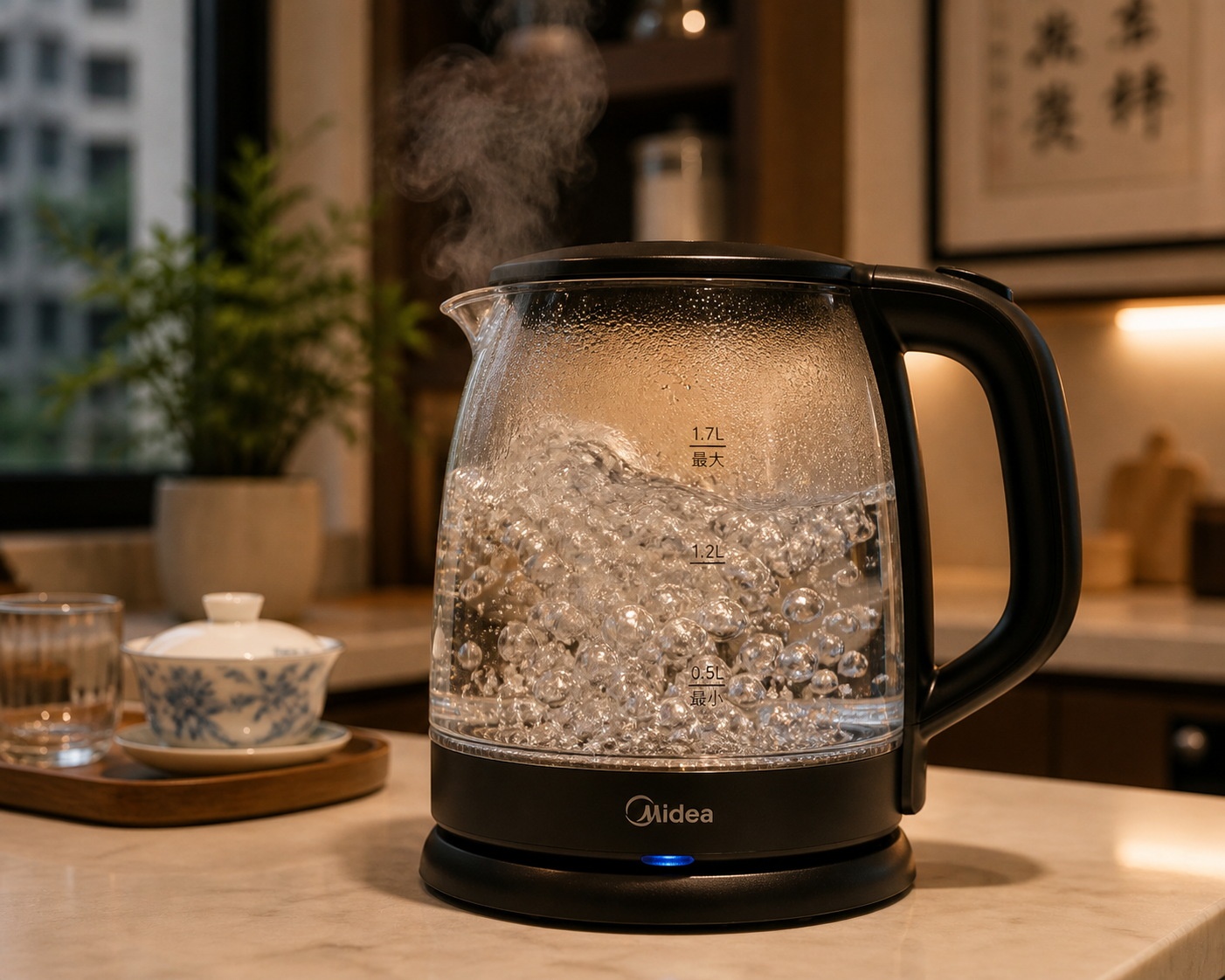
For decades, the solution was simple: boil it. This is why you see electric kettles on almost every desk in Chinese offices and living rooms next to sofas.
Boiling water isn’t just about safety; it’s cultural. In traditional Chinese medicine (TCM), drinking warm or hot water is believed to aid digestion and balance the body’s energy. Cold tap water is often viewed as harsh on the stomach. So, even if the water were perfectly safe at the source, most Chinese people still prefer their water heated.
This habit has created a unique consumer market for kettles—ranging from basic glass models to high-tech smart devices that maintain precise temperatures for brewing different types of tea.
The Rise of Delivery Water (Bucket Water)
If you don’t want to wait for water to boil, or if you live in a newer high-rise with better pipe maintenance, many people turn to “bucket water”—large 5-gallon (18.9L) plastic bottles delivered to your door.
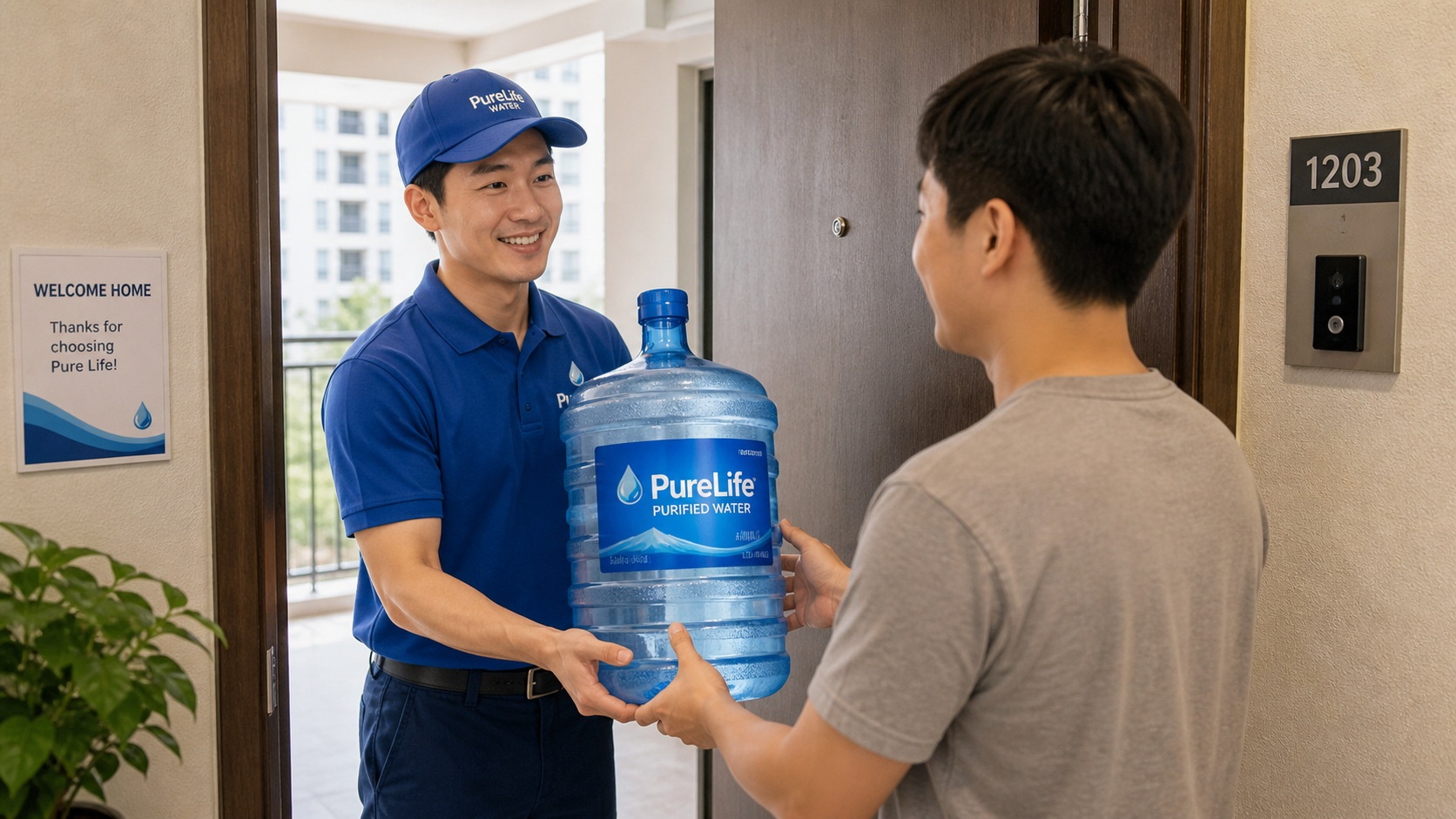
This service is incredibly convenient. You download an app or call a local number, and within two hours, a worker in a uniform brings you a fresh bottle, often swapping out your empty one for hygiene reasons.
The cost is modest—usually between 15 to 25 RMB (approx. $2–$3.50 USD) per bottle, plus a small deposit for the reusable container. It’s affordable enough for daily use in middle-class households.
However, this model has critics. Environmental concerns about single-use plastics are growing. More importantly, there have been occasional scandals regarding hygiene at some local bottling plants, where water quality was questionable. While major national brands (like Nongfu Spring or Ganten) are strictly regulated and safe, smaller local operators may vary in their standards.
The Modern Solution: Under-Sink and Countertop Filters
Recently, a third option has become dominant in urban China: the home water purifier. This is particularly true in Tier 1 cities like Shanghai and Hangzhou, where residents are more willing to invest in health technology.
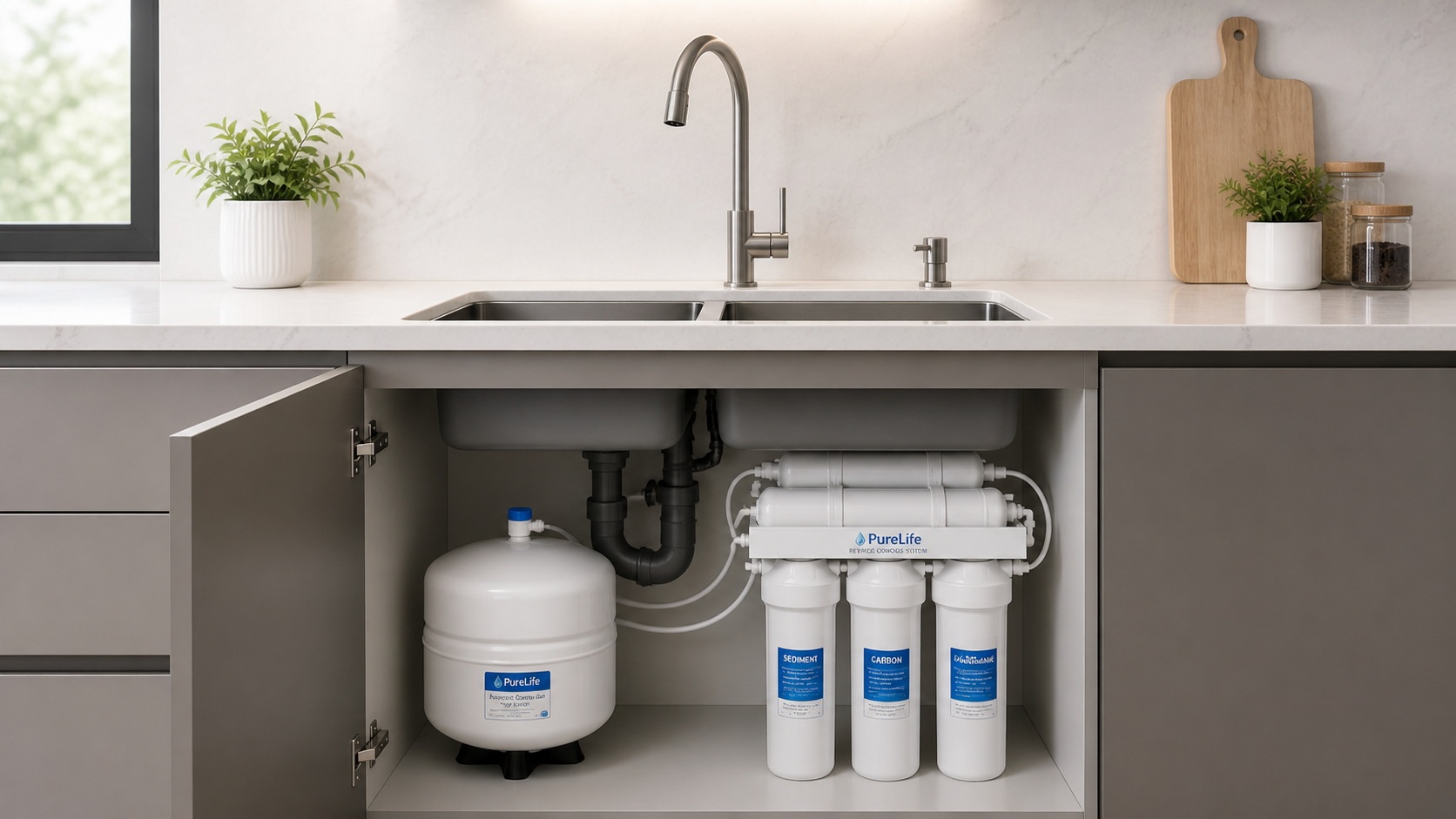
There are two main types:
- Under-sink Reverse Osmosis (RO) systems: Installed under the kitchen sink, these use a membrane to filter out almost everything, including heavy metals and microplastics. They require professional installation but offer the highest purity.
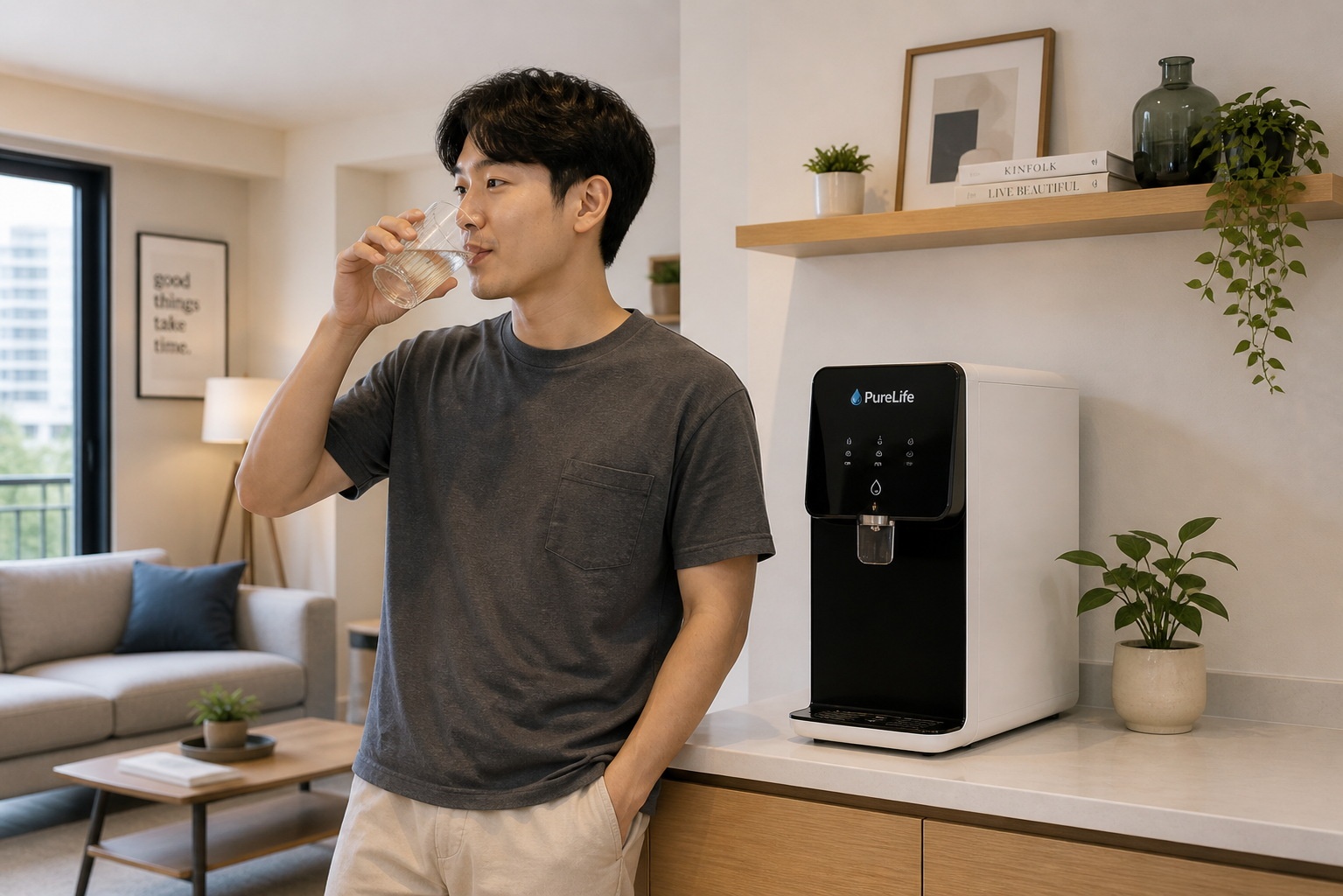
- Countertop filtration pitchers or dispensers: These are plug-and-play devices. You pour tap water in, and filtered water comes out instantly. Popular among renters who cannot modify their plumbing.
The cost here is higher upfront. A good RO system can cost 1,500–3,000 RMB ($200–$400 USD). But the real ongoing expense is filter replacement. Chinese consumers are very data-driven about this; apps often remind users when filters are clogged based on usage volume.
Tier Differences Matter
It’s important to note that water quality varies by region. In southern China, where rainfall is abundant, municipal water might feel “softer” but can carry more organic sediment. In northern cities like Beijing or Xi’an, water hardness (calcium/magnesium levels) is higher, leading to more limescale in kettles.
In smaller Tier 3 or Tier 4 cities, the public water infrastructure may be less rigorous. While boiling is still the primary defense, some rural areas or older districts might have more frequent issues with pipe corrosion.
A Guide for Renters and Expats
If you are renting an apartment in China and don’t want to deal with heavy installation work, here is a practical hierarchy of choices:
- Basic Safety: Always boil tap water before drinking. This neutralizes bacteria from old pipes.
- Convenience: Use a countertop electric kettle with a built-in filter (like Xiaomi or Mijia brands), which is cheap and effective for basic sediment removal.
- Premium Comfort: If your lease allows, install a simple under-sink RO unit. It’s non-destructive if done correctly and adds value to your living experience.
The Verdict
China’s approach to drinking water is not about one single solution, but a layered system of habits and technologies. Boiling remains the cultural baseline. Bucket water offers convenience for those who dislike waiting. And home filtration represents the modern shift toward personalized health control.
For visitors or new residents, starting with boiled water or filtered bottled water from trusted brands is the safest bet. Eventually, you might find yourself joining the millions of locals who keep a kettle on the boil, not out of fear, but out of habit and preference for that familiar warmth.