

History You Can Hold in Your Hand
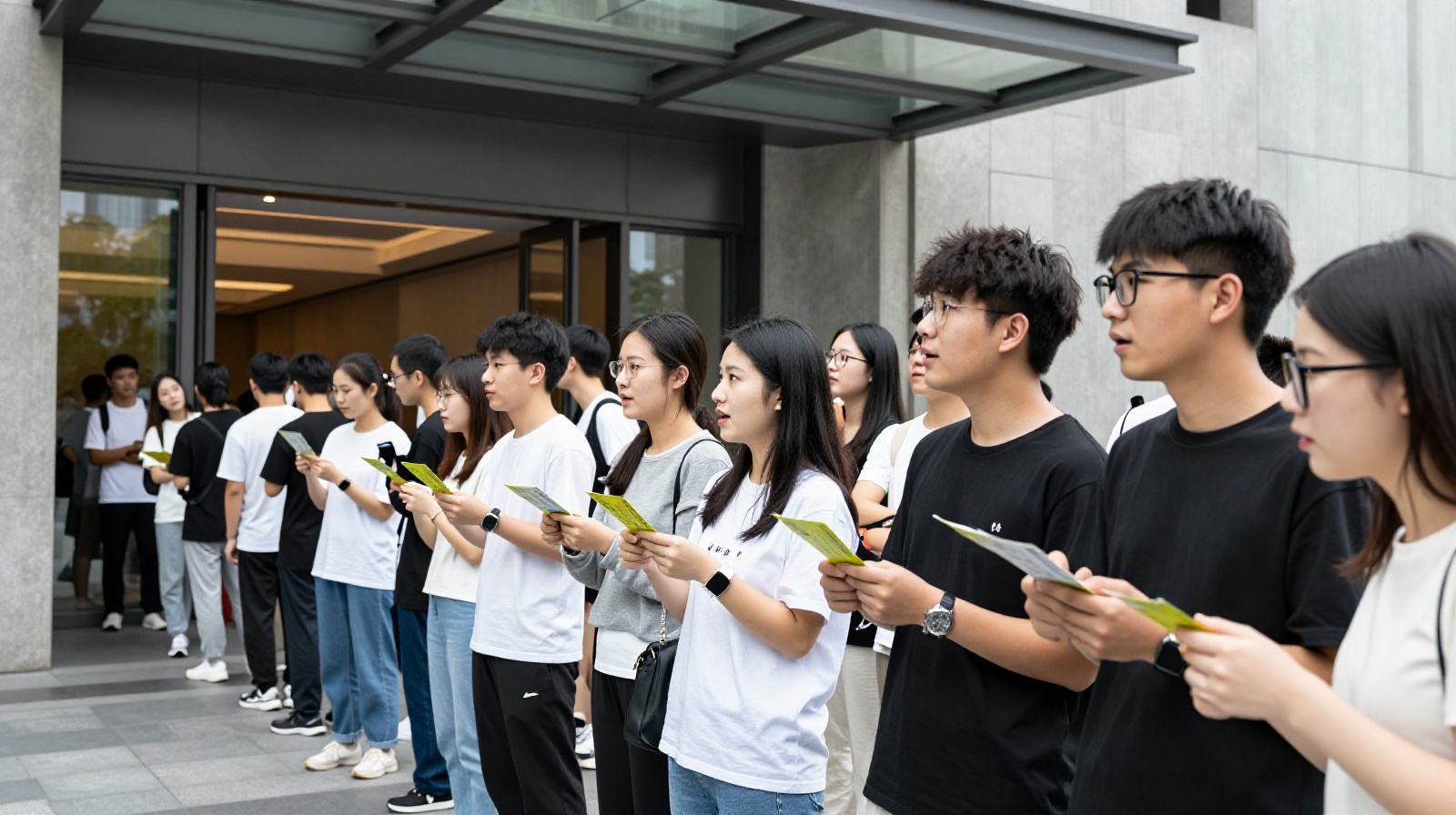
The line outside the National Museum of China stretches around the block. But this isn’t a queue for a concert or a new iPhone launch. It’s for something far more mundane, yet surprisingly exciting: a small box containing a replica of an ancient artifact.
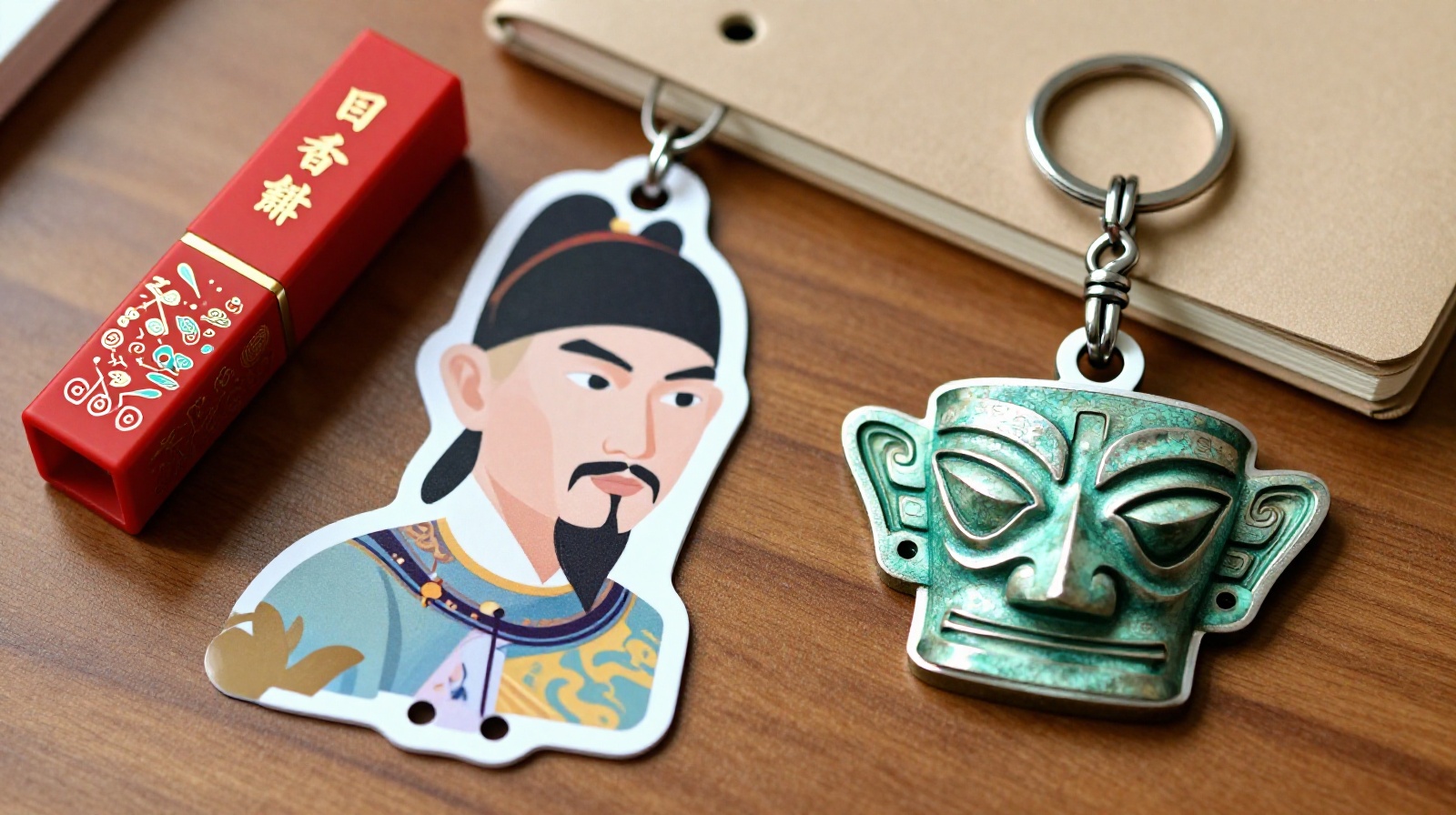
Inside that box might be a miniature version of the famous “Maojia” bronze lamp from the Han Dynasty, now turned into a cute desk figurine. Or perhaps it’s a keychain shaped like a Sanxingdui bronze mask, with its exaggerated eyes and alien-like features, reimagined as a playful accessory rather than a solemn relic.
This is the new face of cultural tourism in China. For decades, museums were places you visited once out of obligation—quiet halls where you stood behind velvet ropes, whispering not to touch anything. Today, they are retail powerhouses. The phenomenon is known locally as “wenchuang” (cultural and creative products). It’s the result of a deliberate effort by Chinese institutions to make history accessible, fun, and deeply personal.
From Solemn Relics to Playful Accessories
The shift is stark. Take the Palace Museum (the Forbidden City) in Beijing. Once strictly focused on preserving imperial architecture and artifacts, it has become a trendsetter in its own right.
In 2013, the museum launched a series of cultural products that changed everything. Among the first was a line of lipsticks featuring colors inspired by traditional Chinese pigments—vermilion from palace walls, cyan from glazed tiles. At first, many older visitors were confused. How could lipstick be related to ancient bricks? But younger consumers saw it differently. They didn’t see a political statement; they saw a way to wear history.
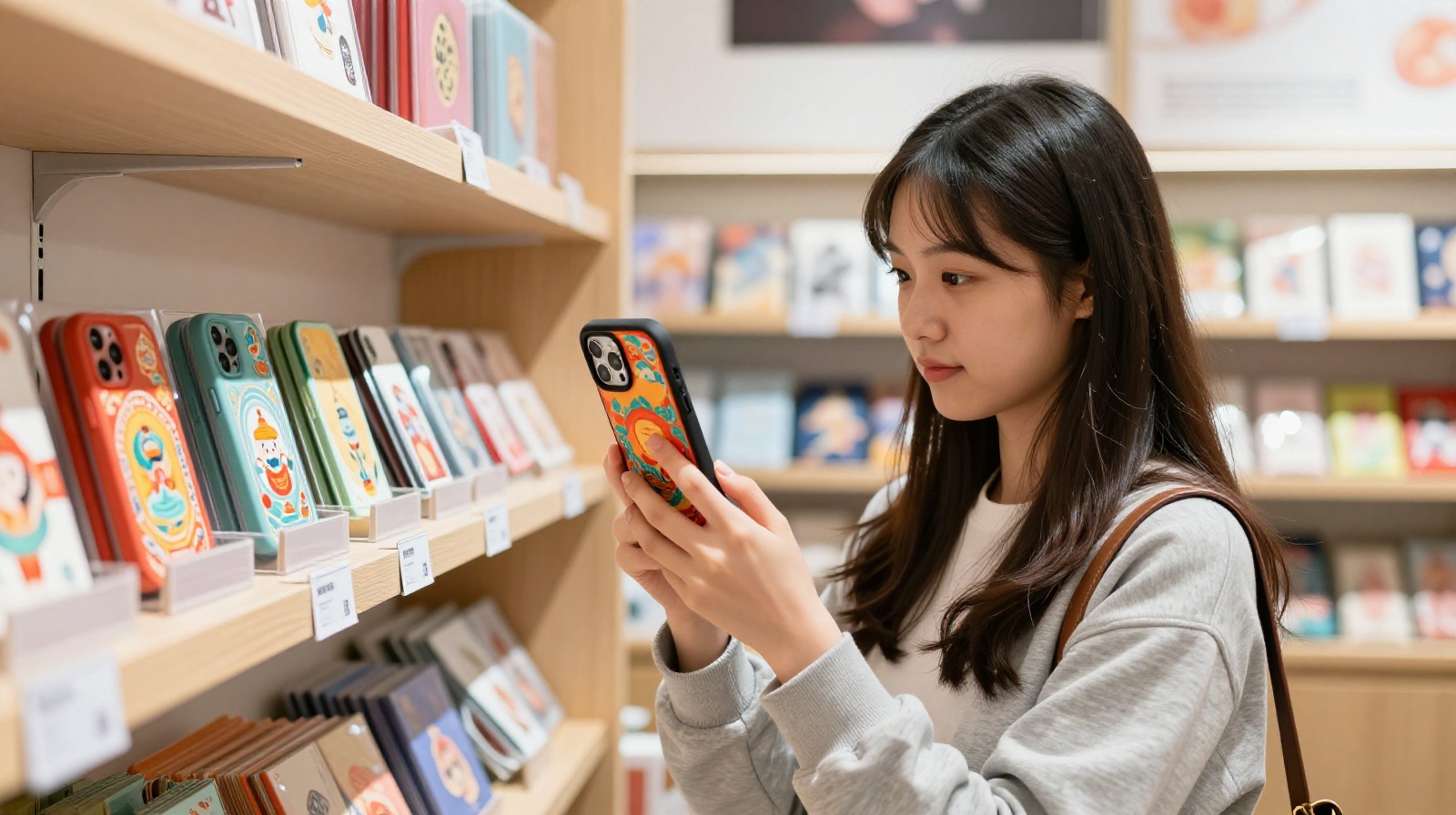
Today, the “Palace Museum IP” is everywhere. You can find notebooks with emperors’ faces wearing funny expressions (based on historical portraits), phone cases featuring intricate cloud patterns from Qing Dynasty robes, and even instant noodles packaged in boxes that look like imperial edicts.
The design logic is simple but effective: extract the visual language of heritage—patterns, colors, motifs—and apply it to everyday objects. It’s not about changing the history; it’s about changing how we interact with it.
Blind Boxes and the Mystery of Antiquity
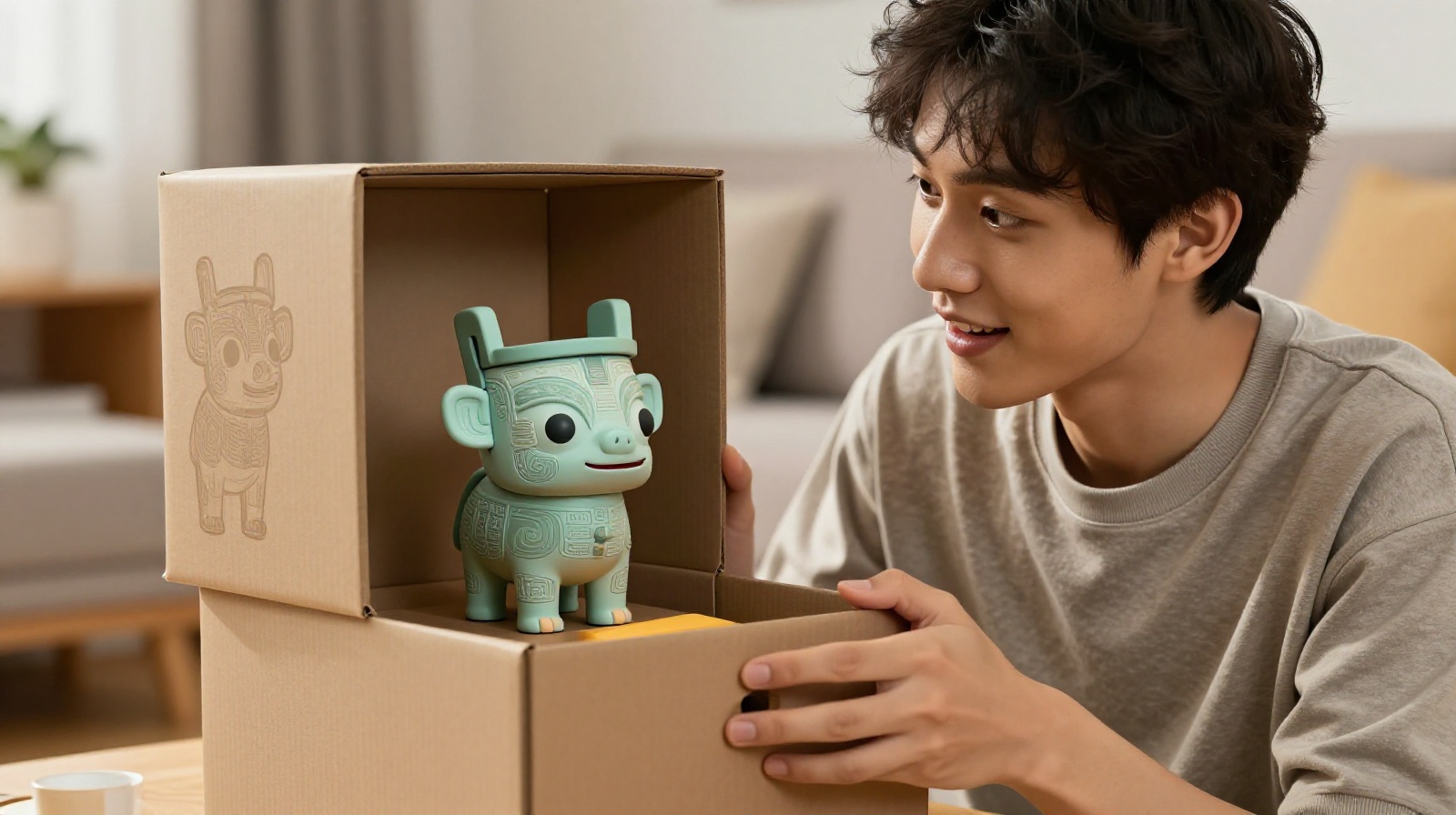
If there is one product category that defines this boom, it’s the “blind box.” Popularized in Asia by collectible toy figures, blind boxes contain a random item from a series. You don’t know what you’ll get until you open it.
Museums have embraced this gambling-like mechanic for history. The National Museum of China and others have released blind boxes featuring miniature versions of national treasures: the Simuwu Ding (a massive bronze vessel), the Golden Cup, or even fragments of ancient pottery painted to look like modern art. For young collectors, it’s a thrill that combines surprise with education. Each unboxing is a small lesson in Chinese history.
This strategy works because it taps into the psychology of collection and discovery. It turns passive observation into active engagement. Instead of just looking at a statue through glass, you now own a tiny version of it on your desk.
Designing for Gen Z
Why has this resonated so strongly with Chinese youth? Part of the answer lies in digital culture. In China, social media platforms like Xiaohongshu (Little Red Book) and Douyin (TikTok) are driven by aesthetics.
Museums realized that to reach Gen Z, they had to speak their language. This means using memes, cute illustrations, and relatable scenarios. For example, the Sanxingdui Museum released a set of stickers for WeChat featuring its bronze masks with funny captions like “I’m not weird, I’m just unique.” These digital assets became viral hits, paving the way for physical merchandise.
The designs often prioritize “cuteness” (meng) or irony over solemnity. A bronze bird from the Shu Kingdom might be depicted wearing sunglasses. A traditional Chinese knot might be turned into a modern bag charm. This isn’t seen as disrespectful by most young Chinese people; rather, it’s viewed as a way to demystify ancient objects and make them feel relevant to their daily lives.
More Than Just Shopping
Critics might argue that turning history into merchandise is “commercializing culture.” And indeed, the line between education and commerce can be blurry. Museums need revenue to maintain their collections and fund research. Selling a $10 scarf helps pay for the climate control in the exhibition hall.
But for many consumers, this isn’t just about shopping. It’s an expression of cultural confidence. In a globalized world where Western brands dominate fashion and tech, buying a product based on Chinese heritage feels like a statement of identity. Wearing a scarf with Dunhuang mural patterns or carrying a tote bag featuring calligraphy art is a subtle way of saying, “This is my culture, and it’s cool.”\p>
This trend has also pushed museums to rethink their own roles. They are no longer just guardians of the past; they are incubators for contemporary creativity. Curators now work closely with industrial designers, artists, and even fashion brands to create products that bridge the gap between ancient aesthetics and modern utility.
The Future of Heritage
The boom in cultural heritage merchandise shows no signs of slowing down. As China’s middle class continues to grow, so does the demand for experiences and goods with meaning. People don’t just want to buy things; they want to buy stories.
For the international observer, this phenomenon offers a fresh perspective on Chinese society. It suggests that tradition is not being discarded in favor of modernity; it’s being reinvented. History is no longer a heavy burden or a distant memory. It’s light, playful, and available right at your fingertips—literally on your phone case.
So the next time you see someone carrying a bag with a strange bronze mask printed on it, don’t assume it’s just a fashion statement. They might be carrying a piece of 3,000-year-old history, reimagined for the 21st century.