
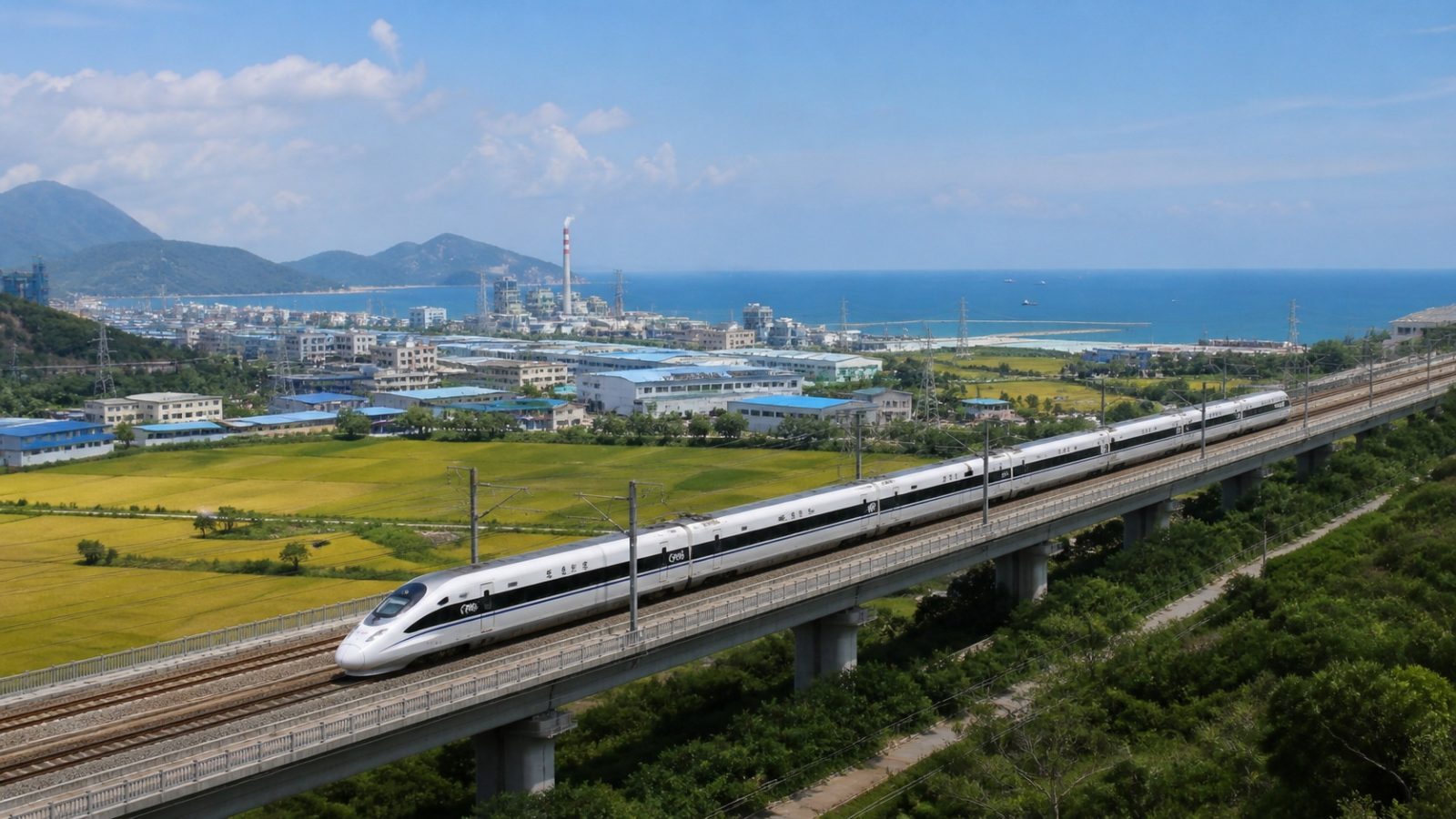

The Blur of Speed: More Than Just an Hour
The sound is the first thing you notice. It is not a roar, but a low, consistent hum that vibrates through the floorboards—a physical reminder of the momentum beneath your seat. At 160 kilometers per hour, the landscape outside the window of the high-speed train shifts from the flat, wheat-colored plains of Hebei province to rolling hills and, eventually, the glint of sea light.
This is the journey from Shijiazhuang, a gritty industrial hub and provincial capital, to Qinhuangdao, a coastal city known for its sandy beaches and summer resorts. For most Chinese travelers today, this 140-kilometer trip takes exactly one hour. But to understand what this means for daily life in China, you have to look past the timetable.
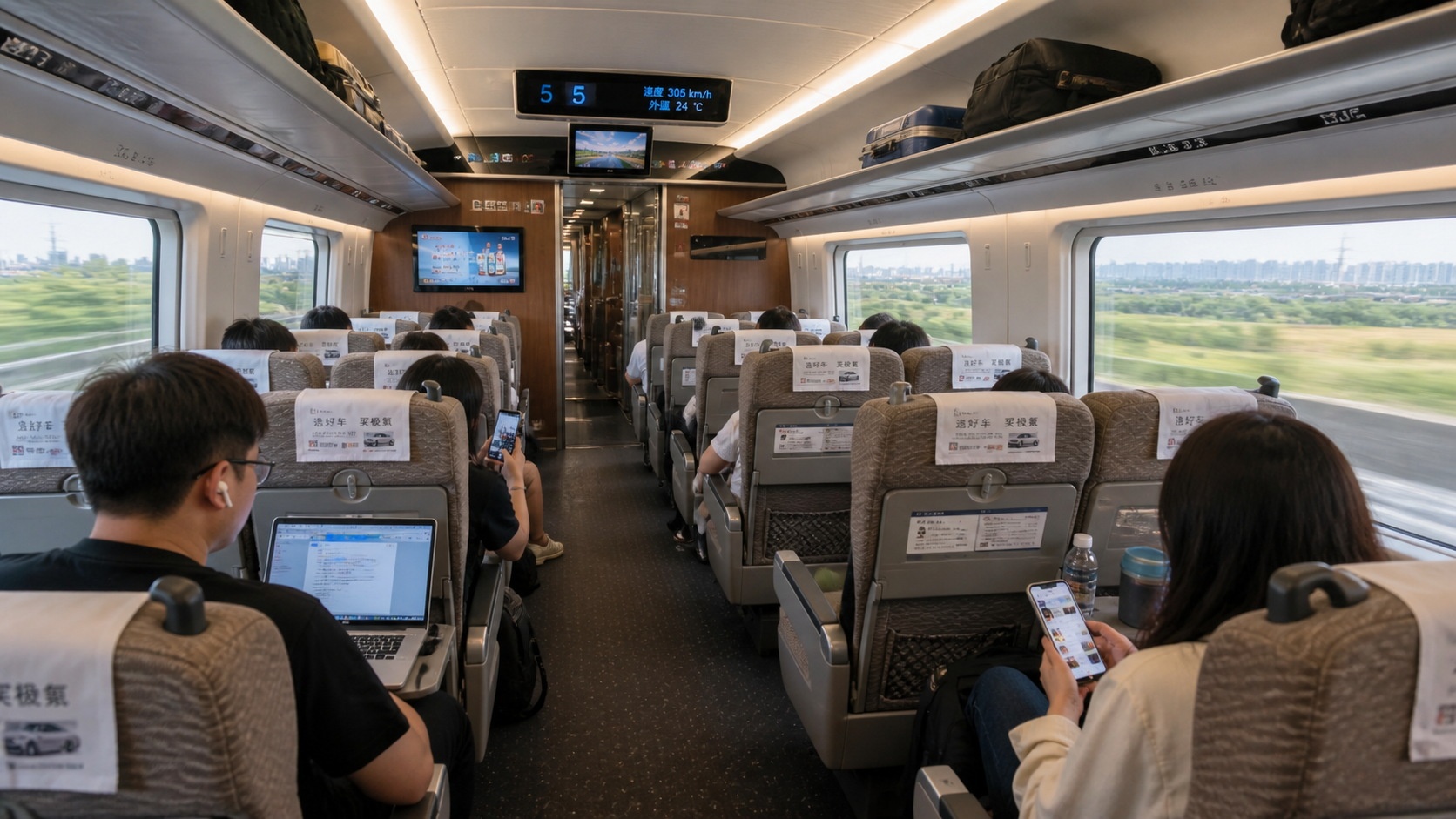
The Economics of Commuting: Housing vs. Lifestyle
Behind this seamless rail link is a stark economic reality that drives millions of decisions every week. Shijiazhuang offers the stability of a major city: established hospitals, top-tier universities, and a robust job market in manufacturing and technology. Its housing prices are reasonable for a provincial capital, but the urban environment can feel dense and utilitarian.
Qinhuangdao, located just an hour away on the Bohai Sea, offers something different: space, air quality, and direct access to nature. However, it lacks the high-paying corporate jobs found in Shijiazhuang or Beijing. Historically, these two cities existed in separate silos. Today, the Beijing-Tianjin-Hebei integration policy has welded them together with concrete and steel.
The result is a new form of lifestyle arbitrage. A young professional might keep their job in Shijiazhuang, where rent is lower than in Beijing, but spend their weekends in Qinhuangdao. They trade the bustle of the industrial north for the rhythm of the coast, all without uprooting their family ties or career trajectory. This is not a weekend getaway reserved for the wealthy; it is a calculated optimization of quality of life by ordinary workers.
A Saturday in the One-Hour Circle
Consider Lin, a 28-year-old software engineer living in Shijiazhuang. His Saturday routine illustrates how this China high-speed rail network has altered local habits. He wakes up at 9:00 AM, grabs coffee from a chain shop that looks identical to those in Shanghai or Chengdu, and heads to the station.
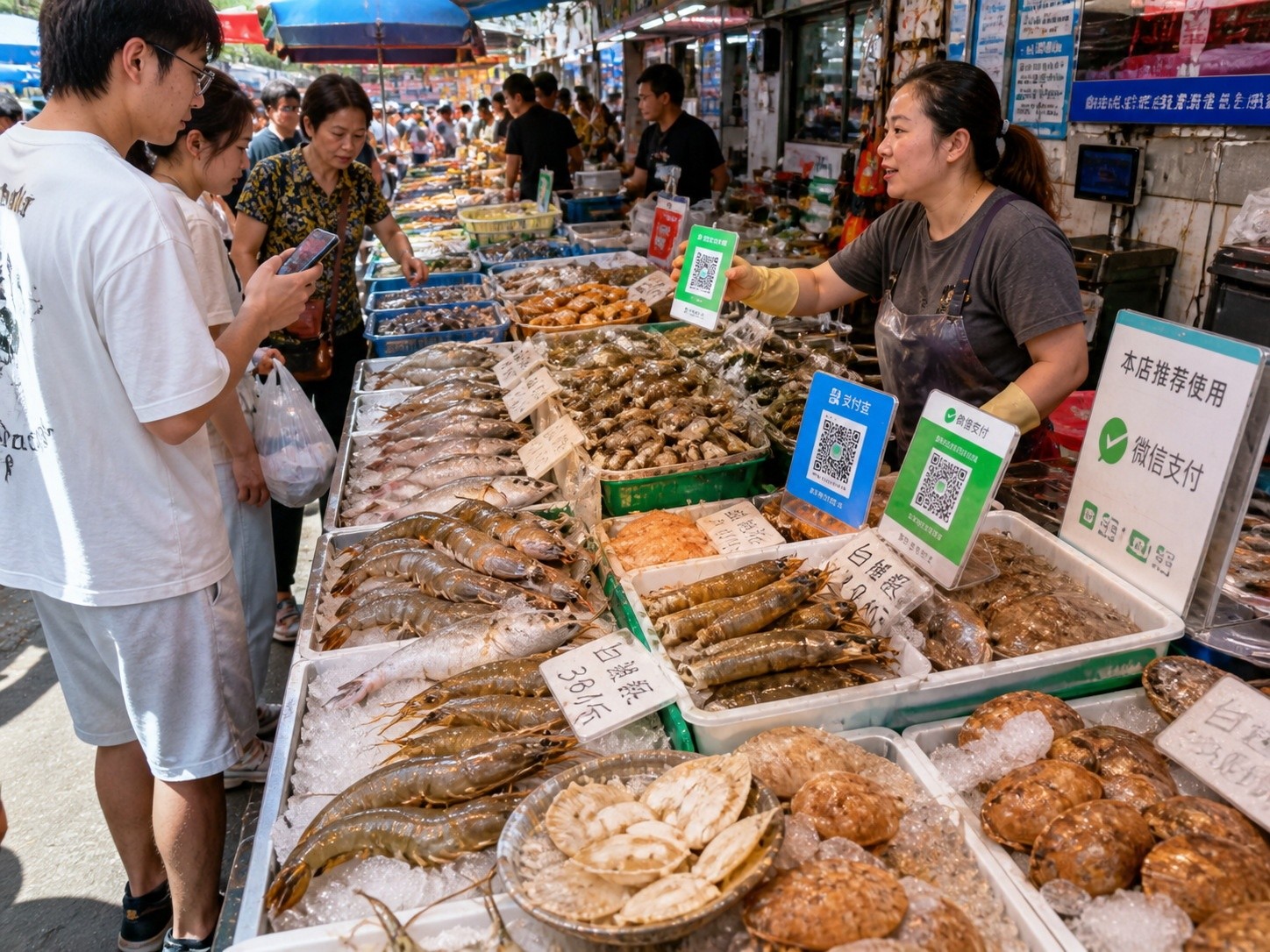
The train arrives in Qinhuangdao by 10:30 AM. Lin does not rush to the famous Beidaihe beaches, which are crowded with tourists in July. Instead, he walks a few blocks inland to the local wet market. Here, the Chinese daily life unfolds in its most authentic form. He buys fresh sea bass and shellfish from vendors using WeChat Pay or Alipay—a transaction that takes seconds. There is no cash handling, no haggling over currency conversion. The digital infrastructure is as seamless as the rail tracks.
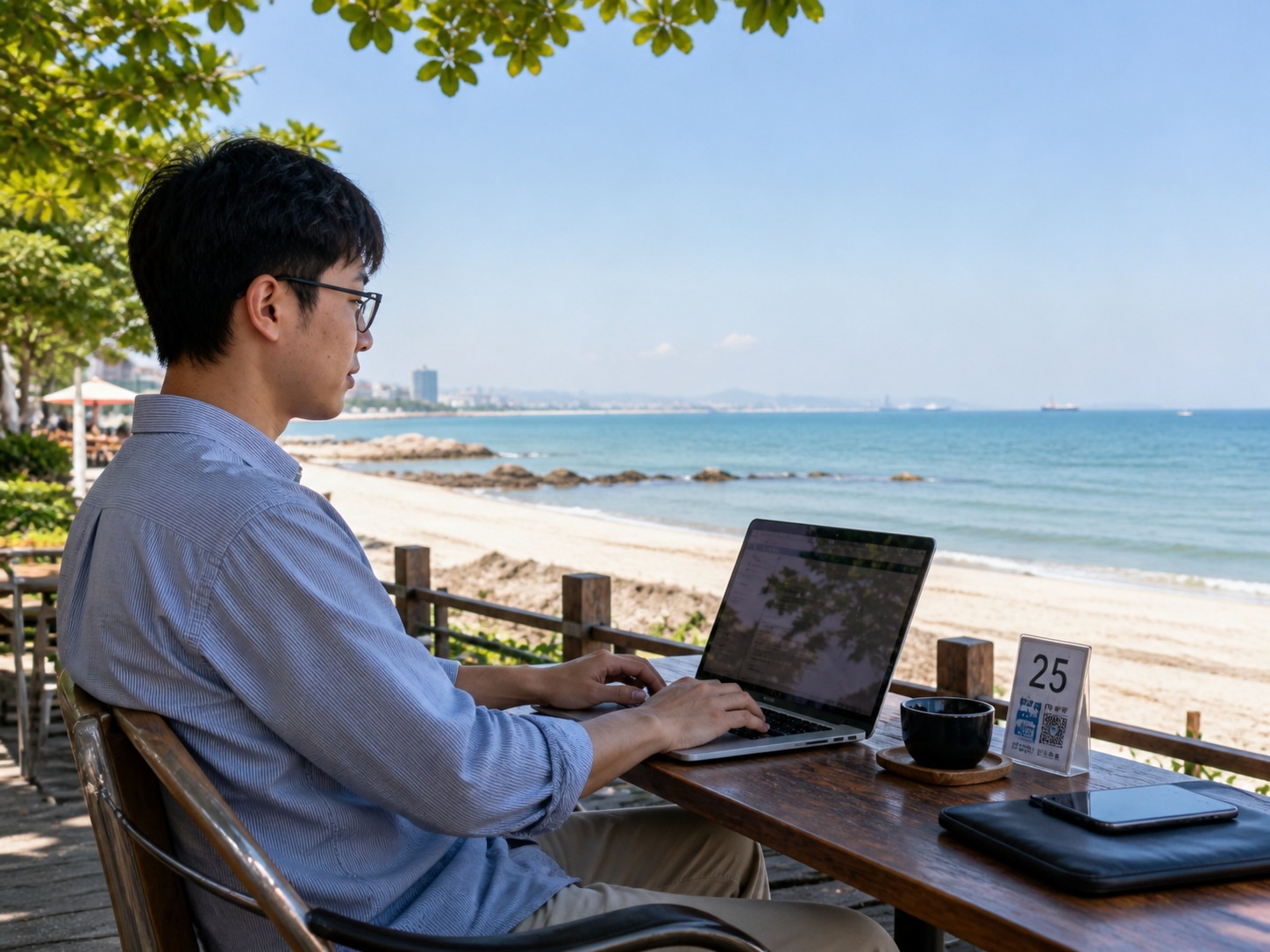
By noon, he is on a public bus powered by electricity, heading to a quiet park overlooking the sea. He works remotely for an hour, his laptop open against a backdrop of blue water. This scene captures a broader trend: the decentralization of leisure. The boundary between “work city” and “holiday resort” is dissolving.
Beyond the Tourist Lens
For outsiders, Qinhuangdao might still evoke images of mass tourism and crowded summer pavilions. But for locals like Lin, it is simply an extension of their living room. The city has transformed its public spaces to accommodate this daily flow. Shared electric bikes are parked neatly along the seawall, ready for a ride home after lunch.
Evening in Qinhuangdao looks different from Shijiazhuang. While both cities have vibrant night markets with street food, the coastal air brings a sense of relaxation that is hard to find in the industrial heartland. Lin meets friends at a local seafood restaurant. They discuss their jobs, but also the new subway expansions in Beijing and the rising costs of living in tier-1 cities. The conversation reflects a pragmatic optimism: technology has shrunk the world, but it has also highlighted the disparities that still exist.
The Social Architecture of Connectivity
The Shijiazhuang to Qinhuangdao commute is more than a travel route; it is a social experiment in regional equality. For decades, China’s development was heavily concentrated in coastal megacities like Beijing and Shanghai. The “Beijing-Tianjin-Hebei” strategy was designed to relieve the pressure on the capital by developing surrounding regions.
High-speed rail is the artery that makes this possible. It allows talent to flow outward from congested centers without sacrificing career opportunities. For the cost of living in China, this means a reprieve for middle-class families who can no longer afford the exorbitant rents of Beijing but refuse to leave its job market entirely.
This one-hour circle is creating a new social fabric. It challenges the old notion that you must live where you work. Instead, it suggests a future where life is distributed across a network of cities, each specializing in different aspects of human experience—work, rest, education, and leisure—all connected by the reliable hum of high-speed rail.