

Morning at the Reservoir
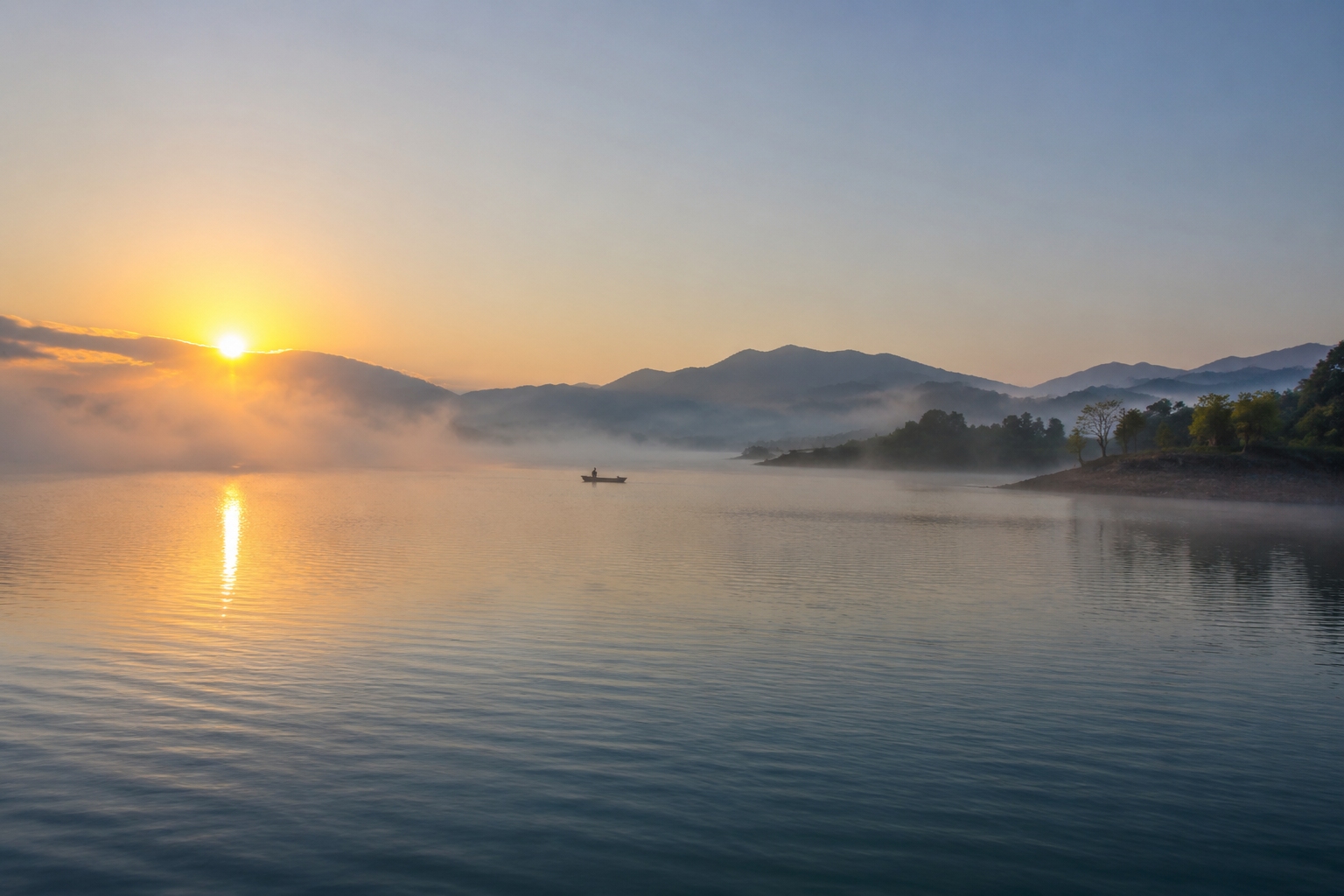
At six in the morning, the mist over Danjiangkou Reservoir still clings to the water. Li Mingshan, 64, stands on the balcony of his new two-story house, staring at the distant surface. Three years ago, his old village lay two hundred meters downhill, where the water now runs fifteen meters deep. He points east: “My jujube trees are under there. I planted them in 1985.”
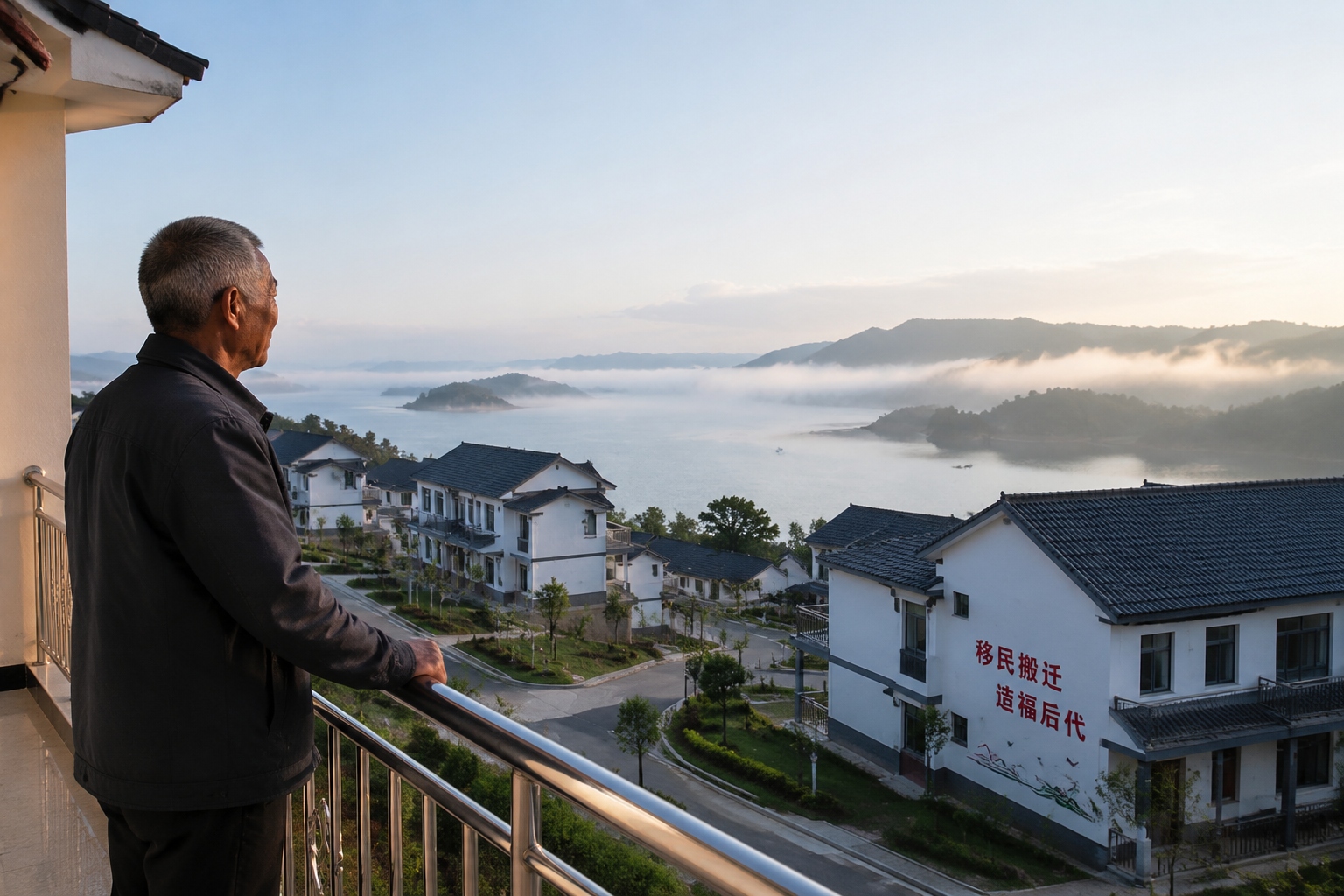
Li is one of 340,000 people relocated for the South-to-North Water Diversion Project, the world’s largest inter-basin water transfer effort. The project moves water from the Yangtze River basin to the dry north, including Beijing and Tianjin. For Li and his neighbors, the river stopped being just a river the day the government told them their land would be flooded.
The Engineer’s Tunnel
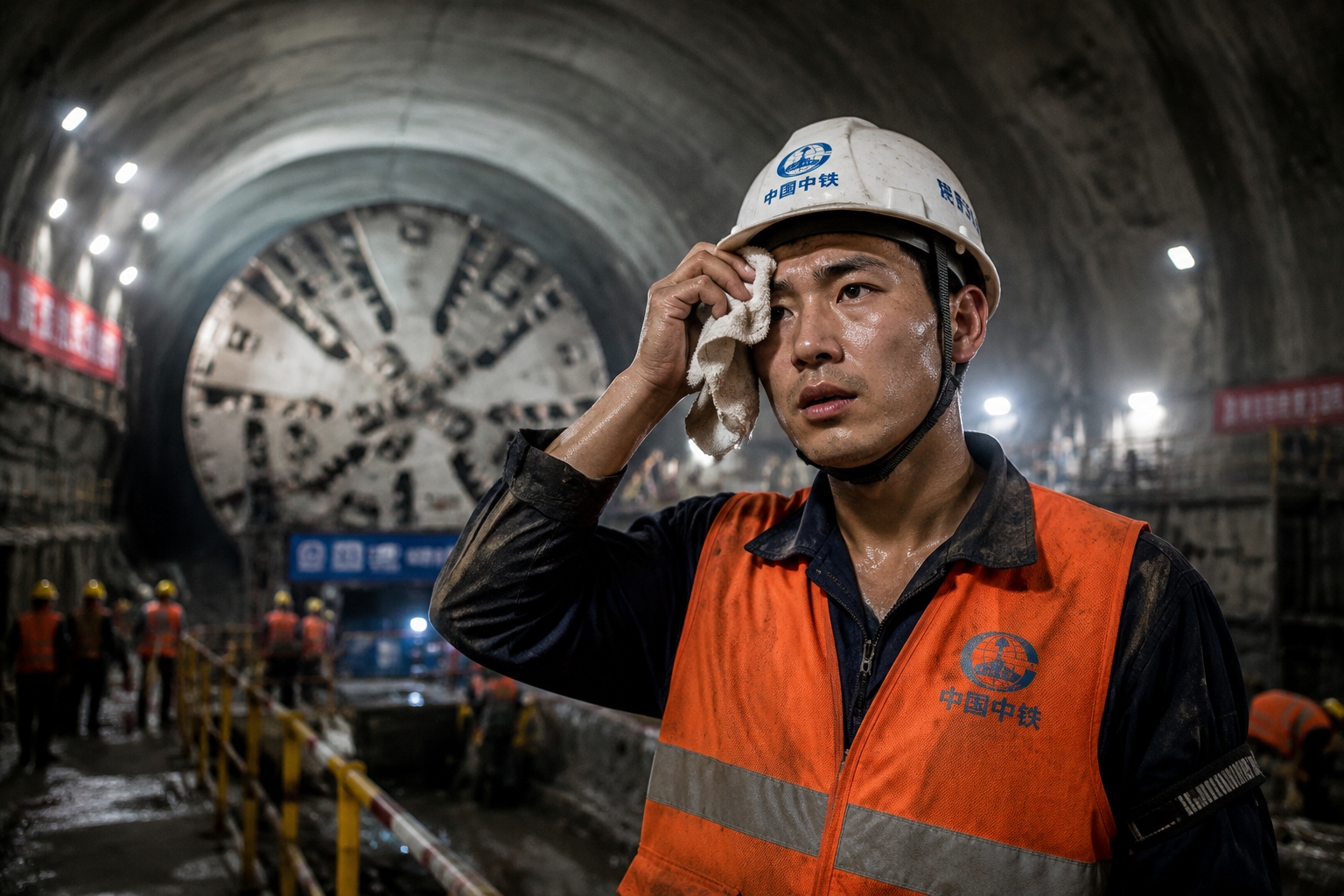
Eight hundred kilometers southwest, in the mountains of Yunnan, 28-year-old Tang Wei pushes through a steel door into a tunnel drilled into the limestone. The air is thick with dust and the roar of ventilation fans. Tang is a site engineer for the Central Yunnan Water Diversion Project, part of China’s push to bring water to the drought-prone plateau. His job: monitor the tunnel boring machine that grinds through rock 24 hours a day.
“We hit a water burst last month,” he says, wiping his face with a towel that’s already gray. “It flooded the tunnel in four hours. Nobody got hurt, but we lost two weeks.”
Tang’s team works in three shifts. The tunnel will eventually stretch 660 kilometers, longer than the Channel Tunnel. Most of the workers are from rural villages, earning a wage that can double a farmer’s income. “They don’t read engineering papers,” Tang says. “But they know rock. They know when it’s safe to blast and when it’s not.”
Village Under Water
Back in Danjiangkou, Li Mingshan’s eldest son, Li Jun, now runs a small restaurant in the relocation town. The government built new houses, schools, and clinics for the migrants. But the transition is hard. “My father can’t sleep during rain,” Li Jun says. “He says the sound of water reminds him of the day the gates closed.”
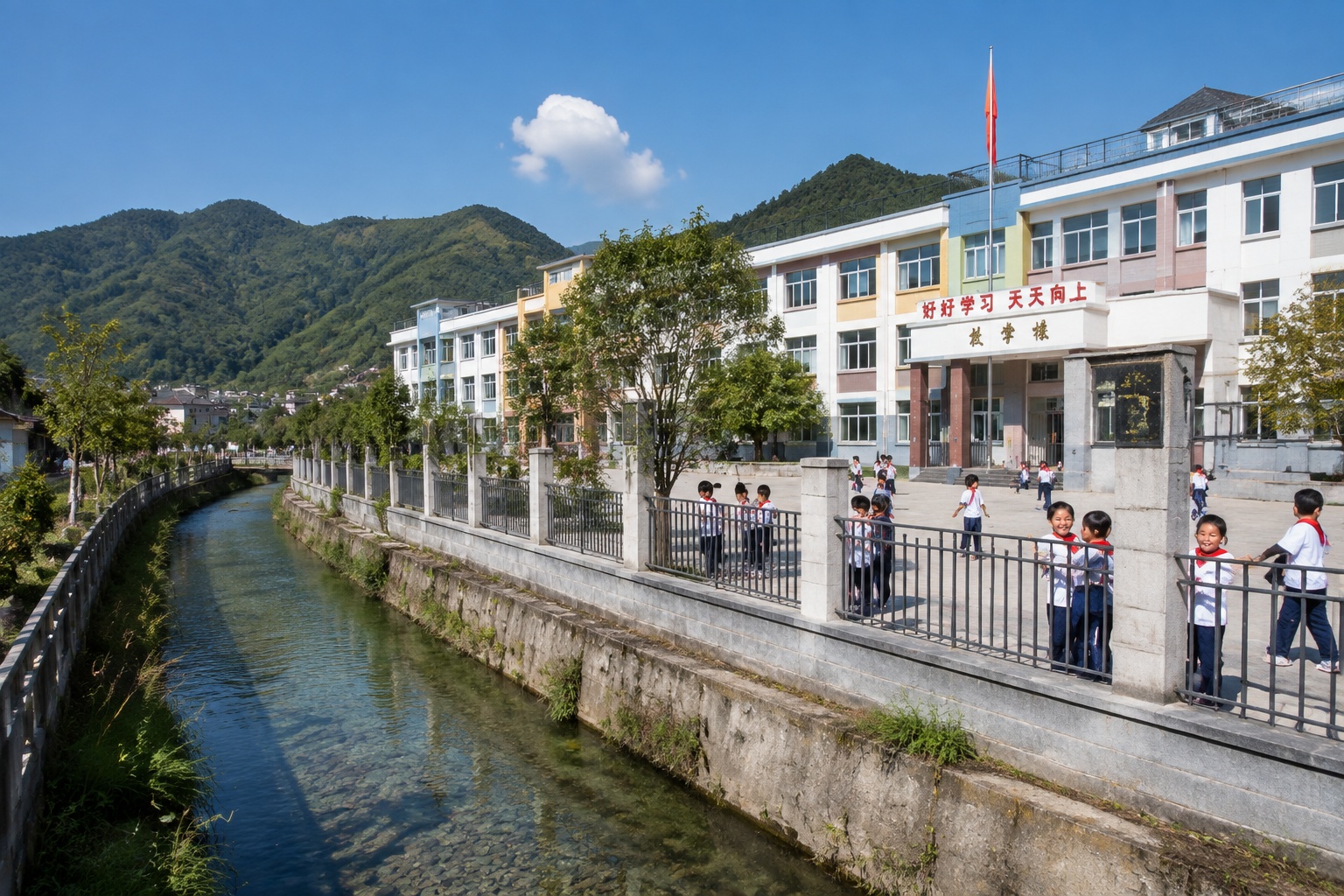
Not everyone stayed. About 20% of the relocated families moved to cities like Wuhan or Zhengzhou for factory jobs. Those who remained rebuilt their routines around a new river: the concrete canal that carries Beijing’s water supply. Every morning, Li Jun walks his own son to the new primary school, built on land that was dry five years ago. The canal runs past the schoolyard fence. The children sometimes shout at the water: “Go, go, go to Beijing!”
Beyond the Headlines
China’s water infrastructure is often described in superlatives—largest dam, longest aqueduct, most expensive project. But the real story is the ordinary people who live with the consequences. At the Three Gorges, 1.3 million people were relocated. In the Yellow River’s silt control projects, farmers learned to farm terraced slopes instead of floodplains. In the arid northwest, drip irrigation has transformed desert into vineyards.
These are not just engineering feats. They are social experiments, human migrations, and daily negotiations with gravity and weather. The rivers are controlled, but not tamed. The canals are clean, but the memories of lost homes are not.
What Foreign Readers Should Know
Western media often focus on the environmental cost or the displacement. Those are real concerns. But the picture is more complex. The same people who lost their land also gained access to running water, electricity, and roads for the first time. In the resettlement towns, I saw children learning on tablets donated by the water authority. In the tunnel camps, I met workers who use their savings to send daughters to college.
China’s water projects are not perfect. But they are not faceless—they are made of thousands of small stories like Li Mingshan’s and Tang Wei’s. Every river diverted, every reservoir filled, every canal dug has a human face.
If you want to understand modern China, don’t just look at the satellite images of the dams. Go to the resettlement towns, the tunnel portals, the canal embankments. There, you will find the real story: ordinary people doing extraordinary things, not because they are heroes, but because they have no choice—and because they believe the water will find its way.
Start the discussion at forum.chinacomes.com