

The Cost of a Soft Shawl
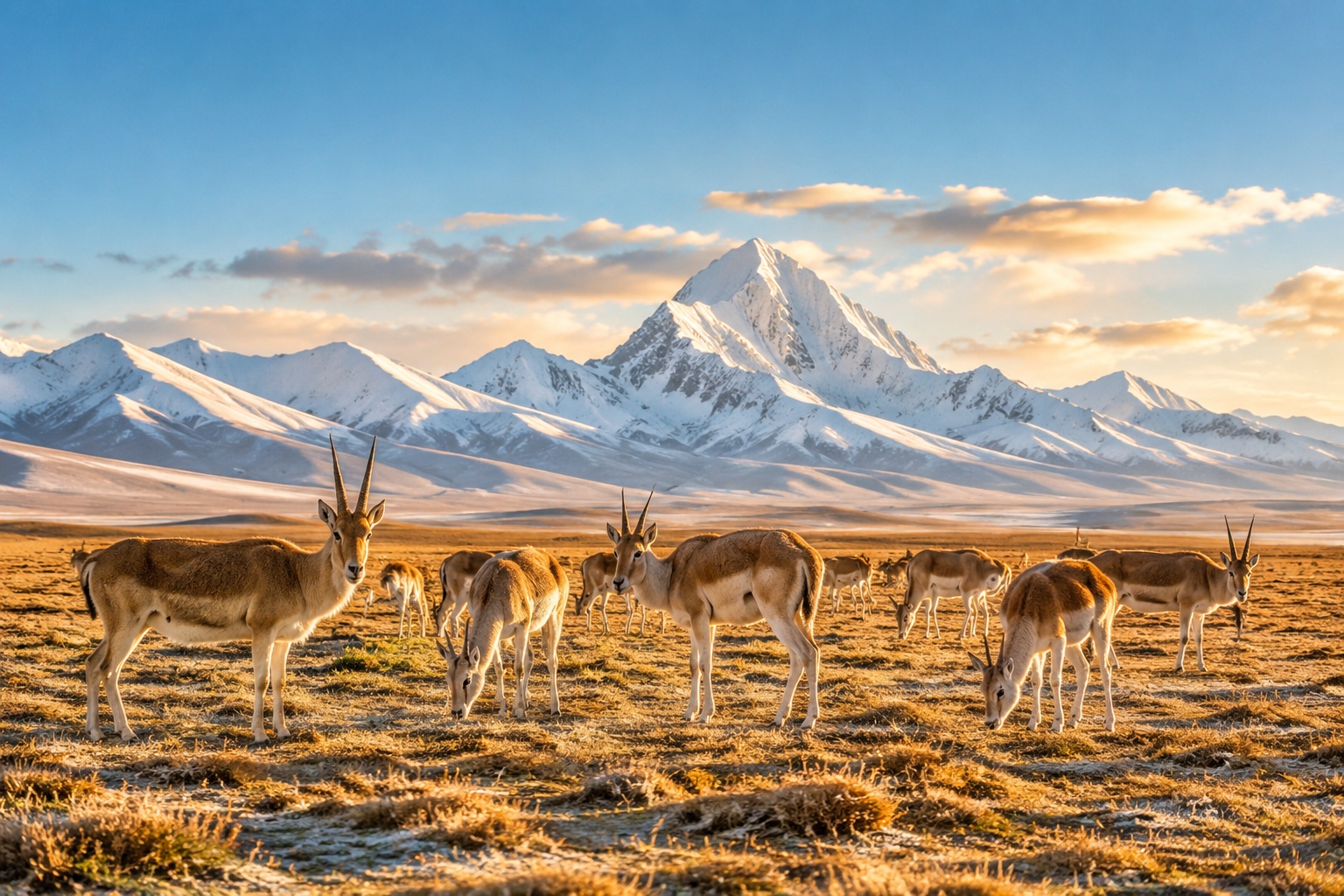
Shahtoosh—which means “soft wool” in Persian—is the fine underfur of the Tibetan antelope, or chiru. For centuries, nomadic herders used it to make warm, incredibly light scarves. But in the 1980s and 1990s, the international fashion industry turned this local craft into a deadly trade. A single shahtoosh shawl could sell for $10,000 or more in London, Paris, or Tokyo. To produce one, poachers had to kill several antelopes, stripping the down from their skins. Hunting methods grew increasingly brutal, and the chiru population collapsed. In the early 20th century, over a million Tibetan antelopes roamed the plateau; by 1995, fewer than 70,000 remained.
In 1979, the species was placed under Appendix I of the Convention on International Trade in Endangered Species (CITES), banning all commercial trade. China strengthened its own laws with the Wildlife Protection Law of 1988, which makes hunting a first-class protected animal a criminal offense punishable by up to 10 years in prison. But enforcement was difficult in an area the size of France. Poaching continued to threaten the species.
From Poaching to Patrols
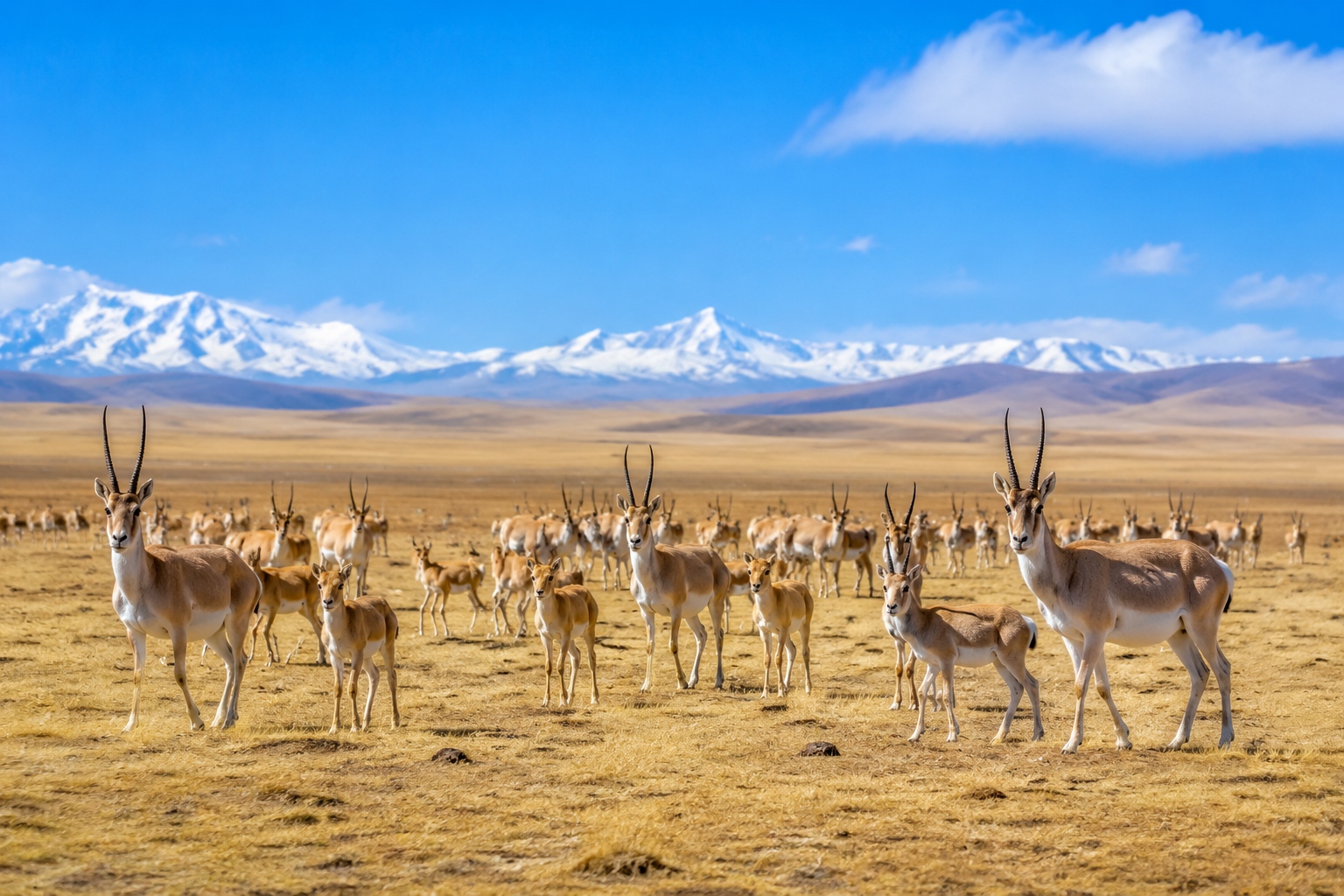
The turning point came in 1994, when a Tibetan official named Sonam Dargye was killed in a gunfight with poachers in Hoh Xil, a remote region on the Qinghai-Tibet Plateau. His death shocked the country and changed public opinion. The government established the Hoh Xil National Nature Reserve and began organizing armed patrols. Since then, more than 20 nature reserves have been created along the Tibetan plateau, covering roughly 250,000 square kilometers. These reserves now operate 16 permanent monitoring stations with solar power and satellite phones.
Patrols today are a mix of traditional skills and modern technology. Rangers use horses, vehicles, and drones to scan vast areas. Infrared cameras and satellite data help track animal movements and identify illegal camps. Machine learning algorithms now analyze thousands of camera-trap images, saving rangers time. In a significant shift, some former poachers now serve as rangers. They know the hiding spots and can recognize signs of hunting activity better than anyone. This approach gives them a reason to protect what they once killed.

Building New Livelihoods
But conservation cannot last if local people pay the price. In the 1990s, many herders on the plateau were poor and saw poaching as a way to get cash. The Chinese government responded with an ambitious plan: it created jobs for herders as “ecological guardians”—paid to monitor wildlife, report grasslands damage, and reduce livestock pressure. In Qinghai and Tibet, thousands of herders now receive monthly salaries for these tasks.
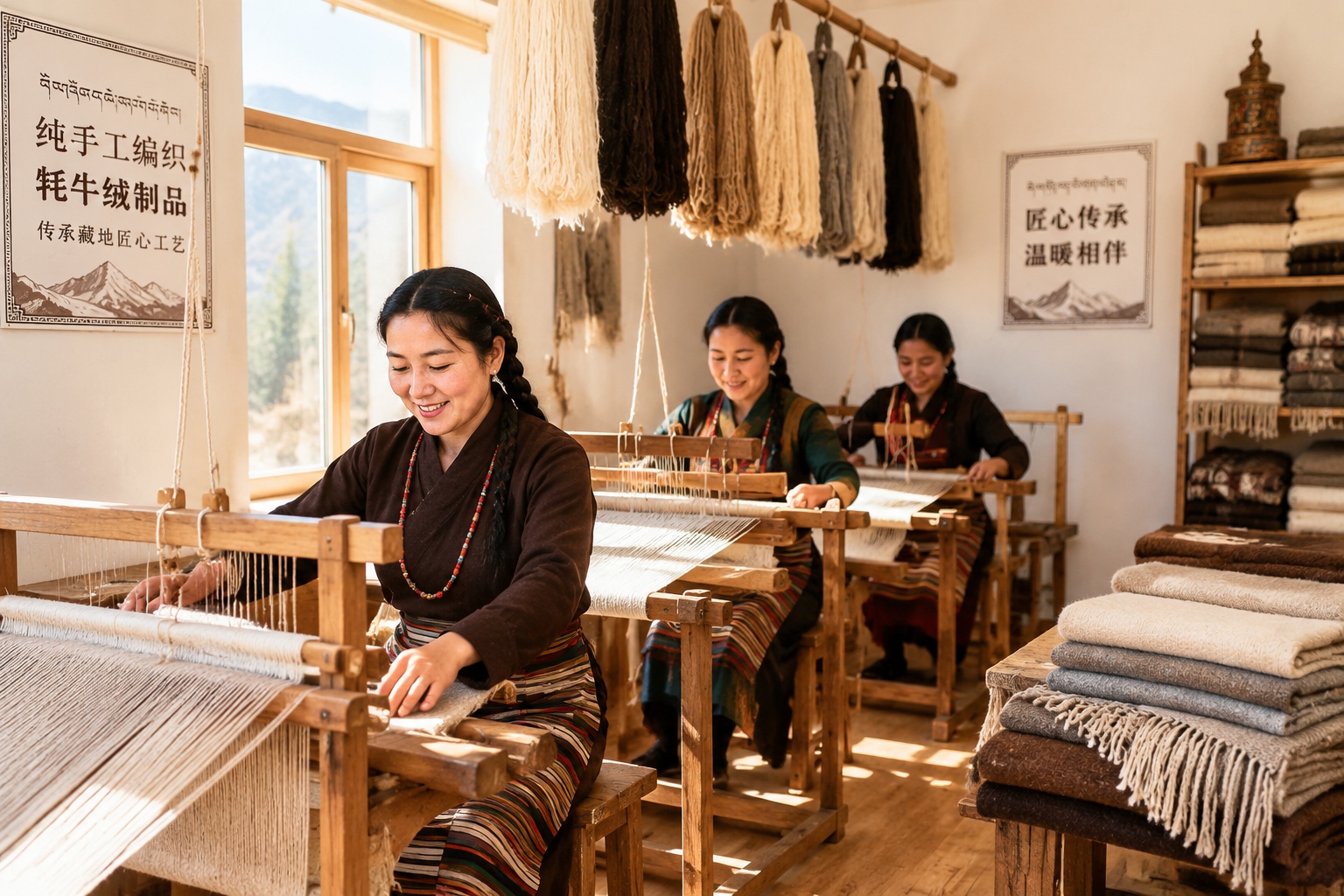
At the same time, a new industry emerged around yak wool. Yak down is almost as fine as shahtoosh but is completely legal and sustainable. Villages began forming women’s cooperatives to spin and weave wool into scarves, blankets, and shawls. One of the most successful cooperatives is in Rgyalrong village, in Yushu, Qinghai. The cooperative, supported by the brand Norlha, sells handmade yak wool products to luxury stores around the world. For the women who work there, weaving is a reliable income that does not harm wildlife. In 2019 alone, Norlha generated over $2 million in sales, with most of that going to local workers. The model has now been replicated in more than 30 villages across Qinghai and Tibet, with many selling online as well.
The Economic Case for Conservation
The results are visible from the air. Surveys by the Chinese government and conservation groups put the current Tibetan antelope population at more than 300,000—nearly five times the low point. In 2008, the antelope was chosen as one of the mascots for the Beijing Olympics, symbolizing the country’s commitment to environmental protection. Tourism has also taken off. Each summer, visitors flock to Hoh Xil and other reserves to see the antelopes migrate. Local communities earn money by providing food, lodging, and guides. According to the Qinghai provincial government, eco-tourism in the Hoh Xil area generated about 500 million yuan (roughly $70 million) in 2019. Special underpasses and bridges have been built along highways to let antelopes cross safely, reducing roadkill by more than 80%.
In the Sanjiangyuan region—where the Yangtze, Yellow, and Lancang rivers originate—ecological compensation programs pay herders to retire cattle from degraded grasslands. These payments have helped restore the ecosystem and improve living standards. From 2010 to 2020, grassland coverage in the area increased by about 10%.
What Still Needs Work
The recovery is real but fragile. Climate change is warming the Qinghai-Tibet Plateau twice as fast as the global average, damaging fragile grassland ecosystems. The shrinking glaciers and drying soil could disrupt the antelopes’ migration patterns. While poaching has dropped dramatically, a small illegal market for shahtoosh still exists, especially abroad. The antelope’s growing population also creates new challenges: as it expands, it competes with livestock for pasture, and some local herders are unhappy. Government officials and ecologists are now working on land-use plans that allocate space for both wildlife and livestock.
A Blueprint for Coexistence
The story of the Tibetan antelope is not just about saving a species. It is about transforming a region from a place of conflict to a place of balance. China’s approach—combining strict laws, community engagement, and market opportunities—shows that conservation can be an engine for economic development. The antelope’s comeback demonstrates that when local people see a benefit in protecting nature, they become its strongest allies. The challenge ahead is to sustain this balance in the face of climate change and growing human needs. If China succeeds, the plateau could become a model for the rest of the world. And the antelope, once an icon of extinction, might become an icon of renewal.
Start the discussion at forum.chinacomes.com