
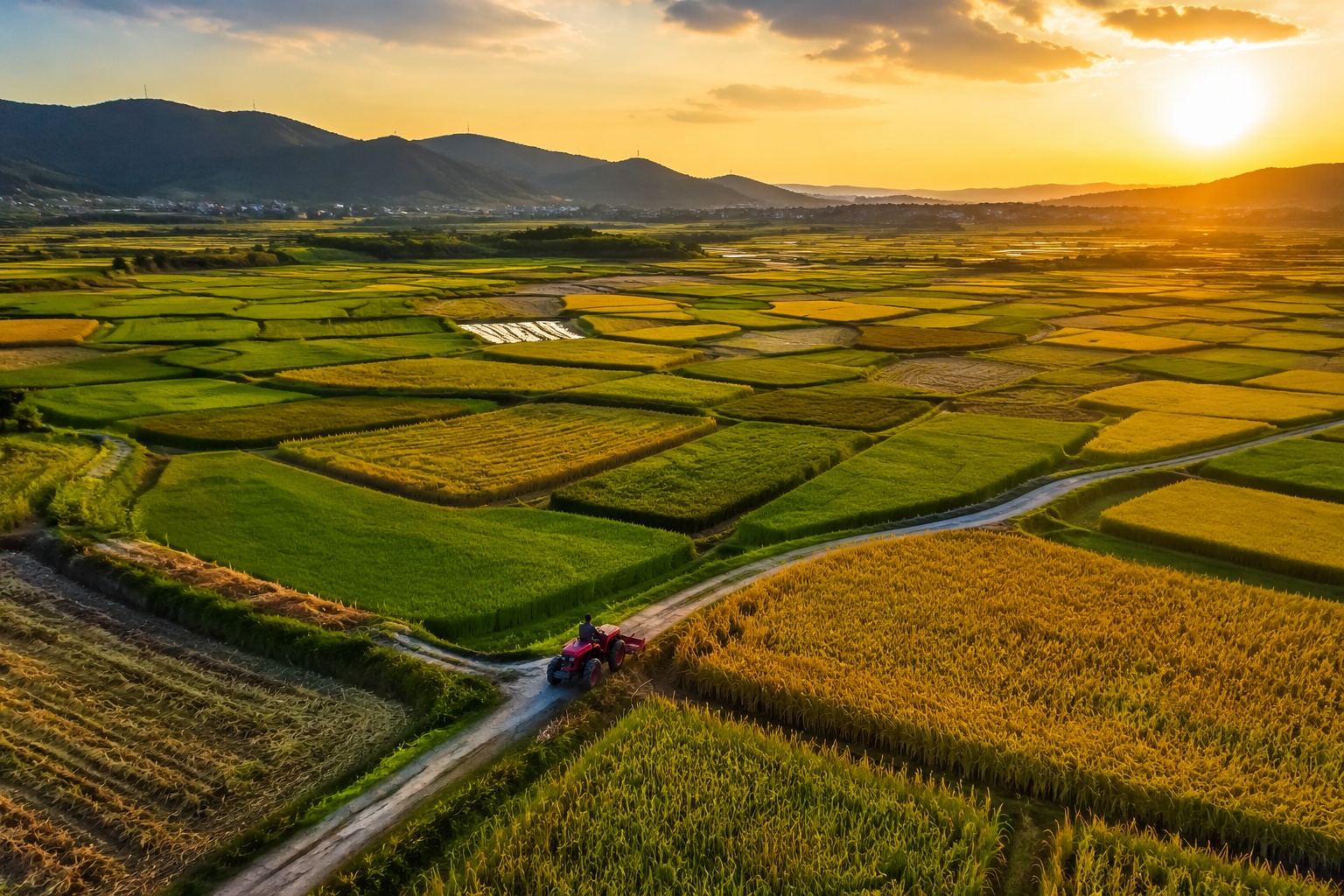

Introduction: A Plate of Rice, a World of Systems
Every day, nearly 1.4 billion people in China sit down to eat. The food on their plates — rice, vegetables, meat, fish — travels through one of the most complex food supply chains ever built. For decades, the question of whether China can feed itself has been debated by economists, politicians, and environmentalists. The short answer is yes, it does. But the story behind that answer is far more interesting: a blend of scientific breakthroughs, policy shifts, massive infrastructure investment, and changing consumer habits.
The Green Revolution: Science at the Roots
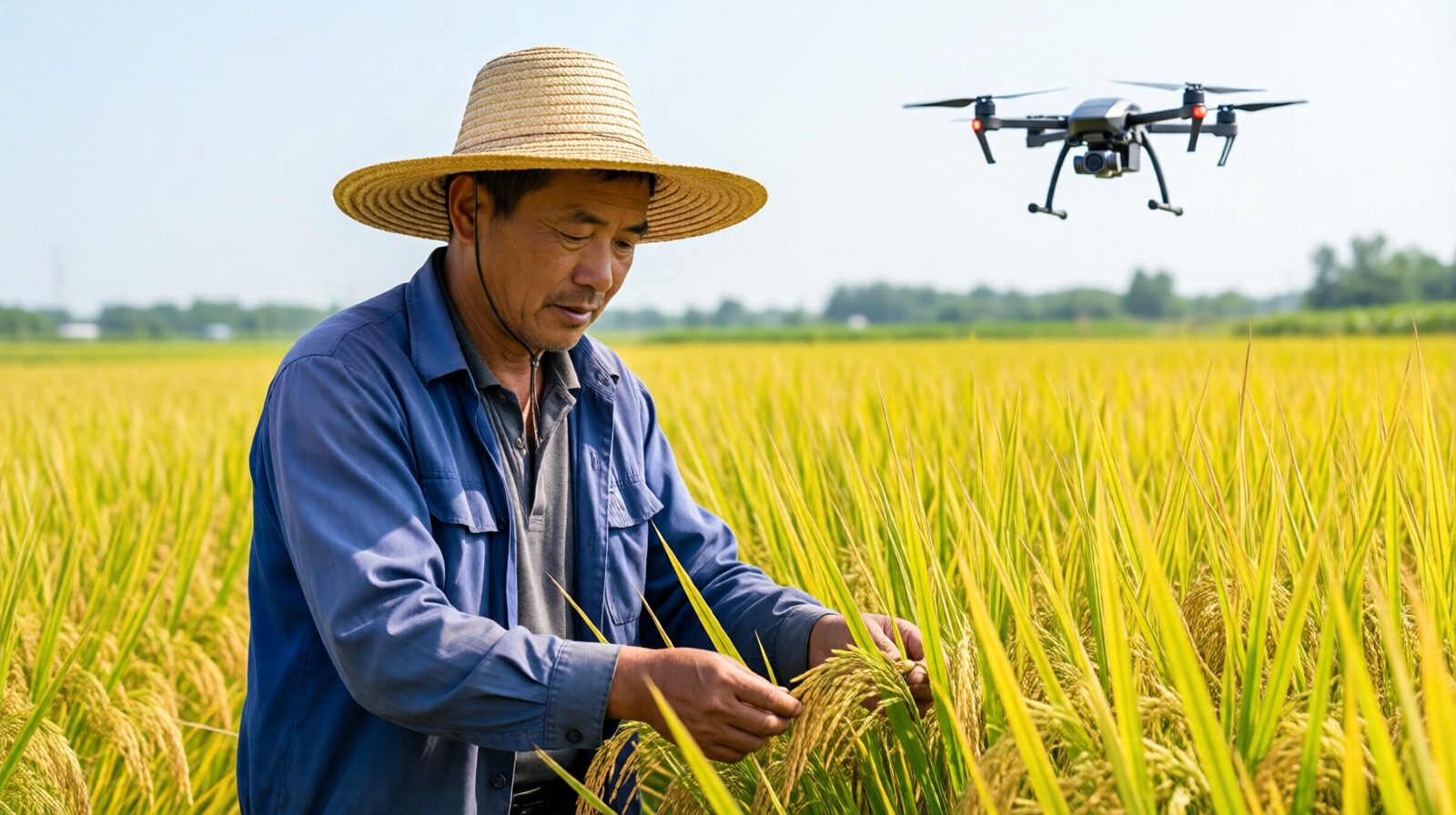
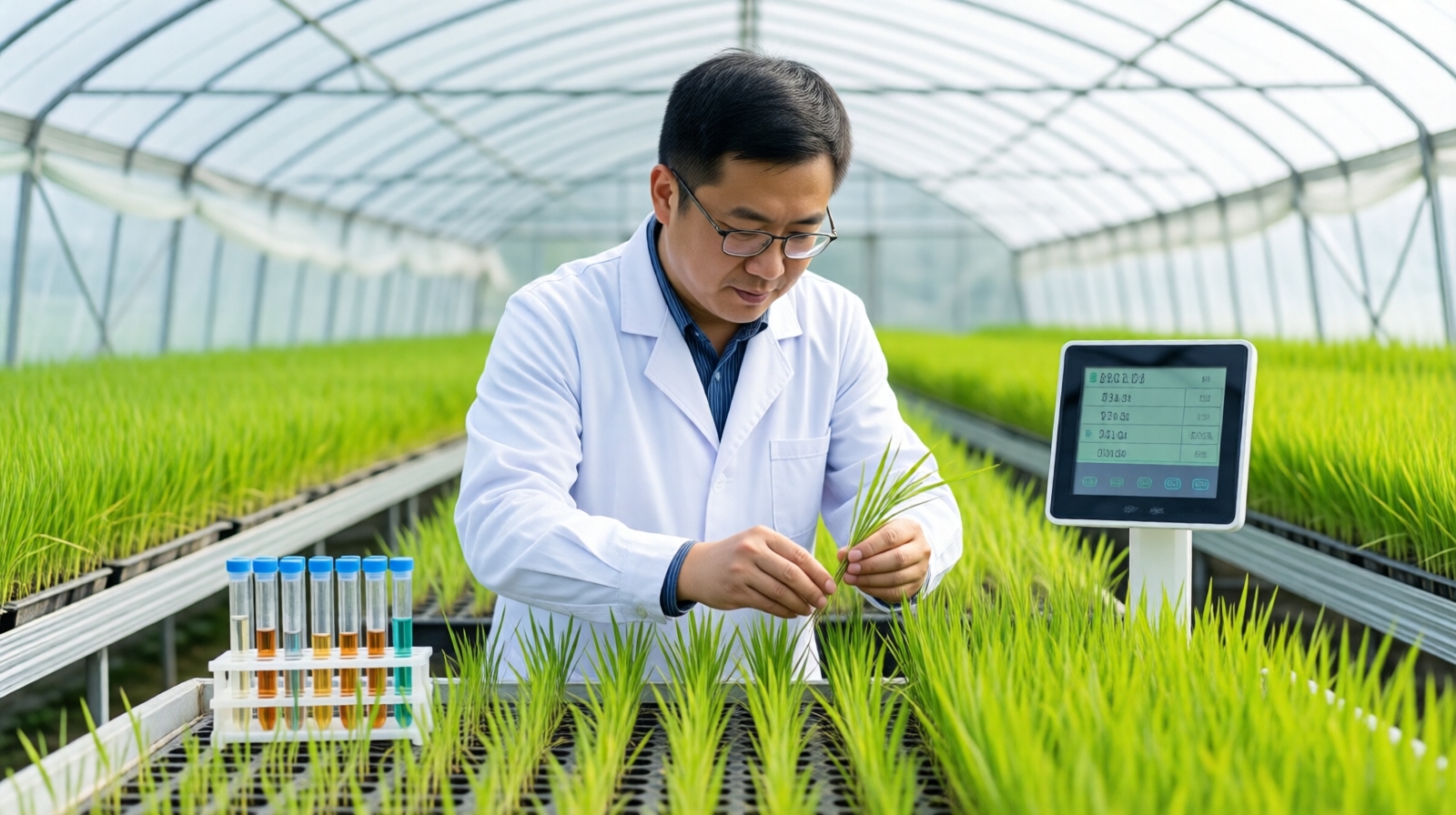
China’s journey to food security began in the fields. In the 1970s, agricultural scientist Yuan Longping developed the first hybrid rice strains, which could yield 20–30% more grain per hectare than conventional varieties. This breakthrough was not just a laboratory result — it was scaled across millions of hectares. By the 2000s, hybrid rice covered more than half of China’s rice paddies, directly feeding hundreds of millions. Today, scientist continue to improve: new salt-tolerant rice varieties can grow on former coastal wasteland, adding millions of tons of grain every year.
But yield is only part of the equation. Pesticide and fertilizer use, once excessive, has been reined in through precision agriculture. Drones now spray crops in terraced fields, while soil sensors and satellite data guide irrigation. The result is a steady increase in total grain output — from 304 million tons in 1978 to over 680 million tons in 2023 — even as the area of farmland has shrunk slightly due to urbanization.
Land Reform and Policy Incentives
Science alone cannot fill stomachs. Farmers need motivation to grow. In the late 1970s, China dismantled collective farming and introduced the Household Responsibility System, which gave individual families the right to farm land and keep the surplus. The effect was immediate: grain output surged by 50% in just a few years. Since then, policies have evolved: grain subsidies, minimum purchase prices, and direct payments to farmers ensure that even in years of low market prices, food production remains stable.
Another key policy is the “red line” of 120 million hectares of arable land — a legal minimum that cannot be built over. Every provincial government must report its farmland area, and violations are punished. This has slowed the loss of farmland and preserved a buffer for food production.
The Logistics Revolution: From Field to Fork
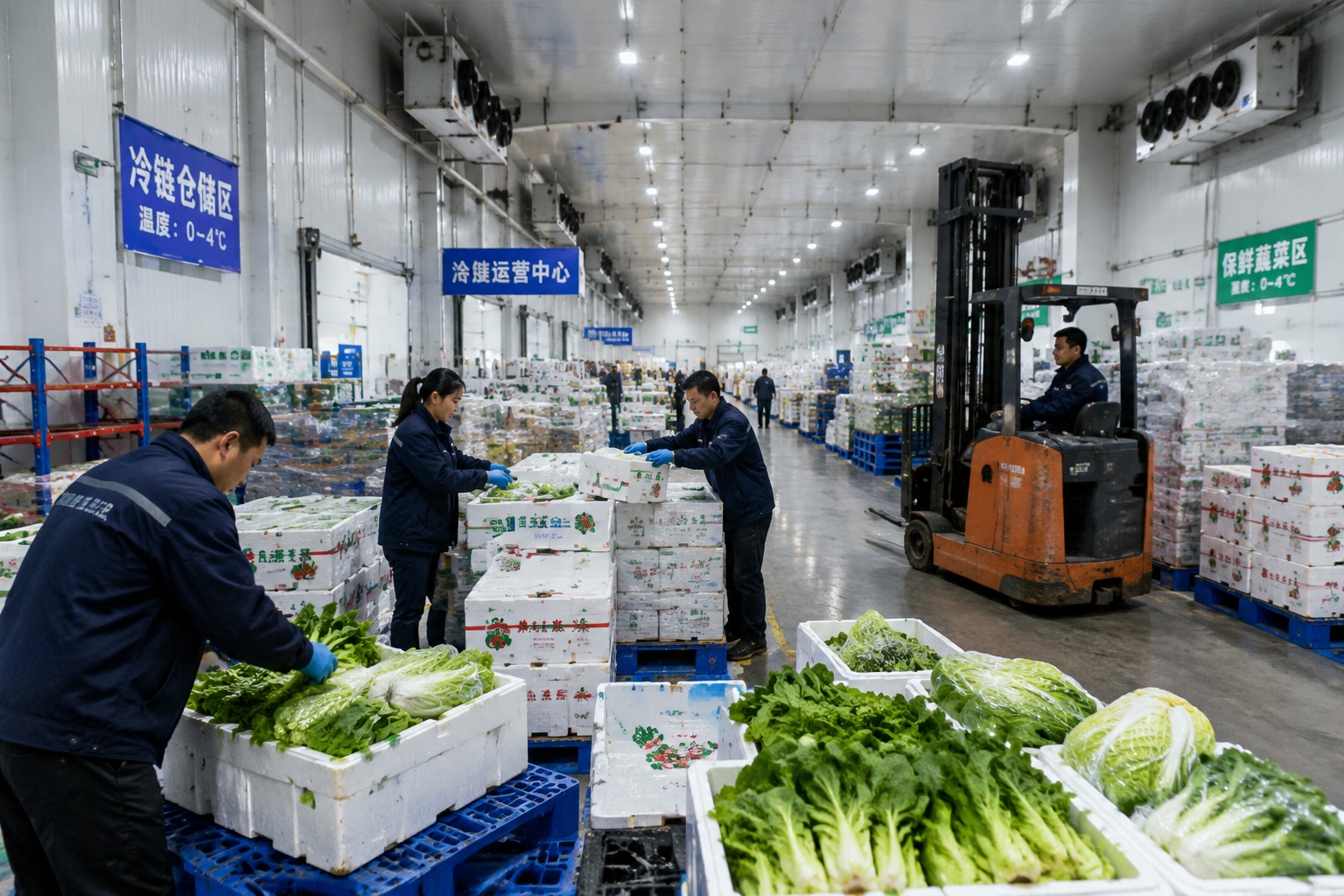
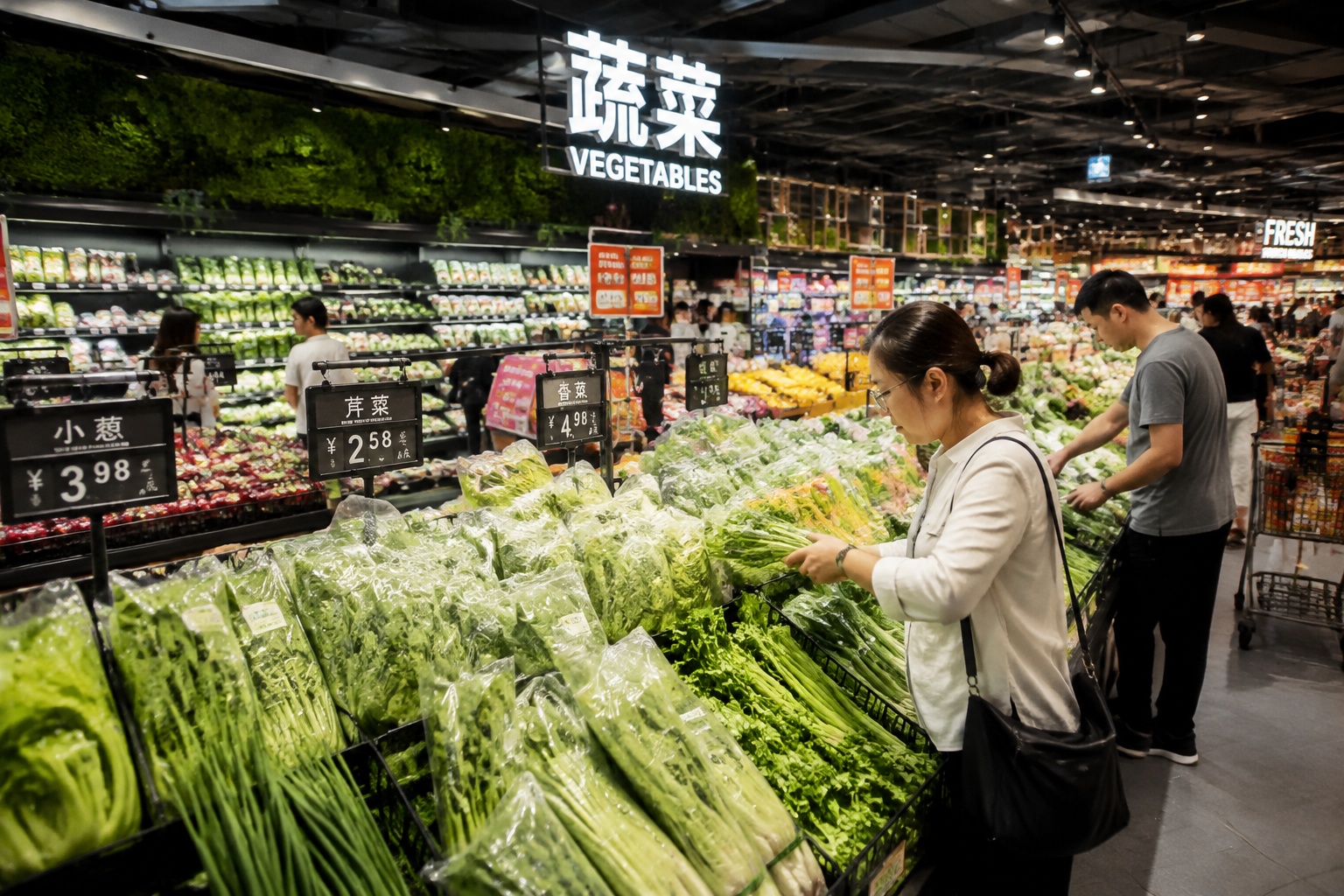
Growing food is one thing; getting it to consumers without spoiling is another. China’s food logistics system has undergone a transformation in the last 20 years. The country now has the world’s largest high-speed rail network, and much of it is used for freight at night — including fresh produce. A farmer in Yunnan province can have vegetables on a Shanghai supermarket shelf within 24 hours. The cold chain network, which barely existed in 2000, now covers over 80% of perishable goods, with refrigerated trucks and warehouses stretching into every prefecture.
E-commerce platforms like Alibaba’s Freshhema and JD.com’s grocery service have built their own supply chains, sourcing directly from farms and delivering to homes within hours. This has reduced food waste, which once accounted for up to 30% of all produce, by cutting the number of middlemen and improving storage.
Changing Diets: More Than Just Rice
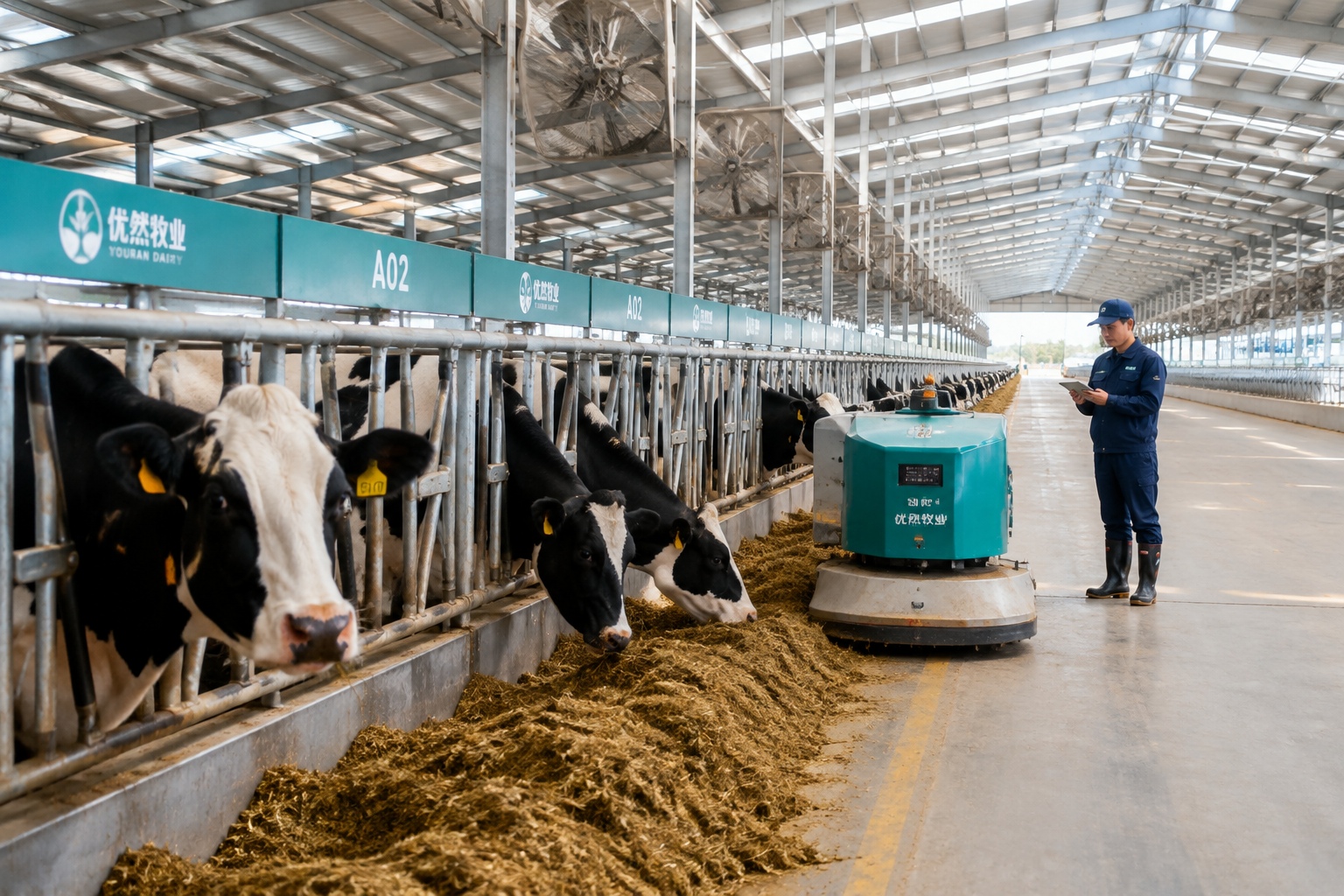
As incomes rise, the Chinese diet has shifted from grain-heavy meals to more diverse proteins: meat, dairy, eggs, and seafood. China now consumes more than half of the world’s pork, and its demand for beef and milk has soared. This shift places additional pressure on the food system, because it takes 3 to 10 kilograms of grain to produce 1 kilogram of meat. To keep up, China has invested in large-scale pig farms, modernized dairy operations, and offshore aquaculture.
Meanwhile, a growing awareness of health and sustainability has led to a boom in plant-based proteins and organic farming. The government has also promoted “food loss reduction” campaigns, targeting both production and consumption. Today, China’s food self-sufficiency rate for grains remains above 95%, while imports fill gaps in soybeans (for animal feed) and some specialty crops.
Conclusion: A System That Keeps Learning
Feeding 1.4 billion people is not a one-time achievement — it is an ongoing process of adaptation. China’s food system faces challenges: aging farmers, water scarcity, climate change, and the need to further reduce environmental impact. But the track record shows a remarkable ability to innovate and scale solutions. The journey from farm to table in China is not a miracle in the sense of luck; it is a miracle of deliberate design, continuous investment, and millions of people doing their jobs every day.
Start the discussion at forum.chinacomes.com