


Why Chinese Social Media Feels Different
Imagine a weekday morning in Chengdu. A young woman checks her WeChat while waiting for her coffee. She scrolls through an article about backpacking in Yunnan, then opens Xiaohongshu to read reviews of a new sunscreen before buying it. Later, during lunch, she watches a 30-second Douyin video of a local restaurant’s new spicy hotpot dish. In the evening, she watches a 20-minute Bilibili video about mechanical keyboards. Four apps, four intentions, and all of them are places where brands can reach her.
For any business exploring China, social media is not an optional add-on. It is the main street, the shopping mall, the TV, and the word-of-mouth tool rolled into one. But how do you actually use it? Let us break down the four platforms that matter for marketing: WeChat Official Accounts, Douyin, Xiaohongshu, and Bilibili. Each has its own rules, culture, and business logic.

WeChat Official Accounts: Your Base Camp for Customer Relationships
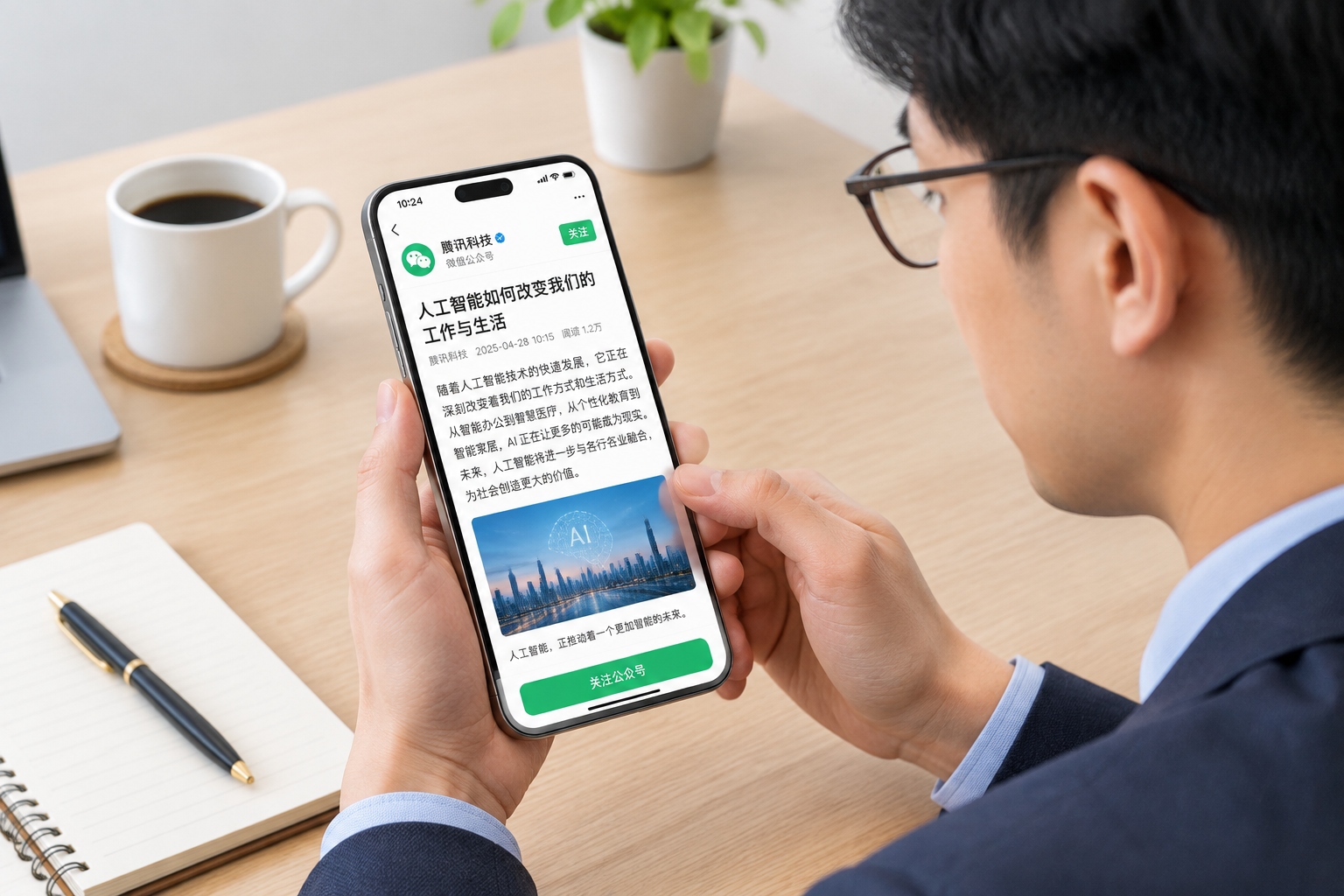
WeChat is everywhere in China. People use it to chat, call, pay, book taxis, order food, and read news. It is less like Facebook plus WhatsApp and more like an entire mobile operating system for daily life. For brands, the core tool is the WeChat Official Account (公众号, or Gongzhonghao). It works like a newsletter and a customer service portal rolled into one.
When someone follows an Official Account, your content appears inside the same app where they already talk with friends. That makes your message feel more like part of the social stream, not a paid ad. But WeChat is strict. It does not tolerate buying fake followers easily, and the algorithm rewards quality over hype.
What grows an account? Content that solves a problem. A beauty brand explains how to pick skincare products for sensitive skin; a small appliance maker shares smart-home tips. Many businesses also link their Official Account with mini-programs for booking, ordering or loyalty cards. This turns an article channel into an ongoing customer relationship.
Consider an international coffee chain opening its first store in Shanghai. It can create an Official Account and offer a free coffee in exchange for a follow. Once a person follows, the brand can send exclusive promotions to that follower inside WeChat’s native feed. Since the user opted in, the click-through rate can be much higher than a typical display ad. Official Accounts are like owning an email list, but with a smaller chance of being ignored.
That is why many foreign brands set up WeChat first and only later extend to other platforms.
Douyin: Attention That Converts Inside the Video
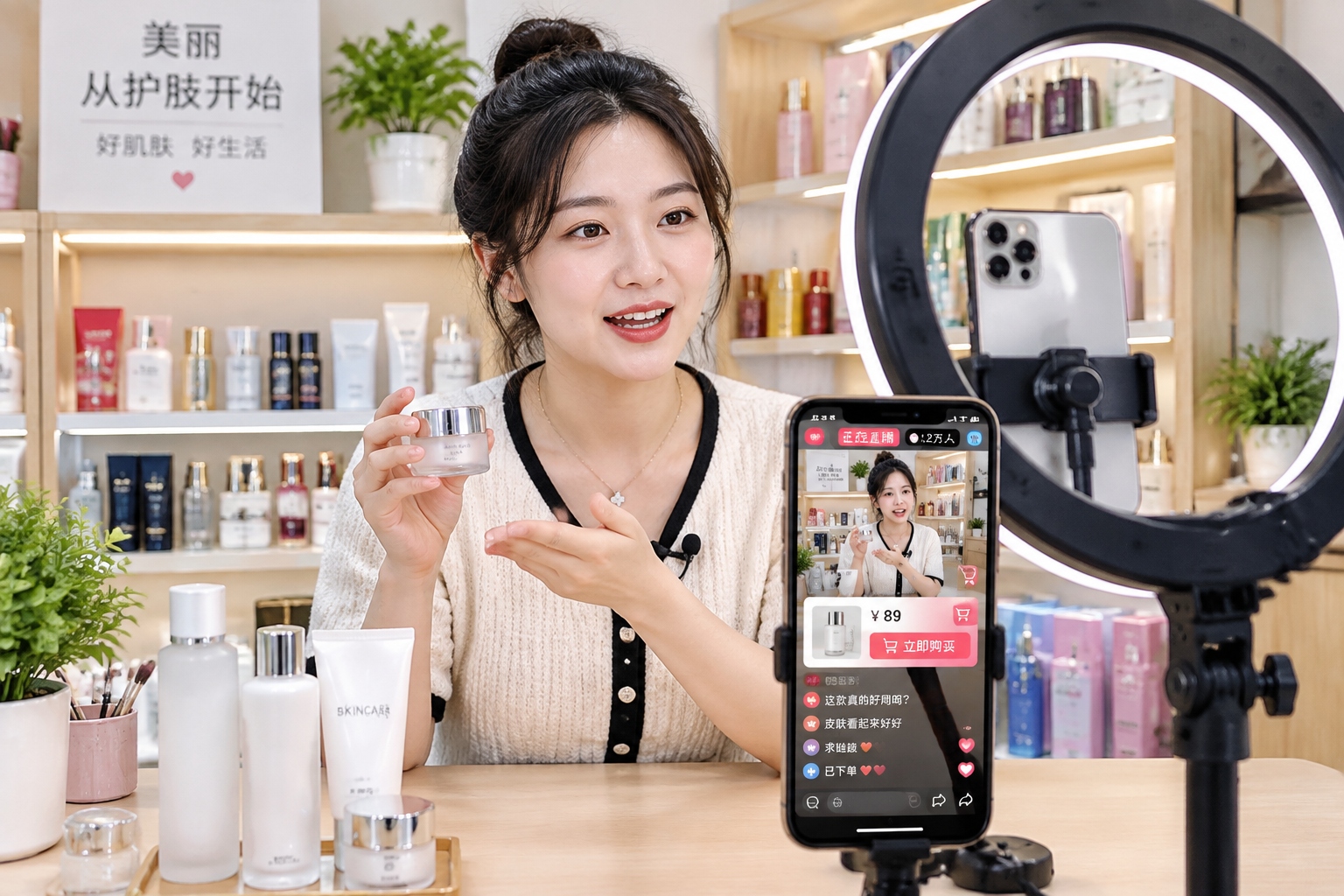
If WeChat is where you build trust, Douyin is where you create urgency. Douyin, the Chinese version of TikTok, has more than 700 million daily active users. Full-screen videos play endlessly, and people do not just watch: they can buy in the same app. This is Douyin’s key difference from TikTok.
In 2023, Douyin’s e-commerce sales continued to explode, forcing brands to set up official enterprise accounts (蓝V). With an account, you can post short clips, go live, and place shopping links directly in every video. The purchase journey is almost frictionless.
The most popular content follows the grass-planting idea: plant a desire in a fun way. A travel blogger pulls a lightweight umbrella out of a backpack just as a storm hits. A mom shows how a portable blender makes a smoothie in thirty seconds. Viewers laugh, save the video, or tap the little yellow shopping bag to buy immediately.
Not every product suits Douyin. Snacks, cosmetics, gadgets, clothes and low-to-mid price items work well. Big decisions like furniture or financial products need more trust, often built through live-streaming sessions where hosts answer questions in real time and offer limited discounts. Some top hosts generate millions of dollars in a single evening.
For a new foreign brand, the first experiment should be small. Search for competitors and read the comments below their videos. Then publish a handful of short test videos. Let the algorithm react. If a video passes 10,000 organic views, study why. Douyin rewards videos that keep people inside the app, so aim to be entertaining, useful, or surprising.
Xiaohongshu: The Review and Discovery Engine
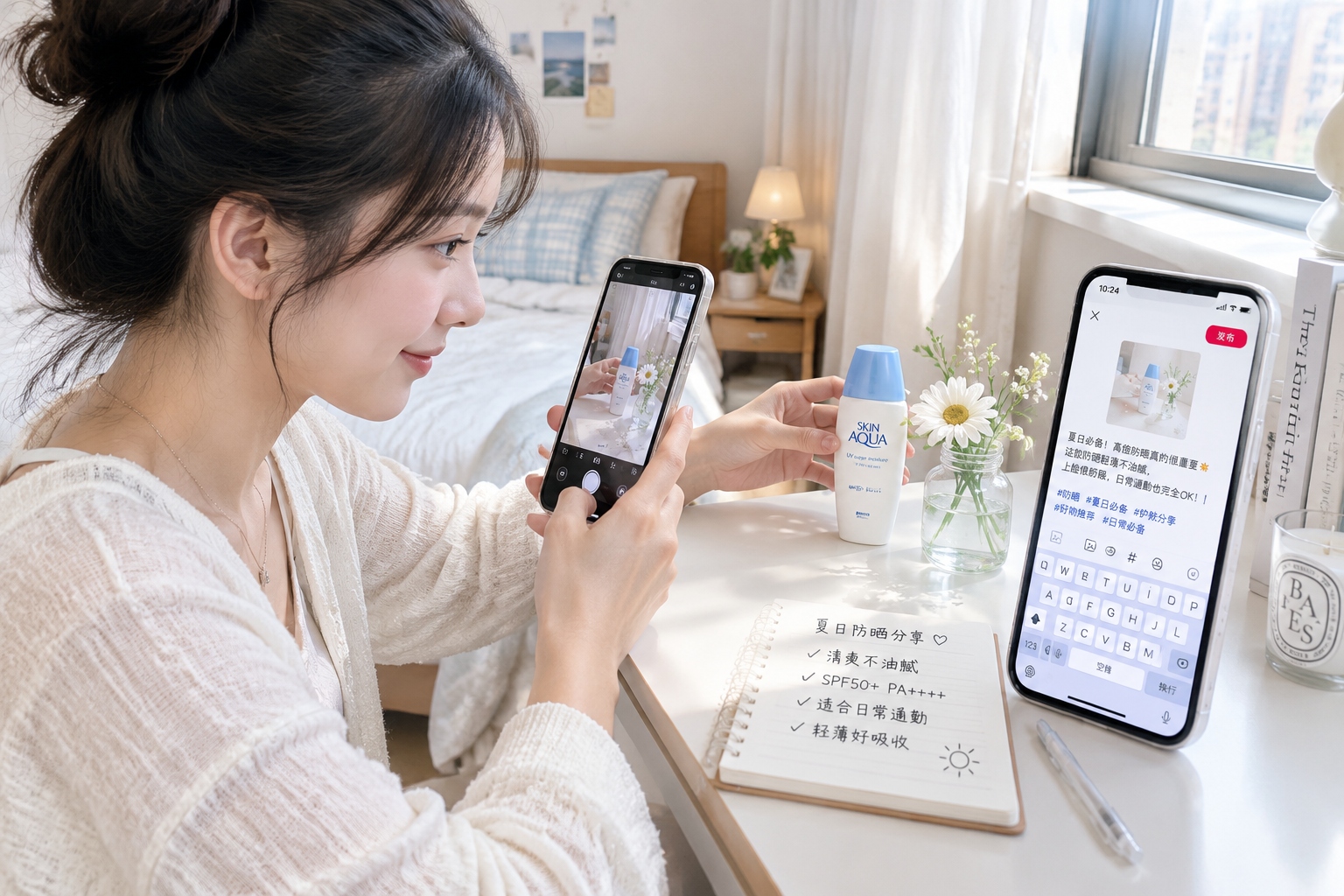
Many non-Chinese users compare Xiaohongshu, the Little Red Book, to a mix of Instagram, Pinterest and TripAdvisor. It is a space where users share real experiences through photos, short clips, and written notes. Before buying almost anything, young Chinese consumers search Xiaohongshu first. They want to know which product really works and which one is another overhyped internet failure.
Marketing on Xiaohongshu is more subtle. The platform is famous for its grass-planting model, but the best grass is not an ad. It looks like a genuine review from a credible person. Suppose you sell skin-care products. Instead of one glamorous launch film, you might invite fifty micro-bloggers to sample the cream and show their routines over two weeks. They post about how it feels, what it does, and why they use it in the evening. Those posts are saved by users and pulled up later, when they need to buy. Unlike ads, a good Xiaohongshu note can keep attracting views for years.
What sells well there? Cosmetics, fashion, home decor, mother-and-baby items, fitness and travel experiences. Products that require research before purchase are perfect. The tone resembles peer advice. And many local shoppers take this tool so seriously that they search across hundreds of notes before buying.
To do it, combine a few big key opinion leaders (KOLs) with many ordinary consumers. Micro-users with two thousand followers often generate higher trust than a mega star. But the platform has gotten strict about fake reviews, so your interest is in honest storytelling, not scripting every line. Check the comments — they will teach you more than any marketing manual.
Bilibili: Building Deep Brand Loyalty with Young Chinese
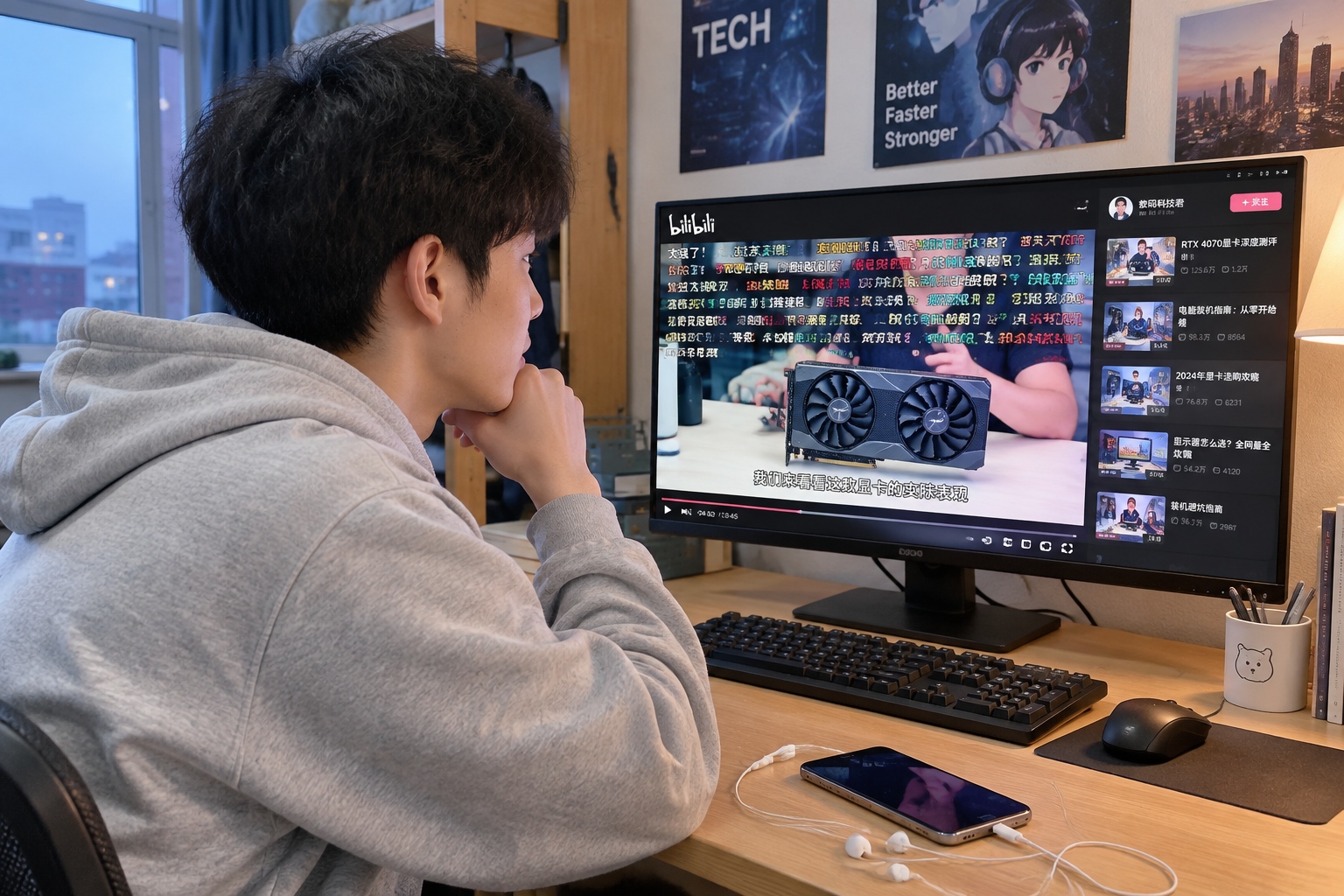
Bilibili, often called B站, started as a platform for anime and gaming fans. Today its content spans technology, education, lifestyle, music and social commentary. What makes it special? The culture. On-screen comments called danmaku fly across the video synchronously, creating a group-watching experience. Users are mostly between 18 and 30 years old, well educated, and unforgiving toward marketing tricks.
But brands that approach Bilibili thoughtfully can build a powerful fan community. Because videos are longer, typically 10 to 30 minutes, they allow for depth. A headphone company can post a technical teardown. A food brand can make a mini-documentary about soy sauce fermentation. A car maker can contribute to debates about safety engineering. The content is educational, fun, and non-salesy in its feel.
One ritual is the triple click (三连): users who like a video also share it and save it. Creators ask viewers to give a triple click to support, which boosts the video in Bilibili’s ranking. For a foreign company, having a video that receives thousands of triple clicks means you have earned respect from a skeptical audience.
Start by simply watching. Read the comments; they are often sharper than the video itself. Hire a local content team that speaks the community’s humour. Avoid polished PR speech. On B站, authenticity wins over production value.
Building a Multi-Platform Strategy
Every platform has its job. In our experience:
- WeChat Official Account is the asset you own — a CRM and content home base.
- Douyin is the high-reach channel that triggers impulse sales.
- Xiaohongshu is the place for pre-purchase research.
- Bilibili is where you build the deep trust that leads to loyal brand advocates.
The platforms work together in a loop. A user sees an entertaining Douyin video and clicks your profile. There they find an account link to a WeChat mini-program, where they leave their phone number for a free sample. Then they open Xiaohongshu to check if the brand is reviewed. Meanwhile, a B站 documentary explains why your factory is environment-friendly, further lifting trust. This kind of ecosystem needs planning, not just posting the same content everywhere.
A realistic roadmap for a foreign brand:
- Spend two to four weeks observing each platform.
- Create an official account on WeChat, then register on Douyin and Xiaohongshu.
- Publish three months of content focused on value for your customer: tutorials, local insights, honest comparisons.
- Hire local agencies or freelancers to optimize the wording and visuals.
- Set aside a small media budget for tests on Douyin or Xiaohongshu, measure click-through and conversion.
- Once you find what works, increase investment and expand to Bilibili for deeper fan engagement.
Final Advice
Chinese social media rewards patience and humility. You are entering a system where people have very high expectations for genuine interactions. They have seen every kind of advertising trick, so spend time listening first. Talk to your local friends, colleagues, or retailers. Ask them: which account would you follow? What content would you save? Why would you trust a brand in this sector?
The ordinary scene from Chengdu we started with reveals something important: Chinese consumers are not harder to impress. They are simply smarter at comparing notes across platforms. Your job is to give them a truthful reason to remember you. When you do, the four platforms become a growth machine.
Start the discussion at forum.chinacomes.com